Moisture-Control HVAC Systems: The 2026 Solution for Mold Prevention
Whole-home installations range from $5,000 to $12,000
Humidity management retrofits cost $2,500 to $6,500
Annual maintenance and calibration fees fall between $300 and $900
Homeowners increasingly rely on moisture-control HVAC technology to address mold risks proactively. These systems maintain balanced humidity levels, optimize airflow, and eliminate condensation that promotes mold development. Factors such as home size, layout, and regional climate influence pricing, yet the benefits extend to improved air quality and reduced structural damage over time.
Licensed HVAC contractors specializing in humidity control offer free estimates tailored to your property. Contact local experts to evaluate your needs and explore installation options.
Mechanisms of Mold Prevention in Moisture-Control HVAC
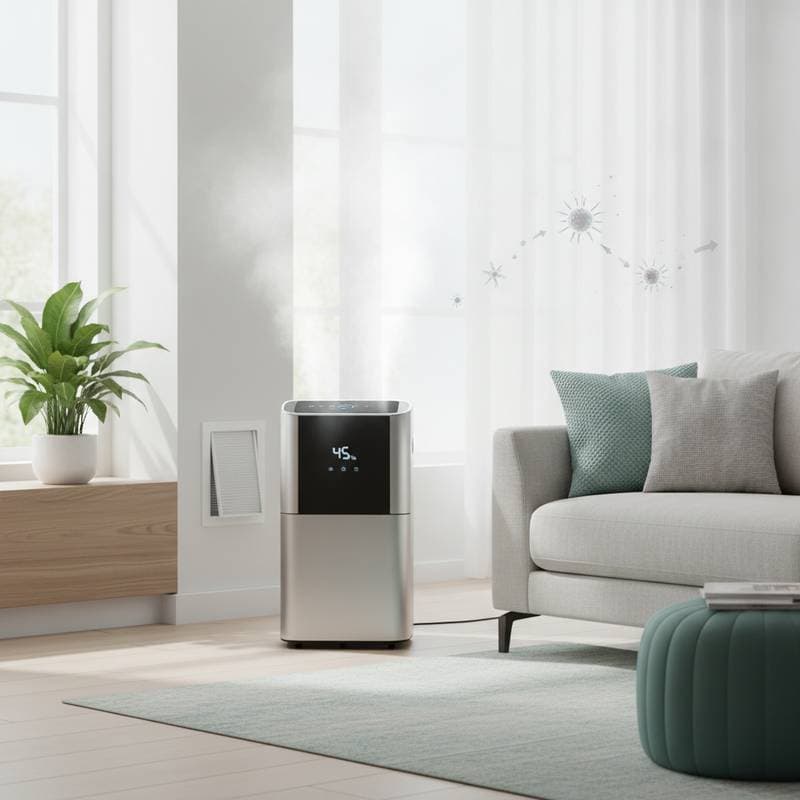
Moisture-control HVAC systems surpass traditional units by offering precise regulation of indoor humidity and temperature. Equipped with variable-speed fans, advanced sensors, and built-in dehumidifiers, they sustain humidity levels between 30 and 50 percent, the range that inhibits mold spore proliferation. For instance, sensors detect fluctuations in real time and activate dehumidification only when necessary, avoiding unnecessary energy consumption.
These systems also promote continuous air circulation to eliminate stagnant areas prone to moisture buildup. By safeguarding materials like drywall, insulation, and upholstery, they contribute to a healthier indoor environment. Residents in humid climates particularly benefit from this technology, as it mitigates risks associated with seasonal dampness.
Elements Influencing Costs of Moisture-Control HVAC Systems
Several variables determine the overall expense of installing a moisture-control HVAC system. Understanding these helps homeowners budget effectively and select appropriate configurations.
- System capacity: Homes with greater square footage require robust units, which elevate equipment expenses by 20 to 40 percent compared to smaller setups.
- Efficiency rating: Units with superior energy efficiency, including variable-speed compressors and intelligent controls, demand higher initial investments but yield substantial reductions in utility bills over five to ten years.
- Climate zone: Properties in high-humidity areas, such as coastal regions, necessitate enhanced dehumidification features, potentially adding $1,000 or more to the total.
- Existing ductwork condition: Leaky or inadequately insulated ducts exacerbate moisture issues, requiring repairs that can increase costs by $500 to $2,000.
- Control technology integration: Incorporating smart thermostats and wireless humidity monitors enhances accuracy, contributing an additional $500 to $1,000.
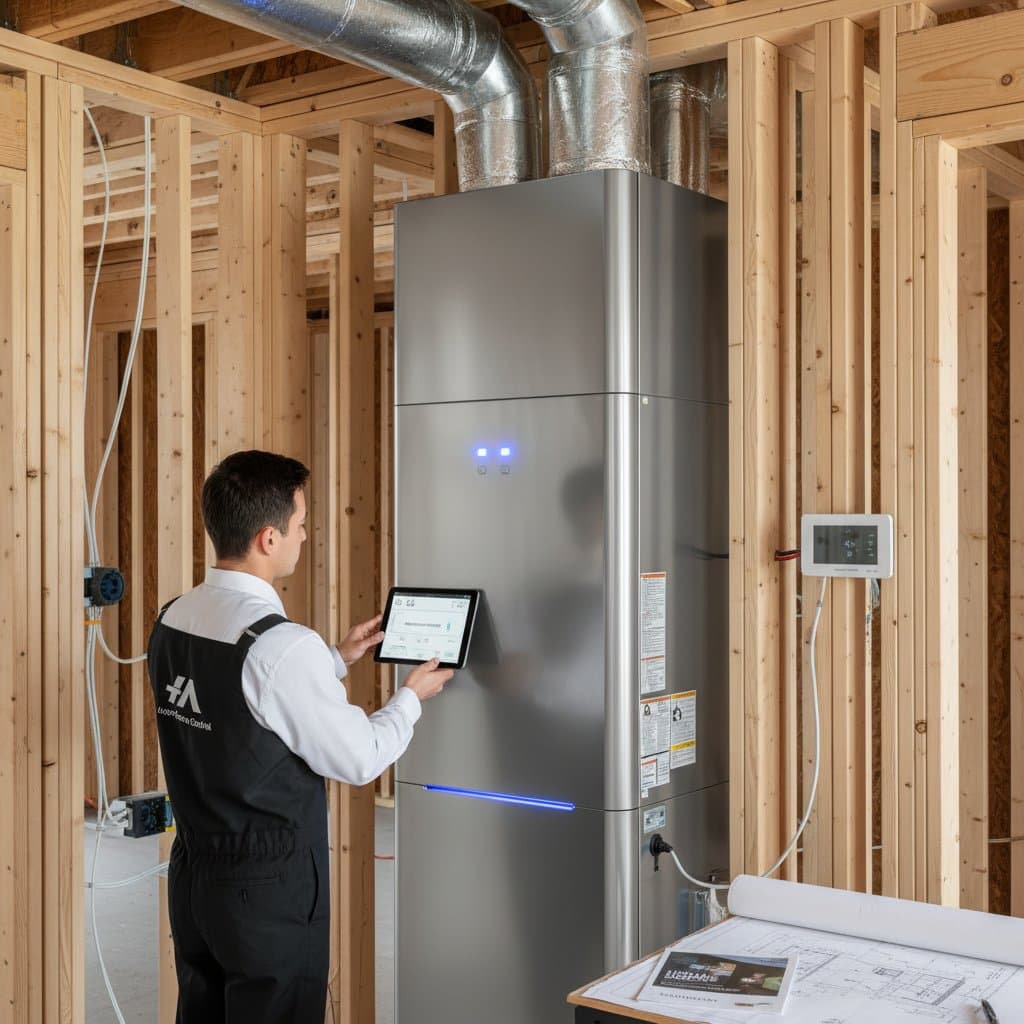
- Installation complexity: Configurations involving multiple zones or challenging placements, like attics, demand extended labor and specialized wiring, raising fees accordingly.
- Brand selection and warranty coverage: Established manufacturers provide extended warranties and cutting-edge features, justifying premium pricing for long-term reliability.
- Ongoing maintenance requirements: Systems demanding frequent servicing may incur higher annual costs, though proactive care extends operational life and efficiency.
By assessing these factors early, homeowners can align investments with specific environmental challenges and long-term value.
Essential Maintenance Practices for Optimal Performance
Consistent upkeep preserves the effectiveness of moisture-control HVAC systems in humidity regulation. Follow these guidelines to ensure reliable operation and minimize mold threats.
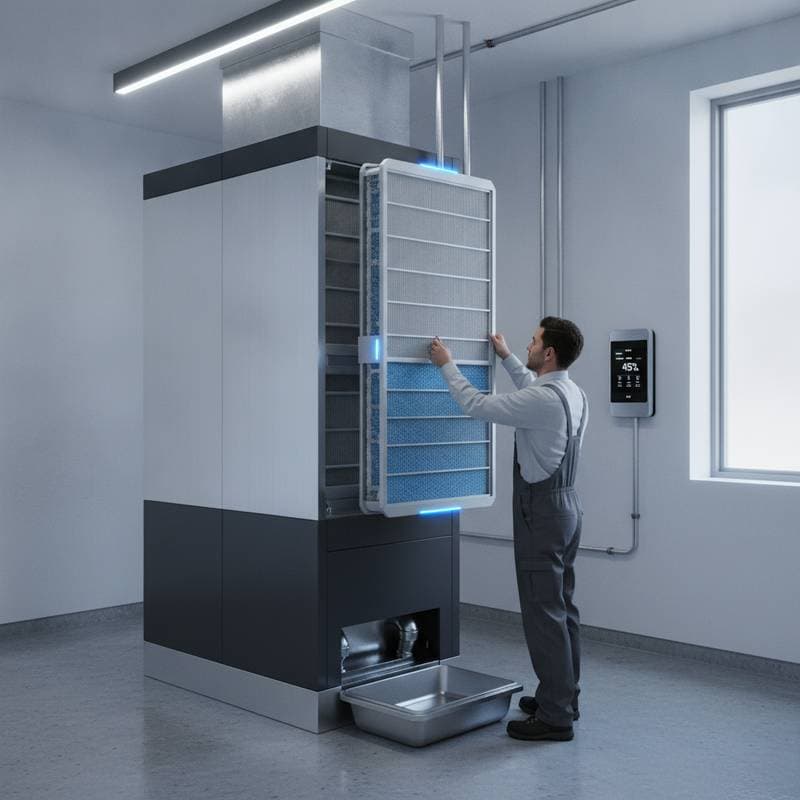
- Replace air filters every one to three months to maintain airflow and filtration efficiency.
- Clean condensate drain lines regularly to avoid blockages that lead to water accumulation.
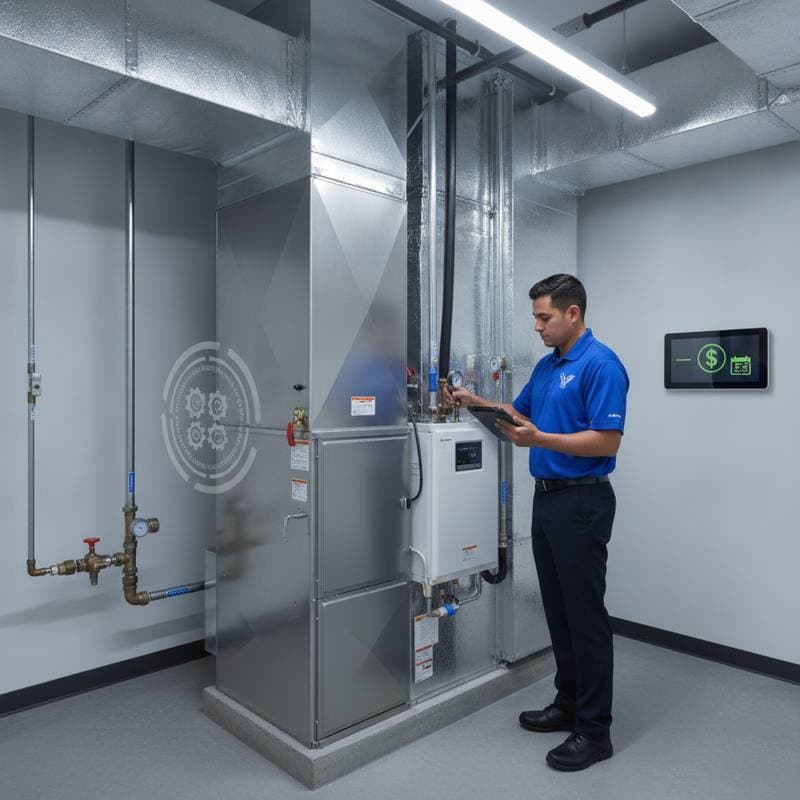
- Arrange annual professional inspections for sensor calibration and overall system tuning.
- Ensure supply and return vents remain unobstructed by furniture, curtains, or other items.
- Use a digital hygrometer to track indoor humidity levels and detect deviations promptly.
- Examine attic and crawl spaces periodically for signs of condensation or plumbing leaks.
- Clear debris and vegetation from outdoor compressor units to support unrestricted operation.
These routines stabilize humidity, enhance system longevity, and avert expensive mold removal efforts in the future.
Strategies to Reduce Installation Expenses
Smart planning allows homeowners to acquire moisture-control HVAC systems without exceeding budgets. Implement these approaches to optimize value.
- Opt for installation during off-peak seasons, such as fall or winter, when contractor availability reduces rates.
- Seek utility company rebates for ENERGY STAR-certified or high-efficiency models, which can offset 10 to 30 percent of costs.
- Combine installation with complementary services, including duct sealing and insulation enhancements, for discounted bundled pricing.
- Obtain quotes from at least three local HVAC specialists to identify competitive offers and negotiate terms.
- Integrate smart controls that adjust operations based on real-time humidity data, thereby conserving energy.
- Commit to regular maintenance schedules to prevent breakdowns and extend warranty validity.
- Inquire about flexible financing plans that distribute payments across 12 to 60 months with low interest.
Such tactics preserve system integrity and mold prevention capabilities while aligning with financial priorities.
Frequently Asked Questions
How much does a moisture-control HVAC system cost?
Complete systems for most homes range from $5,000 to $12,000, varying by size and features. Retrofit options typically cost $2,500 to $6,500 for targeted humidity upgrades.
Does a standard HVAC system control humidity?
Standard HVAC primarily focuses on temperature regulation with limited humidity management. Moisture-control variants incorporate dedicated sensors and dehumidifiers for comprehensive control.
How often should I service my system?
Professionals recommend annual servicing, which encompasses coil cleaning, drain inspections, sensor calibration, and humidity verification to sustain peak performance.
Can I retrofit my current HVAC for moisture control?
Retrofitting proves feasible through add-on dehumidifiers and sensor integrations. Quality upgrades generally range from $2,500 to $6,500, depending on existing infrastructure.
What humidity level prevents mold growth?
Maintaining indoor relative humidity at 30 to 50 percent effectively suppresses mold development by depriving spores of necessary moisture.
Will smart thermostats help manage moisture?
Smart thermostats enhance moisture management by syncing with humidity sensors to automate adjustments, ensuring consistent levels without manual intervention.
Do these systems increase energy use?
Advanced moisture-control systems often decrease overall energy consumption through efficient components like variable-speed fans, potentially lowering bills by 15 to 25 percent compared to standard units.
How long does installation take?
Installation durations vary from one to three days, influenced by system complexity, home layout, and whether retrofitting or full replacement occurs.
Steps Toward Superior Indoor Air Quality
Investing in a moisture-control HVAC system positions your home against mold challenges while elevating comfort and health standards. Begin by scheduling a professional assessment to identify tailored solutions. These upgrades not only safeguard your living space but also promote sustainable energy practices for enduring benefits.