The 2026 HVAC Breakthrough Against Home Mold Growth
$4,000 to $8,500 for a whole-home HVAC mold prevention system
$1,200 to $3,000 for a humidity control upgrade
$300 to $700 for annual maintenance
Homeowners face persistent challenges from mold growth due to excess indoor humidity and inadequate ventilation. Recent HVAC innovations address these issues through smart humidity control, advanced filtration, and ongoing air monitoring. These technologies maintain optimal moisture levels, enhance air circulation, and halt mold development at its source.
Understanding the Mold Problem
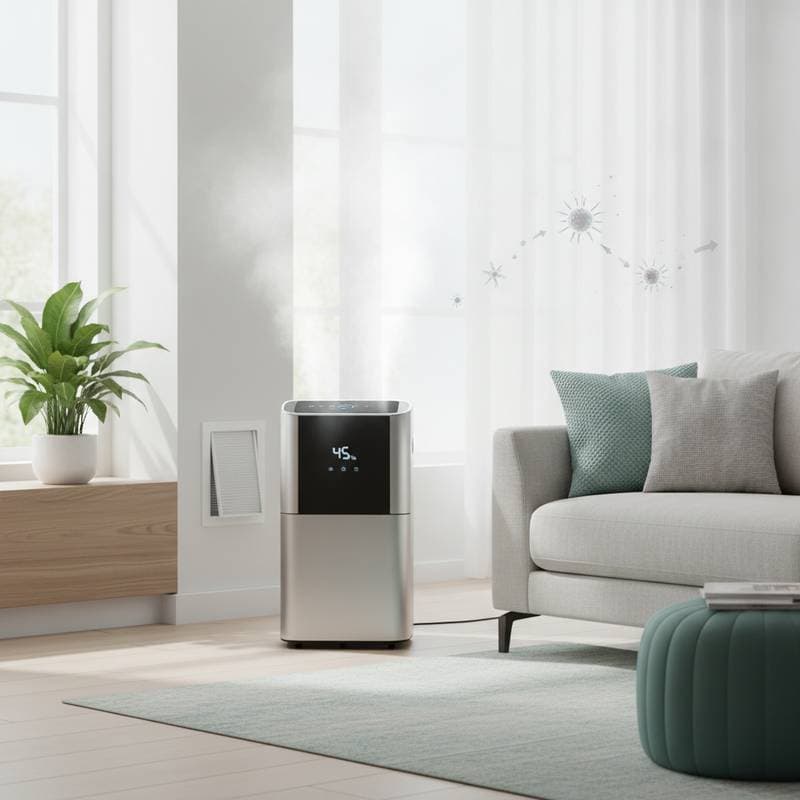
Mold flourishes in environments with damp, stagnant air and humidity exceeding 60 percent. Conventional HVAC systems frequently overlook uneven moisture distribution across different rooms. Advanced HVAC solutions prioritize proactive moisture regulation by dynamically modifying airflow and dehumidification to sustain healthy conditions throughout the entire home.
Key Features of Modern HVAC Mold Prevention Systems
| Feature | Function | Average Cost |
|---|---|---|
| Smart humidity sensors | Monitors and adjusts indoor moisture levels in real time | $400 to $800 |
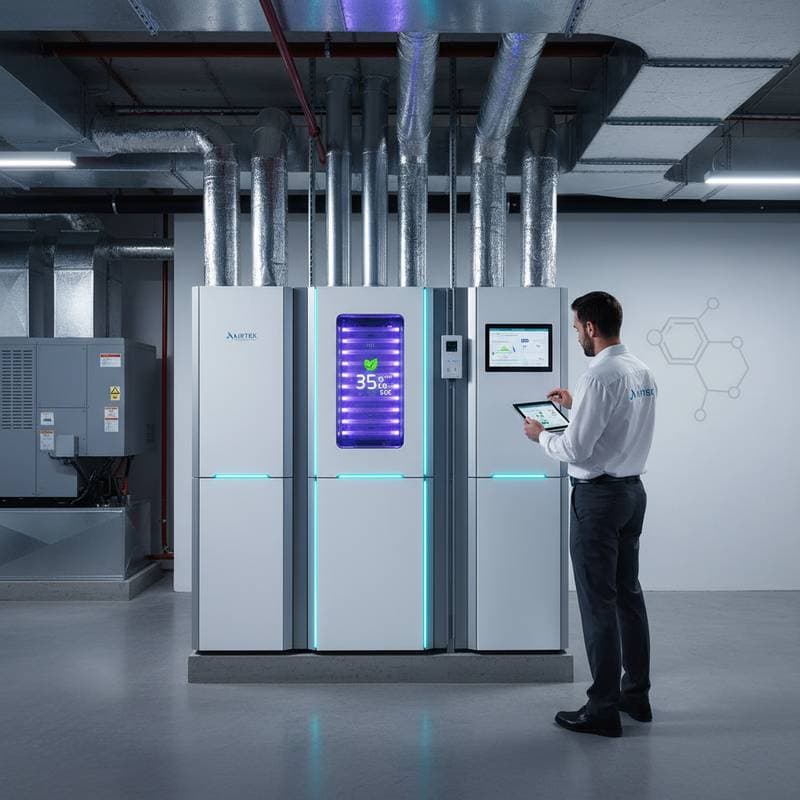
| UV-C light integration | Neutralizes mold spores and bacteria within air handlers | $500 to $1,000 |
| Variable-speed fans | Enhances airflow to minimize condensation buildup | $1,000 to $2,500 |
| Whole-home dehumidification | Ensures consistent humidity balance across all living zones | $2,000 to $4,000 |
| Air quality monitoring systems | Tracks humidity, temperature, and airborne spore levels | $800 to $1,200 |
These components collaborate to foster an ideal indoor climate. They safeguard air quality while protecting structural elements such as furniture, drywall, and insulation from water damage.
National Average Costs for HVAC Mold Prevention Upgrades
| Metric | Amount |
|---|---|
| National average cost | $6,200 |
| Minimum cost | $1,000 |
| Maximum cost | $10,000 |
| Average cost range | $4,000 to $8,500 |
Cost data derives from industry research and reported project expenses.
How Advanced Technology Manages Humidity
Smart humidity management forms the foundation of these innovations. Interconnected sensors positioned strategically around the home relay data to a central controller. This unit fine-tunes fan speeds, compressor performance, and dehumidifier functions to eliminate moisture hotspots in areas like basements, bathrooms, and kitchens.
Certain models connect with smart thermostats that provide real-time humidity displays. Homeowners access this information via mobile applications and receive notifications when conditions risk mold proliferation. Integration with ultraviolet purification and HEPA filtration completes a comprehensive defense against mold.
Factors Influencing Costs of Mold Prevention HVAC Systems
Installation and upgrade expenses vary based on several elements:
- Home size: Expansive properties demand additional sensors and robust equipment, elevating overall expenses.
- System type: Centralized setups cost more than standalone dehumidifiers yet deliver comprehensive protection.
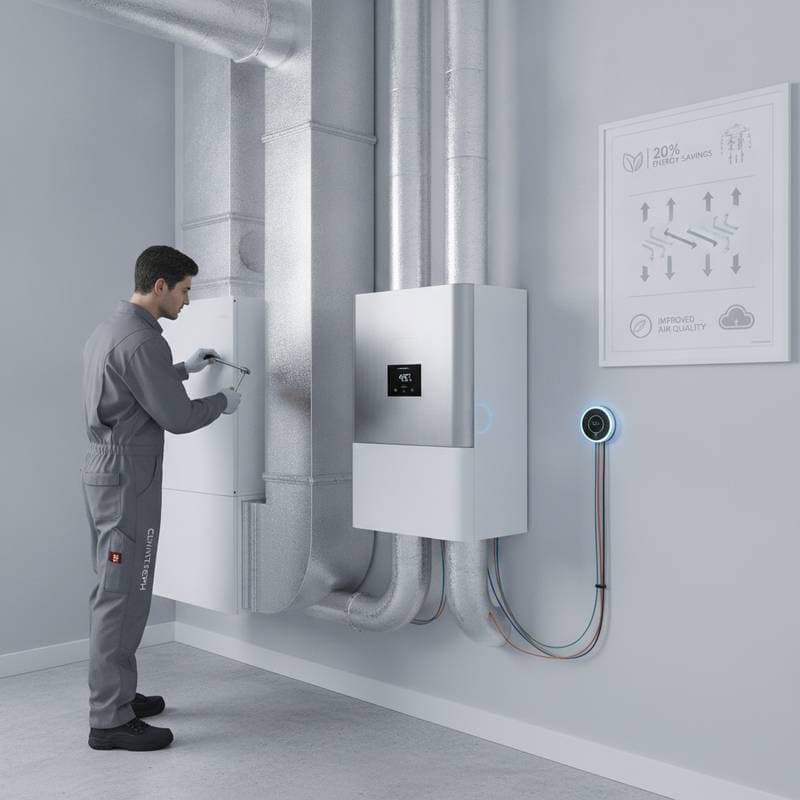
- Existing equipment: Adapting legacy HVAC units often involves extra duct modifications or electrical enhancements.
- Efficiency rating: Units with variable-speed features carry higher initial prices but reduce long-term energy consumption.
- Air quality enhancements: Additions like UV-C lamps, HEPA filters, and monitoring devices increase the investment.
- Labor rates: Costs fluctuate by region, influenced by local demand and specialist qualifications.
- Maintenance plans: Yearly contracts contribute to expenses while supporting sustained system reliability.
Additional Expenses to Budget For
Homeowners must account for ancillary costs to support the primary installation:
| Related Item | Typical Cost |
|---|---|
| Mold inspection and testing | $250 to $600 |
| Duct cleaning | $400 to $1,000 |
| Permit or inspection fees | $100 to $300 |
| Old system removal | $200 to $500 |
| Air sealing or insulation upgrades | $500 to $2,000 |
Incorporating these measures optimizes system performance and averts future moisture complications.
Essential Maintenance for Mold-Resistant HVAC Systems
Reliable operation requires diligent upkeep:
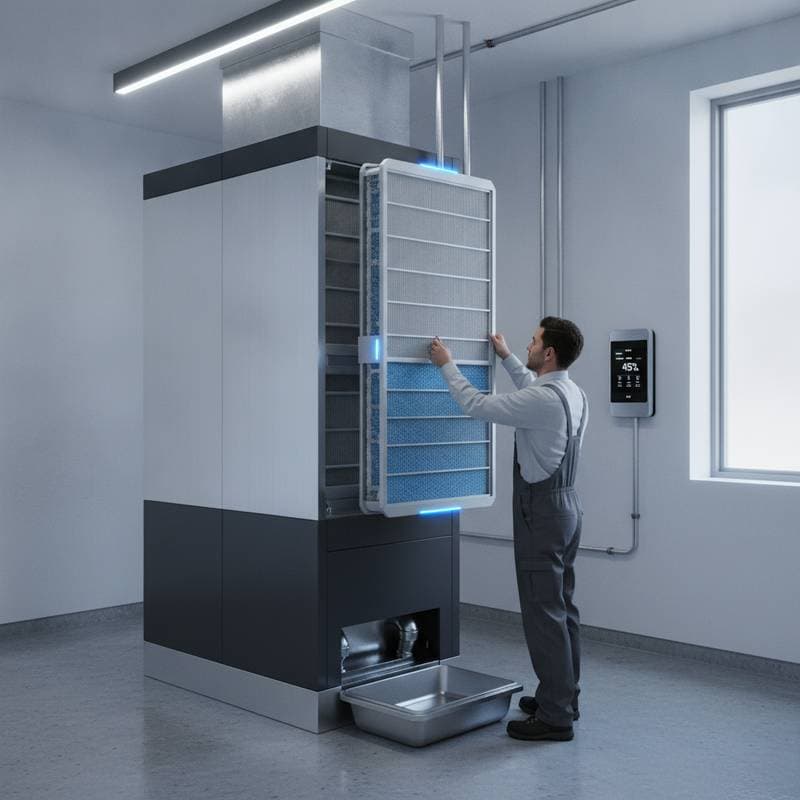
- Clean or replace air filters every one to three months.
- Arrange professional inspections biannually.
- Clear debris from outdoor condenser units.
- Regularly inspect and clean condensate drain lines to prevent clogs.
- Examine UV lights and replace bulbs according to manufacturer guidelines.
- Confirm sensor accuracy and adjust humidity settings as needed.
Routine care not only inhibits mold but also prolongs equipment durability and sustains energy savings.
Deciding Between Repairs and Replacements
Persistent mold or moisture problems prompt evaluations of repair versus replacement options. If repair costs surpass 40 percent of a new system's price, replacement yields superior outcomes. Aging units without contemporary humidity or filtration capabilities often fail to uphold safe air standards. Opting for a mold-focused replacement ensures precise control, reduced noise, and diminished energy demands over time.
Strategies to Lower Costs on HVAC Mold Prevention
Homeowners can minimize expenses and enhance returns with strategic approaches:
- Time installations for off-season periods to secure promotional pricing.
- Explore rebates from manufacturers and incentives from utilities for efficient models.
- Combine HVAC work with services like duct cleaning or insulation retrofits.
- Obtain quotes from a minimum of three certified professionals.
- Select appropriately sized systems to prevent inefficient operation.
- Commit to scheduled maintenance to avoid expensive mold remediation down the line.
These tactics render cutting-edge mold prevention accessible to more households.
Frequently Asked Questions on HVAC Mold Prevention Systems
How much does it cost to integrate humidity control into an existing HVAC system?
Integrated humidity control additions range from $1,200 to $3,000, varying by system capacity and sensor complexity.
Does UV light effectively prevent mold inside ductwork?
Yes, UV-C light damages the DNA of mold spores, inhibiting reproduction and dissemination within ducts.
Steps to Secure Your Home from Mold Risks
Implementing these HVAC advancements equips homeowners with tools to maintain pristine indoor air. Professional consultation ensures tailored solutions that align with specific property needs. This investment promotes lasting health benefits and structural integrity for years ahead.