Why Humidity Control Leads HVAC Innovations
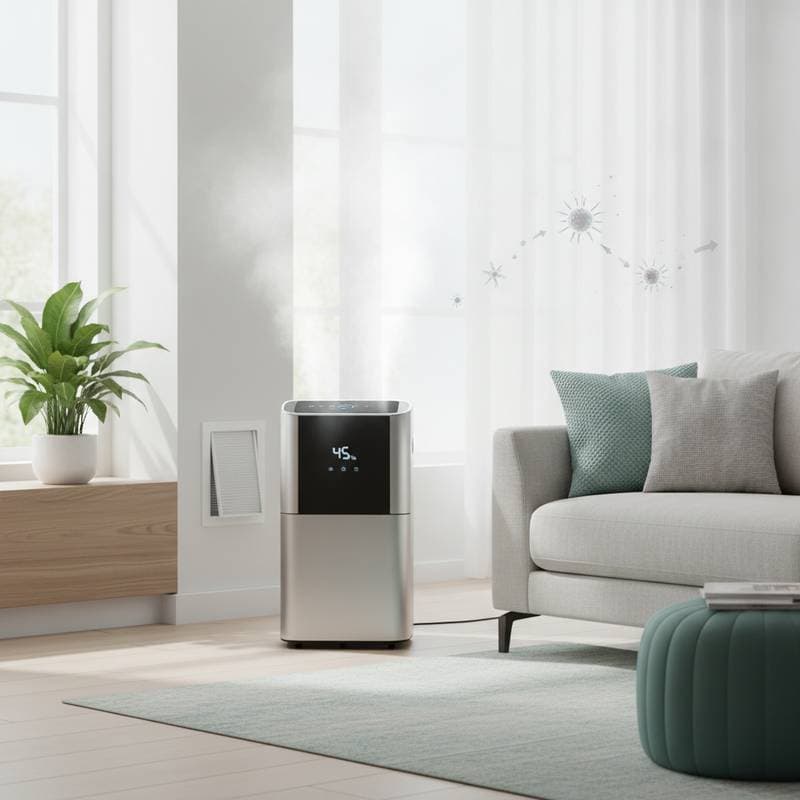
As an HVAC professional, I have observed numerous homeowners facing discomfort from sticky indoor air that elevates perceived warmth or excessively dry conditions that damage wooden furniture and irritate respiratory passages. These problems frequently stem from an unseen element: humidity. Residents in coastal areas contend with persistent moisture on surfaces, while those in arid interiors experience frequent static electricity. Effective humidity control delivers genuine comfort regardless of location.
Consider a scenario where the air conditioner operates continuously, yet the atmosphere remains heavy and damp. Alternatively, the furnace cycles repeatedly, but the throat feels irritated and skin becomes taut. In each instance, moisture imbalance, rather than temperature alone, serves as the primary cause. With increasing attention to indoor air quality, humidity management has become a pivotal aspect of HVAC evolution.
The Increasing Demand for Intelligent Humidity Management
Through extensive field experience, I recognize that temperature represents only part of the comfort formula. Moisture regulation constitutes the remaining component. Humidity levels exceeding 60 percent foster mold, mildew, and dust mite proliferation. Levels below 30 percent lead to dehydrated mucous membranes, structural damage to hardwood flooring, and compromised immune function.
Homes in regions with pronounced seasonal shifts often fluctuate between these extremes. Conventional HVAC setups prioritize heating and cooling while neglecting moisture equilibrium. Advancements in technology prompt manufacturers and installers to emphasize comprehensive humidity solutions. The sector for whole-home dehumidification and control systems grows swiftly, influenced by elevated efficiency requirements, enhanced building envelopes, and heightened focus on indoor environmental health.
Reasons Humidity Control Dominates HVAC Advancements
Humidity management ascends as a primary HVAC innovation for multiple compelling factors.
- Energy Savings: Proper moisture balance enhances comfort at adjusted temperature settings. Homeowners can raise the summer thermostat by several degrees or lower it in winter without sacrifice, potentially reducing consumption by up to 10 percent.
- Improved Air Quality: Optimal humidity diminishes allergens and microbial contaminants, yielding a purer indoor space.
- Extended Equipment Durability: Surplus moisture burdens air conditioning units, whereas extreme dryness hastens furnace degradation. Balanced control prolongs overall system lifespan.
- Seamless Smart Home Compatibility: Contemporary systems integrate with intelligent thermostats, sensors, and automation ecosystems, enabling remote monitoring and precise adjustments via mobile devices.
These benefits position humidity control at the forefront of HVAC progress. Beyond mere comfort, it promotes fiscal efficiency, wellness, and integrated living.
Professional Approaches to Superior Humidity Regulation
Whole-Home Dehumidification Units
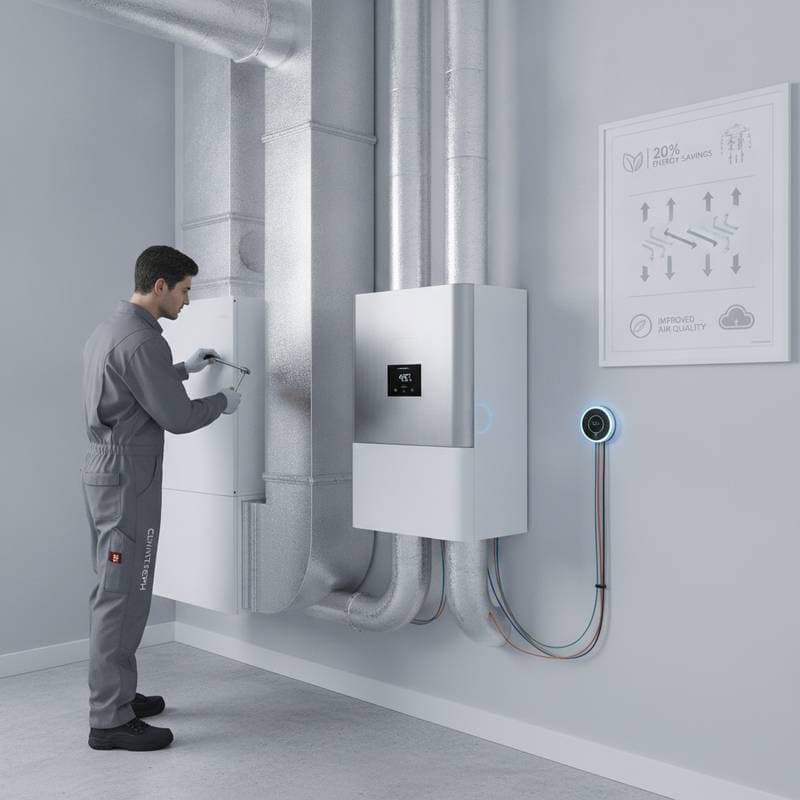
These units integrate into HVAC ducting, drawing in humid air, removing excess vapor, and circulating treated air house-wide. Unlike standalone room devices, they ensure uniform moisture levels throughout the structure.
Principal Advantages:
- Minimized risk of mold and mildew development
- Decreased utility costs through optimized cooling performance
- Elimination of persistent damp smells in lower levels and subfloors
- Sustained comfort during humid periods
I advise installation of a whole-home dehumidifier when indoor humidity surpasses 55 percent consistently or condensation appears on windows and walls in warmer seasons. Installation costs range from $1,800 to $3,500, with immediate gains in habitability and property preservation.
Built-In Humidifiers for Arid Periods
In heating seasons, indoor air often reaches arid extremes. Duct-integrated humidifiers introduce measured moisture, targeting 35 to 45 percent relative humidity.
Core Benefits:
- Alleviated static buildup and skin dryness
- Safeguarding of wooden elements, musical instruments, and furnishings
- Enhanced ease for breathing and sinus health
Pricing for these additions falls between $600 and $1,200, compatible with current HVAC configurations. Advanced versions feature embedded sensors for automatic modulation based on live measurements.
Intelligent Thermostats Equipped with Humidity Detection
Current smart thermostats extend beyond thermal control to humidity oversight. They modulate heating and cooling operations to sustain optimal levels and often link with auxiliary humidification or dehumidification equipment for holistic regulation.
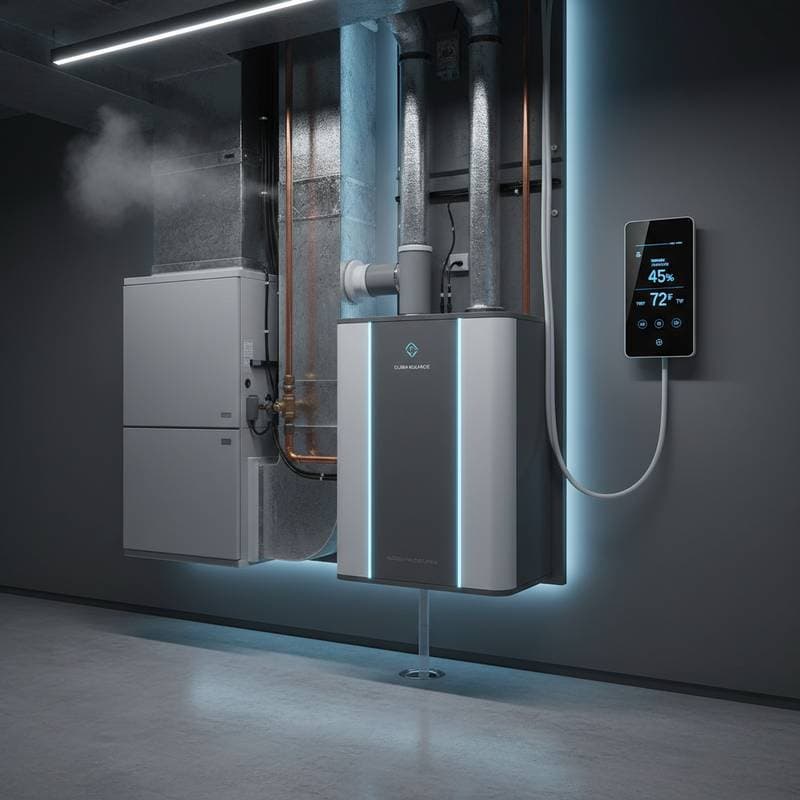
Illustration: Establish a 45 percent humidity threshold. Upon elevation, the device engages dehumidification or refines air conditioning cycles to draw out moisture. Such automation eliminates manual oversight, fostering unwavering environmental stability.
Zoned HVAC Configurations with Dedicated Moisture Handling
In expansive or multi-story residences, humidity varies across zones due to factors like elevation or usage patterns. Basements retain dampness, while attics desiccate rapidly. Zoned systems with localized controls permit tailored moisture adjustment per area.
Key Gains:
- Personalized comfort across spaces
- Diminished energy expenditure
- Elevated air purity in vulnerable sections
Field observations confirm that zoned implementations significantly elevate quality of life, particularly in legacy structures with inconsistent insulation.
Detecting Indicators of Humidity Imbalance
Determine if humidity control suits your residence by examining everyday sensations and observations.
Observe These Indicators:
- Fogging or moisture accumulation on windowpanes
- Persistent musty scents, notably in lower areas
- Peeling paint or loosening wallpaper
- Intensified allergy responses within the home
- Creaking or gapping in wooden flooring
- Clammy sensations despite active cooling
- Heightened static discharge in winter
Presence of multiple signs warrants a humidity evaluation. Engage a certified HVAC specialist to quantify relative humidity and propose precise interventions.
Essential Factors for Humidity System Enhancements
Proper Sizing and System Harmony
An ill-sized unit compromises performance. Require a technician to conduct a detailed load assessment, incorporating home size, insulation efficacy, and local weather patterns.
Investment and Return Analysis
Anticipate expenditures from $600 to $3,500 based on scope. Returns manifest via lower energy statements, reduced maintenance needs, and prolonged hardware viability.
Ongoing Upkeep Protocols
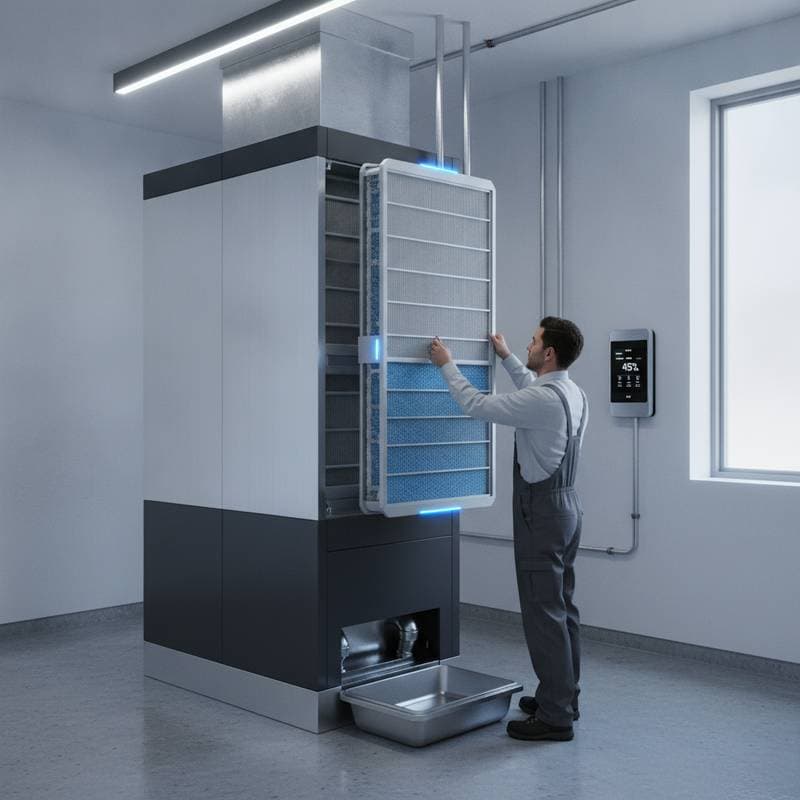
Humidity components demand periodic attention, akin to other HVAC elements. Clean filters and drainage paths biannually. Select models with reusable filters and self-draining mechanisms to streamline maintenance.
Regulatory and Safety Standards
Unmanaged moisture risks mold proliferation if ducts lack adequate sealing. Adhere to municipal codes and producer guidelines during setup. Certified handling is mandatory for refrigerant-involved dehumidifiers.
Connectivity with Existing Networks
For homes with smart thermostats or automation hubs, opt for compatible humidity solutions. This integration guarantees fluid functionality and preempts future mismatches.
Emerging Trends in HVAC Humidity Technology
Future HVAC architectures center on moisture-aware intelligence. Sensors embed within air handlers, evaporator coils, and controls to track internal and external variables, refining airflow and compression for precise humidity maintenance.
Variable-speed compressors enable nuanced vapor extraction without excessive chilling. Complementary energy recovery ventilators facilitate air renewal while conserving moisture equilibrium.
Regulatory pushes for efficiency accelerate these developments. Sealed, insulated homes retain humidity, necessitating intelligent ventilation to avert stagnation and support vitality.
Industry analyst James Carter notes, "The forthcoming HVAC paradigm emphasizes comprehensive wellness. Humidity mastery evolves from elective to essential for optimal comfort and purity."
This perspective aligns with daily professional realities.
Implementing Effective Humidity Solutions
Commence enhancement with a specialist humidity audit, often bundled in routine servicing. Technicians gauge levels, assess duct conditions, and identify concealed moisture origins.
Guided Implementation Steps:
- Assess Existing Conditions: Document zones prone to excess dampness or aridity.
- Arrange Expert Review: Request precise measurements and tailored advice.
- Choose Appropriate Technology: Decide on dehumidification, humidification, or integrated controls per requirements.
- Oversee Certified Setup: Employ licensed experts versed in regulations and comprehensive installations.
- Commit to Routine Checks: Service filters, drains, and detectors periodically.
I suggest collaborating with qualified local experts via American Air HVAC. Our vetted network delivers dependable expertise. From full dehumidification deployment to sensor additions, we facilitate connections to suitable professionals.
Optimal humidity elevates the home to a refuge against climatic variances. Residents experience improved respiration, restful sleep, and reliable comfort across seasons. Success hinges on harmonizing temperature and moisture dynamics.
Frequently Asked Questions
Q: How can I determine if my home’s humidity is too high or too low?
A: Employ a digital hygrometer for relative humidity measurement. Values over 60 percent indicate excess moisture, while under 30 percent signals dryness. Optimal range resides between 40 and 50 percent.