Why Humidity Control Leads HVAC Upgrades in 2026
As an HVAC professional, I have observed numerous homeowners prioritize upgrades to air conditioners or furnaces while neglecting a critical element of comfort: humidity levels. Consider entering your home on a humid summer day, where the air feels heavy and uncomfortable even with the thermostat set low. Alternatively, envision a dry winter day marked by persistent static electricity and irritated airways. These issues often stem from unbalanced indoor humidity.
Experience from years in the industry confirms that managing indoor moisture proves as essential as regulating temperature. Homeowners across various regions recognize humidity control as the key to achieving optimal indoor environments that promote efficiency and well-being. Consequently, advanced humidity systems rank highly on lists of recommended HVAC enhancements, particularly as demands for sustainable and comfortable living spaces increase.
Transforming HVAC into a Comprehensive Comfort Solution
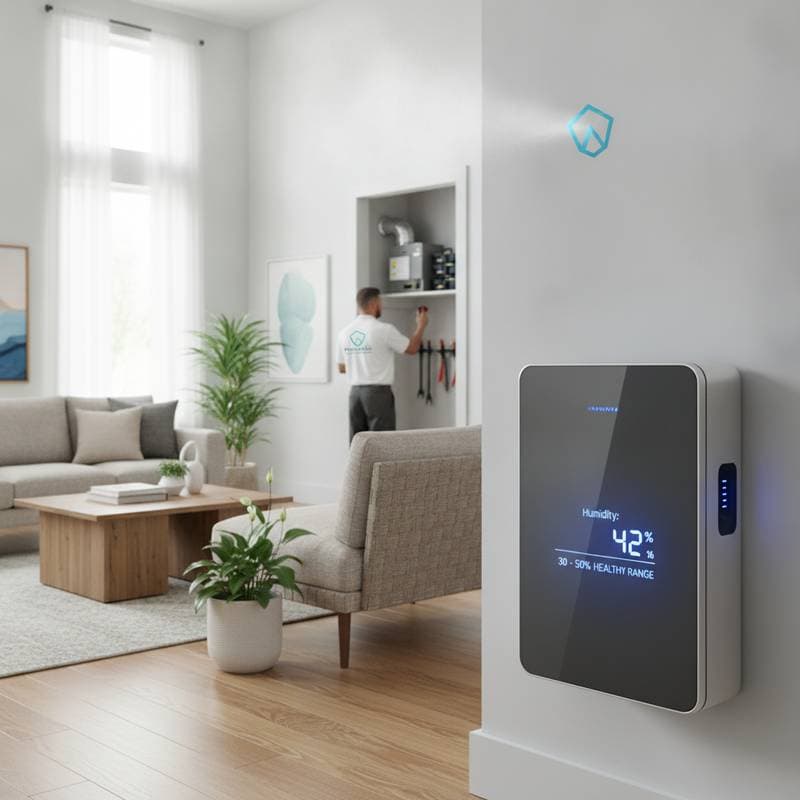
Contemporary homeowners regard HVAC systems as integrated platforms for overall comfort, extending beyond mere heating and cooling functions. Incorporating humidity control elevates a basic system into a balanced ecosystem that maintains stable temperature and moisture throughout the home.
Installing a whole-home dehumidifier or humidifier delivers uniform air quality, making every area feel refreshed and inviting. This addition also prolongs equipment durability by alleviating the extra workload caused by moisture imbalances. From an expert perspective, humidity control serves as the essential refinement that optimizes your indoor climate, conserves energy, preserves structural elements, and fosters a salubrious atmosphere.
Detailed Overview of Superior Humidity Control Solutions
Whole-Home Dehumidifiers
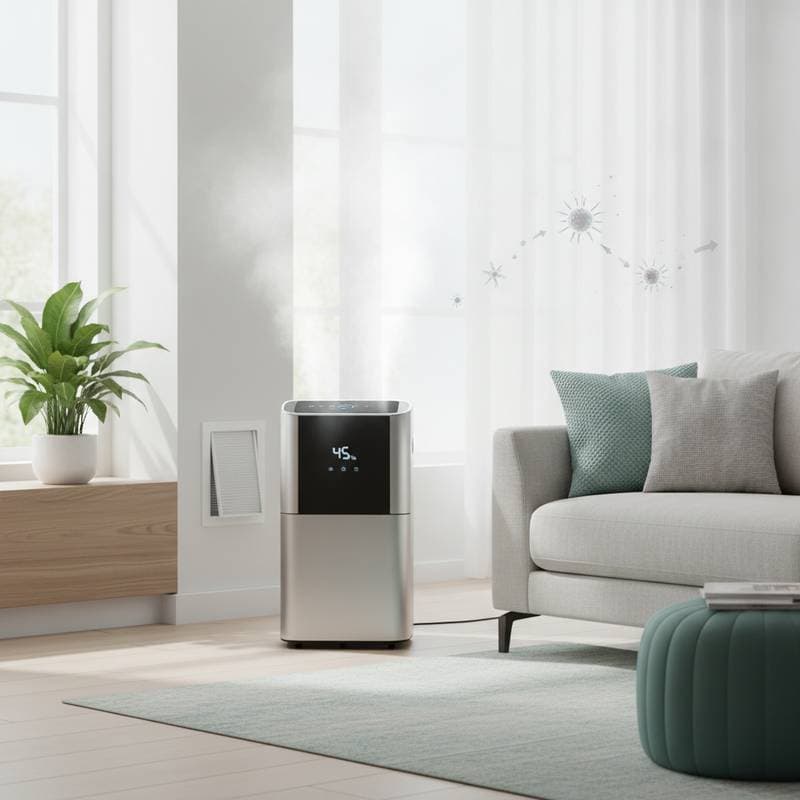
These units connect seamlessly to existing HVAC ductwork, extracting excess moisture from the air to ensure even distribution throughout the residence. In contrast to standalone portable devices, they operate continuously and adjust automatically to maintain ideal conditions.
Key advantages encompass:
- Uniform comfort in every room without hot spots or damp areas
- Decreased energy expenses relative to overworking air conditioning units
- Minimized potential for mold proliferation in vulnerable areas like basements and attics
Installation expenses typically span $2,000 to $3,500, influenced by the unit's capacity and the home's dimensions.
Whole-Home Humidifiers
Suited for arid regions or heating periods, these devices introduce controlled moisture into the airflow, countering excessively dry conditions.
Primary benefits include:
- Alleviation of symptoms such as chapped skin and respiratory irritation
- Safeguarding of sensitive items including wooden furnishings and delicate instruments
- Elimination of static buildup that affects electronics and daily activities
Costs for installation generally range from $500 to $1,200, varying with the model and integration requirements.
Smart Thermostats Equipped with Humidity Sensors
Combining humidity regulation with intelligent thermostats enables precise, automated management. Certain models activate humidification or dehumidification processes based on real-time data to sustain preferred levels.
Notable features comprise:
- Optimized energy use via dynamic adjustments to environmental changes
- Convenient remote access through mobile applications
- Valuable analytics for customizing personal comfort settings over time
Key Factors to Evaluate Prior to Upgrading
Investment and Return on Investment
Humidity control installations frequently recoup costs within three to five years via diminished energy demands and fewer maintenance needs. Pairing these systems with smart thermostats yields an extra 10 percent reduction in yearly utility bills for many residents.
Safety Protocols and Regulatory Adherence
Verify that all setups comply with local construction standards and adhere to producer specifications. Improper handling of refrigerants or wiring poses significant risks; professional intervention remains imperative. Upon detecting mold or moisture damage, engage a certified technician promptly to avoid health hazards.
Installation Duration and Minimal Disruption
Procedures usually require one to two days, contingent on the system's intricacy. Professionals often schedule integrations alongside routine HVAC servicing or full replacements to limit interruptions to daily routines.
Available Energy Incentives
Certain utilities provide financial rebates for efficiency-boosting humidity controls. Review regional programs or consult your HVAC provider to identify applicable savings opportunities.
Steps to Implement Your Upgrade
If persistent discomfort arises despite thermostat tweaks, unbalanced humidity likely contributes. A centralized system ensures equitable moisture levels across all spaces, safeguards your property, and promotes cleaner air circulation.
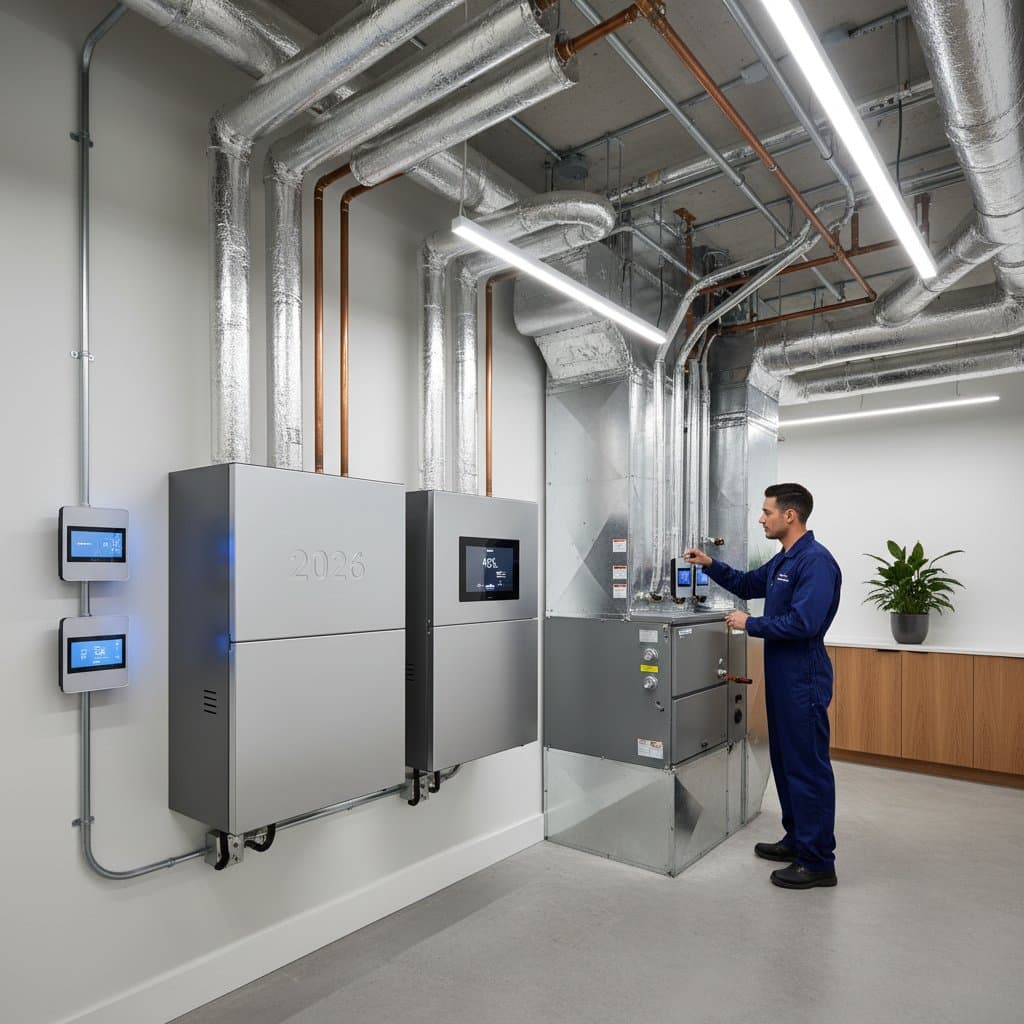
Prior to selection, request an assessment from a qualified HVAC specialist to review insulation quality, duct configuration, and airflow patterns. Experts advise partnering with certified installers familiar with local weather patterns for accurate sizing and seamless execution. Through americanairhvac.net, access reputable professionals offering tailored consultations and competitive estimates without commitment.
Implementing humidity control transcends mere enhancement; it represents a strategic commitment to your home's longevity, operational efficiency, and resident wellness. Success depends on thorough environmental analysis, appropriate technology selection, and diligent ongoing maintenance.
Frequently Asked Questions
Q: How can I determine if my home requires a dehumidifier or humidifier?
A: Signs of excess moisture include sticky sensations, musty odors, or condensation on surfaces, indicating a need for dehumidification. Indicators of insufficient humidity encompass frequent static, dry skin, or material warping, suggesting humidification benefits.
Q: What maintenance schedule applies to whole-home dehumidifiers?
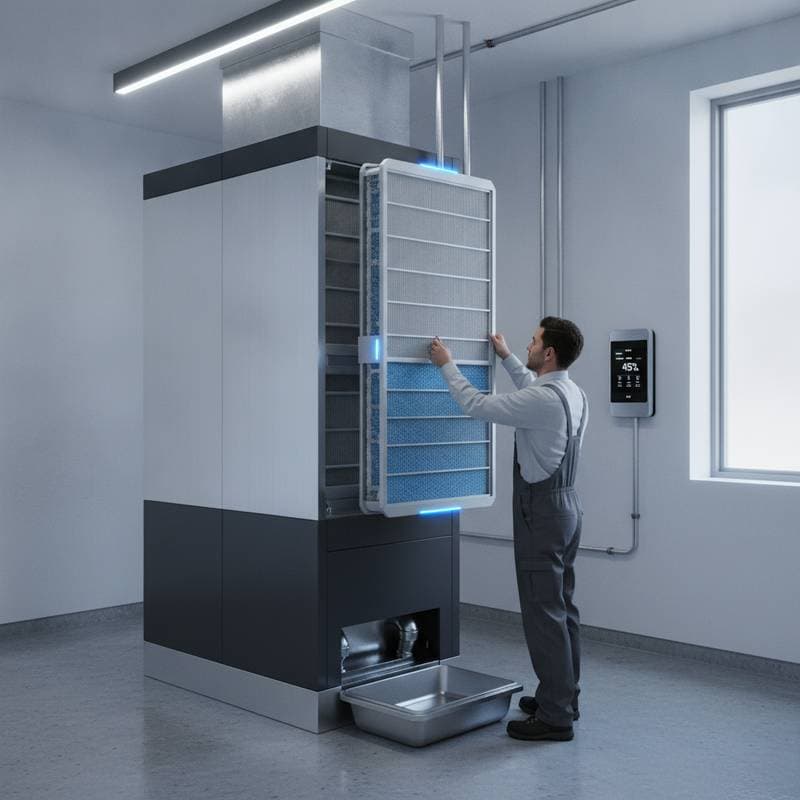
A: Replace filters every three to six months and schedule professional inspections annually. Technicians address coil cleaning, drain line clearance, and sensor calibration to sustain optimal functionality.
Q: Does a portable humidifier suffice as an alternative to a whole-home system?
A: Portable options provide localized relief but fail to achieve home-wide consistency. Integrated systems leverage ductwork for comprehensive humidity regulation in all areas.
Q: What constitutes the optimal indoor humidity range for health and comfort?
A: Target 40 to 50 percent relative humidity throughout the year. This level inhibits microbial growth, preserves structural integrity, and supports respiratory ease.
Q: What energy savings result from humidity control?
A: Proper moisture balance enhances perceived temperature, shortening HVAC cycles. Residents commonly achieve 10 to 20 percent reductions in annual energy expenditures following system installation.