Why Humidity Control Tops 2026 HVAC Upgrades
Homeowners often face discomfort from sticky indoor air, fogged windows, or persistent clamminess despite running the air conditioner. These issues stem from imbalanced humidity levels that affect comfort, air quality, and system performance. In regions with humid summers or dry winters, effective humidity management emerges as a priority alongside traditional heating and cooling.
Uncontrolled moisture leads to musty smells, damaged wood floors, and static buildup. Addressing this concern protects property value, supports resident health, and prolongs HVAC equipment life. For 2026 upgrades, integrating humidity control delivers comprehensive benefits that extend beyond basic temperature regulation.
Benefits of Proper Humidity Management
Effective humidity control provides layered advantages for daily living and long-term home care. Consider these key outcomes:
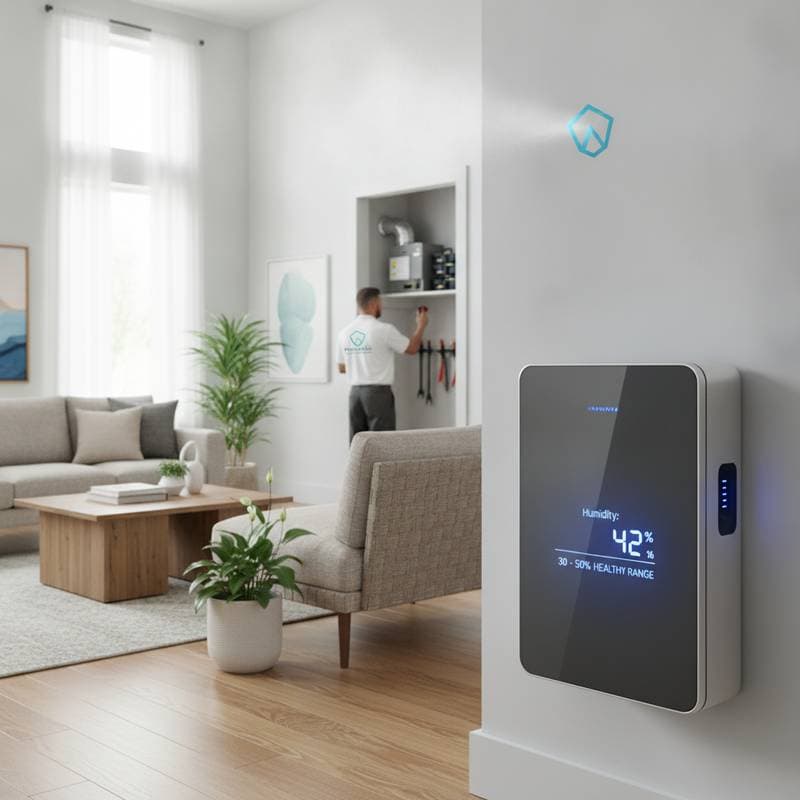
- Superior Comfort Levels: Maintain humidity between 30 and 50 percent to eliminate sticky sensations in summer and dry irritation in winter, ensuring consistent ease for skin and respiration.
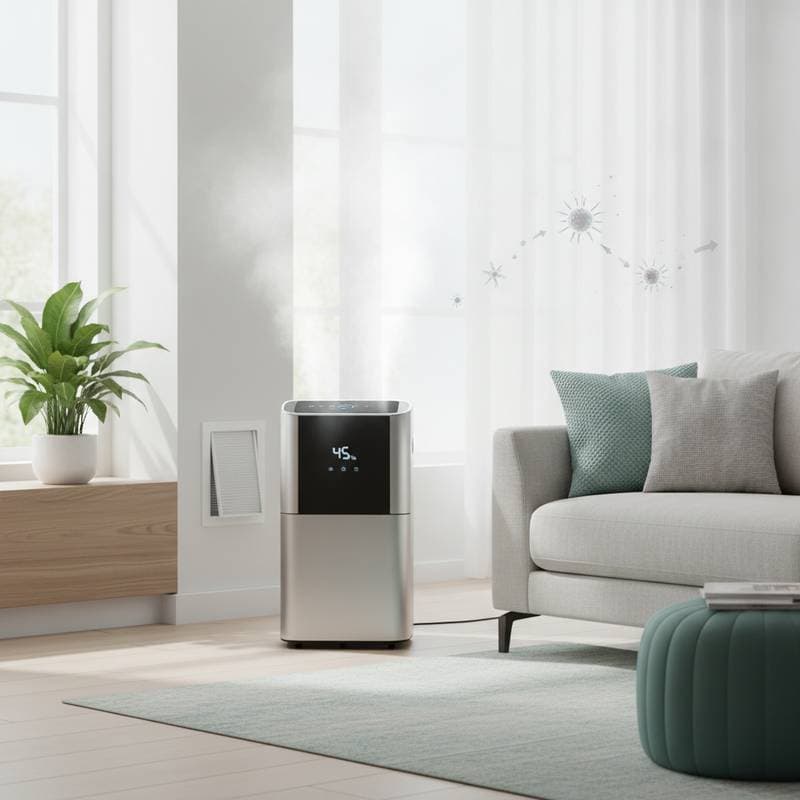
- Elevated Air Quality: Stable moisture inhibits mold, mildew, and dust mite proliferation, reducing common allergens and irritants in the living space.
- Energy Savings: Adjust thermostat settings by three to five degrees without sacrificing comfort, potentially lowering energy consumption by 10 percent through reduced system runtime.
- Extended Equipment Durability: Minimize corrosion on coils and motors by preventing excess moisture buildup, which can extend system life by several years.
- Structural Protection: Safeguard wooden elements, cabinetry, and wall materials from expansion, contraction, or degradation caused by moisture fluctuations.
Experts view humidity management as integral to overall HVAC strategy. Whole-home solutions outperform standalone units by addressing moisture uniformly across the property.
Selecting an Appropriate Humidity Control System
Choosing the correct system requires evaluating home-specific conditions. Follow these steps for informed decision-making:
- Analyze Local Climate Patterns: Prioritize dehumidifiers in humid zones like the Southeast; opt for humidifiers in arid areas such as the Southwest.
- Review Existing HVAC Infrastructure: Pair integrated controls with variable-speed furnaces or air handlers; consider retrofitting single-stage systems for compatibility.
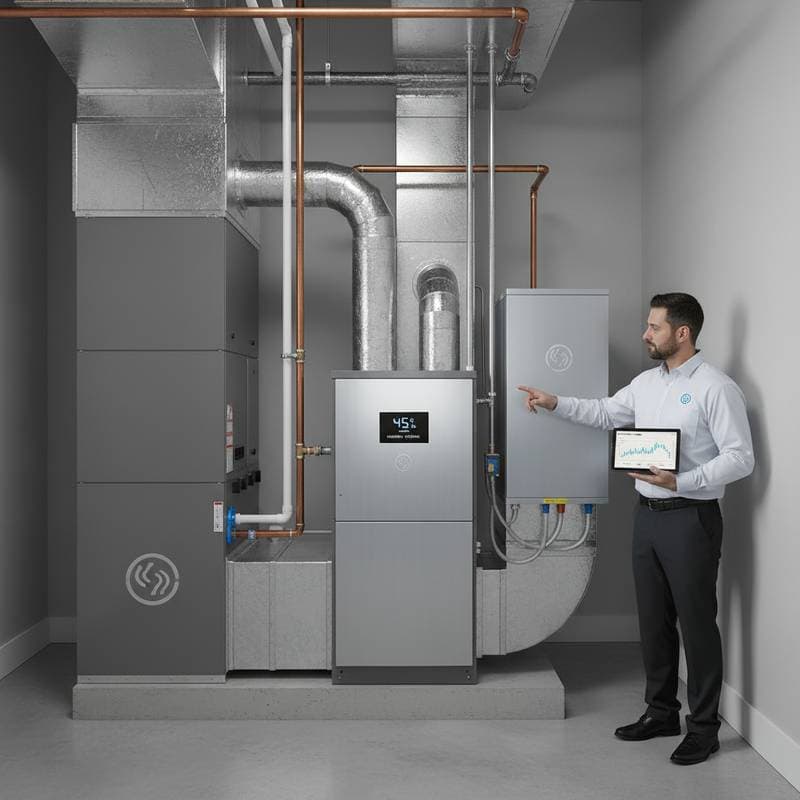
- Monitor Current Humidity Levels: Employ a digital hygrometer to record readings over a week, providing data for precise sizing by a technician.
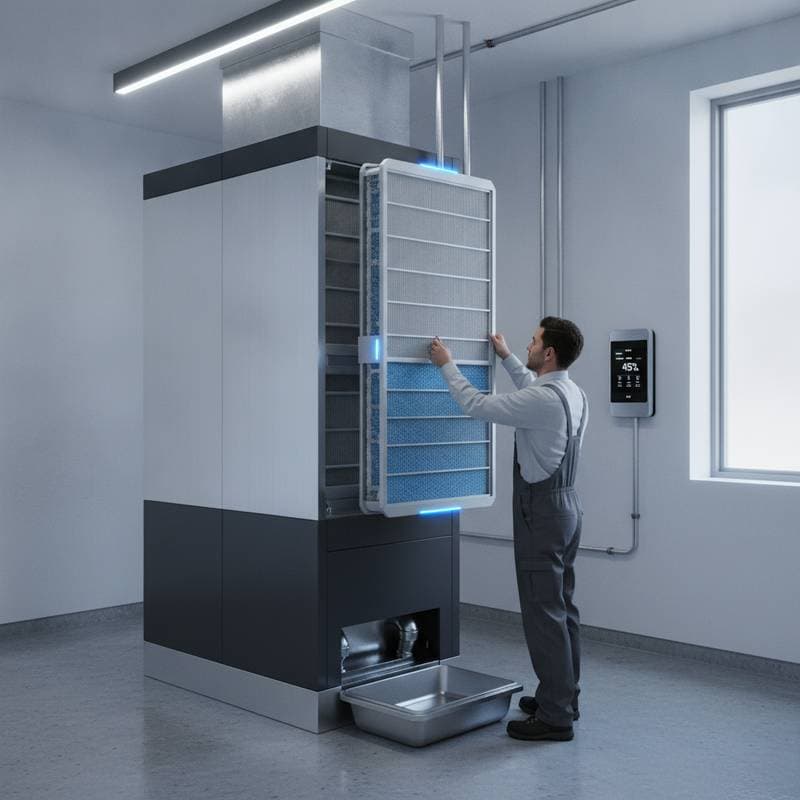
- Opt for Ducted Integration: Select models that link to central air ducts and smart thermostats for automated, even distribution.
- Engage Certified Installation Services: Professionals handle wiring, drainage setup, and airflow calibration to ensure safe, efficient operation.
Technician Mike Torres emphasizes, “Humidity control is not just about comfort, it’s about protecting what you have built. Every homeowner should think of it as insurance for their indoor environment.”
Improving Indoor Air Quality Through Humidity Balance
Stable humidity fosters cleaner air by limiting particle suspension and allergen growth. Levels below 30 percent dry out airways, exacerbating conditions like asthma, while above 60 percent promotes bacterial habitats. Targeting the optimal range creates a healthier atmosphere for all occupants.
Many advanced HVAC setups combine humidity regulation with filtration technologies. High-MERV filters capture fine particles, and UV lights neutralize microbes, while moisture control prevents their resurgence. This holistic approach yields measurable improvements in air freshness and safety.
Steps to Achieve Balanced Indoor Comfort
Upgrading to humidity control enhances daily living while yielding practical returns. Homeowners report fewer allergy episodes, stable energy bills, and reduced maintenance needs after implementation.
Contact certified specialists through americanairhvac.net for a complimentary assessment. Professionals in the network deliver tailored installations of dehumidifiers, humidifiers, and hybrid systems suited to property dimensions, regional weather, and household routines.
True comfort relies on balanced moisture as its core element. Steady, purified air at ideal humidity levels sets a new standard for home environments, delivering enduring satisfaction.
Frequently Asked Questions
What is the ideal indoor humidity range?
The optimal range falls between 30 and 50 percent relative humidity, promoting comfort and health without fostering microbial growth.
How does humidity control save energy?
By allowing modest thermostat adjustments, it reduces the workload on heating and cooling components, leading to lower utility costs over time.
Is professional installation necessary for whole-home systems?
Yes, due to requirements for electrical integration, drainage, and system balancing, which ensure performance and safety.
Can humidity control benefit older homes?
Absolutely; retrofits adapt to existing ductwork, addressing moisture issues common in aging structures like basements or attics.