Why Humidity Control Tops 2026 HVAC Upgrades
Humidity control represents a pivotal advancement in heating, ventilation, and air conditioning systems. As homes evolve toward smarter, more efficient designs, managing indoor moisture levels emerges as essential. This upgrade addresses longstanding challenges in comfort and energy use, positioning it at the forefront of 2026 innovations.
Understanding Humidity in Indoor Environments
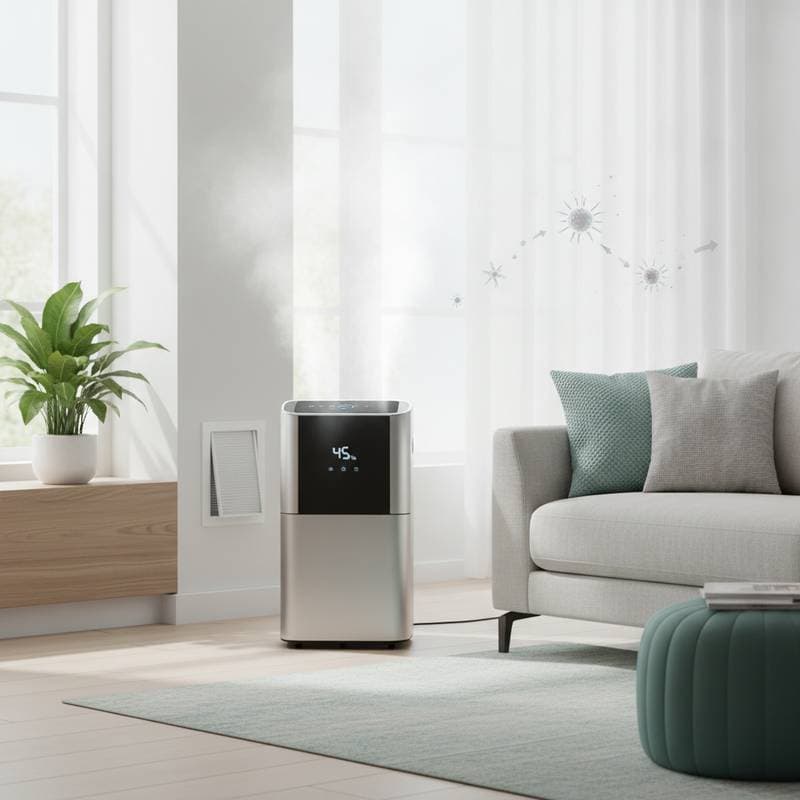
Humidity refers to the amount of water vapor present in the air. Indoor levels typically range from 30 to 50 percent for optimal comfort. When humidity exceeds 60 percent, spaces feel stuffy and promote mold growth; below 30 percent, air becomes dry and irritating to skin and respiratory systems.
HVAC systems traditionally focus on temperature regulation. However, they often overlook moisture balance, leading to inconsistent indoor conditions. Effective humidity control integrates dehumidification and humidification features to maintain ideal levels year-round.
The Rising Importance of Humidity Management
Climate patterns shift, with warmer, wetter summers in many regions. These changes amplify the need for precise moisture control. By 2026, building codes and energy standards will emphasize integrated HVAC solutions that prioritize air quality alongside temperature.
Traditional systems struggle in humid climates, forcing reliance on air conditioning that runs excessively. This approach increases wear on equipment and elevates utility bills. Advanced humidity controls mitigate these issues by targeting moisture directly, enhancing overall system performance.
Key Benefits of Upgrading to Humidity-Controlled HVAC
Enhanced Comfort
Balanced humidity improves how the body perceives temperature. At 70 degrees Fahrenheit with 50 percent humidity, a room feels cooler than the same temperature at 80 percent humidity. This perception allows for higher thermostat settings in summer, reducing the need for constant cooling.
Residents experience fewer discomforts, such as sticky skin or static electricity. Consistent moisture levels also support better sleep and daily productivity. Homeowners report noticeable improvements in overall well-being after implementing these systems.
Energy Efficiency Gains
Humidity control optimizes energy use by preventing overcooling. Systems equipped with dehumidifiers remove excess moisture without lowering temperatures drastically. This strategy can reduce energy consumption by up to 20 percent in humid areas.
Smart sensors adjust operations in real time, avoiding unnecessary cycles. Pairing these with variable-speed compressors further minimizes power draw. Over time, these efficiencies translate to substantial savings on monthly bills.
Protection for Home and Health
Excess moisture fosters mold, mildew, and dust mites, which trigger allergies and respiratory issues. Controlled environments inhibit these allergens, promoting healthier indoor air. Wood furnishings and structures suffer less from warping or rot in balanced conditions.
Advanced filtration integrates with humidity management to capture fine particles. This combination safeguards both occupants and property investments. Long-term, it extends the lifespan of HVAC components by reducing strain from imbalanced loads.
Emerging Technologies for 2026
Smart Dehumidifiers and Sensors
Next-generation HVAC units incorporate IoT-enabled sensors that monitor humidity in multiple zones. These devices connect to home automation platforms, allowing remote adjustments via apps. Predictive algorithms anticipate moisture spikes based on weather data, activating controls preemptively.
Standalone dehumidifiers evolve into compact, energy-efficient models that integrate seamlessly with existing systems. Look for units with Energy Star ratings to ensure low operational costs.
Whole-Home Integration Solutions
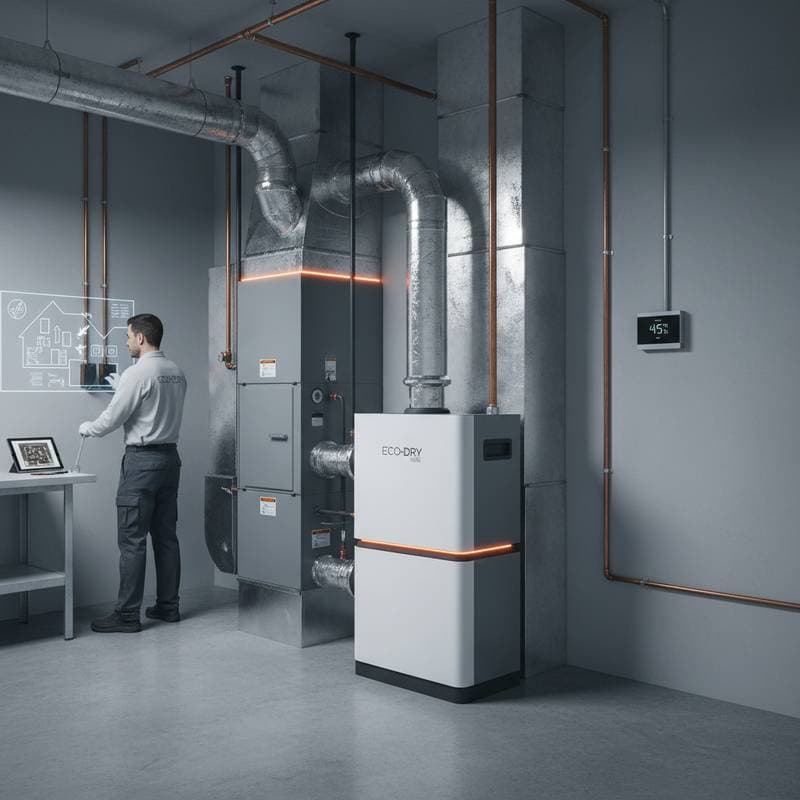
Hybrid systems combine traditional HVAC with dedicated humidity modules. For instance, energy recovery ventilators exchange stale, humid air for fresh, drier outdoor air. These ventilators maintain balance without compromising insulation.
Ductless mini-splits offer zoned control, ideal for multi-story homes. Each unit handles local humidity independently, providing customized comfort throughout the space.
Actionable Steps to Implement Humidity Control
-
Assess current indoor conditions using a hygrometer to measure baseline humidity levels.
-
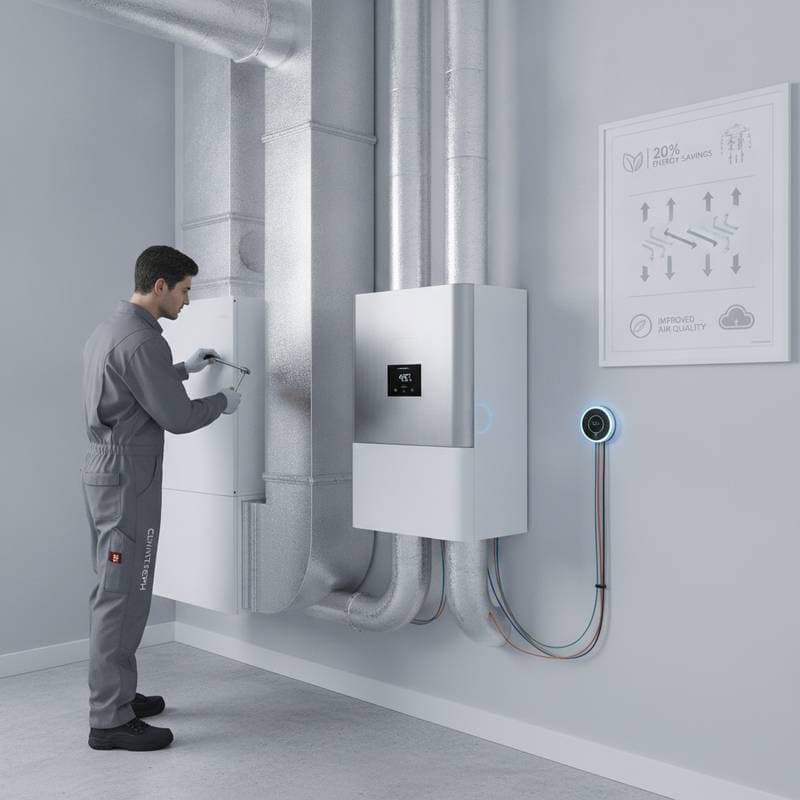
Consult a certified HVAC professional to evaluate system compatibility and recommend upgrades.
-
Select equipment based on home size, climate, and budget; prioritize models with built-in humidity sensors.
-
Integrate smart controls for automated operation, setting target ranges between 40 and 50 percent.
-
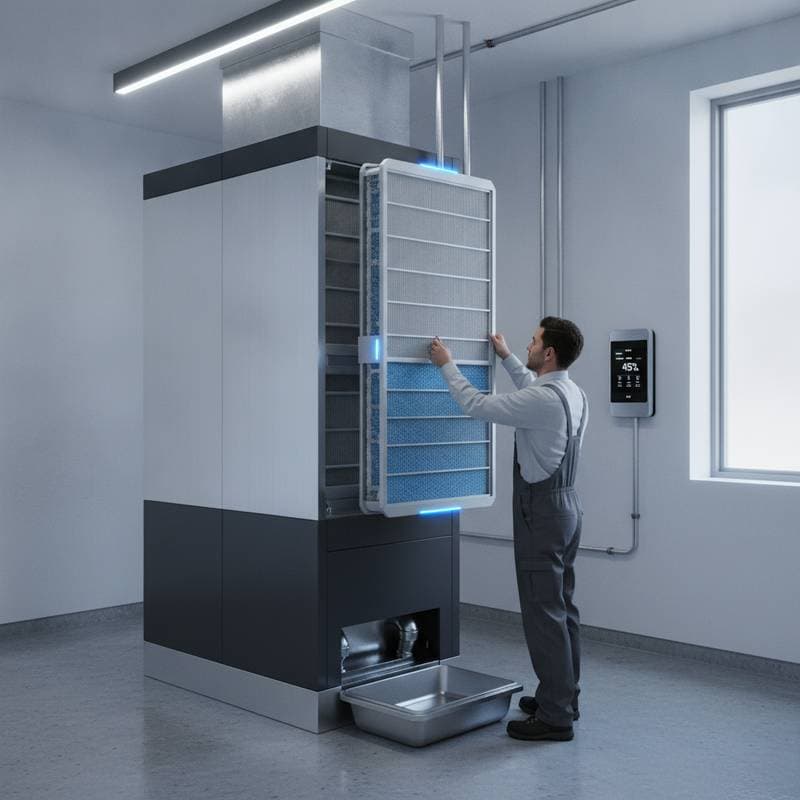
Schedule regular maintenance to clean filters and calibrate sensors, ensuring sustained performance.
-
Monitor energy usage post-installation to track savings and adjust settings as needed.
These steps provide a clear path to upgrading, minimizing disruption while maximizing returns.
Securing Long-Term Home Comfort Through Humidity Balance
Investing in humidity control prepares homes for future demands. This upgrade not only elevates daily living but also aligns with sustainable practices. Homeowners gain peace of mind knowing their spaces remain comfortable, efficient, and protected against environmental challenges.
As 2026 approaches, prioritize this essential feature in HVAC planning. The result is a resilient, enjoyable home environment that adapts to changing needs.