Why Humidity Control Tops 2025 HVAC Upgrades
$1,200 to $3,000 whole-home dehumidifier installation
$800 to $2,500 whole-home humidifier installation
$150 to $350 smart humidity control integration
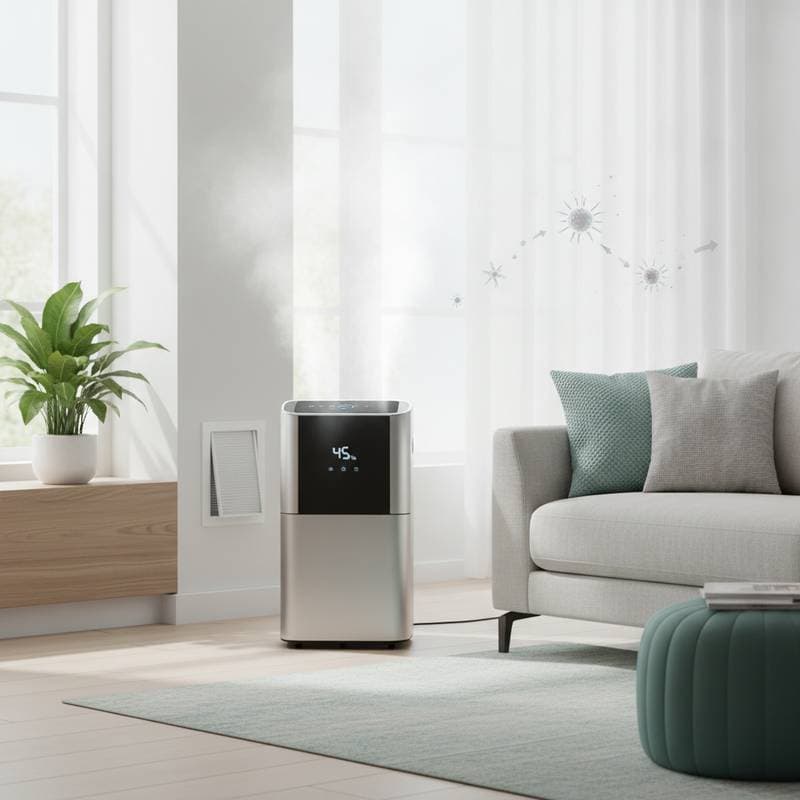
Managing indoor humidity ranks among the most impactful HVAC upgrades for homeowners today. Whole-home humidity control systems maintain optimal comfort levels, safeguard furnishings from damage, and elevate overall air quality. Installation costs vary based on home size, equipment type, and the need for humidification, dehumidification, or integrated solutions.
| Service Type | Average Cost |
|---|---|
| Whole-home dehumidifier | $1,200 to $3,000 |
| Whole-home humidifier | $800 to $2,500 |
| Smart humidity controller | $150 to $350 |
| Combined humidity system | $2,000 to $4,500 |
| Ductwork integration | $400 to $1,000 |
| Metric | Amount |
|---|---|
| National average cost | $2,000 |
| Minimum cost | $800 |
| Maximum cost | $4,500 |
| Average cost range | $1,200 to $3,000 |
Cost data derives from industry research and reported project expenses.
Why Humidity Control Matters More Than Ever
Indoor humidity influences far more than simple comfort. Excessive levels foster mold growth, dust mite proliferation, and persistent musty smells. Insufficient humidity causes dry skin, static electricity buildup, and structural harm to wooden elements like flooring and cabinets. Maintaining levels between 30 and 50 percent relative humidity supports efficient HVAC operation and promotes healthier indoor environments.
Modern homes feature advanced energy-efficient designs with superior insulation and sealing. These improvements trap moisture imbalances, making dedicated humidity control essential. Experts predict this upgrade will dominate HVAC priorities nationwide in 2025 due to rising awareness of its benefits.
Detailed Cost Breakdowns
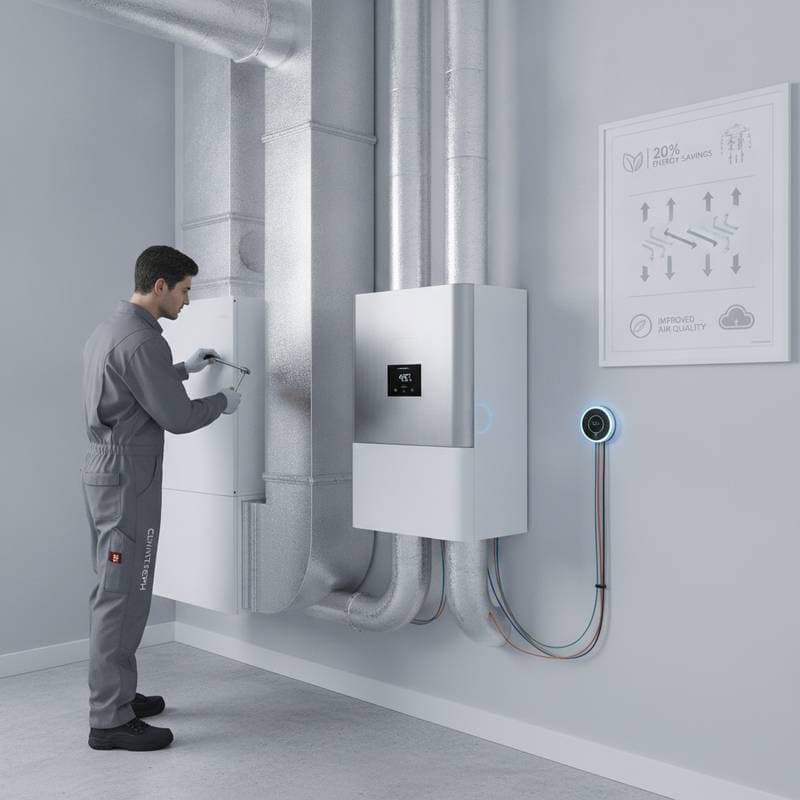
Humidity control installations typically involve a humidifier, dehumidifier, or dual-purpose system. Each option addresses unique environmental needs and aligns with specific regional climates. Homeowners select based on prevailing moisture issues and desired outcomes.
| System Type | Function | Average Installed Cost |
|---|---|---|
| Whole-home humidifier | Adds moisture to dry air | $800 to $2,500 |
| Whole-home dehumidifier | Removes excess moisture | $1,200 to $3,000 |
| Dual system | Controls both humidity extremes | $2,000 to $4,500 |
| Portable unit | Room-by-room control | $150 to $500 per unit |
Labor and Material Cost Comparison
| Component | Typical Cost |
|---|---|
| Labor (installation) | $400 to $1,000 |
| Equipment (humidifier or dehumidifier) | $700 to $2,500 |
| Smart controller | $150 to $350 |
| Electrical and ductwork modifications | $200 to $600 |
Labor accounts for 30 to 40 percent of overall expenses. Equipment pricing fluctuates with manufacturer quality, system capacity, and compatibility requirements for existing HVAC setups.
Key Factors That Affect Humidity Control Costs
Multiple elements determine the total investment in a humidity control system. Homeowners benefit from evaluating these to select options that fit financial and performance expectations.
- System type: Dehumidifiers generally exceed humidifier costs due to necessary drainage features and supplementary parts.
- Home size: Bigger residences demand robust units capable of processing greater air volumes, which elevates equipment and labor expenses.
- Efficiency rating: High-efficiency models consume less power and qualify for long-term savings, though initial prices run higher.
- Brand and features: Systems from leading brands with sensor technology, Wi-Fi access, and precise adjustments command premium rates for superior reliability.
- Installation complexity: Properties lacking duct access or facing spatial constraints often incur additional labor or custom adaptations.
- Climate: Humid areas favor dehumidification focus, whereas arid zones prioritize moisture addition.
- Existing HVAC system: Seamless integration with current equipment minimizes modifications; mismatches may add expenses.
- Add-ons: Incorporating smart thermostats, air filtration, or enhanced ventilation increases upfront costs while optimizing overall indoor conditions.
Related Costs to Consider
Budgeting extends beyond core equipment to encompass ancillary services and ongoing upkeep. These elements ensure smooth implementation and sustained performance.
| Related Service | Average Cost |
|---|---|
| Permit and inspection | $100 to $300 |
| System removal or disposal | $100 to $250 |
| Drain line installation | $150 to $400 |
| Electrical connection | $100 to $250 |
| Annual maintenance | $100 to $200 |
Regional regulations and project specifics influence these figures. Obtain comprehensive quotes to anticipate all potential outlays.
Maintenance and Care for Humidity Control Systems
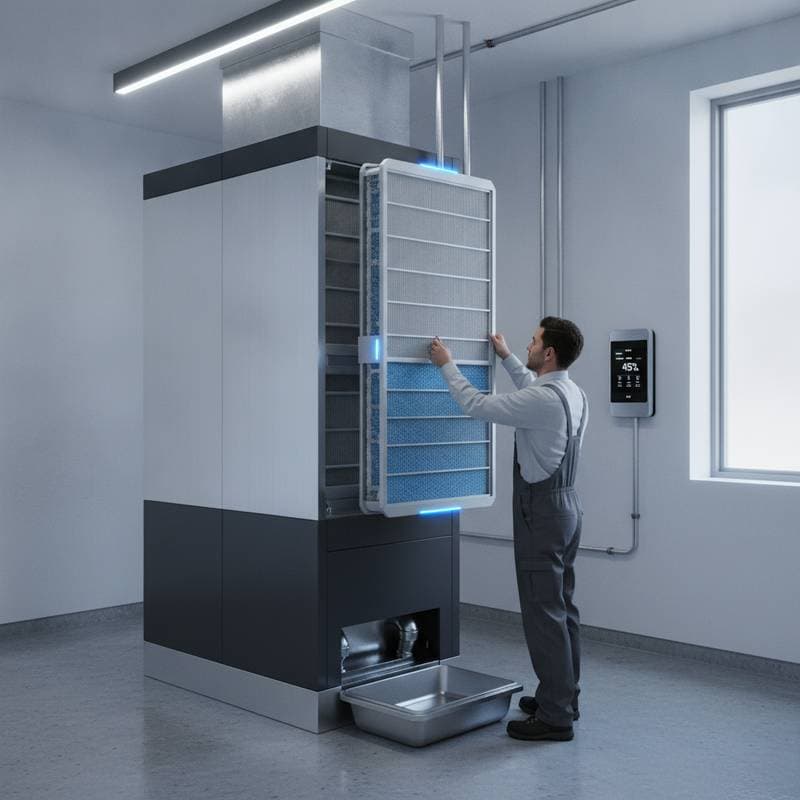
Regular upkeep preserves system efficiency and prolongs operational life. Homeowners handle basic tasks, while professionals address in-depth inspections annually.
- Replace or clean filters every few months to sustain airflow.
- Inspect drainage lines periodically for obstructions or sediment accumulation.
- Wipe down sensors and vents to guarantee precise humidity detection.
- Arrange yearly professional tune-ups for component checks and control calibration.
- Employ a hygrometer for consistent monitoring of indoor humidity readings.
Such practices avert expensive fixes and deliver reliable year-round comfort.
Repair or Replace: When to Upgrade Your Humidity System
Signs of underperformance signal the need for evaluation. Persistent issues warrant professional assessment to decide between repair and full replacement.
- The system exceeds ten years of service.
- Repair estimates surpass half the cost of a new installation.
- Recent HVAC upgrades render the humidity component obsolete.
- Recurring problems like condensation, mold formation, or excessive dryness persist.
Upgrading to a modern whole-home solution enhances comfort and eases demands on primary HVAC functions.
Ways to Save Money on Humidity Control Upgrades
Strategic decisions lower both installation and running costs without sacrificing quality. Homeowners gain most by planning ahead and leveraging available resources.
- Solicit at least three detailed estimates from certified HVAC contractors.
- Time installations for off-peak periods when contractor rates decrease.
- Seek rebates from utilities or manufacturers for qualifying energy-efficient units.
- Opt for integrated dual systems to consolidate labor during a single setup.
- Prioritize HVAC maintenance, such as filter and duct cleaning, to stabilize humidity naturally.
- Integrate programmable smart controls that adjust operations for optimal energy conservation.
- Package humidity additions with complementary upgrades like duct sealing or purification for discounted bundled rates.
FAQs About Humidity Control
How Much Does a Whole-Home Dehumidifier Cost?
A whole-home dehumidifier installation ranges from $1,200 to $3,000, influenced by unit capacity and manufacturer.
Is a Humidifier or Dehumidifier Better?
Selection hinges on local climate. Dehumidifiers suit damp environments prone to mustiness; humidifiers address dry air discomfort.
Can I Add Humidity Control to My Existing HVAC System?
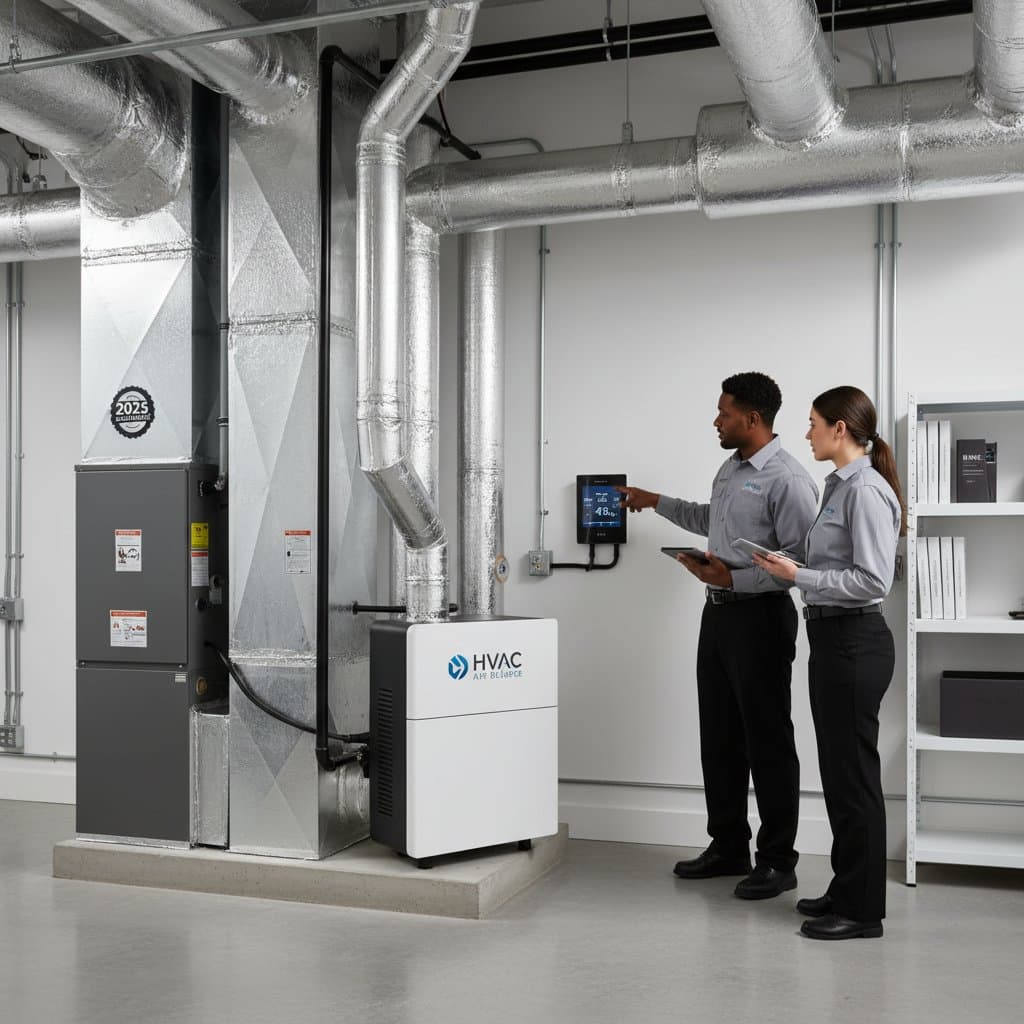
Yes, integration occurs via duct attachments and compatible controllers in most setups.
Does Humidity Control Save Energy?
Yes, optimal levels allow comfortable settings at higher thermostat points for cooling or lower for heating, cutting consumption.
How Long Does a Humidity Control System Last?
Expect 8 to 15 years of service with diligent maintenance.
Do Portable Units Work as Well as Whole-Home Systems?
Portable options target single rooms effectively but fail to achieve house-wide equilibrium.
What Humidity Level Should I Keep Indoors?
Target 30 to 50 percent relative humidity to support health and comfort.
Can I Install a Humidity System Myself?
Portable models suit DIY efforts, but whole-home installations demand professional expertise for safety and efficacy.
How Often Should the System Be Serviced?
Annual professional servicing ensures peak operation and durability.
Are There Smart Humidity Control Options?
Yes, contemporary units feature Wi-Fi connectivity and smart thermostat synchronization for hands-free regulation.
Steps to Achieve Balanced Indoor Air
Begin by assessing your home's current humidity with a reliable hygrometer. Consult licensed HVAC specialists for tailored recommendations and quotes. Invest in a system that matches your climate and lifestyle for enduring comfort and efficiency gains.