Why Humidity Control Now Rivals Temperature in HVAC
Humidity control is emerging as a critical element in HVAC systems, often matching the importance of temperature regulation. Homeowners and builders increasingly recognize that managing indoor moisture levels enhances comfort, safeguards health, and optimizes energy use. This evolution transforms humidity management from an optional feature into a fundamental aspect of modern home design.
Understanding Humidity Control and Its Impact on Comfort and Health
Humidity control involves regulating the moisture content in indoor air to maintain optimal levels, typically between 30 and 50 percent. Excessive dryness leads to issues such as dry skin, respiratory irritation, and structural damage to wooden elements like floors and cabinets. Conversely, high humidity fosters mold proliferation, dust mite habitats, and bacterial growth, which compromise air quality and overall well-being.
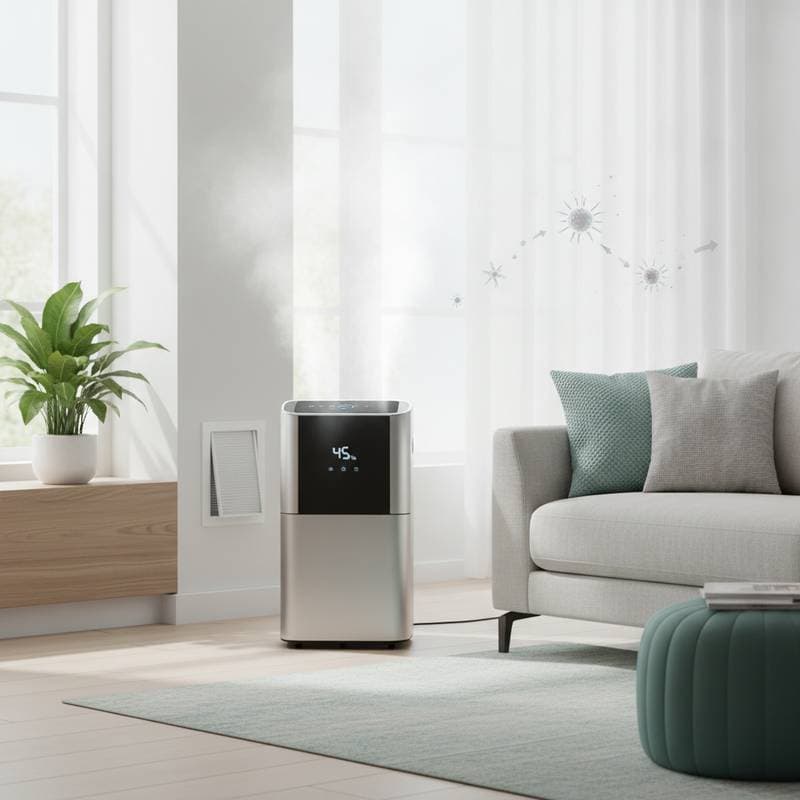
Whole-home systems, including humidifiers and dehumidifiers, address these challenges by automatically adjusting moisture levels. These solutions ensure consistent indoor environments, reducing allergens and promoting respiratory health. For families with sensitive members, such as children or those with allergies, this control proves indispensable for daily comfort.
Key Drivers of Humidity Control in HVAC Innovation
Contemporary HVAC designs integrate humidity management alongside temperature control, leveraging advanced technologies for superior performance. Several factors propel this advancement:
-
Health-Centric Design Priorities: Property owners demand systems that minimize airborne pollutants and sustain ideal humidity, directly supporting immune function and reducing illness risks.
-
Energy Optimization Strategies: Balanced humidity alters perceived temperature, allowing occupants to feel warmer in cooler conditions or cooler in warmer ones, which decreases reliance on heating and cooling cycles.
-
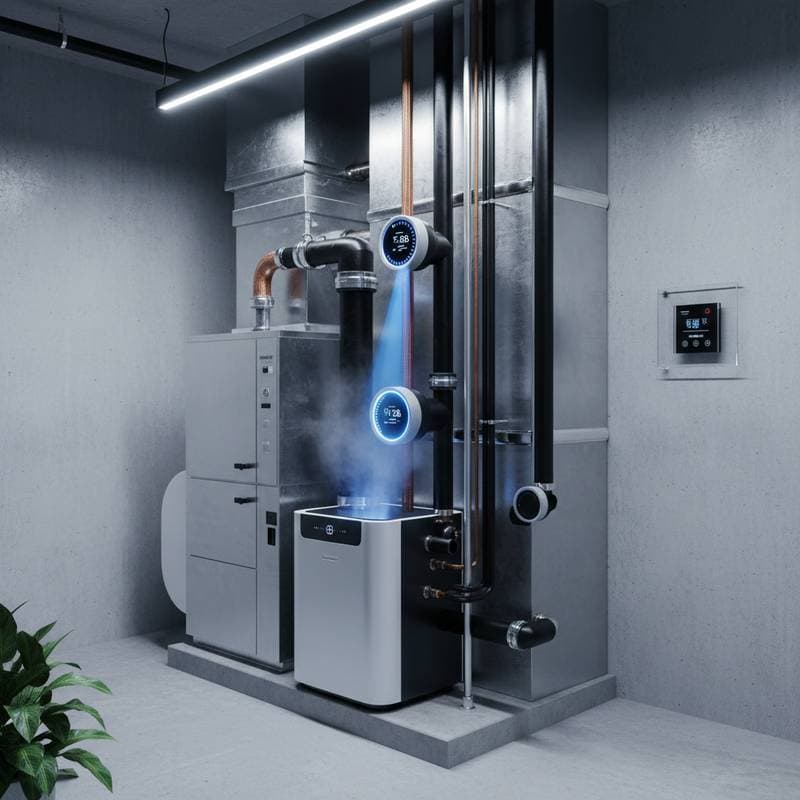
Integration of Smart Technologies: Devices like connected thermostats use real-time sensors to monitor and fine-tune humidity via user-friendly applications, providing remote oversight and automated adjustments.
-
Advancements in Building Construction: Energy-efficient envelopes with superior insulation trap moisture if not properly ventilated, necessitating precise humidity regulation to avoid condensation and decay.
These elements collectively elevate humidity control, making it a cornerstone of efficient, sustainable living spaces.
Evaluating Humidity Control System Options
Selecting the right system depends on climate, home layout, and specific needs. The following table outlines common choices, their costs, and applications:
| System Type | Average Installed Cost | Ideal Application |
|---|---|---|
| Whole-home humidifier | $400 to $1,200 | Arid regions or seasonal winter dryness |
| Whole-home dehumidifier | $1,000 to $2,800 | Humid climates or moisture-prone basements |
| Smart thermostat with humidity control | $200 to $600 | Comprehensive HVAC oversight |
| Portable humidifier | $50 to $250 | Targeted room humidification |
| Portable dehumidifier | $150 to $500 | Localized or temporary moisture reduction |
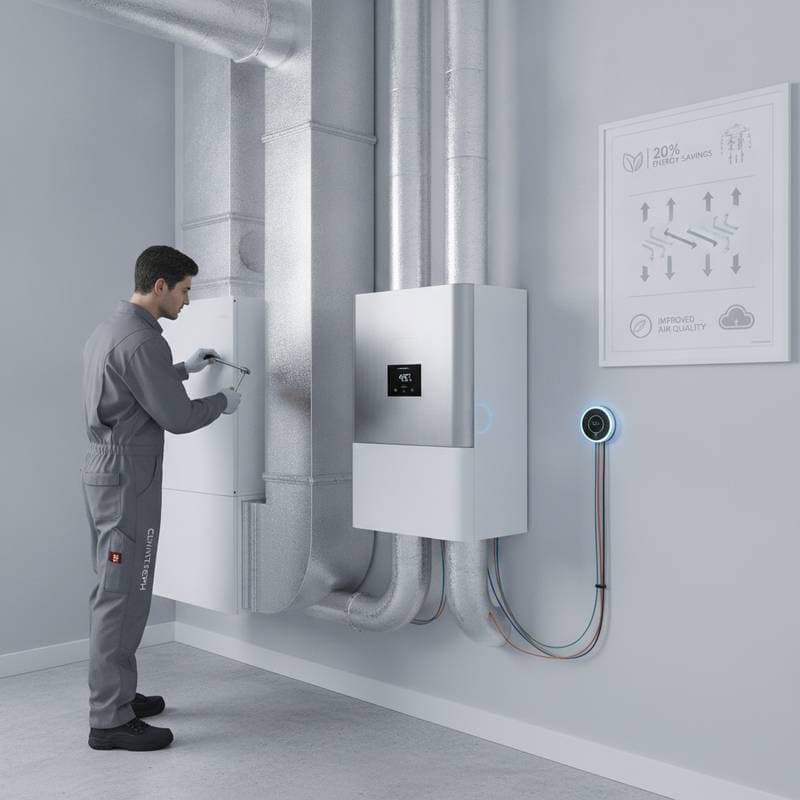
Whole-home options integrate seamlessly with existing HVAC infrastructure, offering broad coverage. Portable units suit smaller spaces or testing before full installation, providing flexibility for varied budgets and requirements.
Determinants of Humidity Control System Expenses
Costs vary based on several practical considerations. Home square footage dictates system capacity, with larger properties requiring robust units to ensure even distribution.
System complexity influences pricing; humidifiers generally involve simpler setups than dehumidifiers, which demand additional drainage and power considerations. Integrating smart features, such as app connectivity or automated sensors, increases upfront investment but yields long-term savings through efficiency.
Regional climate plays a role, as extreme conditions may necessitate hybrid systems combining humidification and dehumidification. Installation specifics, including duct access and proximity to utilities, affect labor duration and overall expenditure. Opting for established brands ensures durability and support, though they command premium rates.
Advantages of Maintaining Optimal Indoor Humidity
Achieving balanced humidity delivers multifaceted benefits that enhance daily life. Comfort improves as dry air-induced discomforts like static and chapped skin diminish, while excessive moisture's clamminess fades.
Energy consumption drops since HVAC units operate less frequently; for instance, 40 percent humidity can make 68 degrees Fahrenheit feel like 72, reducing heating needs. Health gains include lower incidences of mold-related allergies and improved sleep quality in stable environments.
Structural preservation extends to valuables: wooden instruments retain tone, artwork avoids warping, and electronics function without corrosion risks. Overall, these outcomes foster a perception of even temperatures, aligning with seasonal demands for effortless climate harmony.
Essential Maintenance Practices for Humidity Systems
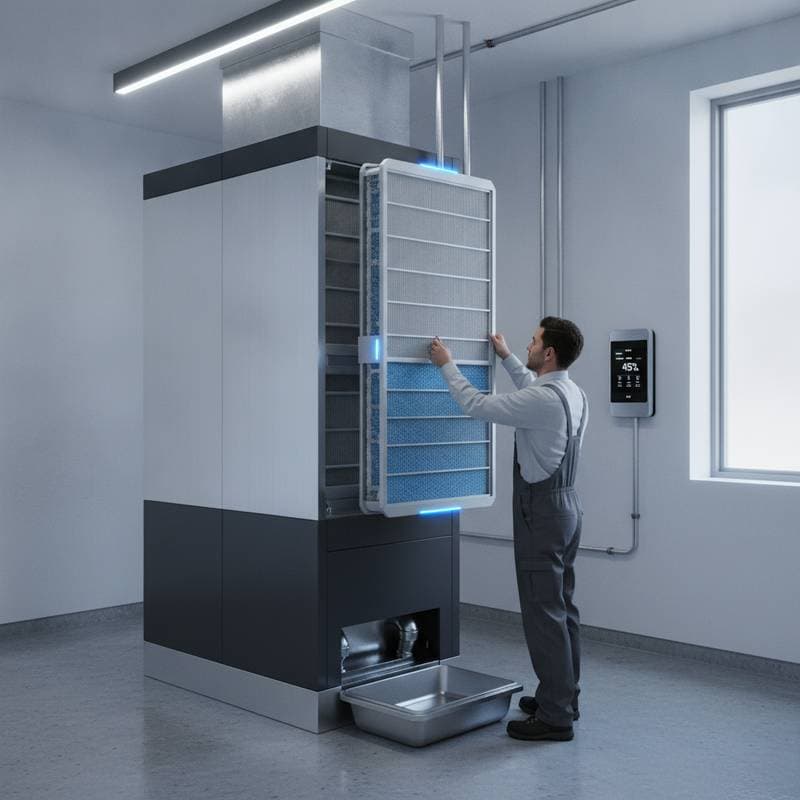
Reliable performance hinges on routine upkeep. Humidifiers require annual replacement of water panels to prevent mineral buildup, while dehumidifiers benefit from quarterly cleaning of coils and drain paths to avert clogs.
Sensors demand periodic calibration to maintain accuracy, ensuring systems respond effectively to environmental shifts. Aim to keep relative humidity within 30 to 50 percent, adjusting based on seasonal changes or occupancy levels.
Annual professional evaluations detect wear early, extending system longevity and efficiency. These steps minimize downtime and repair expenses, sustaining the health and comfort benefits over time.
Assessing Repair Versus Replacement for Existing Systems
When humidity issues arise, evaluate whether repairs suffice or if replacement offers better value. Minor problems, such as faulty sensors or clogged filters, often resolve with targeted fixes costing under $300, restoring functionality without major disruption.
However, aging units over 10 years old may exhibit inefficiency, like inconsistent moisture regulation or high energy draw, signaling the need for upgrades. Consider replacement if integration with modern HVAC proves challenging or if warranties have expired, as new models incorporate energy-saving features and smarter controls.
Consult a professional to analyze system age, performance data, and home needs. This assessment balances immediate costs against long-term reliability and savings.
Strategies to Reduce Humidity Control Installation Costs
Budget-conscious decisions can significantly lower expenses. Solicit estimates from multiple certified HVAC specialists to identify competitive pricing and tailored recommendations.
Explore incentives like utility rebates for high-efficiency models or tax credits for energy improvements. Timing installation during a full HVAC overhaul consolidates labor, avoiding redundant site visits.
Programmable controls optimize operation by activating only when necessary, curbing energy waste. Proactive maintenance, including filter changes every three months, prevents breakdowns that inflate future bills.
Key Inquiries for Your HVAC Professional
Engage contractors with targeted questions to ensure informed choices:
-
Do you hold current licensing and insurance for air quality installations?
-
What specific humidity brands do you endorse, and what features distinguish them?
-
Is my existing HVAC compatible with whole-home humidity additions?
-
What durability can I expect from the proposed system?
-
How frequently does maintenance occur, and what does it entail?
-
Will the work impact my ductwork or current thermostat setup?
-
What coverage do warranties provide for components and installation?
-
Are rebates or financing options accessible through your partnerships?
These discussions clarify expectations and align selections with personal priorities.
Implementing Humidity Control for Enhanced Home Wellness
Integrating humidity management elevates HVAC beyond basic climate control, delivering sustained health and efficiency gains. From smart integrations to comprehensive systems, options abound to match diverse lifestyles.
Homeowners who prioritize this aspect enjoy reduced allergens, preserved interiors, and lower operational costs. Take the initiative to assess your space and consult experts, securing a more comfortable and resilient indoor environment for years ahead.