Why Humidity Control Matters More Than Temperature
Humidity Control: The Unexpected HVAC Priority
As an HVAC professional I have seen countless homeowners across humid regions fight a losing battle against sticky air and clammy comfort. Many people notice a heavy feeling in the air even when the thermostat shows an ideal temperature. Excess moisture does more than reduce comfort. It can damage building materials and force the cooling system to operate inefficiently.
Why Humidity Control is Becoming the Next Big Focus
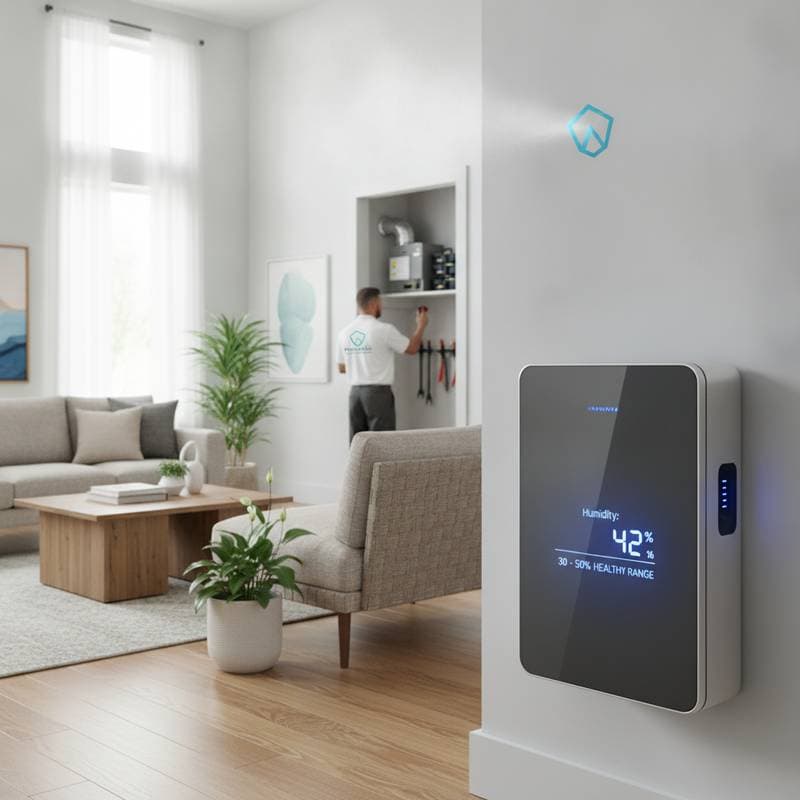
Temperature settings receive the most attention in most homes. Humidity levels affect comfort and indoor air quality just as strongly. Moisture above 60 percent relative humidity encourages mold growth, causes wood to warp, and makes the air conditioner run longer than necessary. Air that is too dry irritates skin, throat, and sinuses.
Homeowners who maintain proper humidity experience steadier comfort throughout the year. Their systems also consume less energy because they avoid the extra runtime caused by high moisture.
Expert Strategies for Balancing Indoor Moisture
Success depends on coordinating cooling with moisture removal. The following steps produce measurable results.
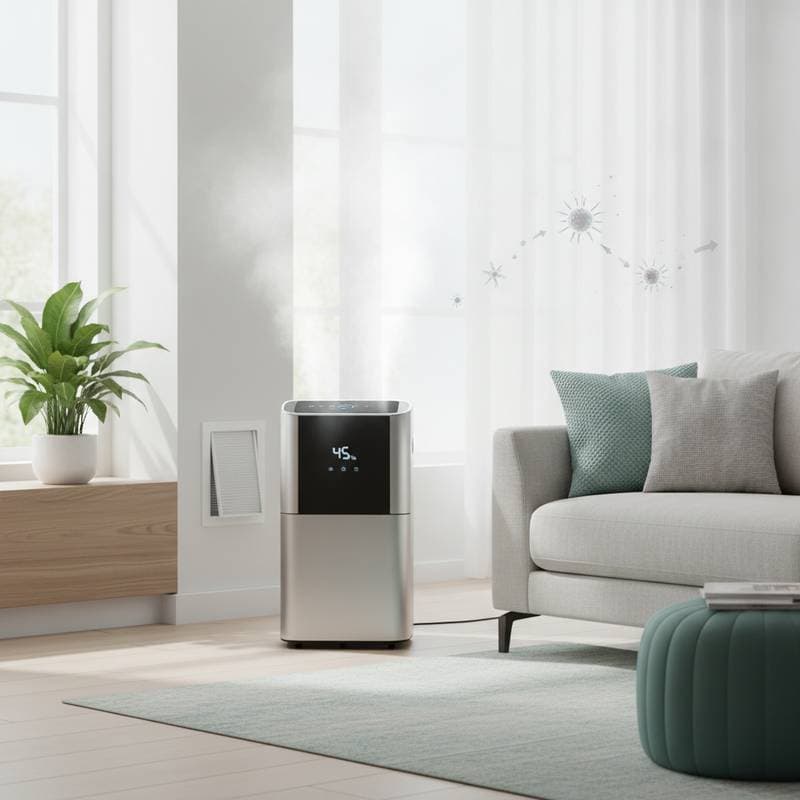
- Install a whole-home dehumidifier that connects to the existing HVAC ductwork and removes moisture from every room.
- Verify that exhaust fans in bathrooms, kitchens, and laundry rooms vent directly outdoors rather than into attics or crawl spaces.
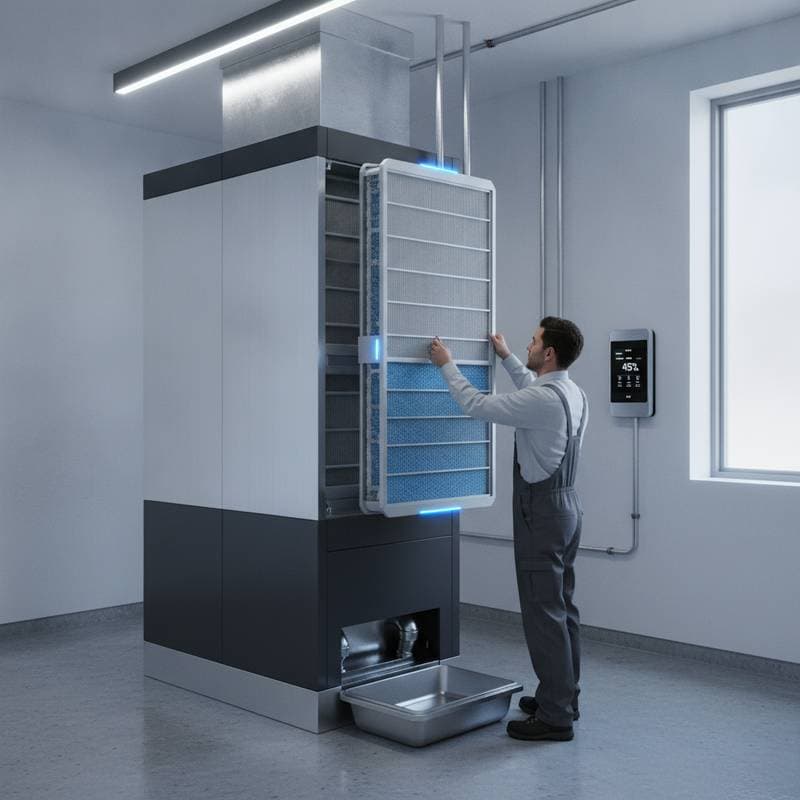
- Clean or replace AC filters monthly and schedule coil cleaning each season so the system can extract moisture effectively.
- Seal gaps around windows, doors, and duct joints to prevent humid outdoor air from entering the living space.
Warning Signs of Poor Humidity Management
Watch for these indicators that moisture levels need attention.
- Condensation forming on windows or cold pipes
- Musty smells in basements or storage areas
- Creaking floors or furniture that shows warping
- Worsening allergy or asthma symptoms indoors
HVAC expert Laura Jensen notes that humidity is the silent comfort killer. Homeowners often overlook it until damage appears.
Practical Factors to Keep in Mind
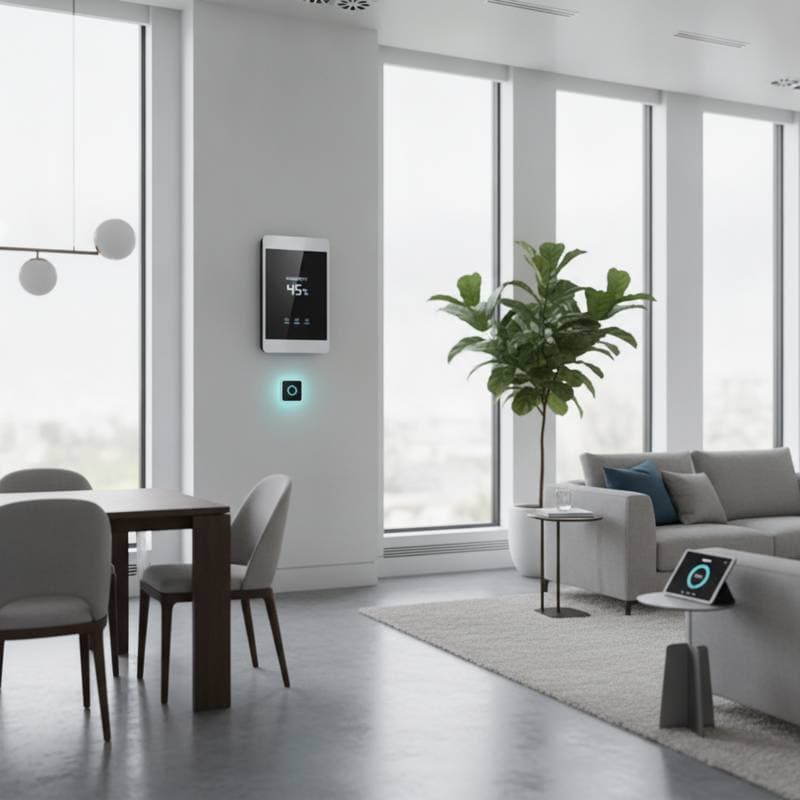
Whole-home dehumidifiers typically cost between 1200 and 2500 dollars installed. The expense is offset by reduced cooling costs and extended equipment life. Schedule professional service once a year to clean coils, check drain pans, and replace filters. When standard equipment still falls short, a variable-speed air handler paired with a smart thermostat allows finer control of airflow and moisture removal.
Safety remains essential. Never open refrigerant lines or alter electrical connections. Only a licensed technician should perform those tasks.
Achieving Year-Round Comfort
Managing indoor humidity creates an environment that feels fresh and stable even during peak summer conditions. Contact a qualified HVAC contractor to evaluate whole-home options suited to local climate patterns.
Frequently Asked Questions
Q: What is the ideal humidity level inside a home?
A: Aim for 40 to 50 percent relative humidity for balanced comfort and protection against mold.
Q: How often should a dehumidifier be serviced?
A: Once per year is sufficient for most homes, though high-use systems may need mid-season cleaning.
Q: Will a new air conditioner fix humidity issues?
A: Not always. Some units cool quickly without removing sufficient moisture, so pairing with a dehumidifier can improve results.
Q: Can humidity affect energy bills?
A: Yes. High indoor moisture forces the AC to run longer, which can raise energy costs by 10 to 20 percent.