Humidity Control Systems: The Top HVAC Upgrade for 2026
As an HVAC professional, I have observed many homeowners deal with sticky summers and dry winters that disrupt indoor comfort. The air may feel thick despite the air conditioner running, or wood furniture may crack during heating season. These issues signal that home humidity levels need better management.
Modern whole home humidity control systems address moisture automatically. They improve comfort, protect property, enhance air quality, and increase HVAC efficiency. Whole home humidity management stands out as a practical upgrade for sustained comfort and lower energy use.
Why Humidity Control Matters More Than You Think
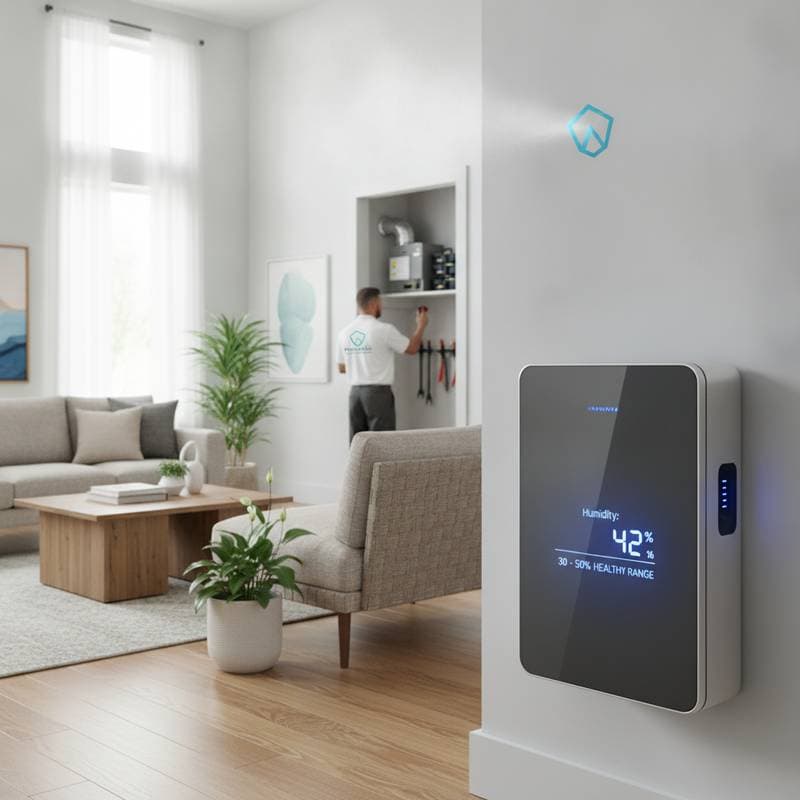
Humidity affects more than immediate comfort. It requires careful balance. Ideal indoor levels range from 40 to 50 percent. Levels above this range encourage mold, mildew, and dust mites. Levels below it cause dry skin, irritated throats, and static electricity.
Air conditioners in humid areas often run longer to remove moisture, which raises energy costs and shortens equipment life. Heating systems in dry climates remove moisture from the air and can damage wood floors or affect respiratory health. A humidity control system maintains the target range regardless of outdoor conditions.
How Whole Home Systems Work
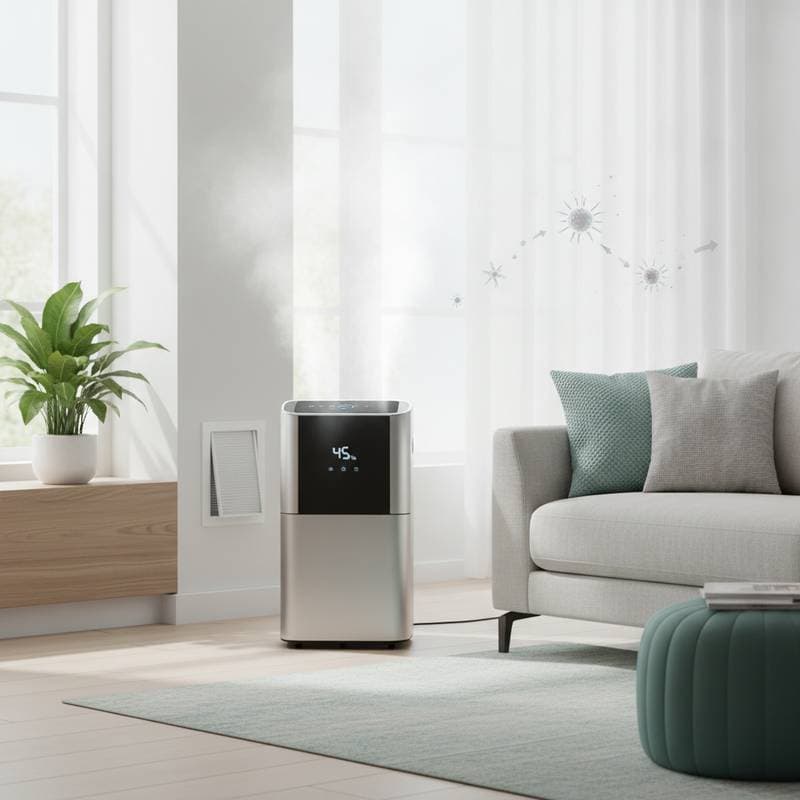
Whole home systems connect to existing HVAC ductwork. A dehumidifier pulls in moist air, extracts water vapor, and returns drier air to the ducts. A humidifier adds moisture during dry periods by releasing a fine mist into the airflow.
These components operate together through a smart thermostat or control panel. Precise adjustments match humidity settings to temperature. Pairing with variable speed air handlers distributes air evenly and supports consistent comfort.
Strategies to Select the Right System
Assess Climate and Home Construction
Coastal or southern homes gain the most from a whole home dehumidifier. Northern or high altitude homes benefit from central humidifiers. Older homes with limited insulation often need higher capacity units to handle moisture movement.
Size Equipment Correctly
Proper sizing prevents short cycling or inadequate performance. An HVAC technician measures home volume, airflow, and typical moisture load to determine the correct capacity.
Add Smart Controls
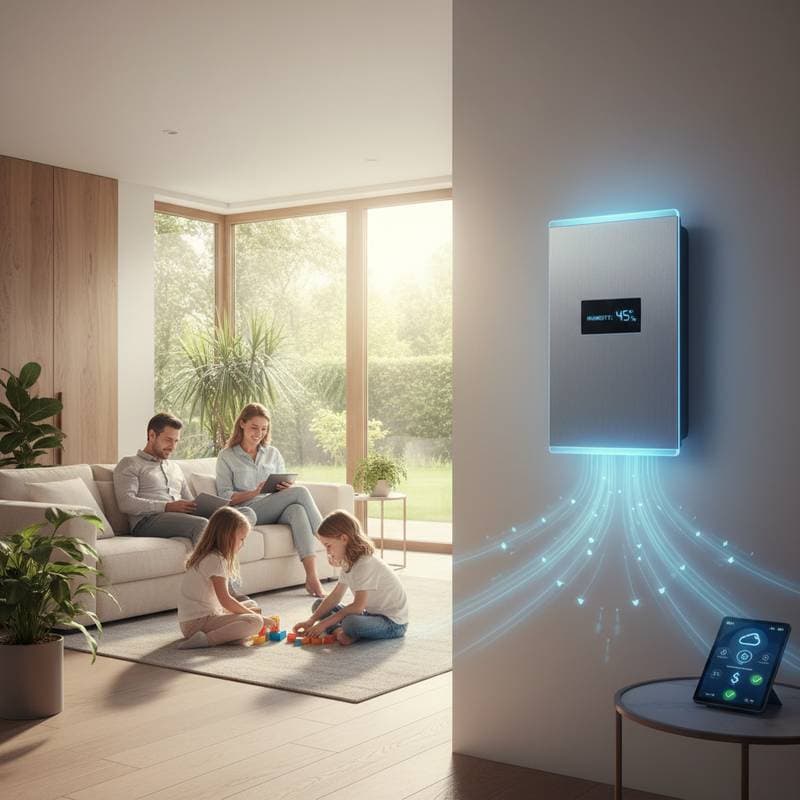
Wi Fi enabled thermostats track humidity in real time. Remote adjustments or automatic regulation based on indoor and outdoor readings keep comfort steady while optimizing energy use.
Daily Benefits You Will Notice
Balanced humidity creates a fresh and stable indoor environment. The advantages extend beyond basic comfort.
- Energy efficiency improves because the air conditioner or furnace operates for shorter periods, often lowering costs by 10 to 20 percent.
- Air quality improves when high humidity no longer supports mold and bacteria, while adequate moisture reduces dry sinuses and skin irritation.
- Home finishes last longer when wood floors, furniture, and artwork remain protected from extreme moisture swings.
- Sleep quality rises because stable air helps the body maintain comfortable temperatures.
HVAC technician Laura Benton notes that most homeowners notice immediate changes in air quality and energy bills after installation.
Practical Steps Before Installation
A licensed contractor can complete installation in a few hours. Costs typically range from 1200 to 3000 dollars depending on system size and home layout. Humidifiers average 600 to 1000 dollars, while dehumidifiers cost more because of drainage requirements.
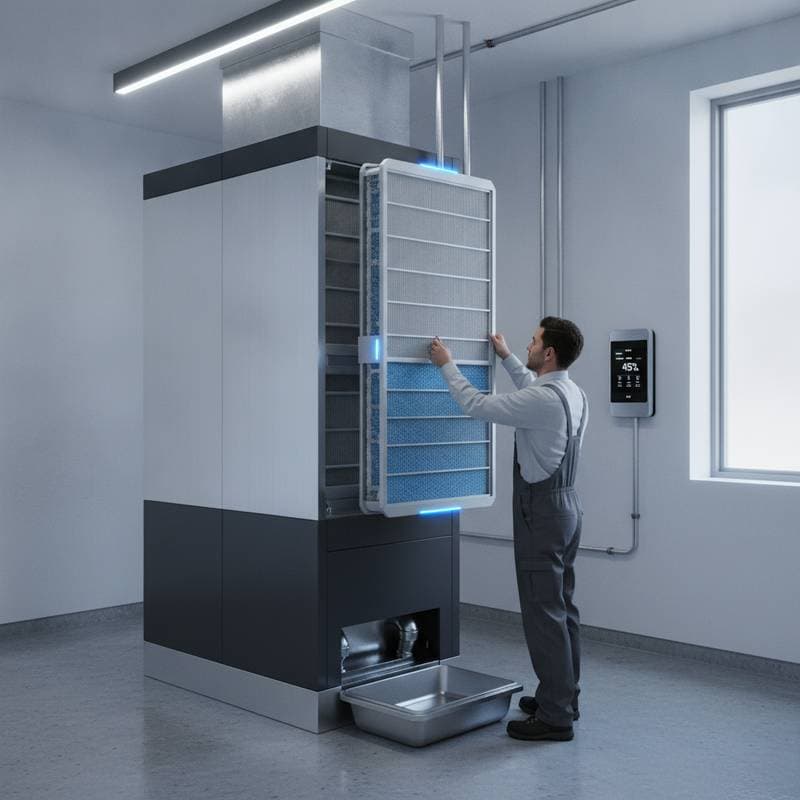
The process involves connections to ductwork, a condensate line, and electrical supply. Confirm that required permits are secured and that the system is tested after setup. Monthly filter and drain checks during peak use, plus annual professional inspections, keep sensors accurate and prevent clogs.
Long Term Moisture Management Practices
- Seal duct leaks to stop unconditioned air from entering and upsetting moisture balance.
- Run bathroom and kitchen exhaust fans during cooking and showers to remove localized moisture.
- Use a digital hygrometer for quick readings that reveal humidity changes early.
- Replace air filters on schedule so airflow supports effective humidity control.
- Arrange biannual HVAC tune ups to maintain all components at peak performance.
Achieving Consistent Home Comfort
Humidity control completes the foundation for reliable indoor conditions and efficient HVAC operation. Precise moisture management turns fluctuating environments into steady, pleasant spaces throughout the year. Homeowners who maintain balanced humidity often reduce annual energy expenses and avoid unnecessary repairs.