Why Humidity Control Transforms HVAC Comfort
As an HVAC professional, I have observed numerous homeowners engaged in a struggle they did not recognize. They adjust thermostats, replace filters, and maintain their systems routinely, yet they experience stickiness in summer or chilliness in winter. The often overlooked cause is humidity. Imagine entering your home after a demanding day, anticipating refreshing air, but encountering a damp, oppressive environment that cooling cannot alleviate. This moisture imbalance subtly erodes comfort, efficiency, and health.
The Hidden Problem Behind Everyday Discomfort
In many regions, humidity emerges as a primary disruptor of residential comfort. Humid areas produce swampy, oppressive summer air, while dry climates cause winter heating to deplete moisture, leaving skin, wooden furniture, and sinuses parched. High humidity fosters mold growth, dust mite proliferation, and musty odors. Low humidity leads to static shocks, cracked floors, and dry throats as common issues.
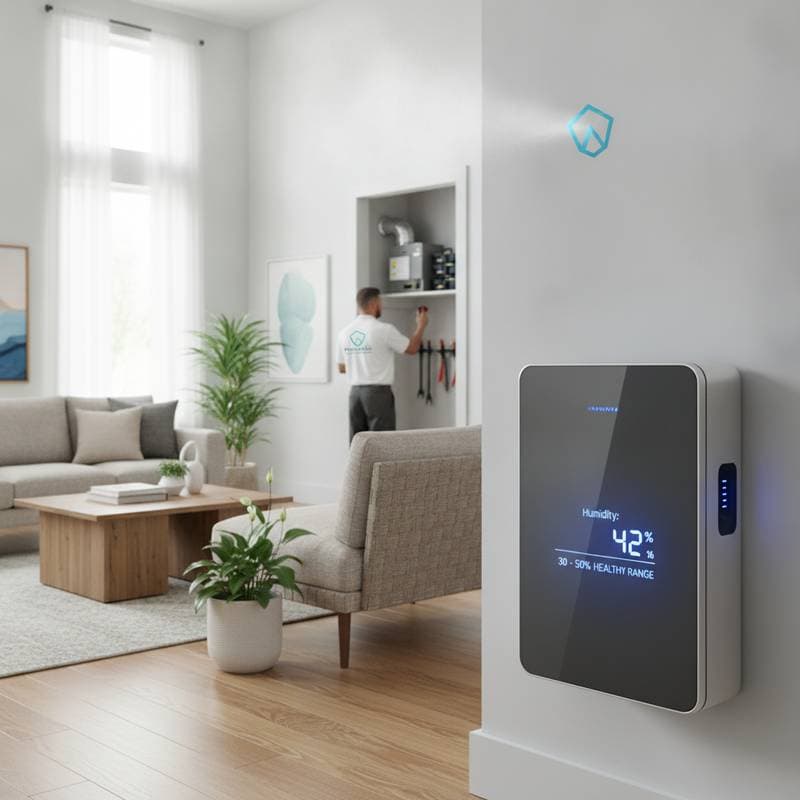
Temperature alone does not define comfort. A healthy indoor climate depends on effective management of both temperature and moisture by the HVAC system. The Environmental Protection Agency recommends indoor humidity levels between 30 and 50 percent. Most homes deviate significantly from this range without dedicated humidity control systems.
The Opportunity for Smarter Comfort
Homeowners increasingly prioritize energy efficiency, positioning humidity control as a key advancement in comprehensive comfort. Whole-home dehumidification extends beyond dampness removal to create stable, breathable air that enhances both comfort and efficiency. Balanced humidity allows air conditioners to operate less frequently, makes homes feel cooler at higher thermostat settings, and reduces energy bills.
The principle applies to winter as well. Proper humidification renders 68 degrees as cozy as 72, lowering heating costs while preventing shrinkage in wood floors and furniture. Moisture management reshapes HVAC system design to deliver uncompromised comfort.
How Whole-Home Humidity Control Works
Humidity control systems integrate directly with existing HVAC setups, automating moisture management within routine climate control. Two primary types exist.
- Whole-home dehumidifiers extract excess moisture during cooling seasons. They intake warm, humid air, cool it to condense water vapor, reheat the dry air, and distribute it through ductwork.
- Whole-home humidifiers introduce moisture when indoor air grows too dry. Connected to the home water supply, they release a fine mist or vapor into the airflow, sustaining balance during winter.
Both systems synchronize with thermostat controls for precise humidity regulation without manual intervention.
Expert Tips to Extend Your AC Lifespan with Moisture Control
Homeowners should view humidity management as essential preventive maintenance for the entire system. Moisture imbalance compels equipment to labor excessively. Consider these reasons for its importance.
- Reduced strain on cooling components. High humidity requires the air conditioner to overwork for moisture removal and temperature reduction. A dedicated dehumidifier eases this burden and prolongs compressor life.
- Cleaner coils and ducts. Excess humidity encourages biological buildup in coils and ducts. Balanced moisture minimizes accumulation and promotes healthier indoor air.
- Improved air circulation. Dry, balanced air flows more efficiently through vents, enhancing distribution and overall comfort.
Signs Your Home Needs Better Humidity Control
Certain indicators suggest the need for enhanced moisture management.
- Condensation on windows or around vents
- Musty or damp odors in basements and bathrooms
- Sticky or clammy sensations despite air conditioning operation
- Cracked wood trim or furniture in winter
- Frequent static shocks or dry skin indoors
- Uneven comfort across rooms
Early intervention averts lasting damage and discomfort. A professional humidity assessment identifies issues and proposes tailored solutions based on home layout and climate.
The Science Behind Comfort and Efficiency
Humidity influences perceived temperature by altering bodily regulation. High humidity hinders sweat evaporation, causing hotter sensations despite comfortable thermostat readings. Low humidity extracts moisture from skin and respiratory passages, producing dryness and irritation.
Maintaining the recommended range fosters a naturally fresher indoor environment. Balanced humidity boosts HVAC efficiency as well. Research indicates that optimized humidity can cut cooling costs by up to 20 percent and heating costs by 10 percent, as moderate temperatures feel more comfortable.
Choosing the Right Humidity Control System
Systems vary, so selection hinges on climate, home size, and HVAC setup. Follow these steps to begin.
- Assess your region. Coastal humid zones demand whole-home dehumidifiers. Inland dry areas benefit from humidifiers. Some residences require both.
- Evaluate your HVAC system. Contemporary variable-speed units often feature built-in humidity options. Older systems accommodate add-on units.
- Consider system capacity. Select units rated for your home square footage to guarantee uniform performance.
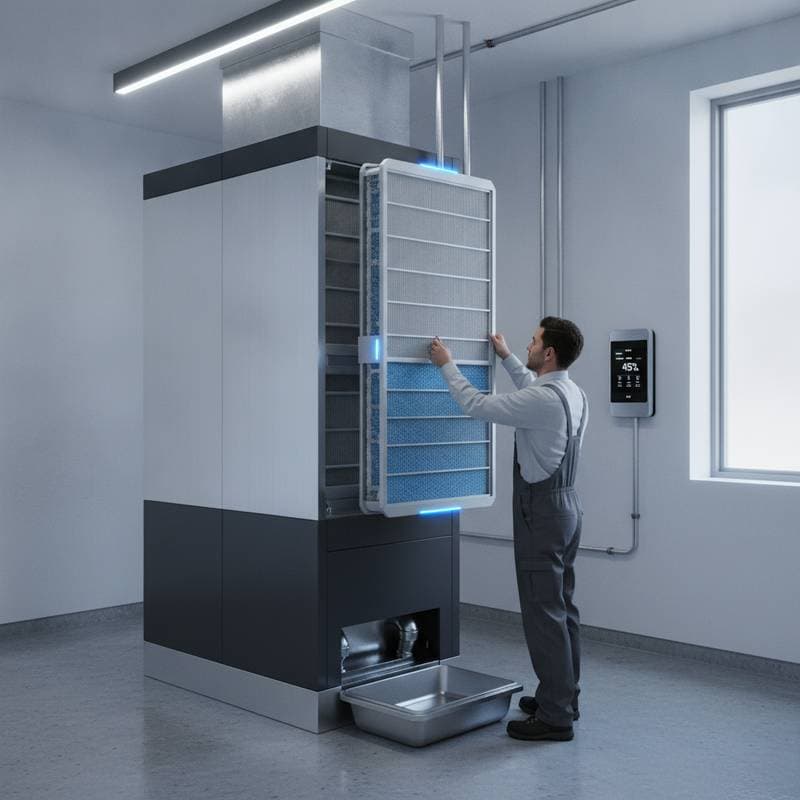
- Plan for maintenance. Regular cleaning of filters and drainage lines ensures ongoing efficiency.
A professional contractor conducts load calculations to align the system with specific moisture demands.
Expert Installation and Integration
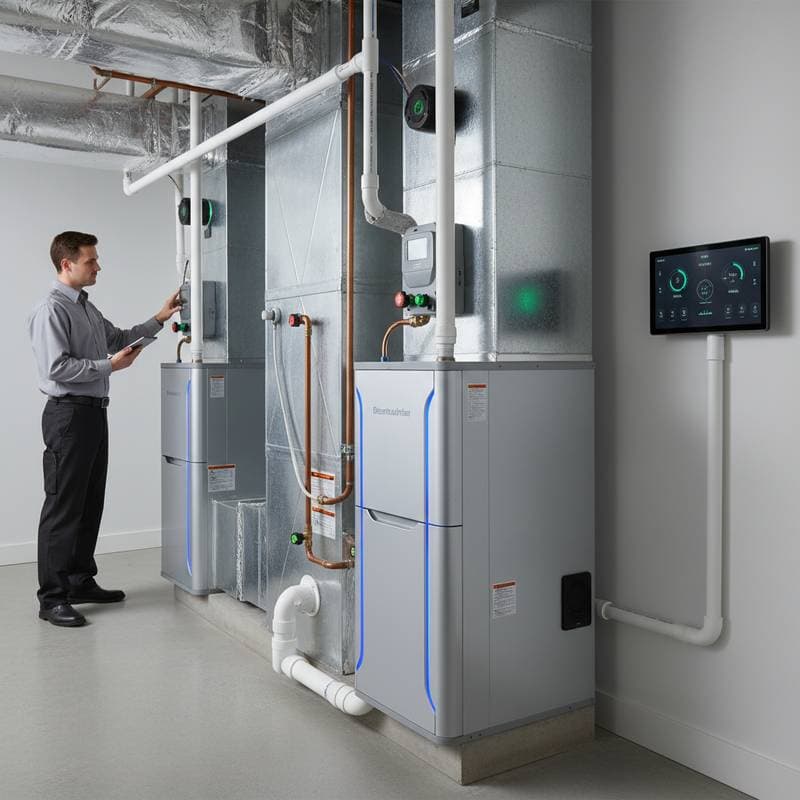
Whole-home dehumidifier or humidifier installation requires professional expertise, not a do-it-yourself approach. These units link to ductwork, electrical systems, and occasionally water lines. Errors risk leaks or electrical faults. Certified technicians manage airflow balancing, condensate drainage, and sensor calibration.
Installation typically spans half a day for standalone systems or a full day with HVAC upgrades. Costs range from $1,200 to $2,800 for dehumidifiers and $600 to $1,500 for humidifiers. The investment yields substantial returns in energy savings and comfort.
Practical Considerations for Long-Term Success
Humidity balance demands continuous attention beyond initial setup. Adopt these practices for sustained performance.
- Schedule seasonal tune-ups. Annual visits detect problems early and recalibrate sensors.
- Check drainage lines regularly. Obstructions lead to leaks or failures.
- Change filters every few months. Fresh filters optimize airflow and efficiency.
- Monitor indoor humidity. A digital hygrometer provides quick readings of balance.
Inspect moisture-prone areas like crawl spaces or attics for leaks, insulation deficiencies, or ventilation issues. Resolving these maximizes system effectiveness.
The Broader Benefits Beyond Comfort
Humidity management safeguards valued possessions and promotes health. Balanced levels inhibit mold that triggers allergies or asthma. They also preserve hardwood floors, musical instruments, and humidity-sensitive electronics.
Improved air quality enhances sleep and respiratory function. Families report reduced sinus problems and steadier comfort after stabilization. For homes with infants or elderly residents, these changes significantly elevate daily well-being.
HVAC consultant Laura Bennett stated, "Humidity control is one of the most overlooked elements of indoor air quality. Homeowners focus on temperature, but moisture balance is what truly defines comfort." This perspective aligns with observations from experienced technicians.
Advancing Toward Smarter Home Integration
Current humidity systems integrate with smart thermostats and automation platforms. Remote monitoring of levels, maintenance notifications, and voice-activated adjustments simplify management.
Success depends on combining technology with expert installation. Smart devices control humidity optimally only with accurate sensors and equipment. Collaboration with qualified HVAC professionals ensures reliable, hands-off performance.
Steps to Implement Humidity Control
To elevate home comfort, arrange a humidity assessment. A certified technician measures existing levels, examines ductwork, and suggests dehumidifiers, humidifiers, or combined solutions.
Professionals confirm that balanced humidity delivers lasting benefits. Air feels lighter, systems operate more smoothly, and utility expenses decline. Contact a trusted HVAC specialist through our platform for a complimentary quote. Upgrades redefine year-round home climate.
Frequently Asked Questions
Q: How do I know if my humidity levels are too high or too low?
A: Employ a digital hygrometer for measurement. Levels exceeding 55 percent signal excess moisture, while those below 30 percent indicate overly dry air.
Q: Can I just use portable humidifiers or dehumidifiers instead of a whole-home system?
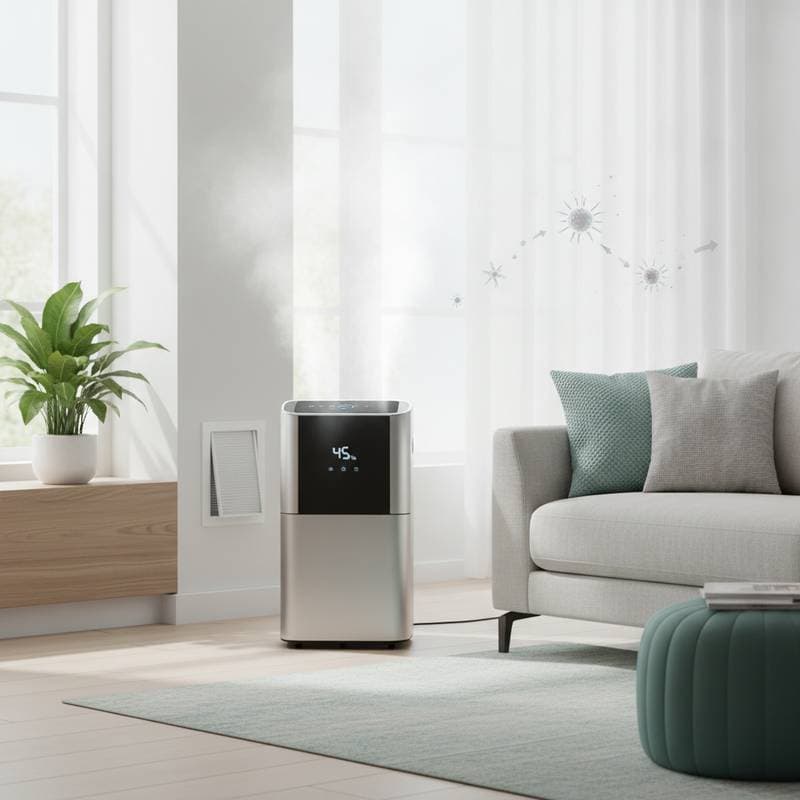
A: Portable devices suit individual rooms but fail to provide uniform coverage. Whole-home systems connect to ductwork for consistent humidity across the residence.
Q: How often should my humidity control system be serviced?
A: Schedule service annually, aligned with HVAC maintenance. This ensures clean filters, calibrated sensors, and unobstructed drains.