Combat Mold with Moisture-Sensing HVAC Vents
As an HVAC professional, I have observed numerous homeowners facing mold infiltration in vents, walls, and furniture during humid periods. Homeowners often detect a persistent musty odor or recurring dark spots near registers despite regular cleaning efforts. These issues extend beyond aesthetics; they indicate imbalanced indoor humidity and ineffective moisture management by the HVAC system.
Residents in areas with heavy summer air or winter window condensation face heightened mold risks, as spores proliferate in damp environments. Fortunately, advanced technology addresses this challenge. Moisture-sensing HVAC vents provide an automated method to regulate humidity, safeguarding health and structural integrity.
Understanding the Problem: Mold and Moisture in Modern Homes
Mold requires moisture, warmth, and organic surfaces to flourish. It spreads rapidly once established on damp areas, often via ductwork and concealed spaces. Field experience reveals that minor condensation within ducts can lead to extensive contamination. Environmental Protection Agency studies indicate that indoor humidity exceeding 60 percent fosters optimal mold growth conditions.
Typical causes encompass:
- Inadequate ventilation in bathrooms and kitchens
- Leaking ducts or unsealed vents
- HVAC units that are oversized or undersized, resulting in inefficient cycling
- Obstructed filters or soiled coils that impede airflow
Increasing air conditioner runtime may seem beneficial, yet excessive cooling promotes internal condensation. This accumulated moisture then supports mold development.
Why Moisture-Sensing HVAC Vents Are a Game Changer
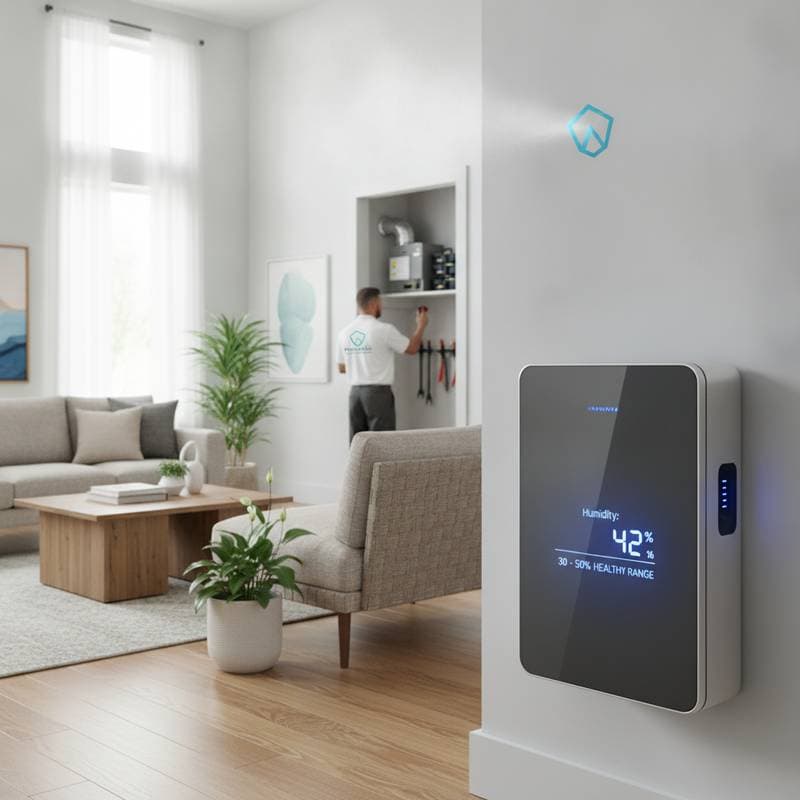
Conventional vents operate via fixed manual adjustments and cannot monitor humidity fluctuations. In contrast, moisture-sensing vents incorporate sensors for real-time moisture detection. Upon exceeding designated humidity levels, these vents automatically modulate airflow or alert the HVAC system to eliminate surplus moisture.
These vents earn recommendation from HVAC specialists for mitigating mold risks while enhancing comfort. Envision entering a room with consistently fresh, balanced air, free from the sticky residue of humid conditions.
Homeowners frequently experience these benefits:
- Automatic humidity control: Sustains optimal levels for comfort and safety.
- Energy efficiency: Avoids excessive cooling cycles that elevate utility expenses.
- System longevity: Minimizes corrosion on coils and ducts from retained moisture.
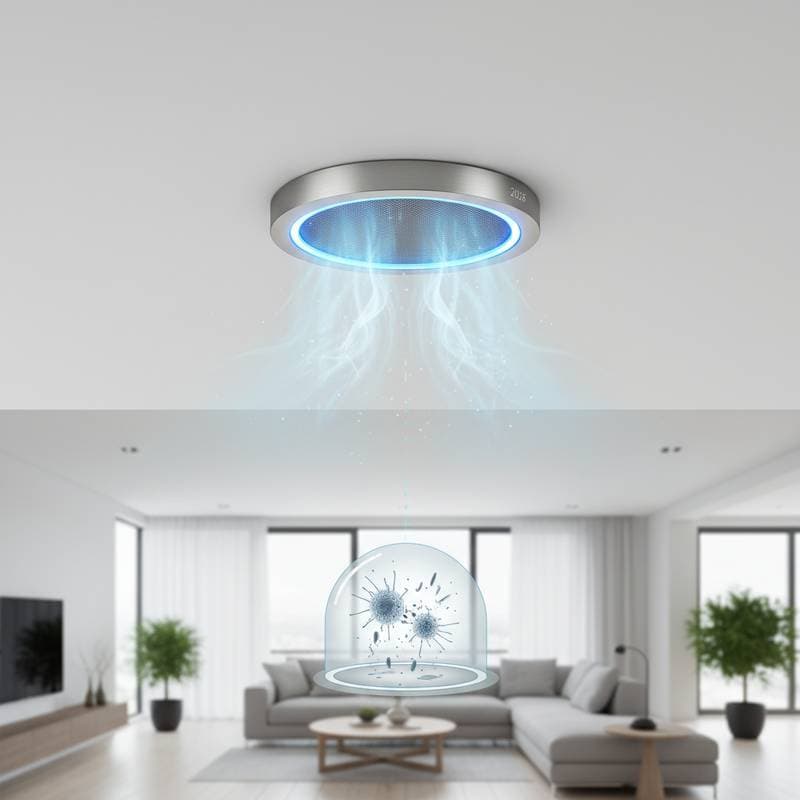
- Health benefits: Curbs mold spores and allergens that provoke respiratory concerns.
How Moisture-Sensing Vents Work
These vents function as humidity thermostats. An integrated sensor in each vent assesses relative humidity in the local environment. Upon detecting elevated moisture, the vent interfaces with the central HVAC controller or smart home system.
Possible responses include:
- Enhancing air circulation in moisture-prone areas such as bathrooms or basements.
- Activating the dehumidifier or air conditioner for targeted moisture extraction.
- Restricting airflow in equilibrated rooms to direct efforts elsewhere.
This precise strategy addresses issues at their source, rather than applying uniform treatment across the residence.
Expert Tips to Maximize Performance
Effective installation of moisture-sensing vents benefits from complementary measures, based on extensive field application.
- Inspect ducts prior to installation. Confirm cleanliness, sealing, and insulation to prevent spore dissemination despite humidity regulation.
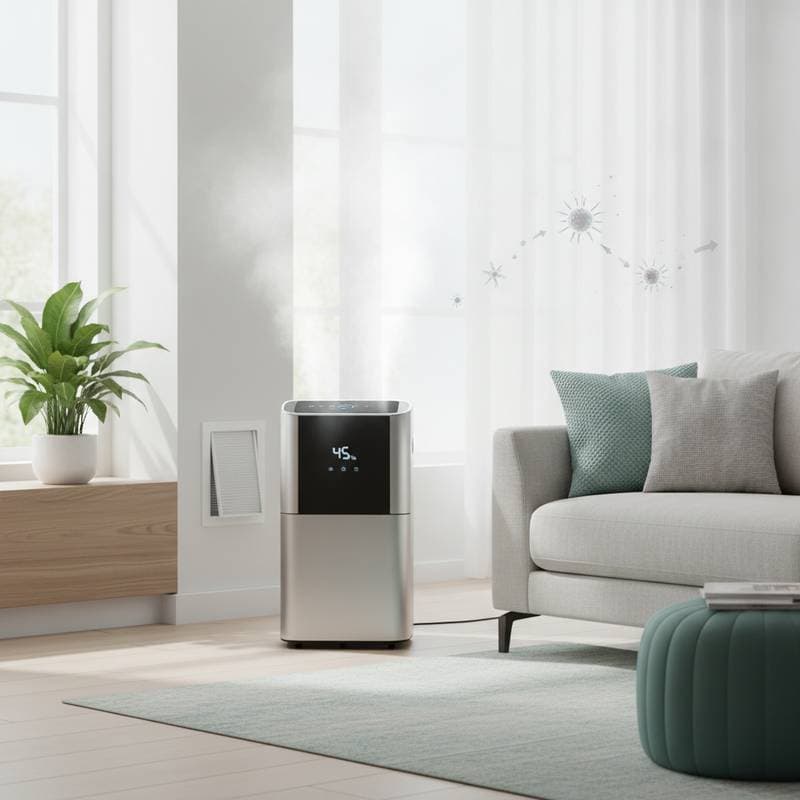
- Incorporate a whole-home dehumidifier. Such units directly remove airborne moisture, particularly in humid seasons.
- Calibrate sensors accurately. Establish thresholds between 45 and 55 percent humidity to balance comfort and mold deterrence.
- Integrate with smart thermostats. These devices coordinate temperature and humidity management seamlessly.
- Arrange seasonal maintenance. Professionals should clean coils, verify refrigerant, and adjust airflow biannually.
Identifying Warning Signs Before They Escalate
Visible mold need not appear to signal trouble. Monitor these precursors:
- Enduring damp or musty smells
- Rooms feeling oppressive despite air conditioning operation
- Moisture buildup on supply grilles or near vents
- Inconsistent cooling or localized hot areas indicating airflow disparities
- Increased allergies or breathing difficulties
Should these indicators resonate, moisture-sensing vents offer a responsive remedy. They intervene proactively, averting expensive remediation.
Practical Considerations Before You Upgrade
Upgrading to smart vents demands thoughtful preparation. Evaluate these elements:
Cost Range:
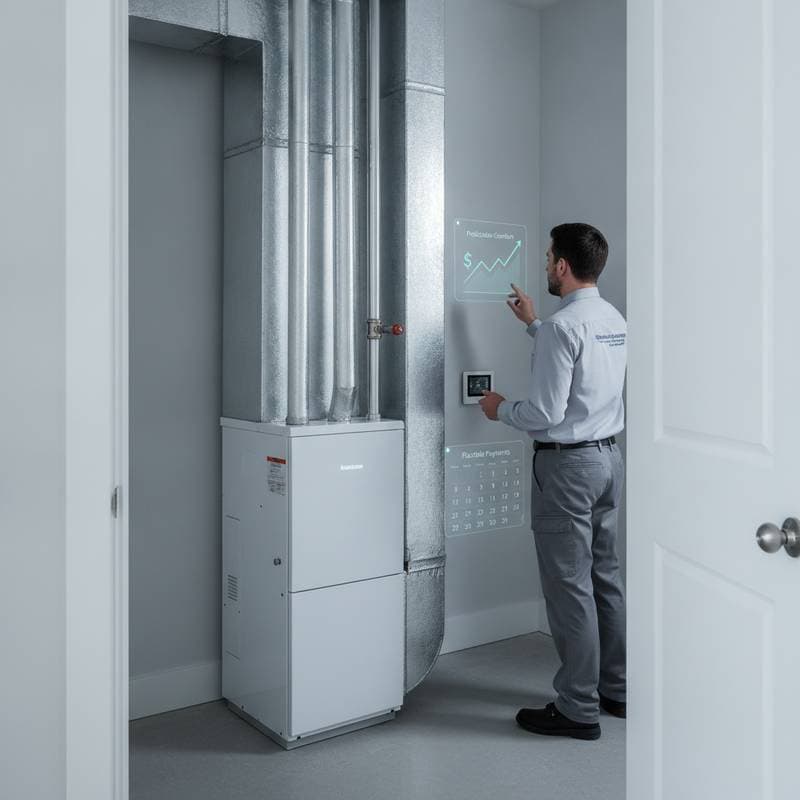
Individual vents range from $120 to $250, varying by brand and smart features. A typical medium home installation totals $1,200 to $2,500 with expert labor.
Installation Time:
Retrofits generally conclude in one day. Additional smart hubs or duct modifications extend the duration slightly.
Compatibility:
Older HVAC systems may require adapter modules for integration. Verify system alignment before proceeding.
Maintenance:
Vents demand minimal upkeep; routine dusting and annual recalibration suffice.
Safety Compliance:
Installers must adhere to codes for airflow and ventilation. Faulty configuration risks motor strain or diminished air quality.
Regional Insights: Adapting to Local Climates
Local weather influences indoor moisture dynamics significantly. Coastal regions encounter amplified condensation from salt-infused air, even in moderate temperatures. Mountainous areas experience moisture accumulation from abrupt thermal shifts on ducts or in attics.
Tailor vent configurations to regional specifics. In humid southern locales, activation at 50 percent humidity proves effective; drier areas benefit from 55 percent to avoid excessive aridity. Area experts can refine settings based on prevalent patterns.
Long-Term Payoffs
Integrated moisture-sensing vents yield enduring advantages beyond mold control. They ensure consistent comfort, preserve flooring and furnishings, and prolong HVAC durability. Numerous residents note reduced energy expenses in the initial year, as systems cease overreacting to humidity variances.
Dr. Karen Lewis, a building science consultant, states, “Smart ventilation represents the logical advancement in residential efficiency. Allowing the home to self-regulate achieves equilibrium without ongoing manual intervention.” This perspective aligns with practical observations: diminished service needs and enhanced equipment reliability.
Steps to Implement Moisture-Sensing Vents
To counter humidity and mold threats effectively, consider moisture-sensing vents as a core component. Engage a licensed HVAC specialist to assess duct configuration and current moisture profiles. This evaluation determines vent quantity and smart compatibility.
Post-installation, observe improvements in air freshness, temperature stability, and odor elimination within days. Pair with routine maintenance to sustain year-round protection.
Consult trusted HVAC professionals for tailored guidance and installation, ensuring informed enhancements to your living space.
Frequently Asked Questions
Q: How do moisture-sensing vents detect humidity levels?
A: Internal sensors in each vent gauge relative humidity in the ambient air. Exceeding the set threshold prompts airflow adjustments or HVAC signals to restore balance.
Q: Can moisture-sensing vents replace a dehumidifier?
A: They regulate airflow to mitigate humidity but do not extract moisture directly from the air.
Q: How long do these vents last?
A: Quality units endure 8 to 10 years with appropriate care. Consistent cleaning and sensor adjustments preserve performance.
Q: Are moisture-sensing vents compatible with all HVAC systems?
A: Modern setups with smart thermostats or zoning integrate straightforwardly. Legacy systems often necessitate adapter modules.
Q: What kind of energy savings can I expect?
A: Residents commonly achieve 10 to 20 percent reductions in cooling expenses after humidity stabilization. This efficiency lessens component stress and extends operational life.
Proactive implementation fosters a cleaner, safer, and more comfortable residence. Equipped HVAC systems detect and counteract moisture, neutralizing mold risks at inception.