Prevent Mold Before 2026 with HVAC Humidity Control
Costs for humidity control solutions vary based on the scope of the project. A whole-house dehumidifier installation typically ranges from $1,200 to $3,800. Tune-ups for humidity control systems fall between $150 and $500, while combined HVAC and dehumidification upgrades cost $2,000 to $5,500.
Uncontrolled indoor humidity creates an ideal setting for mold growth. Proper HVAC humidity control maintains balanced moisture levels, safeguards air quality, and avoids expensive remediation efforts. The average cost to integrate humidity control into an HVAC system spans $1,200 to $3,800, influenced by home size, system type, and installation demands.
Obtain free estimates from local HVAC professionals experienced in humidity management to address potential mold issues early.
| Service Type | Average Cost |
|---|---|
| Whole-house dehumidifier installation | $1,200 to $3,800 |
| Smart humidity control upgrade | $350 to $1,000 |
| HVAC system tune-up with humidity calibration | $150 to $500 |
| Duct inspection and cleaning | $300 to $700 |
| Combined HVAC and dehumidification system | $2,000 to $5,500 |
| Metric | Amount |
|---|---|
| National average cost | $2,400 |
| Minimum cost | $150 |
| Maximum cost | $5,500 |
| Average cost range | $1,200 to $3,800 |
Cost data derives from research and reported project expenses.
Why Humidity Control Prevents Mold
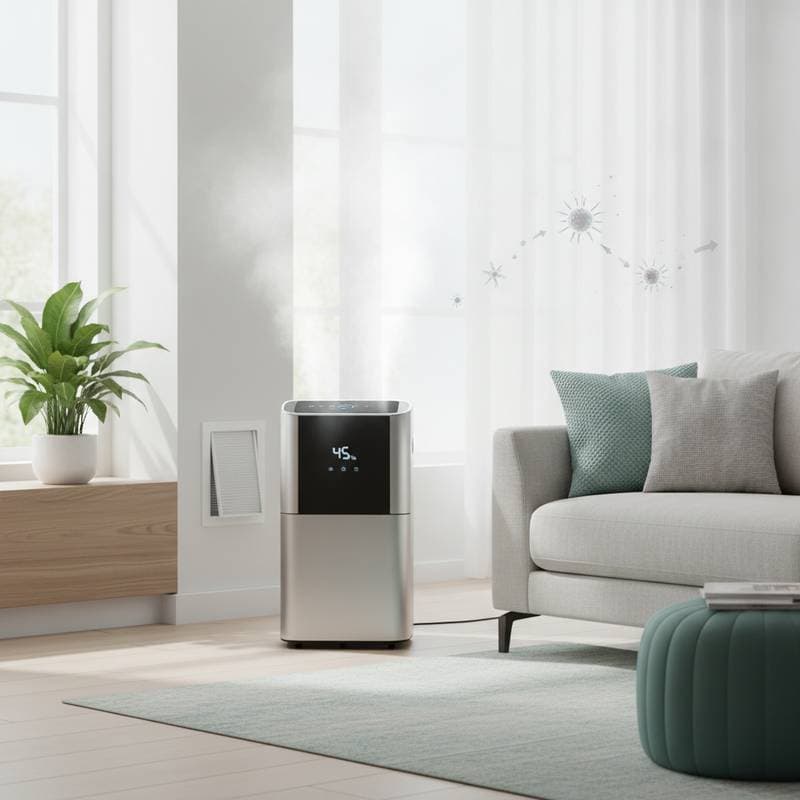
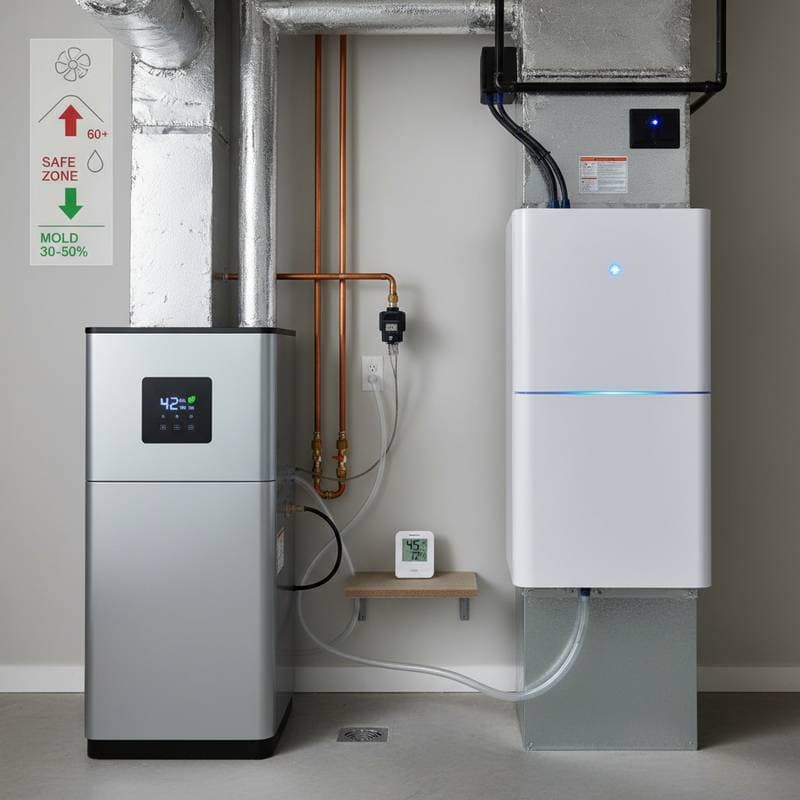
Mold flourishes in warm, moist conditions where relative humidity exceeds 60 percent. HVAC humidity control keeps indoor moisture between 30 and 50 percent, which inhibits mold spores from taking hold and multiplying. This balance also shields furniture, flooring, and drywall from distortion or deterioration.
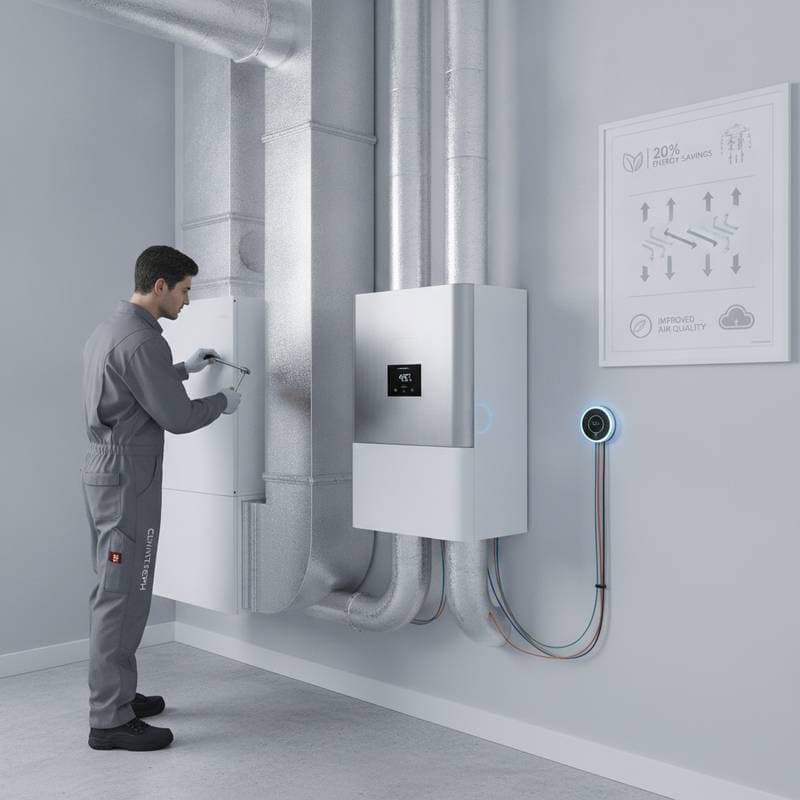
An integrated humidity management approach incorporates the HVAC system, dehumidifiers, and ventilation strategies. These elements work in unison to stabilize air quality and manage energy expenses effectively.
Detailed Cost Breakdowns
Costs by System Type
| System Type | Average Installed Cost |
|---|---|
| Portable dehumidifier | $200 to $600 |
| Whole-house dehumidifier | $1,200 to $3,800 |
| HVAC-integrated smart humidity control | $500 to $1,000 |
| Combined HVAC and dehumidification unit | $2,000 to $5,500 |
Labor and Material Costs
| Category | Cost Range |
|---|---|
| Labor (per hour) | $75 to $150 |
| Materials and equipment | $500 to $3,500 |
| Ductwork modifications | $200 to $800 |
| Electrical connections | $100 to $300 |
Labor accounts for 30 to 40 percent of overall installation expenses. Properties with confined crawlspaces, outdated wiring, or restricted duct access demand extra labor time.
Costs by Home Size
| Home Size | Average Cost |
|---|---|
| Up to 1,500 sq. ft. | $900 to $2,000 |
| 1,500 to 2,500 sq. ft. | $1,500 to $3,200 |
| Over 2,500 sq. ft. | $2,500 to $5,500 |
Larger residences require dehumidifiers with greater capacity or additional units to achieve uniform coverage.
Key Factors Influencing Humidity Control Costs
System type determines initial investment; whole-house units exceed portable options in price yet provide reliable performance and reduced ongoing maintenance.
Home size dictates the required capacity for thorough humidity regulation.
Installation complexity escalates expenses in homes featuring limited duct access, aging HVAC setups, or necessary electrical enhancements.
Efficiency ratings affect upfront costs; superior models consume less energy and yield savings across their lifespan.
Brand quality incorporates advanced sensors and controls for enhanced accuracy, though at a premium price point.
Location and climate impact needs; humid regions necessitate robust systems, elevating both setup and operational costs.
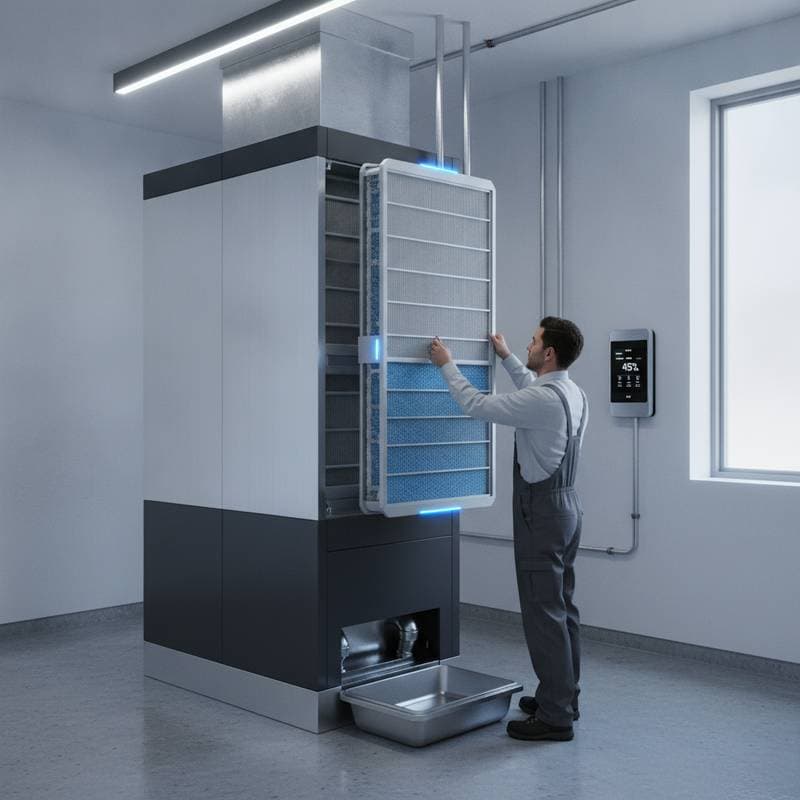
Maintenance requirements ensure longevity; routine tasks like filter changes and coil cleaning sustain performance and deter mold.
Seasonal demand influences pricing; service providers extend discounts during quieter periods.
Associated Expenses to Budget For
Humidity control enhancements may necessitate complementary upgrades that affect the total outlay.
- Permits and inspections: $50 to $300, varying by local codes
- Duct cleaning: $300 to $700, to optimize airflow and inhibit mold
- Old unit removal: $100 to $250, covering disposal charges
- Drain line installation: $150 to $400, for managing condensate from dehumidifiers
- Smart thermostat integration: $200 to $600, enabling automated humidity oversight
Factoring these elements into planning supports a comprehensive, high-performing installation.
Essential Maintenance and Care Practices
Routine upkeep preserves system efficiency, upholds air quality, and prolongs equipment durability.
- Replace air filters every one to three months
- Clean dehumidifier coils twice annually
- Inspect and clear condensate drains on a regular basis
- Arrange annual professional HVAC servicing
- Employ smart sensors for ongoing humidity monitoring
- Seal doors and windows to minimize external moisture entry
Consistent care optimizes operations and averts minor problems from escalating into major repairs.
Deciding Between Repair and Replacement
When an existing HVAC system fails to regulate humidity adequately, evaluate options for repair versus full replacement.
Systems exceeding ten years in age warrant consideration for upgrade to contemporary, energy-efficient alternatives.
Repair expenses surpassing half the cost of a new unit generally favor replacement.
Ongoing air quality concerns, such as elevated humidity or mold scents, signal inadequate moisture handling.
Increasing energy consumption points to reduced efficiency.
A qualified HVAC technician evaluates specific needs to recommend upgrades or comprehensive renewal for optimal outcomes.
Strategies to Reduce Humidity Control Expenses
- Solicit multiple quotes to evaluate labor and materials
- Time installations for off-peak seasons to benefit from reduced rates
- Explore utility rebates for energy-efficient choices
- Combine services like duct cleaning and thermostat additions
- Select high-efficiency models to cut future energy use
- Perform regular maintenance to prevent costly failures
- Implement smart controls for adaptive, condition-based adjustments
These approaches minimize spending while enhancing comfort and indoor environment quality.
Frequently Asked Questions
How Much Does a Whole-House Dehumidifier Installation Cost?
Average installation expenses range from $1,200 to $3,800, based on unit size and home configuration. Expansive areas or intricate duct systems raise the total.
What Humidity Level Prevents Mold Growth?
Indoor humidity between 30 and 50 percent deters mold development. Levels above 60 percent promote spore proliferation.
Can an Existing HVAC System Manage Humidity?
Modern HVAC systems regulate humidity effectively when fitted with appropriate sensors and controls. Older units often require supplementary dehumidification.
How Frequently Should Humidity Controls Receive Service?
Annual servicing, encompassing filter replacements, coil cleaning, and calibration, ensures precise operation.
Are Smart Humidity Controls a Sound Investment?
Priced from $350 to $1,000, smart controls offer exact moisture regulation, remote access, and sustained energy reductions.
What Indicators Suggest the Need for Improved Humidity Control?
Window condensation, musty smells, paint blistering, or chronic allergies signal moisture disequilibrium.
Does Humidity Control Reduce Energy Bills?
Balanced humidity enables HVAC systems to operate with greater efficiency, lowering heating and cooling expenditures.
Is It Necessary to Have Both a Humidifier and Dehumidifier?
In regions with fluctuating seasonal humidity, both devices prove beneficial. A professional assessment identifies the ideal setup for local conditions.
Steps to Achieve a Mold-Free Home
Assess your current humidity levels with a reliable hygrometer to identify imbalances early. Consult certified HVAC experts for personalized recommendations and quotes. Implement targeted solutions promptly to protect your property and well-being ahead of humid periods.