Revolutionize Indoor Comfort with Humidity Control in 2026
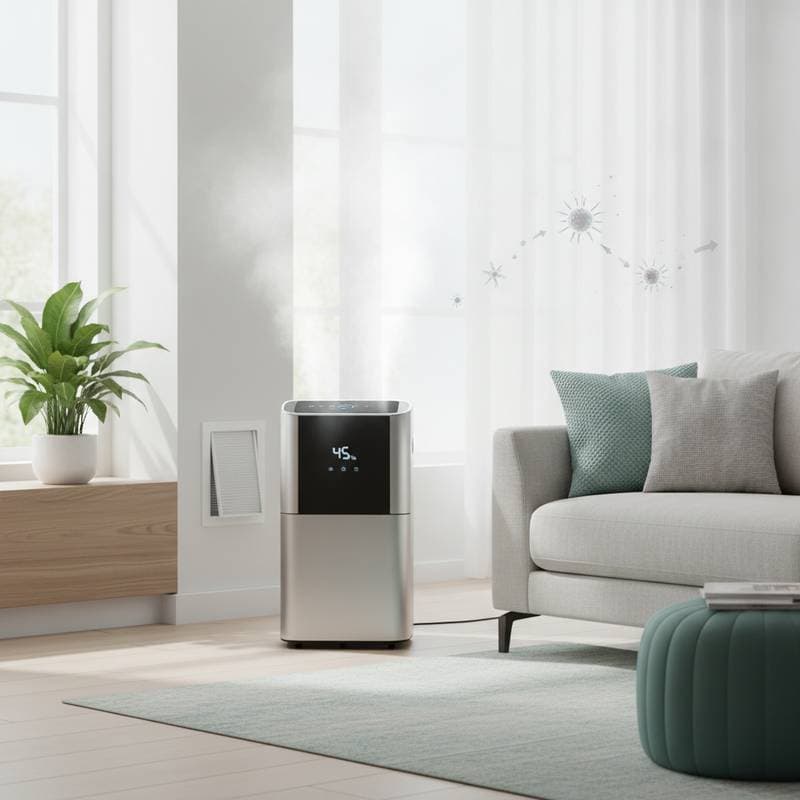
Installation costs for whole home humidifiers range from $1,200 to $3,000, while dehumidification systems fall between $1,500 and $4,000. Portable units provide a more affordable option at $200 to $800. Balanced indoor humidity levels improve health, protect property, and reduce energy consumption.
Homeowners increasingly adopt these systems to maintain optimal moisture levels year-round. Professional installation ensures seamless integration with existing HVAC setups. Contact licensed HVAC experts for personalized estimates tailored to your residence.
Fundamentals of Humidity Control
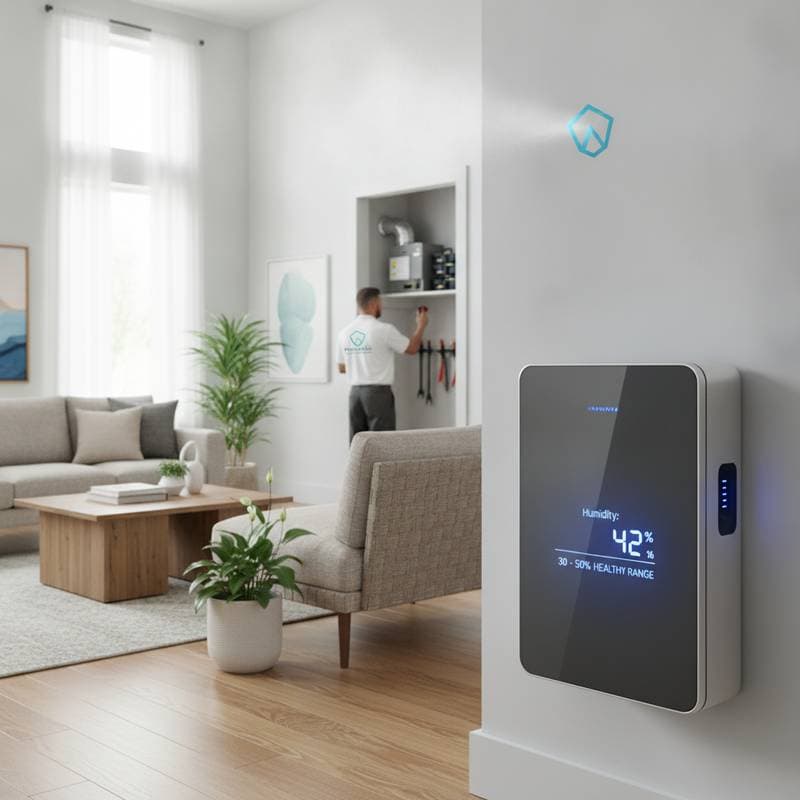
Humidity control involves managing the moisture content in indoor air to sustain levels between 30 percent and 50 percent. Excessive dryness leads to issues such as static buildup, irritated skin, and damage to wooden elements like furniture or flooring. High humidity, conversely, promotes mold proliferation and exacerbates breathing difficulties.
Whole home solutions connect directly to the HVAC infrastructure, providing automated regulation across all living areas. These systems outperform portable devices by delivering uniform coverage and demanding minimal ongoing intervention after setup. Selecting the appropriate type depends on local climate and household needs.
Key Factors Influencing Costs
Multiple variables determine the overall expense of humidity control installations. Awareness of these elements enables precise budgeting and informed choices.
- Home size: Expansive properties require units with greater capacity, elevating equipment prices and installation labor.
- System type: Options like steam humidifiers or advanced dehumidifiers involve higher initial investments yet deliver superior accuracy and reduced operational expenses over time.
- HVAC compatibility: Units that align with existing ducts incur lower setup fees compared to those necessitating structural alterations.
- Climate considerations: Residences in arid or excessively moist regions often demand resilient equipment to uphold steady comfort.
- Brand and quality: Reputable manufacturers incorporate innovations such as remote monitoring and app-based controls, which justify premium pricing through enhanced usability.
- Energy efficiency: Models with strong efficiency ratings minimize electricity use, offsetting their elevated upfront costs with savings on bills.
- Installation challenges: Confined access or outdated HVAC components may call for extra materials and skilled labor.
- Smart features: Integrating sensors or automated thermostats boosts expenses but refines management and optimizes performance.
By evaluating these aspects, homeowners can select systems that balance immediate outlays with long-term value.
Essential Maintenance Practices
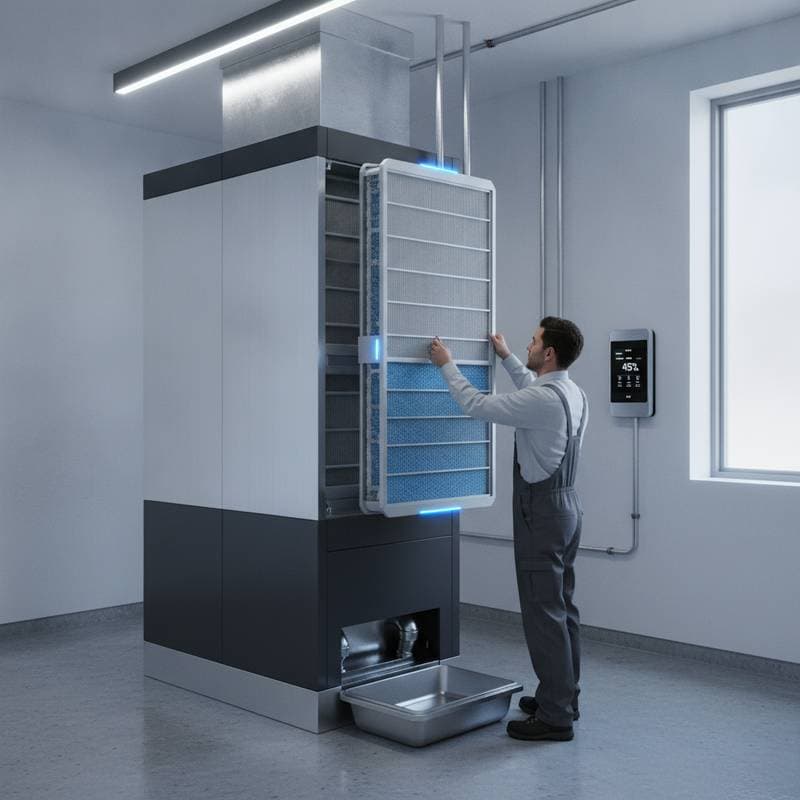
Routine upkeep preserves the effectiveness and longevity of humidity control equipment. Proactive measures address common problems like scale accumulation and filter obstructions.
Recommended maintenance steps:
- Replace air filters every three to six months, adjusting frequency based on system runtime.
- Clean water panels or evaporator components at regular intervals to prevent efficiency loss.
- Examine drain lines quarterly for blockages or moisture escape.
- Arrange annual professional evaluations to detect potential faults early.
- Recalibrate sensors periodically for precise humidity detection.
- Maintain a dust-free zone surrounding the equipment to support optimal airflow.
Consistent attention to these tasks averts expensive fixes and sustains reliable operation across seasons.
Strategies to Minimize Expenses
Homeowners can employ targeted approaches to lower both installation and running costs of humidity systems.
- Obtain quotes from several local HVAC specialists to evaluate competitive rates and inclusions.
- Schedule installations during slower periods, such as late fall or early spring, for potential promotional pricing.
- Investigate utility provider incentives for selecting high-efficiency equipment.
- Combine humidity control with complementary services like air duct sanitation to consolidate expenses.
- Opt for appropriately sized units to prevent unnecessary expenditure on excess power.
- Adhere to maintenance schedules, which prolong equipment life and reduce repair needs.
- Incorporate intelligent thermostats that adjust humidity dynamically and curb energy overuse.
- Address drafts in building envelopes, such as around entry points, to ease the workload on the system.
These methods not only trim financial burdens but also enhance overall system performance.
Selecting and Engaging HVAC Professionals
A competent contractor guarantees that the humidity control installation meets performance expectations and adheres to safety standards.
Steps to identify reliable experts:
- Confirm possession of valid licensing and comprehensive insurance coverage.
- Review online feedback and solicit client testimonials for recent projects.
- Secure a minimum of three comprehensive proposals, each breaking down expenses clearly.
- Verify the team's familiarity with the specific equipment under consideration.
- Inquire about guarantees on components and workmanship.
- Ensure a thorough on-site humidity evaluation precedes any equipment suggestions.
- Explore options for ongoing service contracts.
- Clarify financing arrangements and timelines prior to commitment.
Comparing proposals reveals disparities in value and expertise, facilitating a confident selection.
Essential Questions for Contractors
To refine your decision, pose these targeted inquiries during consultations:
- What specific system configurations suit my home's layout and current HVAC setup?
- How does your pricing account for potential unforeseen modifications?
- What efficiency ratings do you recommend, and why?
- Can you detail the expected energy savings and payback period?
- What maintenance support do you provide post-installation?
- How do you handle warranty claims or service disruptions?
These questions uncover critical details and align expectations.
Achieve Balanced Indoor Environments
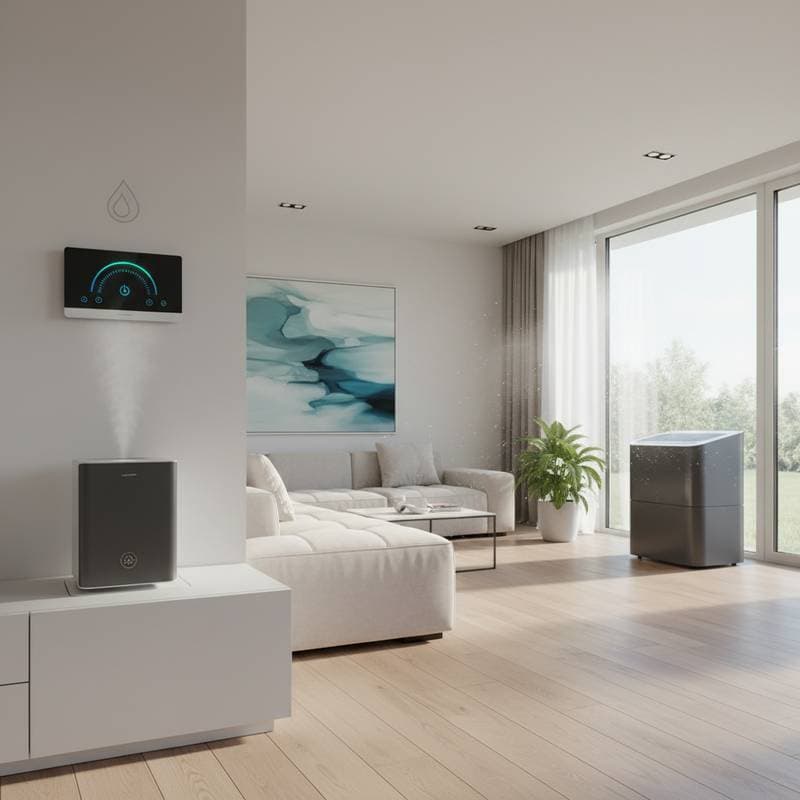
Implementing effective humidity control elevates daily living through sustained comfort and health safeguards. Systems that regulate moisture not only mitigate common environmental hazards but also contribute to lower utility demands. Homeowners who invest thoughtfully in these technologies enjoy resilient, welcoming spaces year after year. Begin by assessing your current indoor conditions and consulting professionals to initiate improvements.