Why Your Home Requires Advanced Humidity Management
Homeowners often overlook humidity as a factor in daily comfort, yet it profoundly affects air quality, health, and system performance. In humid regions, excess moisture leads to sticky atmospheres and potential mold issues. In arid areas, low humidity causes dryness and static buildup. Effective control of indoor moisture ensures a stable, comfortable environment regardless of external conditions.
Challenges Posed by Imbalanced Humidity
Imbalanced humidity extends beyond mere discomfort. High levels exceeding 60 percent relative humidity force air conditioners to operate excessively, yet the air remains muggy. Low levels below 30 percent dry out skin, damage wooden surfaces, and increase heating demands since dry air feels colder.
Field experience reveals how these imbalances erode efficiency. In moist climates, condensation forms on windows, odors develop, and mold proliferates in hidden areas. In dry settings, respiratory irritation and static electricity disrupt routines. Such conditions accelerate HVAC wear, leading to premature failures and higher repair costs.
Importance of Integrated Humidity Solutions
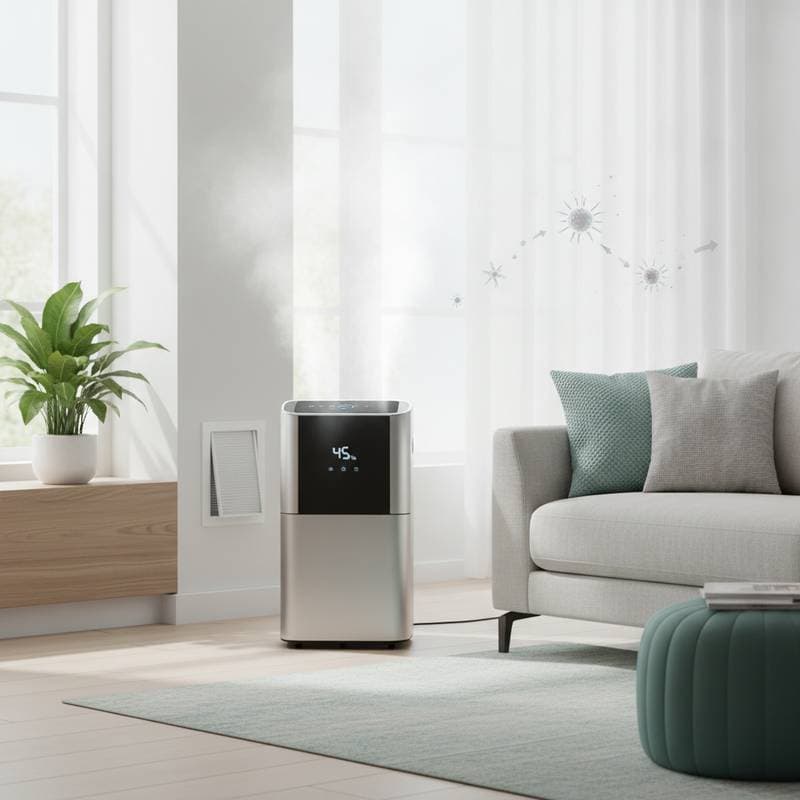
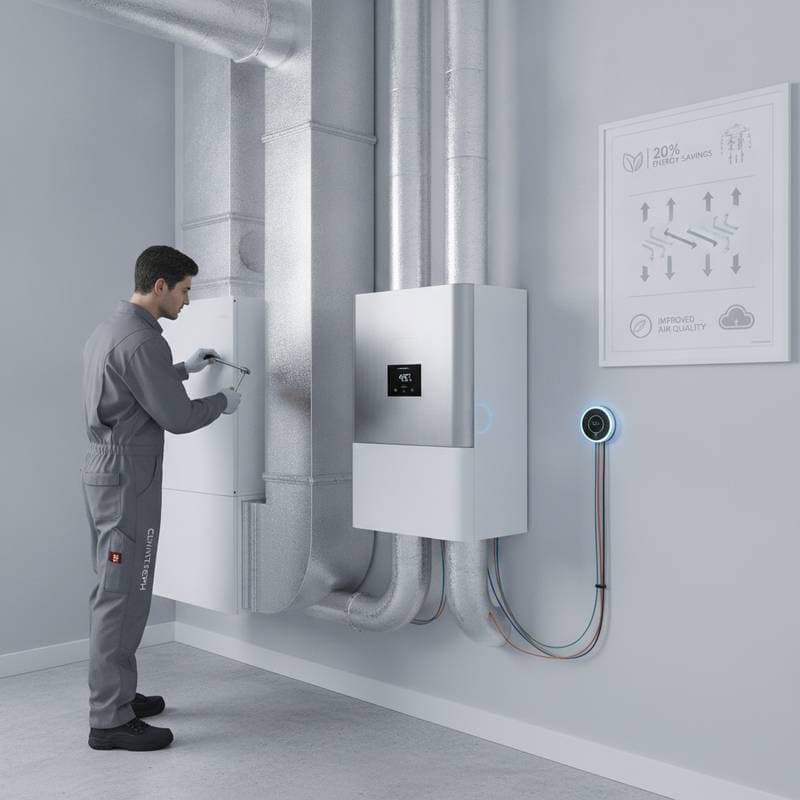
Contemporary humidity systems integrate seamlessly with HVAC setups to maintain optimal levels through automation. Whole-home dehumidifiers or humidifiers link to ductwork, monitoring and adjusting moisture in real time.
These solutions provide steady regulation without manual intervention. They enable HVAC components to function optimally, potentially reducing energy consumption by 10 to 20 percent. Proper moisture balance allows systems to achieve set temperatures more efficiently, minimizing operational strain.
Steps to Implement Effective Humidity Control
1. Assess Existing Conditions
Begin with a thorough evaluation using professional tools like digital hygrometers. Technicians measure moisture across various home zones to identify patterns of excess, deficiency, or inconsistency. This baseline informs tailored recommendations for your specific environment.
2. Select Appropriate Whole-Home Systems
- Whole-home dehumidifiers: Suited for humid areas or damp basements, these units extract moisture from air before distribution, preventing circulation of humidified air.
- Whole-home humidifiers: Essential in dry climates or with forced-air heating, they introduce controlled moisture into the airstream to counteract aridity.
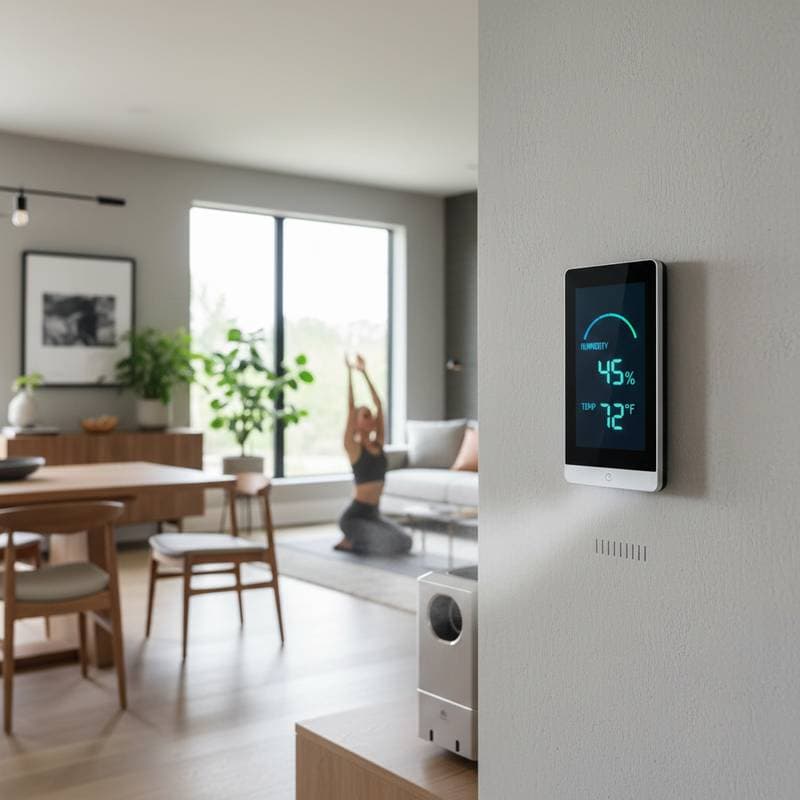
- Integrated smart controls: These combine with thermostats and sensors to sustain 40 to 50 percent relative humidity, adapting to daily fluctuations automatically.
3. Establish Ongoing Maintenance Protocols
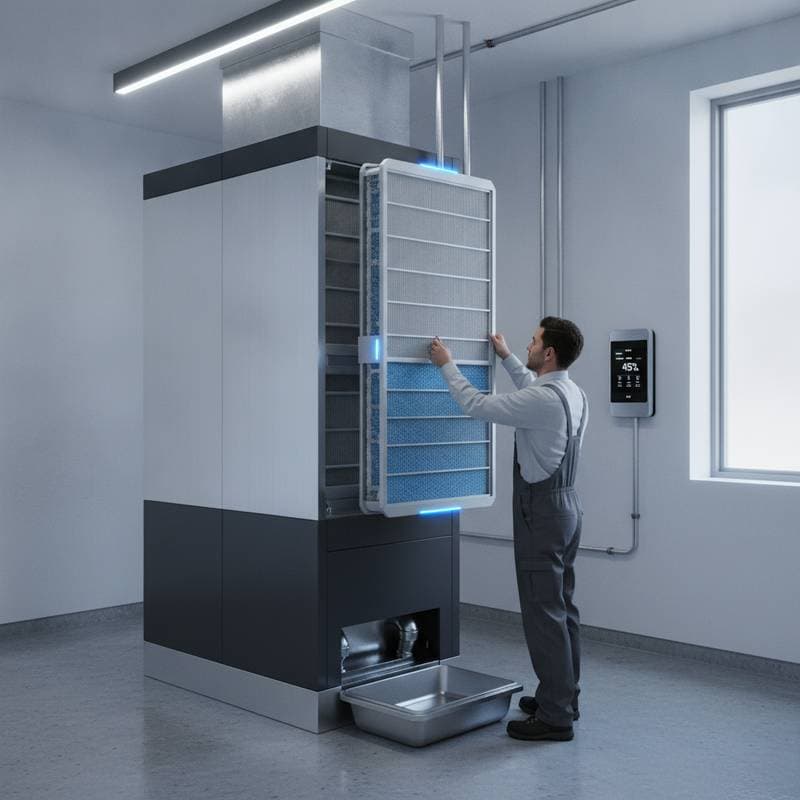
Reliable performance demands regular upkeep. Conduct seasonal checks to clean filters and clear drain lines, avoiding blockages that foster bacteria. Professional inspections safeguard against mold and ensure sustained protection for indoor air.
Immediate Advantages of Balanced Humidity
- Enhanced comfort: Steady moisture levels produce refreshing summer air and welcoming winter warmth.
- Superior air quality: Controlled conditions suppress dust mites, mold, and allergens that flourish in extremes.
- Preserved assets: Consistent humidity protects woodwork, instruments, and upholstery from warping or cracking.
- Optimized energy use: Systems attain goals swiftly, curbing unnecessary power draw.
- Lower upkeep needs: Reduced stress on equipment translates to fewer repairs and extended durability.
Field Insights on Implementation and Costs
Clients frequently inquire about expenses. Installed whole-home dehumidifiers range from $2,000 to $3,500, while humidifiers cost $600 to $1,200. Advanced systems offering dual capabilities command premium prices but provide comprehensive oversight.
Professional installation, lasting a few hours, ensures safe integration of drainage, electrical, and airflow elements. Avoid DIY approaches, which risk leaks, hazards, or suboptimal results.
Technician Maria Lopez notes, "Humidity control is not just about comfort, it is about protecting your home’s structure and your health. A well-tuned system keeps everything in balance."
Strategies to Maximize System Longevity
- Clean or replace filters every one to three months based on usage intensity.
- Examine condensate lines periodically to eliminate obstructions.
- Ensure vents remain clear for uniform air distribution.
- Integrate programmable thermostats to synchronize humidity and temperature settings.
- Arrange biannual professional servicing for adjustments and thorough cleaning.
Securing Optimal Indoor Environments
Adopting whole-home humidity management elevates your living space into a resilient haven against climatic variations. Envision entering a home where comfort persists steadily, insulated from outdoor extremes. Success depends on aligning the system with your home's dimensions, regional weather, and personal needs.
To initiate improvements in humidity control, consult certified HVAC specialists via americanairhvac.net. They evaluate setups, suggest fitting options, and offer complimentary estimates.
Balanced humidity fosters enduring comfort, streamlined operations, and tranquility. Experiencing this enhancement makes reverting to unmanaged air unthinkable.
Frequently Asked Questions
Q: How do I know if my home needs a whole-home dehumidifier?
A: Look for indicators such as persistent musty odors, window condensation, or clammy sensations. If these persist, standard air conditioning proves insufficient against elevated moisture.