Why Homeowners Are Adding Backup Heat Before Winter 2026
HVAC professionals observe a clear rise in demand for backup heating systems ahead of winter 2026. Extended cold periods and frequent power disruptions have prompted many households to seek secondary heat sources that operate independently of the primary system. This shift emphasizes reliability during extreme weather.
Homeowners recognize that a single heating source leaves properties vulnerable. Backup options range from integrated dual fuel setups to standalone units that activate when needed. The goal remains consistent comfort and protection against emergencies.
Reasons for Increased Interest in Backup Heat
Recent winters have produced longer cold snaps that strain utility grids. Power interruptions during peak demand periods have increased, leaving homes without heat for extended times. A secondary system addresses this gap by providing immediate warmth.
Property protection forms another key driver. Frozen pipes can lead to significant damage within hours. Backup heat reduces this risk while delivering peace of mind during outages.
Dual Fuel Systems as a Leading Choice
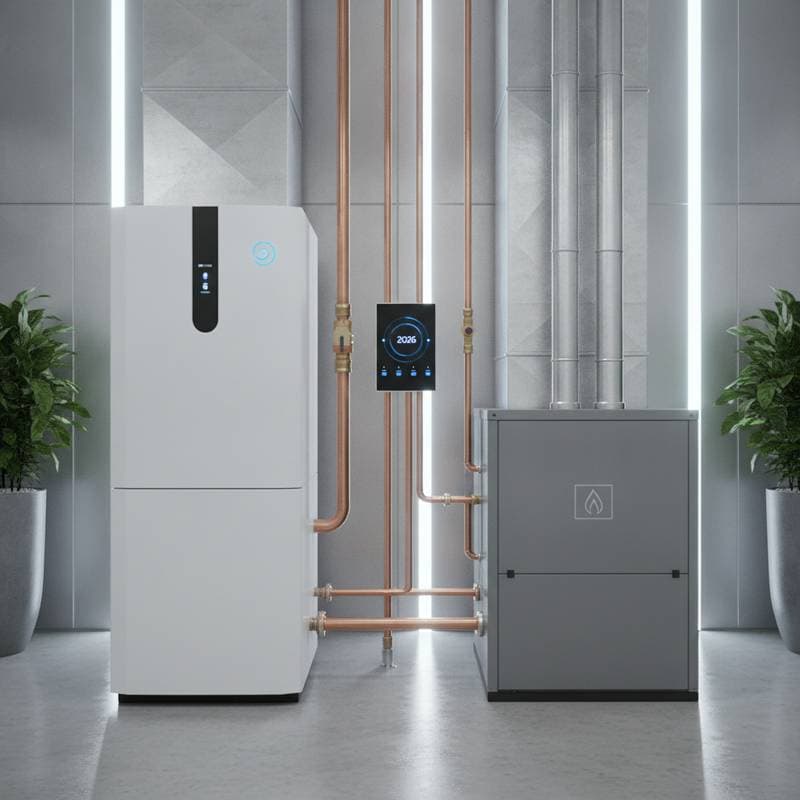
Dual fuel systems pair an electric heat pump with a gas furnace. The heat pump manages moderate temperatures efficiently. The furnace engages automatically when temperatures fall below a set point.
These systems offer strong long term value. Installation costs typically range from 6000 to 12000 dollars. Homeowners benefit from lower energy use and uninterrupted performance.
Main Advantages of Backup Heating
Backup systems deliver several practical benefits. They maintain warmth without manual intervention. Smart controls optimize energy use across sources. Gas or propane units continue operating during grid failures.
Equipment longevity improves when strain on the primary unit decreases. Regular use of a secondary source also supports stable monthly costs.
Available Backup Heating Types
Homeowners select systems based on property size and fuel access. Dual fuel combinations suit areas with variable winters. Standalone gas heaters provide targeted warmth in smaller spaces at costs between 1500 and 3000 dollars.
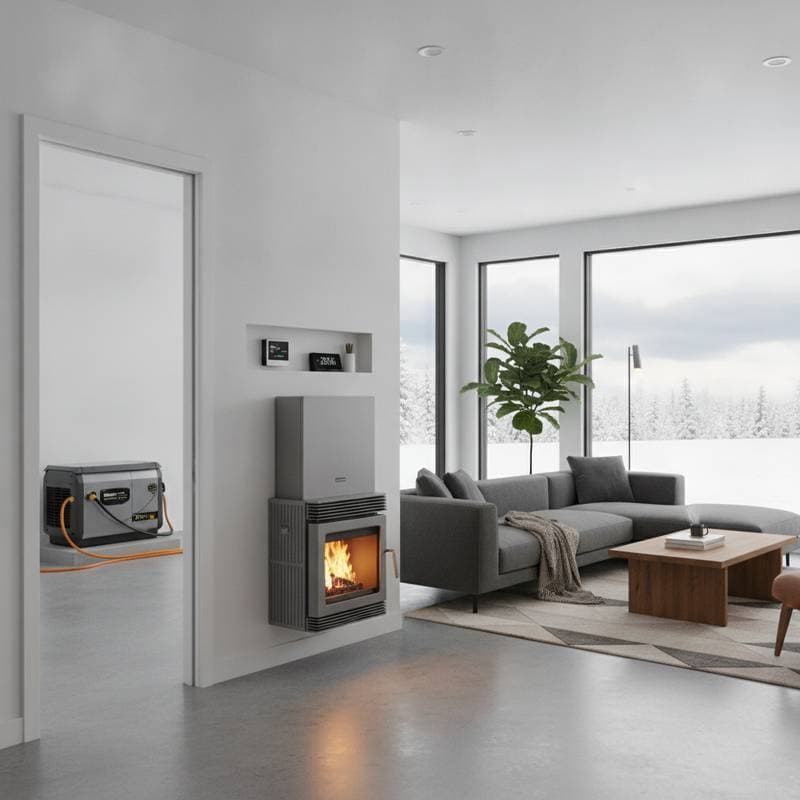
Pellet stoves deliver radiant heat where gas lines are unavailable. Portable electric units serve short term needs under 150 dollars. Whole home generators support full furnace operation during outages at investments from 8000 to 15000 dollars.
Maintenance Practices for Reliable Operation
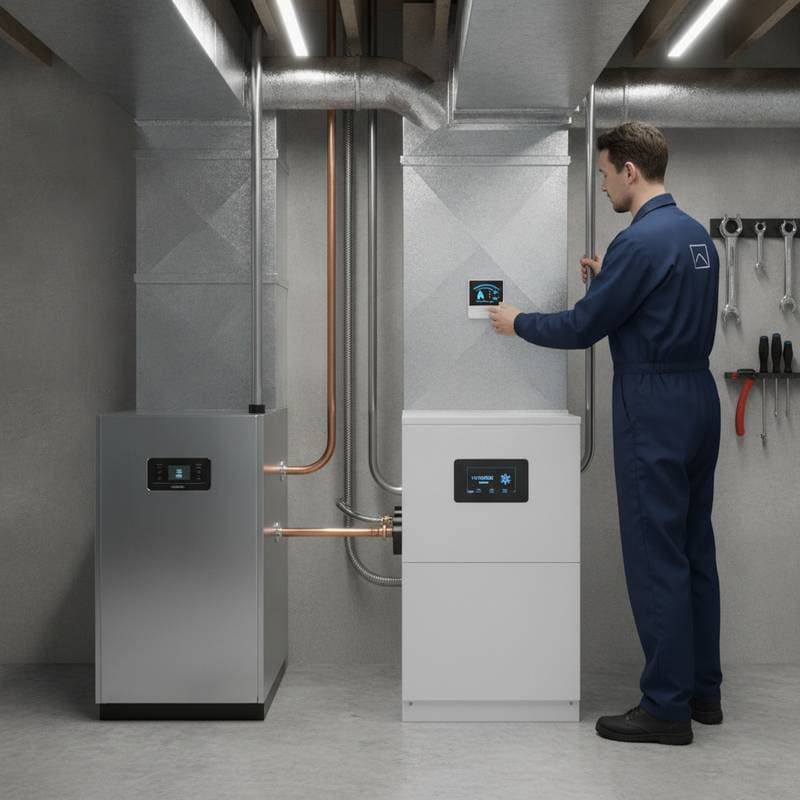
Annual professional service keeps backup systems ready. Technicians inspect burners, sensors, and fuel connections. Homeowners should test units before cold weather arrives and clear all vents to prevent hazards.
Filter replacement and fuel level checks further support performance. These steps ensure the system responds when primary heat fails.
Indicators That Backup Support May Be Needed
Several signs suggest a home could benefit from added capacity. Furnaces that struggle during cold snaps or produce unusual sounds warrant attention. Rising energy bills without changes in usage also signal potential issues.
Frequent cycling or uneven room temperatures point to the same concern. Consultation with a licensed technician helps determine suitable solutions.
Factors to Consider Before Installation
Cost comparisons should include both upfront expenses and ongoing savings. Safety compliance requires certified installers who manage permits and venting. Space needs and integration with existing controls also influence the final selection.
Fuel logistics and maintenance schedules deserve early planning. Proper preparation maximizes return on the investment.
Steps Toward Dependable Winter Heating
Evaluation of the current system performance provides a starting point. A certified HVAC specialist can match options to home requirements. American Air HVAC connects homeowners with local professionals who assess insulation, size, and energy demands to recommend appropriate backup solutions.