Why Dual Fuel HVAC Hybrids Are Dominating 2026
Installation Costs at a Glance
Homeowners typically invest between 7500 and 14000 dollars for a new dual fuel HVAC hybrid system. Replacement projects range from 5000 to 11000 dollars. Annual maintenance plans cost 250 to 600 dollars.
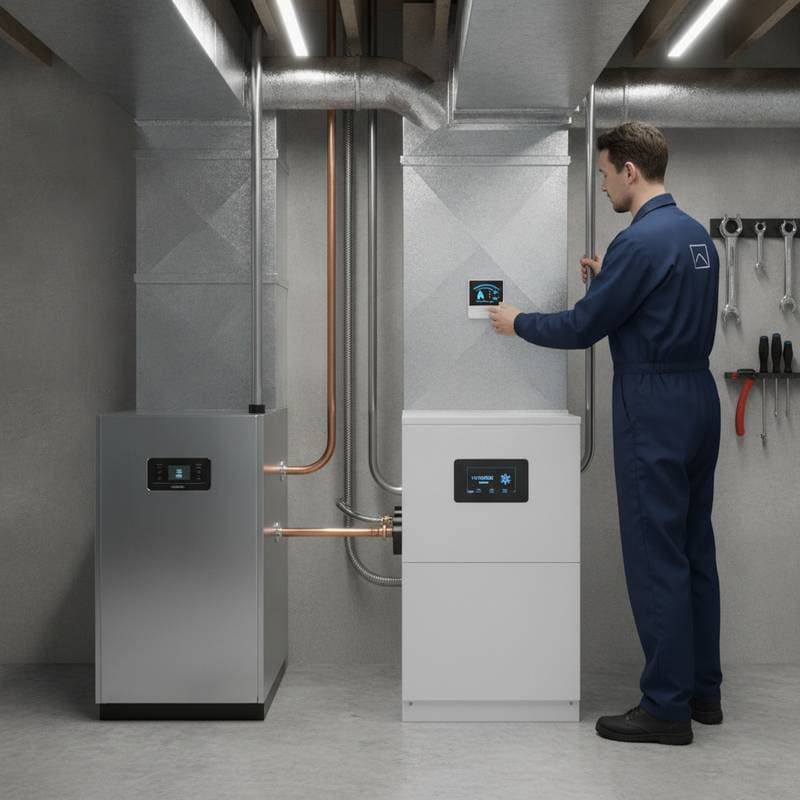
These systems pair an electric heat pump with a gas furnace. They switch automatically based on outdoor temperatures to optimize efficiency.
How Dual Fuel Systems Operate
The hybrid design uses the heat pump during mild conditions for efficient heating and cooling. When temperatures fall, the gas furnace engages to deliver steady warmth. This approach avoids the limitations of single-source systems.
Homeowners benefit from reduced energy use without sacrificing comfort in varying weather.
Cost Variations by Home Size
Costs depend on the square footage and required capacity.
- Homes of 1000 to 1500 square feet need 2 to 2.5 ton units. These installations average 7000 to 9000 dollars.
- Homes of 1600 to 2000 square feet require 3 to 3.5 ton systems. Expect costs of 9000 to 11000 dollars.
- Larger homes from 2100 to 3000 square feet use 4 to 5 ton equipment. Prices fall between 11000 and 14000 dollars.
Factors That Affect Pricing
Several elements influence the final expense.
- Larger system capacity raises both equipment and labor fees.
- Higher efficiency ratings increase initial outlay but lower ongoing utility costs.
- Premium brands command higher prices yet provide extended warranties.
- Complex installations involving ductwork or electrical upgrades add to the total.
- Climate conditions may require advanced controls for optimal performance.
- Integration of smart thermostats adds several hundred dollars.
- Available rebates from utilities can offset hundreds in expenses.
- Experienced contractors may charge more but deliver reliable results.
Additional Expenses to Budget
Plan for related services that support the main installation.
- Duct cleaning or sealing ranges from 300 to 1000 dollars.
- Removal of old equipment costs 150 to 500 dollars.
- Permits and inspections run 100 to 400 dollars.
- New thermostat installation averages 200 to 600 dollars.
Upgrading outdated ductwork improves overall system performance and justifies the added investment.
Maintenance Practices for Longevity
Regular care preserves efficiency and prevents breakdowns.
- Arrange professional service annually.
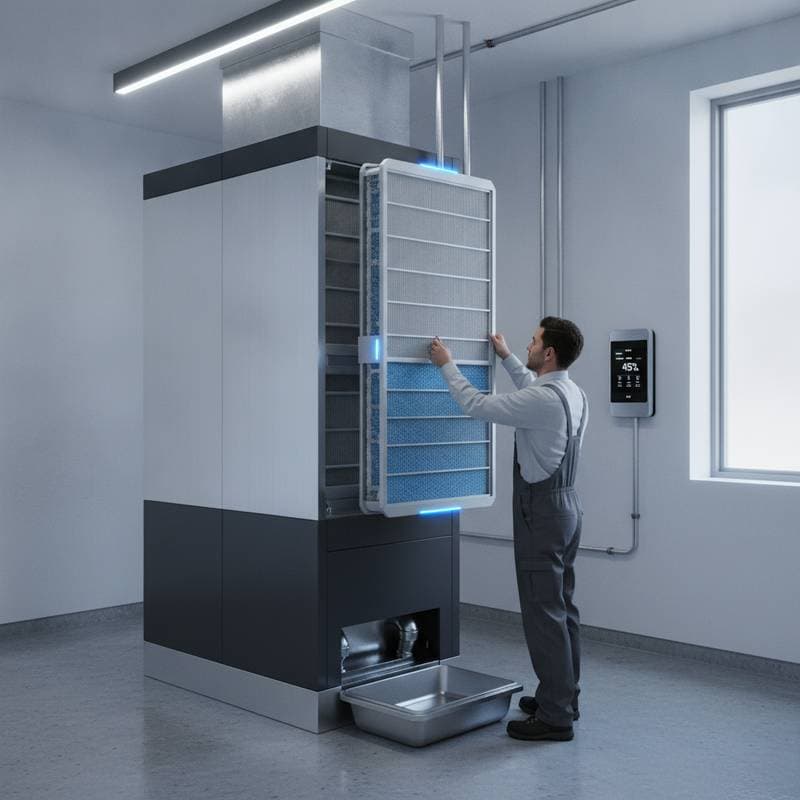
- Change air filters every one to three months.
- Clear debris from outdoor coils.
- Examine gas connections for issues.
- Verify thermostat accuracy during transitions.
- Monitor refrigerant and airflow levels.
Maintenance agreements help maintain consistent operation throughout the year.
Deciding Between Repair and Replacement
If repair costs surpass 40 percent of a new system price, replacement becomes the better option. Systems older than ten years often warrant an upgrade due to rising energy use and inconsistent performance.
New hybrids offer quieter function and precise controls. Energy savings typically recover the investment over several years.
Strategies to Reduce Expenses
Compare quotes from multiple licensed professionals. Seek utility rebates for efficient models. Schedule work during slower seasons to lower labor rates. Bundle related upgrades for potential discounts. Select properly sized equipment to avoid waste. Follow a consistent maintenance schedule. Install programmable controls to manage energy use automatically.
These steps support both upfront savings and sustained performance.
Common Questions About Dual Fuel Systems
Operation Details
The system relies on the heat pump for moderate weather. The furnace activates only in cold conditions. Automatic switching maintains the most efficient mode at all times.
Typical Investment
Installation falls between 7500 and 14000 dollars for most properties. Smaller homes in moderate climates see lower figures.
Efficiency Advantages
Hybrid operation cuts heating expenses by reserving gas use for peak demand. Overall energy consumption drops compared with conventional setups.
Expected Lifespan
Proper care extends service life to 15 or 20 years. Individual components may vary in durability.
Retrofit Possibilities
Many existing furnaces accept heat pump additions. A technician evaluates compatibility on site.
Primary Advantages
Users report lower bills, steady comfort, and smaller environmental impact. The system selects the economical source automatically.
Financing Options
Contractors provide payment plans. Some energy programs offer favorable loan terms for qualifying upgrades.
Planning Your System Upgrade
Contact qualified installers to assess your home and review available incentives. This preparation leads to an efficient setup tailored to your needs.