Humidity Control: Why 2026 Buyers Demand It in HVAC
As an HVAC professional, the observation of homeowners dealing with sticky indoor air is common. This condition renders even a cooled home muggy and uncomfortable. Homeowners may notice persistent operation of the air conditioner, yet skin remains clammy and hardwood floors start to swell. In regions with extended humid summers, this issue elevates humidity control from an optional feature to a standard expectation. Contemporary homebuyers regard balanced indoor humidity as essential in HVAC system upgrades.
The Comfort Challenge in Indoor Air
Residents in climates with prolonged outdoor humidity understand the persistence of excess moisture. It infiltrates attics, basements, and ductwork, affecting comfort and health. Elevated indoor humidity causes rooms to feel warmer than indicated by the thermostat, prompting excessive cooling and increased energy costs. Dry air, by contrast, leads to static electricity, cracked wood trim, and sinus irritation.
Experience in the field indicates that indoor humidity between 40 and 55 percent optimizes comfort and efficiency. Traditional HVAC systems prioritize temperature regulation, often neglecting precise moisture control. This oversight presents an opportunity for advanced systems with integrated humidity management.
Reasons Modern Buyers Prioritize Humidity Control
Current homebuyers possess greater knowledge, focus on energy conservation, and emphasize health. They seek air quality that promotes well-being, safeguards materials, and ensures steady energy consumption. Real estate agents and appraisers report heightened interest in properties equipped with whole-home dehumidifiers or integrated humidity controls.
Excess humidity fosters mold proliferation, window condensation, and structural deterioration, which diminish property value. Discerning buyers appreciate that a humidity-optimized HVAC system averts these problems proactively. During a recent home inspection, a local real estate agent noted, “Buyers walk in and can feel the difference. Dry, balanced air feels cleaner and more comfortable.”
The Fundamentals of Moisture Regulation
Humidity refers to water vapor suspended in the air. Saturated air impairs the body’s perspiration-based cooling mechanism. Consequently, a 75-degree room feels oppressively hot under high humidity. Dry conditions, however, hasten evaporation, resulting in skin dryness and nasal discomfort.
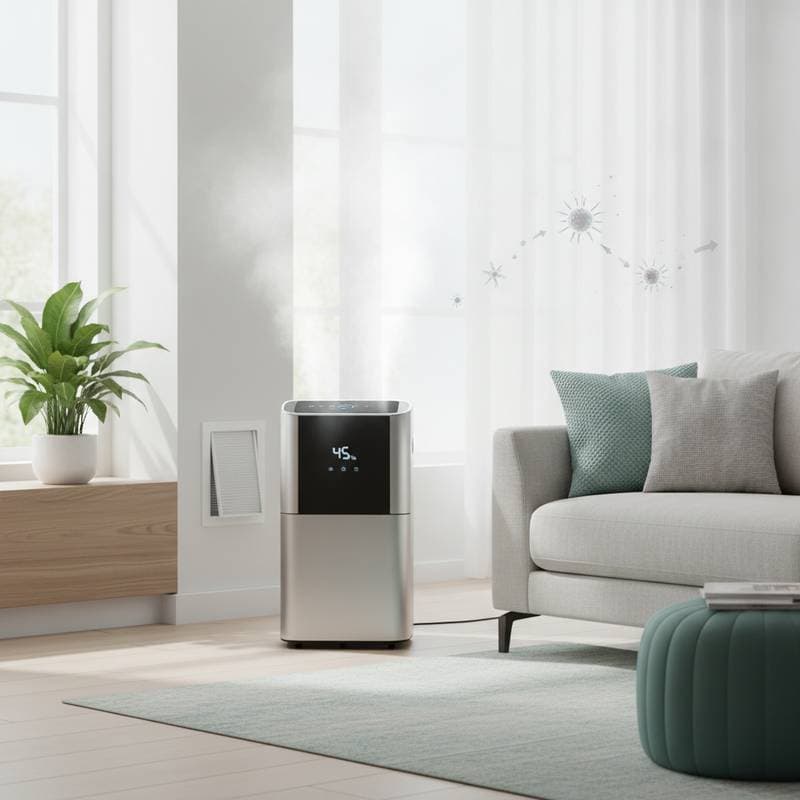
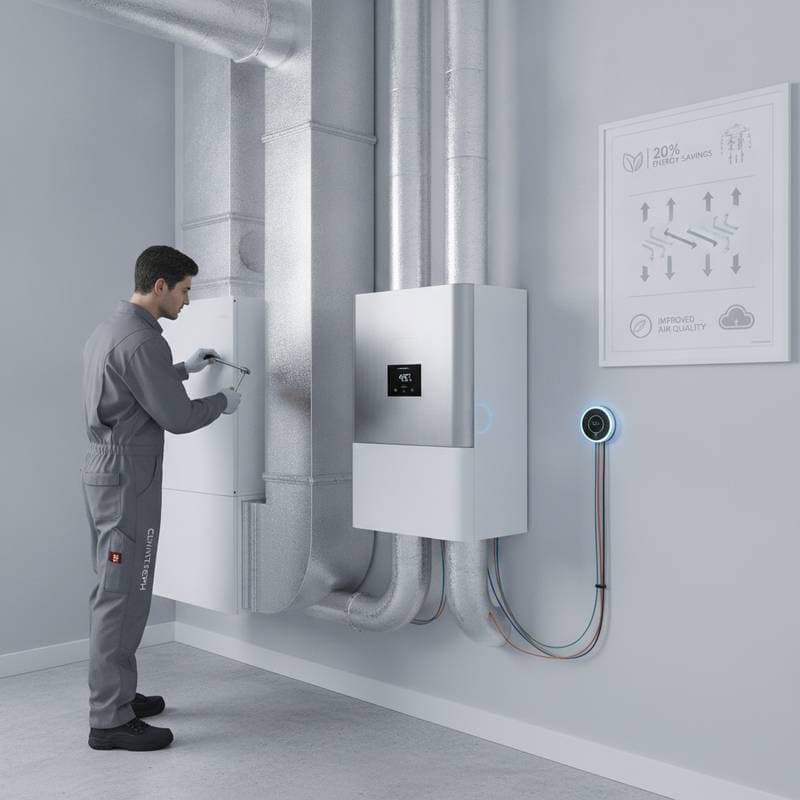
Advanced HVAC systems incorporate variable-speed compressors and smart thermostats to automate temperature and humidity regulation. Whole-home dehumidifiers integrate with ductwork to extract surplus moisture prior to air circulation. These components function in tandem with the primary system or independently during humidity spikes, irrespective of cooling demands.
Proven Methods for Year-Round Humidity Management
Integration of humidity control into the HVAC framework surpasses reliance on portable units. Consider these strategies for effective implementation:
- Incorporate a whole-home dehumidifier. This solution distributes moisture removal evenly across the residence, unlike localized portable devices.
- Adopt a variable-speed HVAC system. Reduced fan speeds extend contact time with the cooling coil, enhancing dehumidification in temperate conditions.
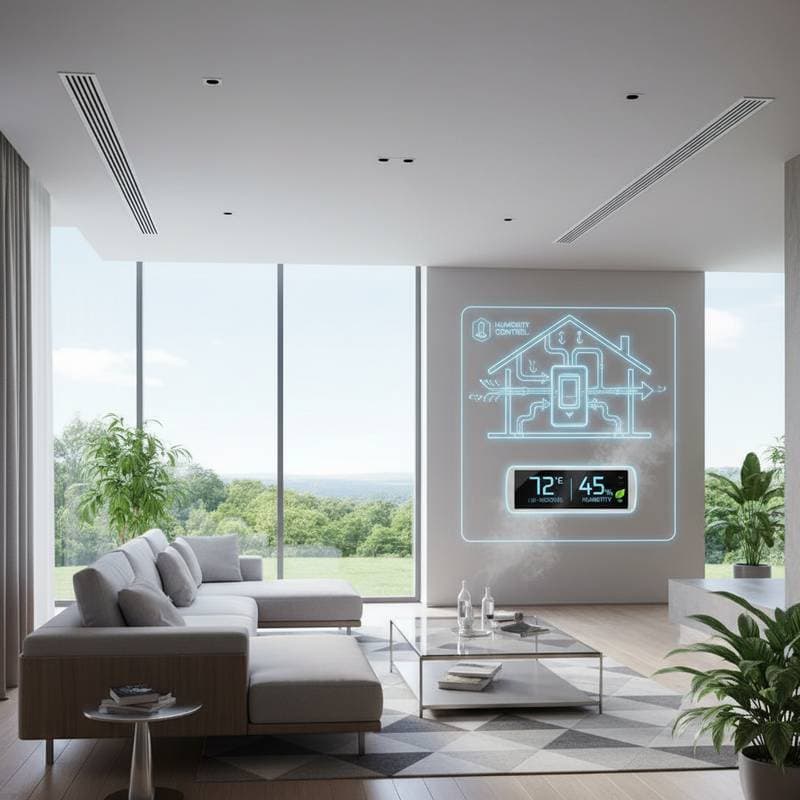
- Implement a smart thermostat featuring humidity sensors. Such devices enable automatic maintenance of optimal levels, minimizing manual interventions.
- Seal ductwork and enhance insulation. Leaks introduce humid air from attics or crawl spaces, counteracting system efforts.
- Ensure adequate ventilation. Exhaust fans in bathrooms, kitchens, and attics expel moisturesuch as cooking and bathing.
Indicators of Inadequate Humidity Regulation
Humidity imbalance reveals itself through observable signs, without requiring specialized tools:
- Condensation on windows during moderate weather.
- Musty smells in closets, basements, or near vents.
- Clammy surfaces despite active air conditioning.
- Warped flooring or swollen door frames.
- Recurrent allergy or asthma episodes tied to mold or dust mites.
These symptoms suggest effective cooling but deficient moisture handling. A professional assessment identifies whether a dehumidifier addition or system adjustment resolves the issue.
Investment Considerations for System Enhancements
Installation of a whole-home dehumidifier ranges from $1,500 to $3,000, varying by capacity and manufacturer. Although the initial cost appears notable, benefits prove worthwhile. Enhanced efficiency yields 10 to 20 percent savings on cooling expenses. Equipment longevity increases as overexertion from humidity removal diminishes.
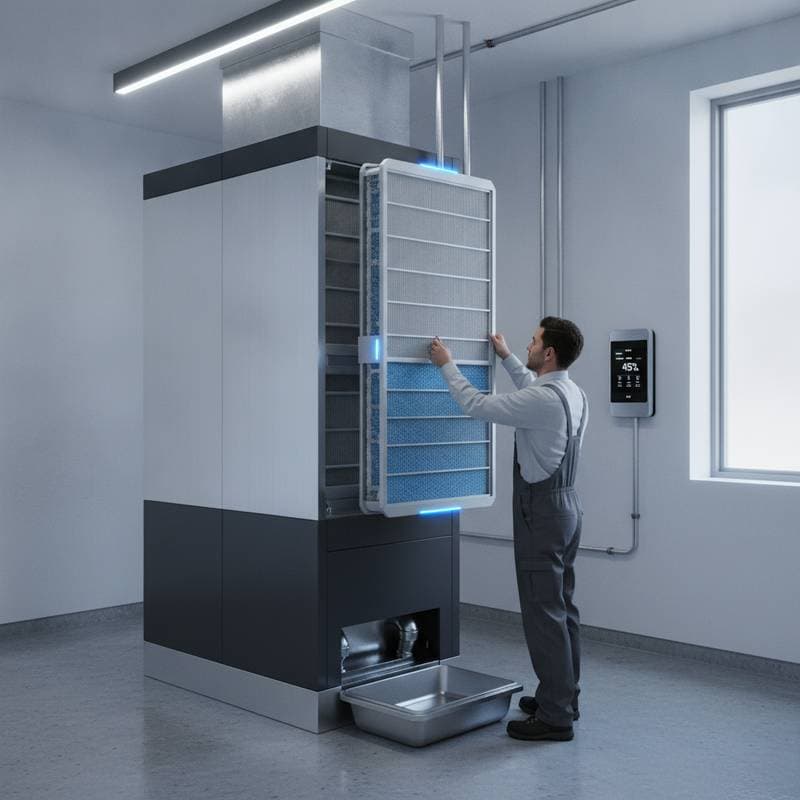
Field experience demonstrates that homeowners recover costs within several seasons via reduced utility bills and fewer service needs. Maintenance involves periodic filter replacements and yearly professional inspections. Contractors must secure necessary permits and adhere to codes for drainage and electrical work.
Gains in Efficiency and Well-Being
Optimal humidity directly supports energy conservation. Moderate moisture allows higher thermostat settings while preserving comfort, potentially saving hundreds annually.
From a health perspective, controlled humidity inhibits mold, bacteria, and dust mite growth. It safeguards furnishings, musical instruments, and electronics against moisture harm. A collaborating mechanical engineer emphasizes, “Humidity control extends beyond comfort; it preserves the internal environment of your home.”
Steps to Achieve Balanced Indoor Air
Upgrading the HVAC system warrants inclusion of humidity control now. Success depends on aligning equipment with home size, insulation, and regional climate. Accurate load calculations prevent inefficiencies like short cycling.
Contact a certified HVAC specialist through our service for a complimentary consultation and customized recommendations. Professional assistance yields an indoor setting with fresh air and consistent comfort throughout the year.
Frequently Asked Questions
Q: How can one determine if a whole-home dehumidifier is necessary?
A: Regular window condensation, clammy air, or musty odors signal excess moisture. Humidity exceeding 55 percent confirms the requirement for enhanced control.
Q: Do air conditioners inherently remove humidity?
A: Air conditioners extract humidity as a cooling side effect. In cooler weather with reduced AC use, moisture levels can elevate. A dedicated dehumidifier addresses this effectively.
Q: What maintenance schedule applies to dehumidifiers?
A: Replace filters every few months and arrange annual professional servicing. Routine care sustains efficiency and avoids condensate line blockages.