Humidity Control in HVAC Systems: A Smart Investment for 2026 Comfort and Savings
Whole-home humidifier installations range from $1,500 to $3,500. Whole-home dehumidifier installations range from $2,000 to $5,000. Combined humidity control HVAC systems range from $3,000 to $7,000.
Proper humidity control represents one of the most overlooked elements of home comfort. Balanced indoor humidity levels safeguard health, preserve structural integrity, and enhance HVAC efficiency. Whole-home humidification and dehumidification systems generally cost between $1,500 and $7,000, with variations based on system type, home size, and installation requirements.
Obtain free estimates from local HVAC professionals experienced in humidity control systems prior to initiating any project.
Average Costs for Humidity Control HVAC Systems
| System Type | Average Cost |
|---|---|
| Whole-home humidifier | $1,500 to $3,500 |
| Whole-home dehumidifier | $2,000 to $5,000 |
| Combined humidity control HVAC | $3,000 to $7,000 |
| Smart humidity controller | $200 to $600 |
| Ductwork modification | $500 to $1,200 |
National Cost Averages
| Metric | Amount |
|---|---|
| National average cost | $4,000 |
| Minimum cost | $1,000 |
| Maximum cost | $7,000 |
| Average cost range | $2,000 to $5,500 |
Cost data derives from industry research and reported project expenses.
The Importance of Humidity Control
Humidity control HVAC systems maintain optimal moisture levels across the entire home. These systems prevent air from drying out during winter months or becoming overly saturated in summer. Such balance enhances resident comfort, inhibits mold development, safeguards wooden furnishings and floors, and alleviates stress on heating and cooling equipment.
Comprehensive Cost Breakdowns
Costs by System Type
Humidifiers introduce moisture into arid indoor environments. Whole-home units typically integrate with furnaces or air handlers for seamless operation.
Dehumidifiers extract surplus moisture to avert condensation and eliminate musty smells.
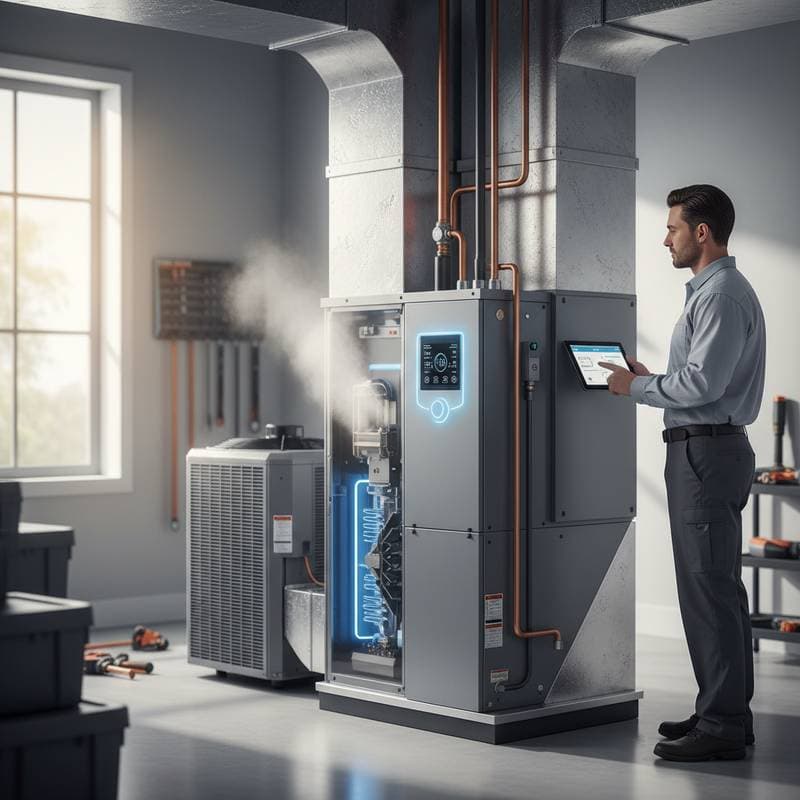
Integrated systems provide both humidification and dehumidification capabilities, ensuring consistent comfort throughout the year.
Costs by Home Size
| Home Size | Estimated Cost Range |
|---|---|
| Under 1,500 sq. ft. | $1,500 to $3,000 |
| 1,500 to 2,500 sq. ft. | $2,500 to $5,000 |
| Over 2,500 sq. ft. | $4,000 to $7,000 |
Labor Versus Equipment Costs
| Cost Type | Average Cost |
|---|---|
| Equipment | 60% of total |
| Labor | 40% of total |
Labor encompasses duct modifications, electrical wiring, and precise system calibration. Installations in older homes or confined areas often elevate labor expenses due to added complexity.
Factors That Influence Total Costs
System capacity plays a primary role, as larger homes demand robust units that incur higher purchase and installation fees.
Efficiency ratings affect pricing; high-efficiency models command premium initial costs yet yield substantial long-term energy savings.
Brand reputation influences expenses, with leading manufacturers offering sophisticated controls and extended warranties.
Installation challenges, such as restricted access to attics or crawl spaces, extend labor duration and costs.
The condition of existing HVAC infrastructure matters; outdated or mismatched systems may necessitate additional upgrades.
Regional climate dictates requirements, with homes in highly humid or arid zones requiring more potent moisture management.
Smart controls, including Wi-Fi-enabled thermostats and humidity sensors, add $200 to $600 to the overall investment.
Ongoing maintenance, such as filter and pad replacements, impacts lifetime expenses.
Associated Project Expenses
Permits and inspections range from $100 to $300, varying by local regulations.
Removal of outdated equipment costs $75 to $200.
Drain line installations run $100 to $250.
Electrical upgrades total $200 to $600.
Integration with smart thermostats adds $150 to $400.
Essential Maintenance Practices
Consistent upkeep ensures humidity control systems operate efficiently and dependably.
- Replace filters or pads every few months to maintain airflow.
- Clean drain lines and water panels regularly to avoid blockages.
- Inspect humidity sensors yearly for calibration accuracy.
- Arrange professional tune-ups before heating or cooling seasons begin.
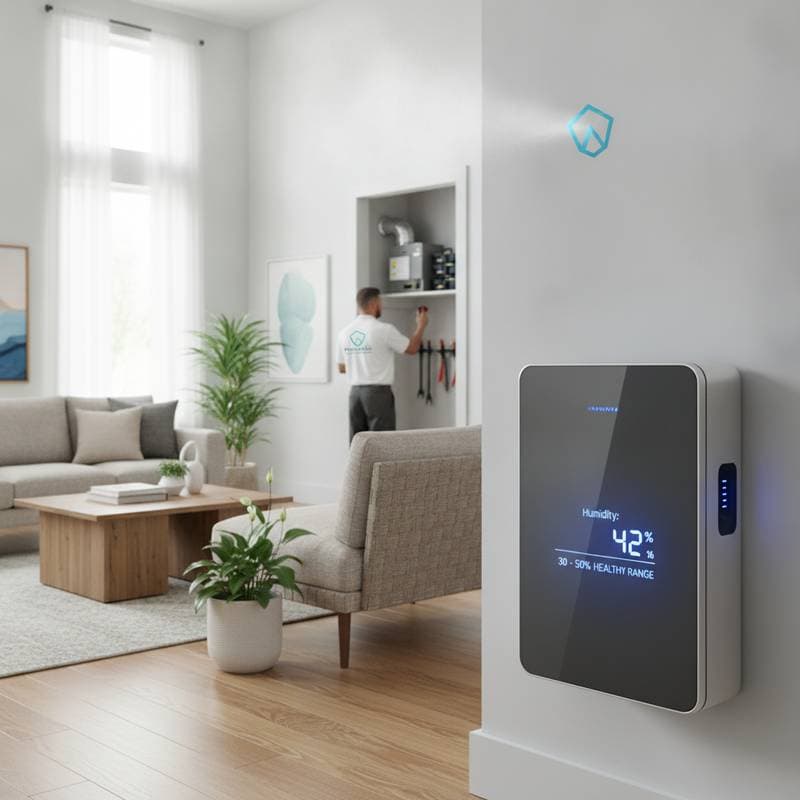
- Target indoor humidity levels between 30 and 50 percent for optimal comfort.
Proactive maintenance minimizes repair needs and prolongs equipment durability.
Deciding Between Repair and Replacement
Signs of trouble include inconsistent humidity regulation, unusual odors, or water leakage, signaling potential repairs or full replacement.
Opt for repairs in cases of isolated faults or when the system remains under ten years old.
Choose replacement for widespread component failures or notable efficiency declines.
Weigh repair expenses against half the cost of a new system to inform the decision.
Strategies to Reduce Expenses
- Time installations for off-peak seasons to secure reduced labor rates.
- Solicit bids from multiple providers to evaluate pricing and warranty options.
- Seek rebates from utility companies or manufacturers for efficient models.
- Combine projects, such as adding air purifiers or smart thermostats, for bundled discounts.
- Select appropriately sized systems to optimize performance without excess capacity.
- Adhere to maintenance schedules to prevent expensive emergency interventions.
- Implement programmable controls that adjust operations according to real-time humidity readings.
Frequently Asked Questions
How much does a whole-home humidifier cost?
Whole-home humidifiers cost between $1,500 and $3,500, including installation. Factors like system capacity and compatibility with current HVAC setups determine the final price.
What is the ideal indoor humidity level?
The optimal indoor humidity range falls between 30 and 50 percent. This level promotes comfort, reduces allergen proliferation, and prevents material damage.
Can I add humidity control to my existing HVAC?
Yes, most existing HVAC systems accommodate humidity control additions. Professional assessment confirms compatibility and outlines necessary modifications.
How long do humidity control systems last?
These systems typically endure 10 to 15 years with proper maintenance. Regular servicing extends operational life and sustains performance.
Do humidity control systems reduce energy bills?
Yes, by optimizing HVAC efficiency, these systems lower energy consumption. Balanced humidity reduces the workload on heating and cooling components, yielding noticeable savings.
Are portable units a good alternative?
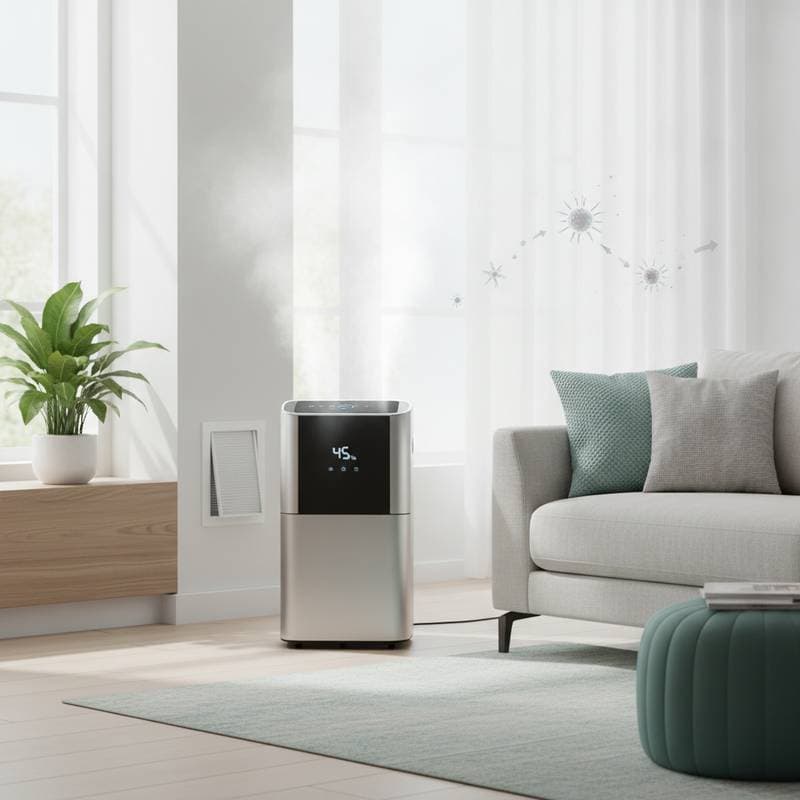
Portable units suit small spaces or temporary needs but lack the comprehensive coverage of whole-home systems. For full-home benefits, integrated solutions prove more effective.
Selecting a Reliable Contractor
Confirm the contractor holds valid HVAC licensing and insurance.
Inquire about their expertise with whole-home humidity systems.
Request detailed written estimates and project timelines.
Verify warranty terms for both labor and equipment.
Review customer feedback and professional references.
Determine if maintenance plans accompany the service.
Steps to Implement Humidity Control in Your Home
Begin by evaluating your current indoor air quality and HVAC performance. Consult certified professionals to tailor a solution that aligns with your home's needs and budget. Invest in humidity control to achieve sustained comfort, health benefits, and energy efficiency for years ahead.