Why Future Homes Need Dual Humidity-Control HVAC Systems
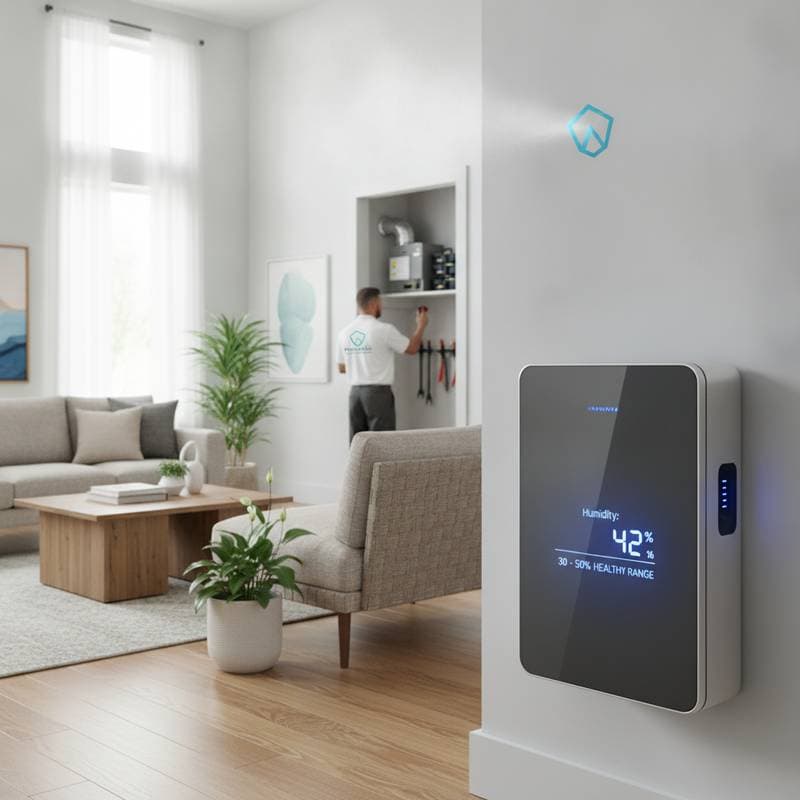
As an HVAC professional, I have observed numerous homeowners facing a common issue. The air feels humid even when the thermostat indicates a comfortable temperature, or it feels excessively dry despite continuous heating. This imbalance in indoor humidity disrupts comfort, increases energy consumption, and can damage a home's structure. In regions with pronounced seasonal variations, traditional HVAC systems often fail to achieve optimal balance. Dual humidity-control systems address these challenges effectively for contemporary residences.
The Hidden Problem Behind Unstable Indoor Humidity
In humid areas, air conditioners operate longer to extract excess moisture, which elevates cooling expenses. In arid zones, heating units remove natural humidity from the air, resulting in dry skin, irritated sinuses, and general discomfort. Even advanced HVAC units without dedicated humidity features struggle to sustain relative humidity between 40 and 50 percent.
Excess moisture promotes mold development, warps wooden floors, and generates unpleasant odors. Conversely, overly dry conditions lead to cracking in woodwork, static electricity buildup, and physical unease. Based on extensive field experience, inadequate humidity management ranks among the primary comfort concerns reported by homeowners, frequently neglected during equipment replacements.
How Dual Humidity-Control Systems Solve the Problem
Dual humidity-control HVAC systems integrate comprehensive dehumidification and humidification capabilities into a single unit. These systems automatically regulate moisture levels throughout the year, delivering steady comfort irrespective of external weather patterns. I recommend them particularly for residences encountering both humid summers and arid winters.
Homeowners benefit in several key ways:
- Balanced Comfort – Individuals perceive cooler sensations in summer and warmer feelings in winter at identical thermostat settings.
- Energy Efficiency – Optimized humidity reduces HVAC runtime, lowering energy consumption by 10 to 15 percent.
- Healthier Air – Proper humidity levels inhibit the proliferation of mold, bacteria, and viruses.
- Home Protection – Materials such as wood floors, furniture, and drywall endure longer when protected from humidity fluctuations.
Expert Tips for Selecting the Right Dual System
- Assess your climate zone. Consult a local HVAC specialist to evaluate whether regional humidity patterns necessitate a dual system.
- Match capacity to your home's size. Select units that align with square footage; oversized models cycle rapidly and inefficiently, while undersized ones fail to meet demands.
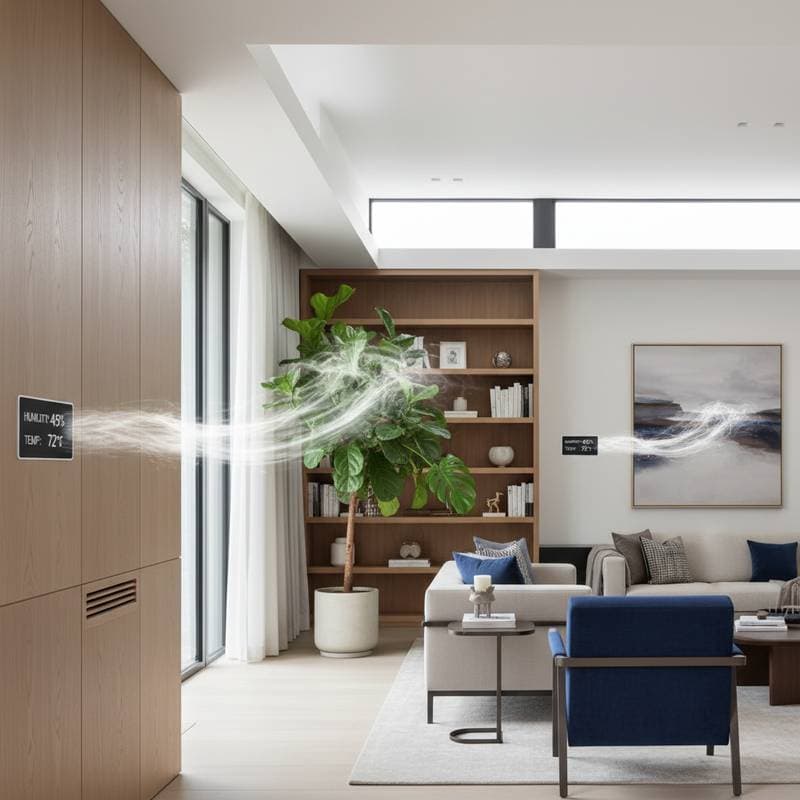
- Integrate with smart controls. Pair the system with thermostats that track humidity in real time and make automatic adjustments.
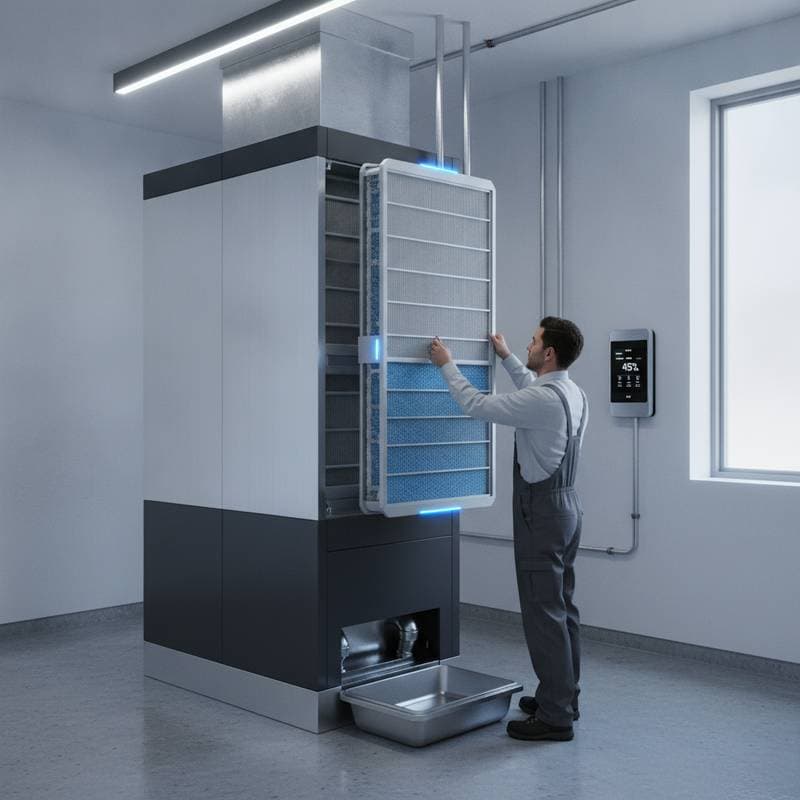
- Schedule professional installation. These units connect to existing ductwork and demand precise airflow setup for optimal performance.
Practical Considerations Before You Upgrade
Installation costs typically range from $3,000 to $6,000, influenced by the manufacturer, residence dimensions, and control features. Many owners recover this investment within three to five years via reduced utility payments and minimized equipment strain. Ensure your installer verifies adequate drainage, airtight duct seals, and adherence to electrical standards. In certain locales, permits may be required for whole-home dehumidification components; confirm compliance with municipal regulations prior to proceeding.
Achieving Consistent Indoor Comfort Year-Round
A dual humidity-control HVAC system elevates a living space into a reliable sanctuary, unaffected by external climatic shifts. Residents often report reduced noise levels, alleviated allergy responses, and a uniformly pleasant atmosphere. Success depends on meticulous system design and expert installation to maximize these advantages.
Frequently Asked Questions
Q: How does a dual humidity-control system differ from a portable dehumidifier?
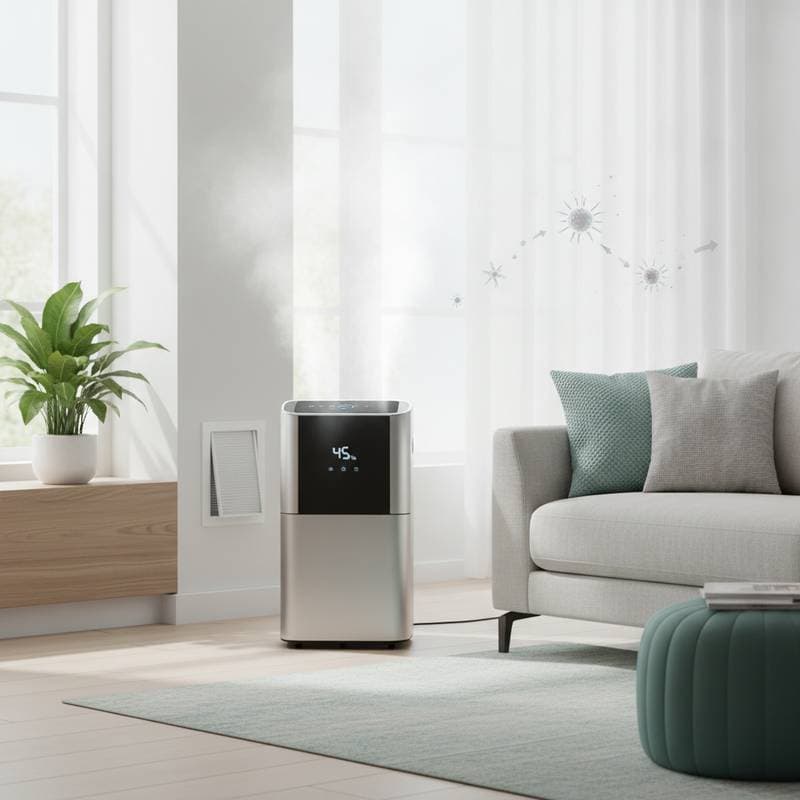
A: A dual system regulates moisture throughout the entire home via integrated ductwork, in contrast to portable devices that address only individual rooms.
Q: Can I retrofit my current HVAC with humidity controls?
A: Yes, existing systems often accommodate add-on humidifiers and dehumidifiers, but a professional assessment is essential to determine appropriate sizing.
Q: How often should I maintain a dual system?
A: Arrange servicing biannually. Technicians will clean coils, inspect sensors, and verify drainage and calibration functions.
Q: Will adding humidity control affect my energy bills?
A: Generally, expenses decrease because balanced humidity enables comfortable temperatures at reduced settings.