Why Modern Homes Require Whole-House Humidity Control
Homeowners frequently encounter discomfort in homes that feel overly humid during summer or excessively dry in winter, despite stable temperatures. This issue stems from imbalanced humidity rather than flaws in heating or cooling systems. In today's energy-efficient, airtight residences, managing this invisible element proves crucial for comfort, air quality, and structural integrity.
Understanding Humidity Imbalance in Sealed Homes
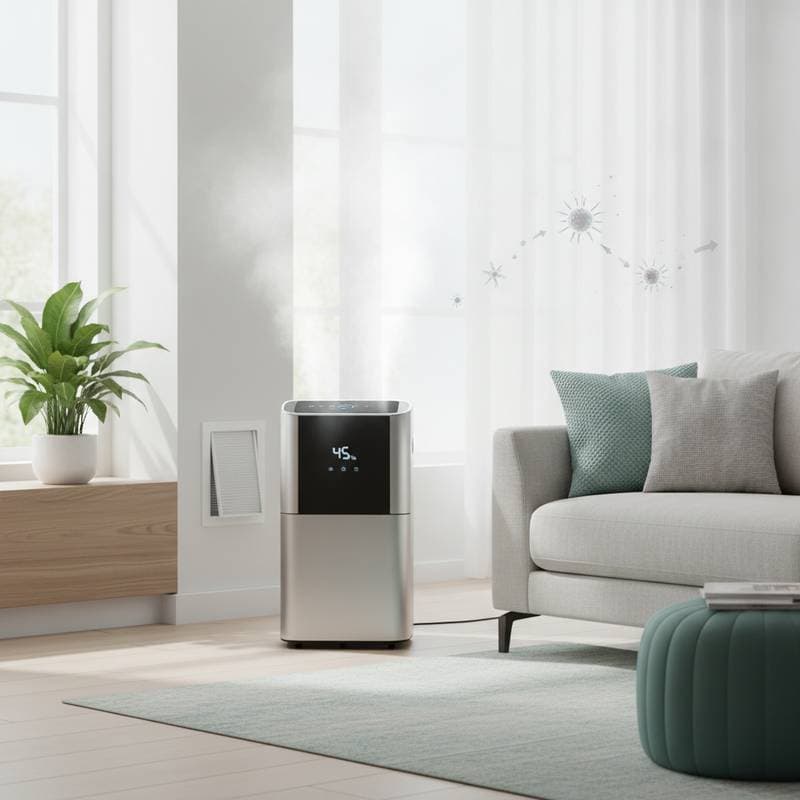
Contemporary building practices emphasize airtight envelopes to minimize energy loss. This design reduces drafts and utility costs but also limits natural ventilation, allowing moisture to accumulate indoors. When relative humidity exceeds 60 percent, residents may experience sticky sensations, persistent musty smells, or visible condensation on surfaces like windows and walls.
Conversely, humidity below 30 percent leads to common annoyances such as static electricity buildup, chapped skin, and sinus irritation. Over time, high moisture levels foster mold proliferation and dust mite populations, which exacerbate allergies and respiratory conditions. Low humidity, meanwhile, prompts materials like hardwood floors and cabinetry to shrink and split, while accelerating wear on electronics through increased static discharge. These effects extend beyond immediate discomfort to impose significant repair expenses.
The Solution: Implementing Whole-House Humidity Control
Whole-house humidity control systems address these challenges by integrating directly with existing HVAC infrastructure. Unlike standalone devices that cover only limited spaces, these solutions distribute conditioned air evenly through ductwork, ensuring uniform moisture levels throughout the residence.
Professionals in the HVAC field advocate for humidity management as a core component of overall indoor climate strategy. Such systems not only preserve building materials but also optimize HVAC performance, which translates to reduced energy consumption and enhanced air purity.
Mechanics of Whole-House Humidity Systems
These systems employ sensors to continuously monitor indoor conditions and make real-time adjustments. They function similarly to a thermostat but target moisture rather than temperature alone.
-
Dehumidification Process: During periods of high ambient humidity, the system pulls air across cooling coils to condense and remove excess water vapor. The resulting drier air then circulates back into the home, preventing buildup in humid climates or seasons.
-
Humidification Methods: In dry conditions, units introduce moisture via evaporative pads soaked in water or through steam generation. This process humidifies air as it passes through the HVAC before distribution, avoiding over-saturation in any area.
-
Integrated Smart Features: Advanced controls combine both dehumidification and humidification, targeting an optimal range of 40 to 50 percent relative humidity. Users access settings via thermostats or apps for precise customization based on occupancy and weather patterns.
Tangible Advantages of Balanced Humidity
-
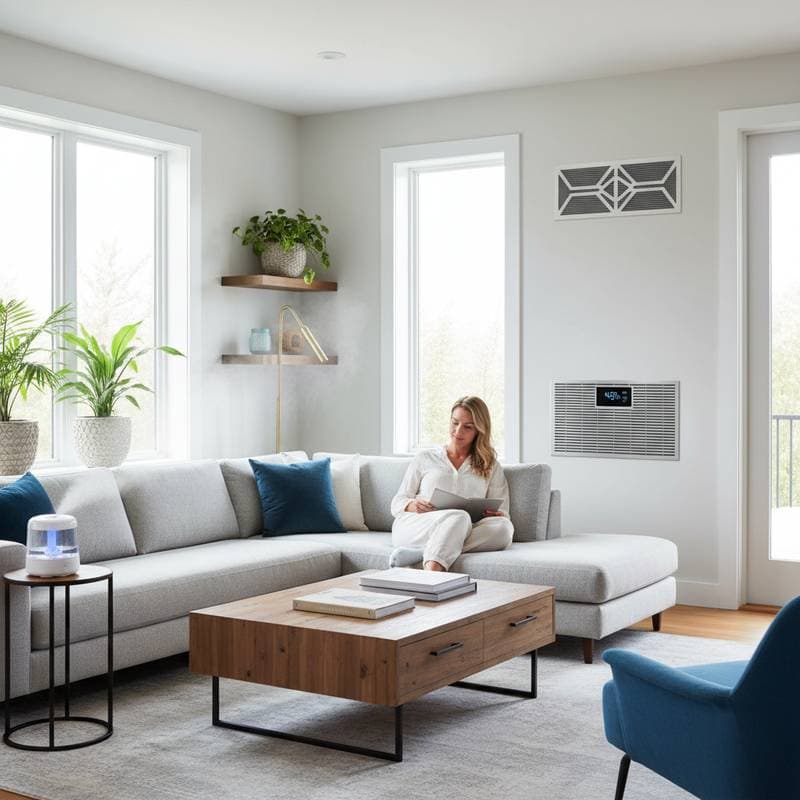
Enhanced Daily Comfort: Eliminate sensations of clamminess in warm weather or parched throats in cold months, fostering a more pleasant living environment.
-
Superior Indoor Air Quality: Moderate humidity discourages allergen growth, such as mold spores and mites, while minimizing irritants that trigger asthma or allergies.
-
Optimized Energy Use: HVAC units operate more efficiently when humidity aligns with temperature setpoints, potentially lowering annual bills by 10 to 20 percent.
-
Long-Term Structural Protection: Prevent warping in wooden elements, corrosion in metal fixtures, and degradation of insulation, extending the home's lifespan.
-
Reduced Maintenance Needs: Fewer instances of mildew on surfaces or dust accumulation in vents lead to a cleaner, less labor-intensive household.
Essential Factors for System Installation
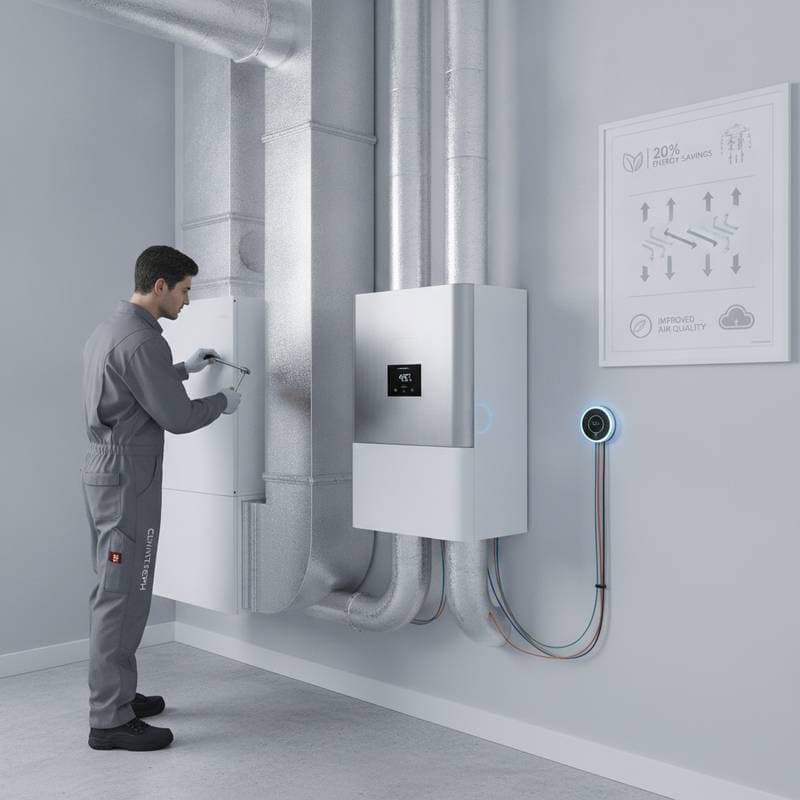
Before proceeding, assess your home's square footage, duct configuration, and current HVAC capacity to select an appropriately sized unit. Installation costs generally fall between $1,000 and $3,000, influenced by unit type and labor requirements. Engage certified technicians to avoid complications like improper sealing that could lead to leaks or uneven airflow.
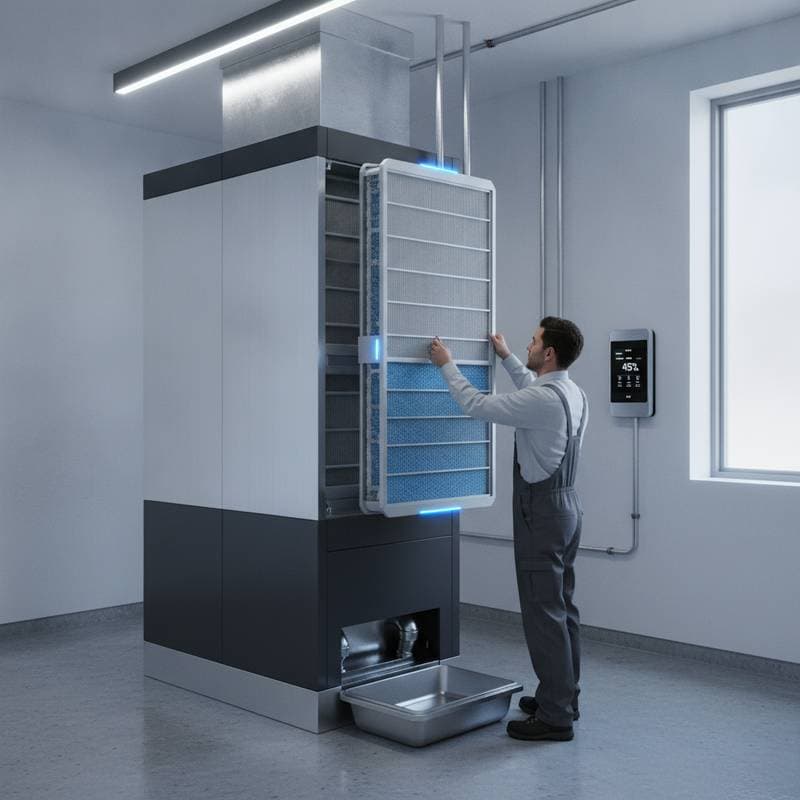
Maintenance involves straightforward tasks: annual replacement of evaporative pads or filters, plus biannual professional inspections to verify sensor accuracy and drainage functionality. For households with members prone to allergies or asthma, these systems often yield rapid improvements in symptom relief, sometimes within the first week of operation.
Steps to Achieve Balanced Humidity
Begin by consulting a licensed HVAC specialist to measure your home's current humidity profile using professional-grade tools. This evaluation identifies whether dehumidification, humidification, or both are necessary, along with compatible equipment options. Local experts can deliver customized proposals, including energy audits to maximize return on investment.
Investing in whole-house humidity control establishes a stable foundation for well-being and durability. With professional support, homeowners gain consistent comfort, purified air, and efficient operations throughout the seasons.
Frequently Asked Questions
Q: How can I determine if my home requires humidity control?
A: Look for indicators such as window condensation, lingering odors, frequent static, or material cracks. Use a digital hygrometer to measure levels; anything outside 40 to 50 percent signals a need for intervention.
Q: Does installation cause significant disruption?
A: Most projects conclude within four to six hours, involving access to the HVAC unit and ducts but requiring only temporary relocation of nearby items.
Q: What ongoing maintenance does the system demand?
A: Perform annual filter or pad changes yourself, and arrange technician visits twice yearly to check electrical components, sensors, and water lines for optimal performance.