Understanding Ductless Versus Traditional HVAC Systems
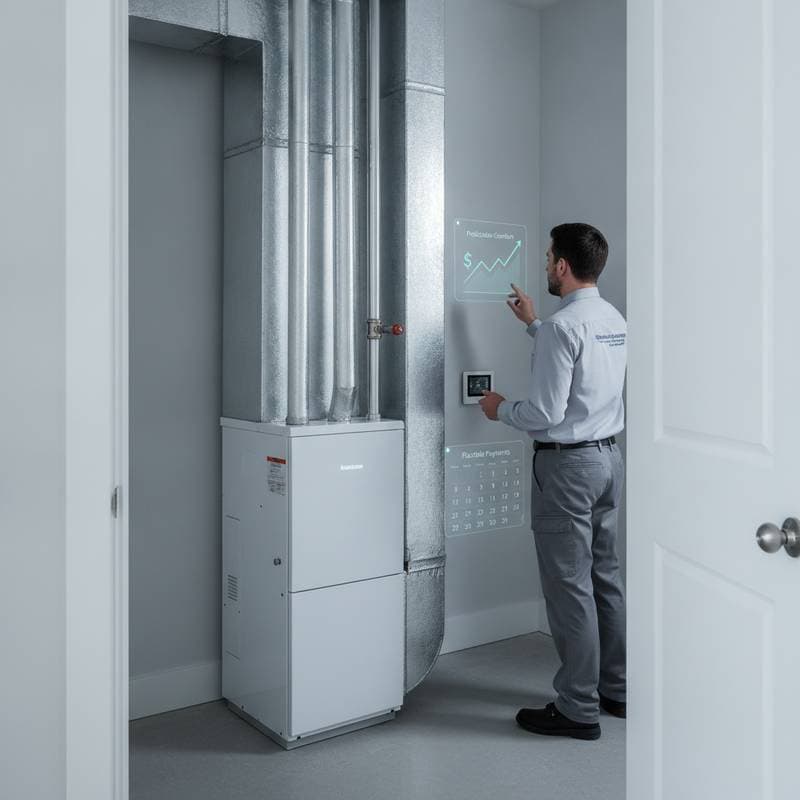
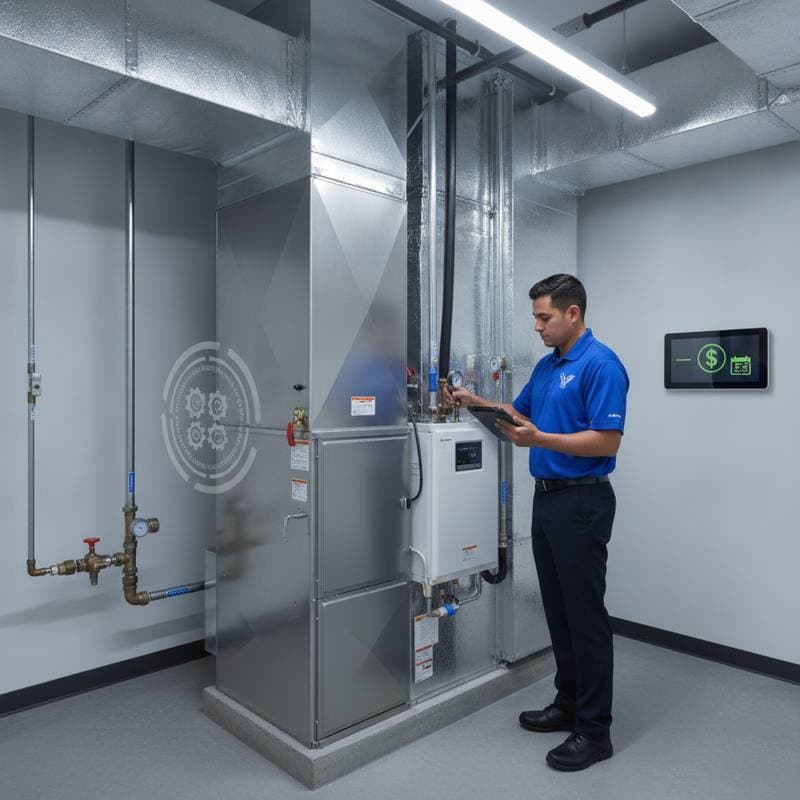
Traditional HVAC systems rely on extensive ductwork to distribute heated or cooled air throughout a home. These setups often involve central units connected to vents in every room, which can lead to energy losses through leaks and poor insulation in the ducts. In contrast, ductless systems, also known as mini-split systems, use individual indoor units linked directly to an outdoor compressor, eliminating the need for ducts entirely.
This fundamental difference allows ductless systems to deliver conditioned air precisely where needed, without the inefficiencies common in ducted designs. Homeowners in new constructions benefit from this targeted approach, as it aligns with modern building practices that emphasize sustainability and precision. By bypassing ducts, these systems reduce the risk of contaminants spreading through hidden pathways, promoting healthier living spaces from the start.
Superior Energy Efficiency in Modern Builds
Ductless HVAC systems achieve higher energy efficiency ratings compared to traditional counterparts, often exceeding 20 SEER (Seasonal Energy Efficiency Ratio) levels. Traditional systems lose up to 30 percent of their energy in ductwork due to leaks, bends, and uninsulated sections, which inflate utility bills over time. Ductless units, however, transfer energy directly to indoor spaces, minimizing waste and optimizing performance in varying climates.
For new homes designed with open floor plans or additions, this efficiency translates to lower operational costs and a smaller carbon footprint. Builders integrate these systems to meet stringent energy codes, such as those outlined in the latest International Energy Conservation Code updates. Homeowners notice immediate savings, especially in regions with extreme temperatures, where the systems adjust output based on real-time demand.
Inverter technology within ductless compressors further enhances efficiency by modulating speed rather than cycling on and off like older models. This smooth operation prevents energy spikes and maintains consistent temperatures, reducing wear on components. As a result, new constructions equipped with ductless systems qualify for rebates and incentives from utility providers focused on green initiatives.
Enhanced Comfort and Zoning Capabilities
Comfort in a new home extends beyond basic temperature control; it involves personalized environments tailored to individual needs. Traditional HVAC systems push uniform air throughout the house, often resulting in hot or cold spots in larger or multi-level designs. Ductless systems address this with multi-zone configurations, where each indoor unit operates independently to maintain ideal conditions in specific areas.
Imagine a home office staying cool during work hours while the living room warms up for evening gatherings; ductless setups make this possible without affecting energy use elsewhere. These systems include advanced air filtration options that capture allergens and pollutants at the source, improving overall indoor air quality. For families with varying schedules or preferences, this zoning fosters a more harmonious living experience.
Quiet performance defines another comfort advantage. Outdoor units produce minimal noise, often below 50 decibels, while indoor blowers operate at library-like levels. This discretion suits new homes in close-knit neighborhoods or urban settings, where sound pollution from HVAC equipment could disrupt daily life.
Design Flexibility for Contemporary Architecture
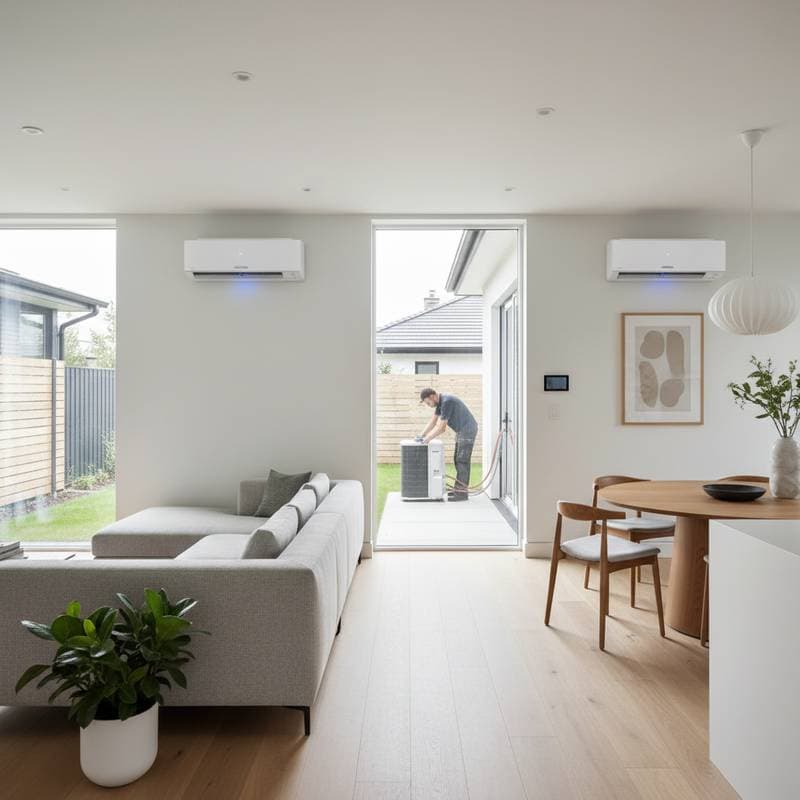
New home designs prioritize aesthetics and space optimization, areas where ductless systems excel. Traditional HVAC requires bulky duct runs through walls, ceilings, and floors, complicating architectural choices and increasing construction complexity. Ductless indoor units mount high on walls or recess into ceilings, blending seamlessly with modern decor without invasive modifications.
Architects appreciate the freedom to create open-concept layouts or add rooms without retrofitting ducts. Wall-mounted units come in sleek, customizable finishes that match cabinetry or trim, enhancing visual appeal. For homes incorporating smart home integrations, ductless systems connect effortlessly to apps for remote monitoring and adjustments.
This flexibility extends to challenging spaces like sunrooms, basements, or attics, where running ducts proves impractical. Builders report faster project timelines, as ductless installations avoid the labor-intensive duct fabrication and sealing processes. The result is a home that reflects personal style while maintaining functional climate control.
Streamlined Installation and Long-Term Savings
Installation represents a key differentiator for new builds, where time and budget constraints loom large. Traditional systems demand weeks of ductwork planning, material sourcing, and on-site assembly, often delaying occupancy. Ductless systems install in days, with minimal disruption to framing or finishing stages, thanks to their compact refrigerant lines and wireless connections.
Professional installers position outdoor units on patios or side yards, routing slim lines through small wall penetrations. This approach suits custom homes or renovations within tight schedules. Once in place, the systems require less frequent maintenance, as there are no ducts to clean or seal against dust accumulation.
Over the lifespan of a home, these efficiencies compound into substantial savings. Initial costs for ductless may align closely with traditional setups in new constructions, but reduced energy bills and fewer repairs offset any differences quickly. Homeowners avoid the hidden expenses of duct insulation upgrades or air balancing services that plague conventional systems.
Maintenance and Sustainability Benefits
Sustainability drives choices in 2025 new home developments, and ductless HVAC aligns perfectly with eco-conscious goals. These systems use environmentally friendly refrigerants with low global warming potential, complying with evolving EPA standards. Without ducts, they eliminate a common source of energy inefficiency and mold growth, contributing to durable, low-impact structures.
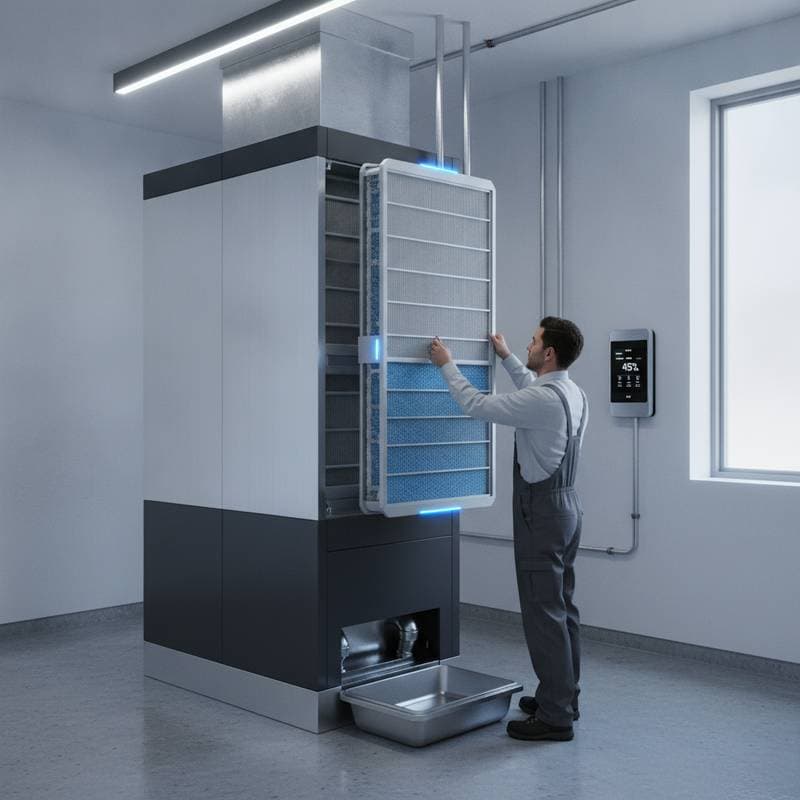
Routine maintenance involves simple tasks like filter changes every few months, accessible without specialized tools. Smart sensors detect issues early, alerting owners via connected devices to prevent minor problems from escalating. This proactive care extends system longevity beyond 20 years, outpacing many traditional units.
For builders aiming for certifications like LEED or Energy Star, ductless integration simplifies compliance. Homeowners enjoy the peace of mind that comes with a system designed for the future, supporting resilient living amid changing environmental demands.
Integrating Ductless Systems into Your New Home Plan
Selecting a ductless HVAC system begins with assessing your home's layout and usage patterns. Consult with certified professionals to determine the optimal number of zones and unit capacities, ensuring coverage matches square footage and insulation levels. Factor in local climate data to select models with heat pump capabilities for year-round versatility.
During the planning phase, coordinate with your architect to position units for both efficiency and aesthetics. Budget for high-efficiency models that offer extended warranties, safeguarding your investment. Professional installation guarantees proper sizing and refrigerant handling, maximizing performance from day one.
By prioritizing ductless technology, you position your new home for comfort, savings, and adaptability that endures. This choice not only elevates daily living but also enhances property value in a market that rewards sustainable features.