Why 2026 Homes Need Dual HVAC for Humidity Control
Homeowners often face rooms that feel muggy during summer months and excessively dry in winter. These conditions arise when a single HVAC unit struggles to manage both temperature and moisture levels effectively. Shifting climate patterns have intensified humidity swings in many regions. Traditional systems lack the capacity to maintain steady indoor conditions throughout the year.
A dual HVAC configuration addresses this gap by separating cooling and heating functions. This approach allows precise control over humidity in addition to temperature. The result is consistent comfort, reduced energy use, and better protection for home interiors.
Humidity as a Core Comfort Factor
Temperature alone does not determine how a space feels. Relative humidity above 60 percent makes rooms seem warmer and forces air conditioners to run longer cycles. Levels below 30 percent during winter create a chill sensation and can damage wood flooring or trim. Both extremes increase wear on equipment and raise utility costs.
High moisture also promotes mold and dust mite growth. Low moisture leads to static electricity and irritated sinuses. Maintaining indoor humidity between 40 and 50 percent supports health, structural integrity, and efficient operation.
How Dual Systems Separate Functions
A dual HVAC setup typically includes two specialized units or zones. One unit manages cooling and dehumidification. The second unit handles heating and humidification. Smart controls coordinate the two sides based on real time sensor data.
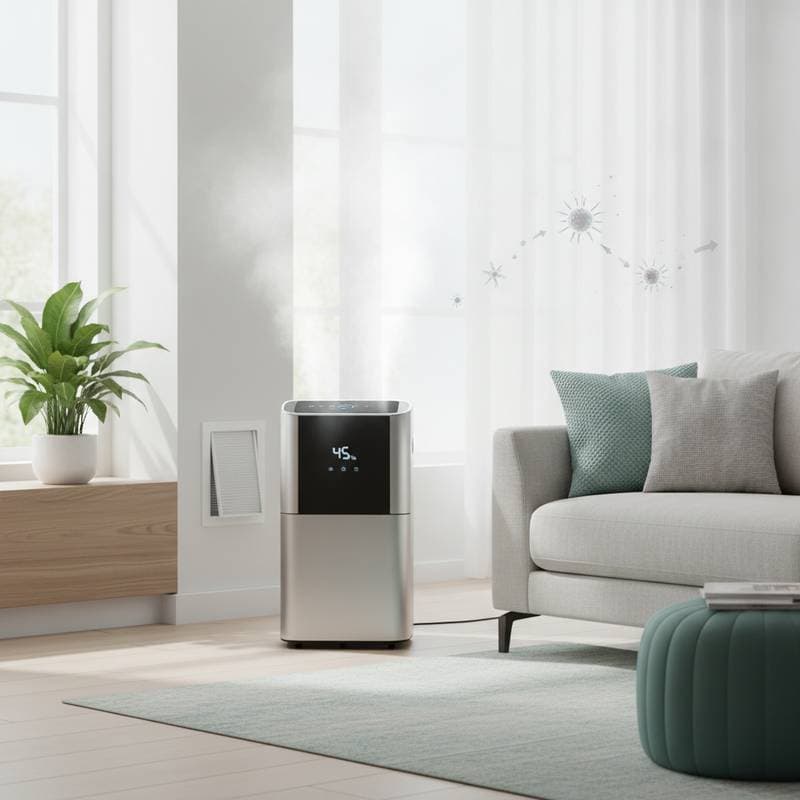
- The cooling side pairs a variable speed air conditioner or heat pump with a whole home dehumidifier.
- The heating side combines a furnace or boiler with an automatic humidifier.
- Sensors track moisture and temperature in each zone and adjust fan speeds or compressor output accordingly.
This division prevents one function from interfering with the other. Cooling cycles focus on moisture removal without overcooling living spaces. Heating cycles restore moisture without creating hot spots.
Practical Planning Steps
Homeowners should begin with a professional load calculation to determine proper equipment sizing. Oversized units short cycle and fail to remove adequate moisture. Undersized units run continuously and increase wear.
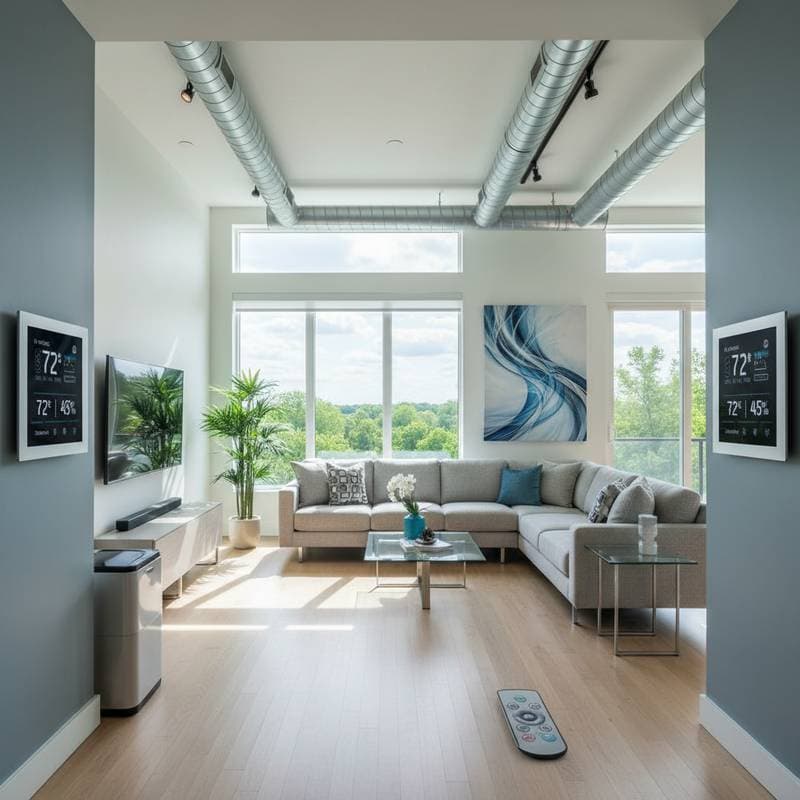
Next, evaluate insulation and air sealing. Leaks allow humid outdoor air to enter or conditioned air to escape. Zoning works best in homes with multiple stories or distinct living areas. Separate thermostats let each zone maintain its own humidity target.
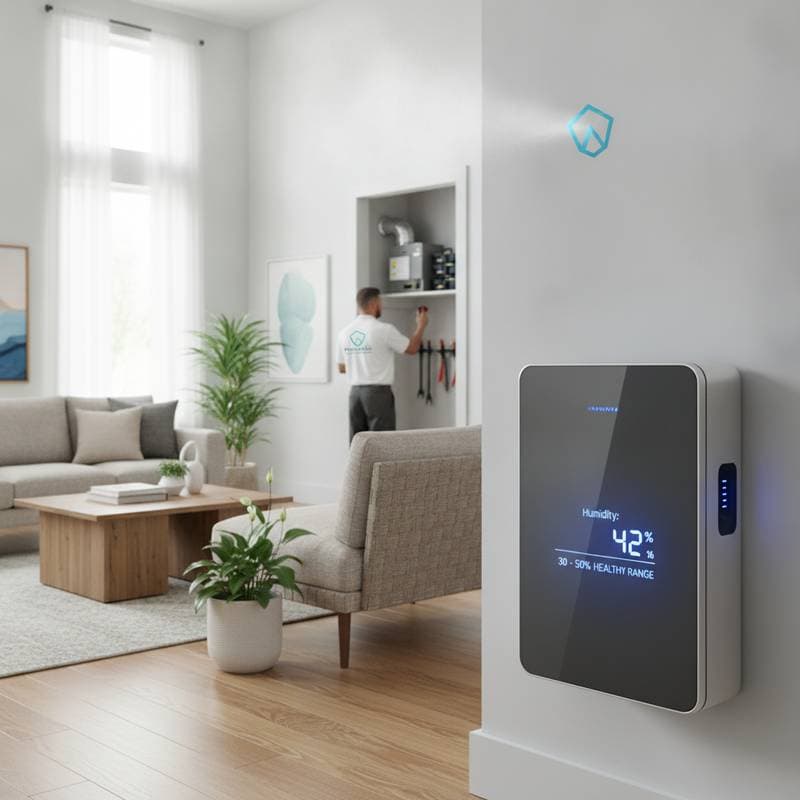
Equipment selection matters. Variable speed compressors adjust output gradually and improve dehumidification. Whole home humidifiers with automatic sensors prevent over or under humidification. Smart thermostats that display both temperature and humidity provide ongoing visibility.
Maintenance and Cost Considerations
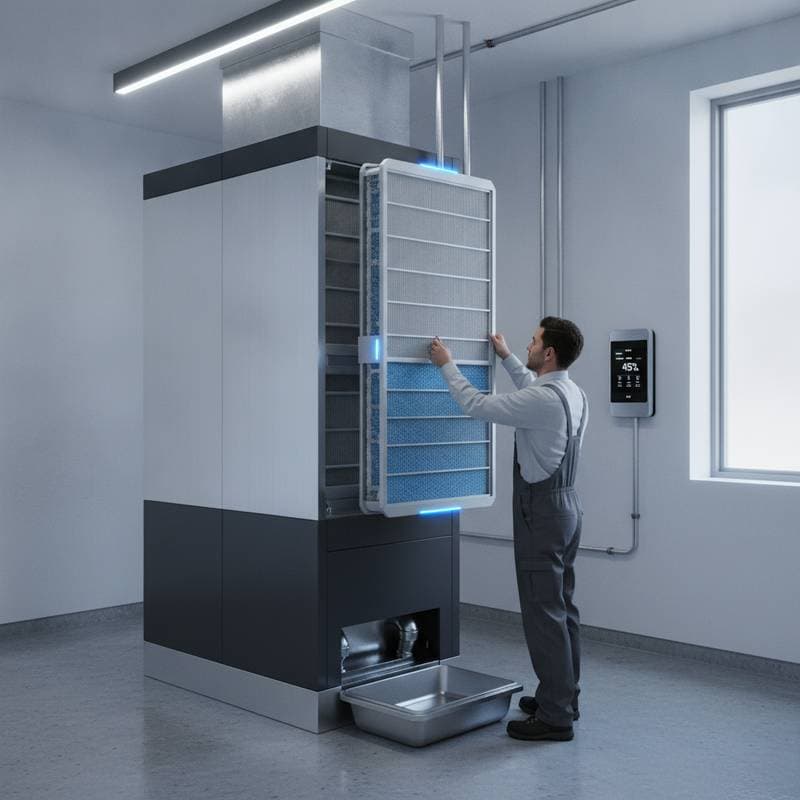
Schedule service visits twice each year. Technicians check refrigerant levels, clean coils, and verify sensor calibration. Consistent upkeep prevents most breakdowns and preserves humidity control accuracy.
Upfront investment ranges from nine thousand to fifteen thousand dollars. Factors include home size, existing ductwork, and control integration. Energy savings of fifteen to twenty five percent, combined with fewer repairs, typically recover the cost over several years.
Evaluating Your Options
Persistent window condensation, musty odors, or winter dryness signal the need for improved humidity management. A qualified contractor can measure current moisture levels and recommend whether a dual configuration fits the property. Proper design delivers steady comfort across seasons while supporting long term efficiency and air quality.