The Essential Role of Dual HVAC Systems in 2026 Humidity Management
Indoor environments require more than simple temperature adjustments for true comfort. As building envelopes seal tighter to meet energy codes and weather patterns intensify, humidity levels demand equal attention to heating and cooling. Dual HVAC systems address this by combining thermal regulation with precise moisture control, making them indispensable for contemporary residences.
Understanding the Indoor Humidity Challenge
Standard HVAC units excel at maintaining desired temperatures yet frequently overlook humidity fluctuations. In humid summers, excess moisture lingers in the air, elevating perceived warmth and fostering allergen growth. Materials such as wood and drywall absorb this dampness, leading to structural issues over time.
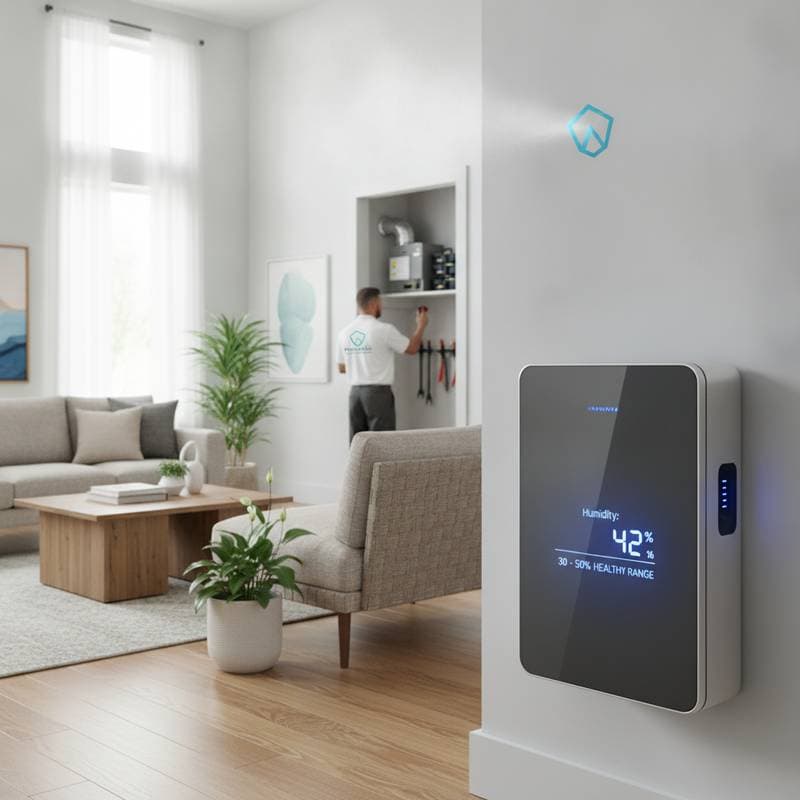
Conversely, arid winters desiccate indoor spaces, causing skin irritation, respiratory discomfort, and reduced heating effectiveness. Ideal relative humidity hovers between 30 and 50 percent year-round. Homeowners seeking reliable comfort increasingly adopt dual HVAC configurations, which link primary climate units to specialized dehumidification or humidification devices.
Mechanics of Dual HVAC Integration
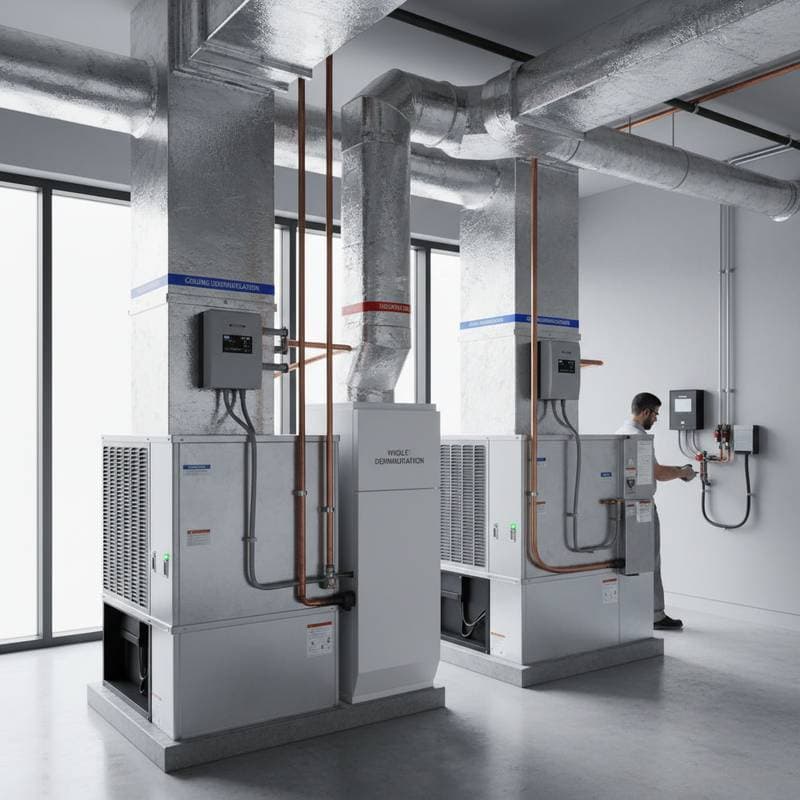
Dual HVAC systems operate through a coordinated duo: the core unit for temperature modulation and an auxiliary component for humidity adjustment. The primary system circulates air via ducts, passing it through coils that heat or cool as needed. From there, airflow routes to a dedicated chamber where moisture levels receive targeted intervention.
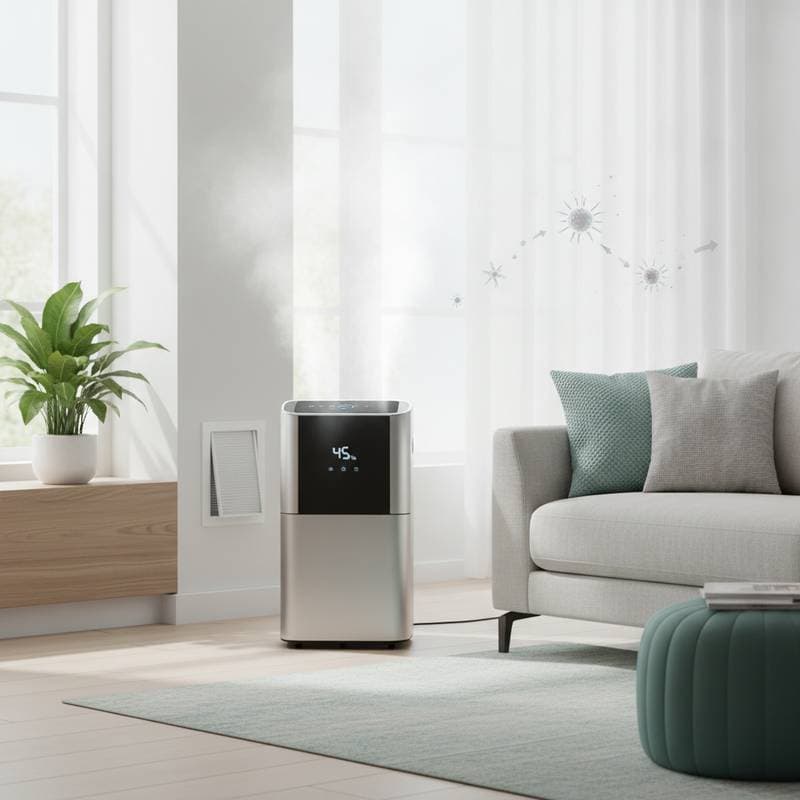
Dehumidifiers extract water vapor using cooling coils or desiccants, while humidifiers introduce steam or evaporative moisture. Sensors monitor conditions in real time, activating the secondary system only when thresholds deviate. This synergy stabilizes air without overburdening the main unit, promoting efficiency and longevity.
Key Advantages of Dual HVAC for Comprehensive Control
1. Elevated Comfort Levels
Proper humidity eliminates the clammy sensation of high-moisture summers and the parched discomfort of dry winters. Residents experience even temperatures that feel precisely right, fostering a more pleasant living space without constant adjustments.
2. Optimized Energy Performance
Controlled humidity allows thermostat settings to shift by two to four degrees while preserving perceived comfort. This adjustment cuts energy demands on heating and cooling cycles, potentially lowering utility bills by 10 to 20 percent in variable climates.
3. Superior Air Quality Standards
Excess moisture breeds dust mites, mold spores, and bacterial growth, all of which exacerbate allergies and asthma. Dual systems suppress these threats by maintaining dry conditions, resulting in cleaner air that supports better respiratory health for occupants.
4. Safeguarding Home Structures and Assets
Stable humidity protects vulnerable elements like hardwood floors, cabinetry, and artwork from expansion, contraction, or degradation. Without fluctuations, paint adheres firmly, fabrics resist fading, and overall property value endures longer.
5. Extended Equipment Durability
Distributing tasks between components reduces wear on the primary HVAC unit. Compressors and fans operate less intensely, minimizing breakdowns and repair needs. Expect a 20 to 30 percent increase in system lifespan with routine dual-system maintenance.
Prime Candidates for Dual HVAC Adoption
Certain properties benefit most from this technology. Homes featuring finished basements or exposed crawl spaces often harbor hidden moisture pockets, which dual systems neutralize effectively. Coastal dwellings or those in tropical zones face persistent dampness, making integrated control a necessity.
Sprawling residences with zoned heating demand uniform conditions across floors. Collections of delicate items, such as antique furniture or musical instruments, thrive under regulated environments. Moderate regions also gain from dual setups during transitional seasons, ensuring seamless adaptation to swings in outdoor air.
Evaluating Costs and Implementation Strategies
Retrofitting a dehumidifier to an established HVAC framework typically ranges from $1,500 to $3,500, influenced by residence size and unit specifications. Incorporating humidity features into a fresh installation shaves costs by 20 to 30 percent compared to later additions.
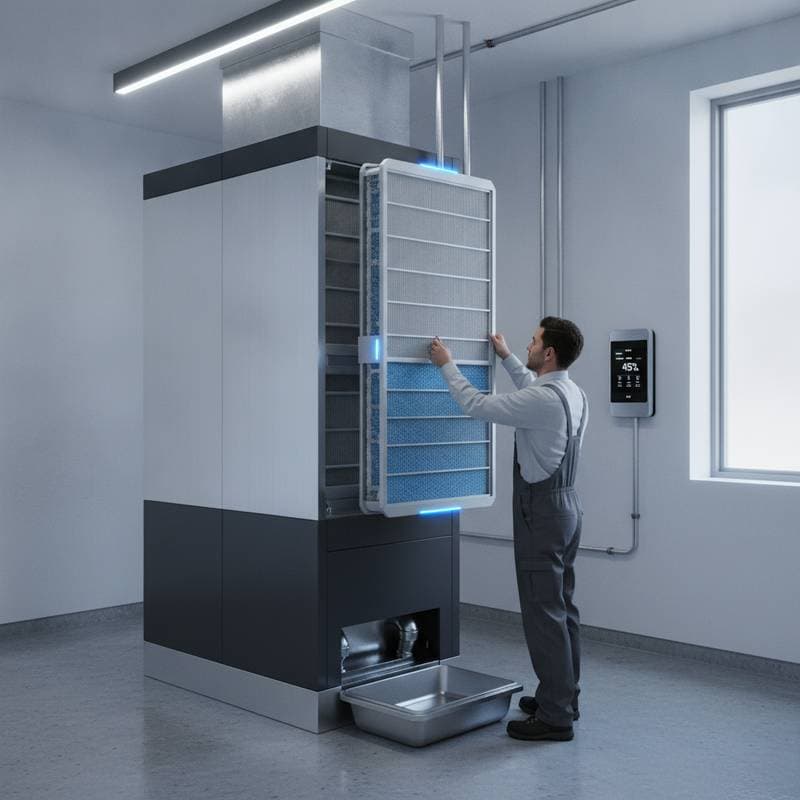
To maximize effectiveness, select equipment matched to your home's footprint, aiming for one ton of capacity per 400 to 600 square feet. Variable-speed fans adapt output dynamically, enhancing precision. Engage certified technicians for initial setup and annual tuning to verify sensor accuracy.
Prioritize high-efficiency filters, such as MERV 13-rated options, changed quarterly to sustain optimal airflow. Integrate smart thermostats for remote monitoring, alerting you to imbalances before they escalate.
Achieving Lasting Indoor Wellness Through Dual HVAC
Embracing dual HVAC technology elevates homes to resilient, healthful sanctuaries. Precise command over temperature and humidity yields tangible gains in daily livability, fiscal savings, and asset preservation. For renovations or new builds, prioritize this integrated approach to secure enduring benefits.
Consult local experts to assess your space and tailor a solution. The result promises not just a cooler or warmer home, but one that breathes easier and stands stronger against environmental stresses.