Why Dual-Fuel HVAC Tops Heating Trends in 2025
As an HVAC professional, I have observed numerous homeowners grappling with erratic weather patterns. One week delivers frosty mornings, while the next mimics early summer. These fluctuations force heating systems to operate excessively, which increases energy consumption and expenses. Dual-fuel HVAC systems address this issue effectively, providing flexibility, efficiency, and sustained comfort for discerning homeowners.
The Challenge: Keeping Up with Variable Weather
Many individuals experience surges in energy bills during sudden cold spells. In areas with inconsistent winters, relying on a single heat source proves inadequate. Electric heat pumps perform well in moderate conditions, yet their efficiency declines in extreme cold. Gas furnaces offer robust heating, but rising fuel prices elevate operational costs. This variability results in inconsistent comfort and fluctuating expenses that frustrate property owners.
From extensive field experience, hybrid or dual-fuel systems emerge as the optimal solution. These systems automatically transition between electricity and gas based on current efficiency needs. Envision a home that responds effortlessly to weather changes, maintaining equilibrium between comfort and financial prudence without manual intervention.
The Solution: How Dual-Fuel Systems Work
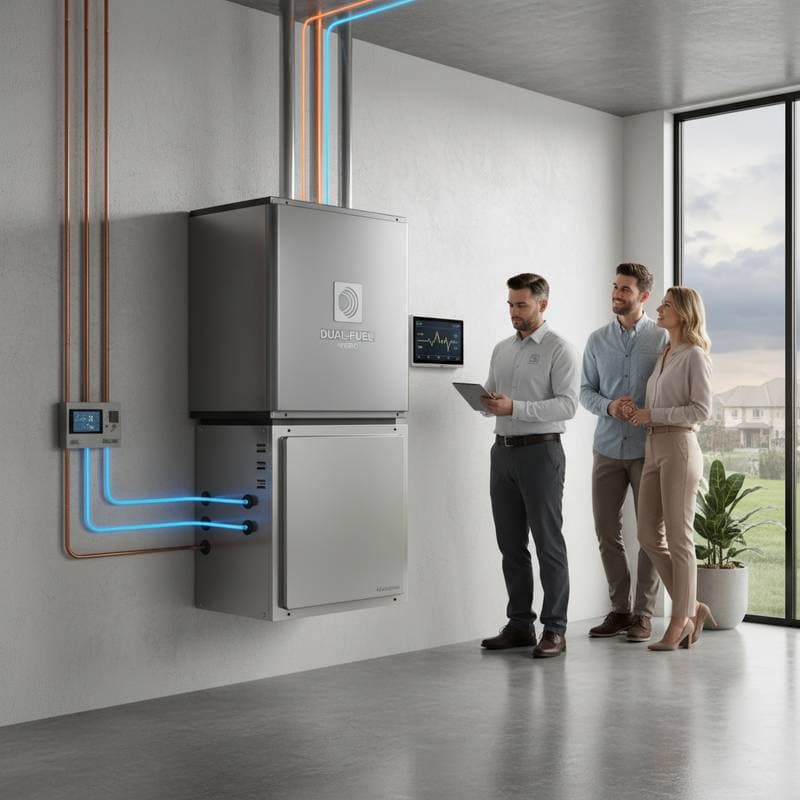
Dual-fuel HVAC systems integrate an electric heat pump with a gas furnace. The heat pump manages both heating and cooling in temperate conditions by transferring heat via electricity rather than generating it anew. When outdoor temperatures fall to levels that diminish the heat pump's performance, the system activates the gas furnace automatically. This integration delivers uninterrupted comfort regardless of weather variations.
Beyond comfort, this hybrid design optimizes energy use. Data from energy performance analyses indicate that dual-fuel systems can lower heating expenses by 20 to 30 percent compared to traditional single-source furnaces.
Key Benefits of Dual-Fuel HVAC Systems
1. Energy Efficiency That Adapts to the Season
Dual-fuel systems select the optimal energy source according to external conditions. Electricity drives the heat pump on moderate days for economical, subtle heating. Gas engages during severe cold for intense output. This adaptive strategy ensures year-round operational efficiency.
2. Extended System Lifespan
Distributing the workload across two technologies reduces strain on individual parts. Consequently, components endure less stress, leading to fewer malfunctions and prolonged durability. Such reliability translates to substantial savings on future replacements, potentially thousands of dollars over time.
3. Superior Comfort Control
Automatic transitions maintain consistent indoor temperatures. Residents benefit from reduced cold spots and minimized humidity variations, particularly in regions prone to moist winters that exacerbate discomfort.
4. Environmental Advantages
The heat pump's predominant electric operation curtails reliance on fossil fuels and diminishes carbon emissions. For those committed to eco-friendly practices, this feature provides a compelling benefit.
5. Cost Savings and Predictable Bills
Efficient functionality yields reduced monthly utility payments. By responding to fuel price shifts, the system stabilizes overall energy expenditures.
Expert Tips for Maximizing Performance
-
Schedule Biannual Maintenance
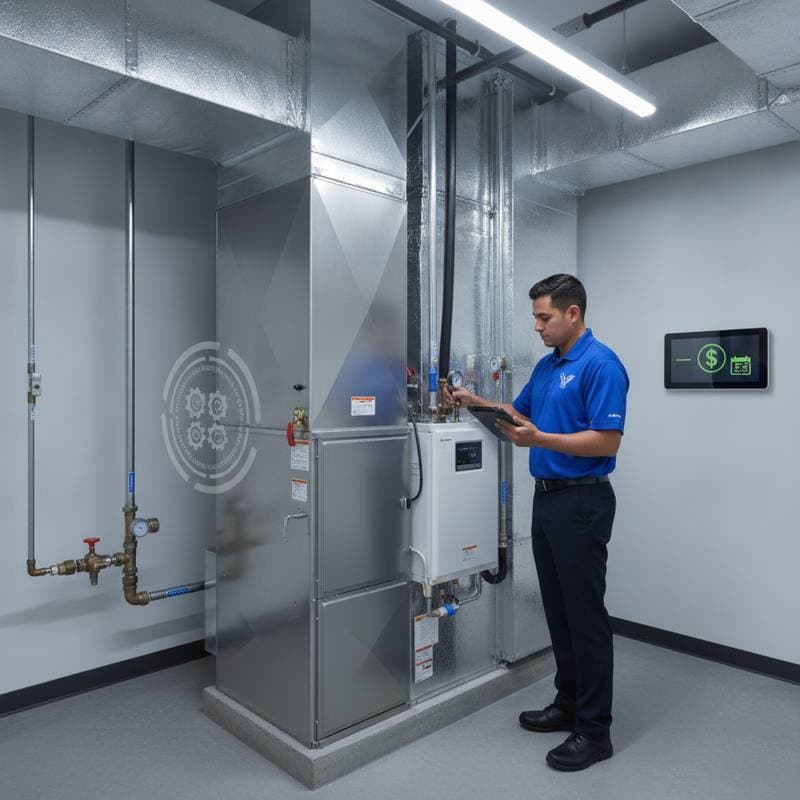
Regular servicing of the heat pump and furnace mirrors routine vehicle upkeep. Professional checks prior to heating and cooling seasons avert up to 80 percent of unforeseen issues. Each session typically involves cleaning coils, inspecting electrical connections, and verifying refrigerant levels. -
Install a Smart Thermostat
These devices complement dual-fuel systems by regulating fuel source switches. They adapt to user preferences over time, optimizing energy use while preserving desired temperatures. Integration often includes remote access via mobile applications for real-time adjustments. -
Seal and Insulate Ductwork
Leaky ducts compromise even the finest systems. Sealing with mastic or foil tape, combined with insulation using fiberglass wraps, boosts efficiency by 15 to 20 percent. This ensures uniform airflow distribution throughout the home. -
Monitor Fuel Prices
In regions with variable propane or natural gas rates, collaborate with a technician to fine-tune the balance point. This setting determines furnace activation thresholds, enabling customized cost management during price peaks.
Practical Considerations Before Installing
Upfront Costs and ROI
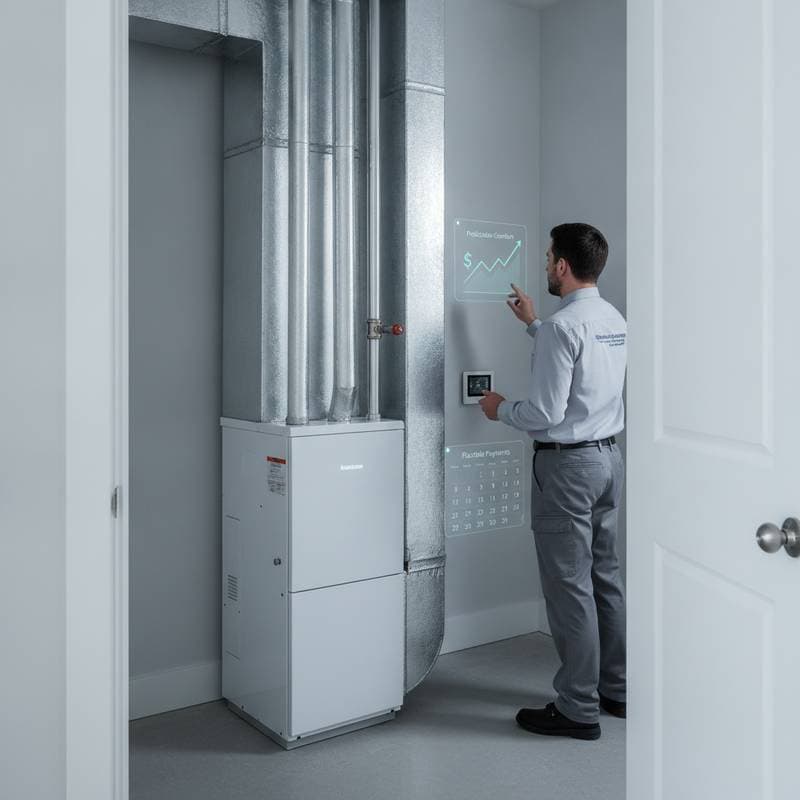
Installing a full dual-fuel system ranges from $6,000 to $12,000, influenced by home dimensions and capacity requirements. Although initial outlay exceeds that of conventional furnaces, energy savings recoup the investment within three to seven years through diminished bills.
Local Code and Compliance
Confirm adherence to regional energy regulations and safety protocols. Licensed contractors manage necessary permits and oversee venting installations, essential for gas components to operate safely.
System Sizing and Load Calculations
Prior to purchase, request a Manual J load calculation from an expert. This assessment prevents oversizing, which wastes energy, or undersizing, which fails to heat adequately, thereby safeguarding efficiency and comfort.
Fuel Type Availability
Assess existing gas or propane infrastructure on the property. If absent, professionals can outline extension expenses or explore viable alternatives like electric backups.
Why Dual-Fuel Is Leading the Heating Trends
Dual-fuel systems transcend temporary fads; they embody an intelligent evolution in home heating. Property owners seek solutions that accommodate volatile climates, curb emissions, and maximize energy value. As Mark D., a seasoned HVAC technician, notes, “Hybrid systems provide the versatility to heat using the most logical option at any given time. It functions as two experts collaborating for optimal comfort.”
Success hinges on expert configuration and setup. Suboptimal designs erode efficiency benefits, whereas meticulously tuned installations yield superior, enduring performance.
Taking Action Toward Reliable Comfort
For those weary of compromising between efficiency and heating reliability, dual-fuel HVAC offers a unified solution. This approach fortifies a home's comfort strategy against uncertainties. The synergy of advanced technology, responsive adaptation, and fiscal discipline positions hybrid heating as a prudent choice for contemporary residences.
Consult a qualified HVAC specialist for a customized evaluation and estimate. Professionals attuned to local conditions can design installations aligned with specific budgets and comfort objectives.
Frequently Asked Questions
Q: How often should a dual-fuel system be serviced?
A: Service the heat pump and furnace twice annually, ideally before winter and summer. These visits, costing $100 to $200 each, identify issues early and avert expensive repairs.