Why Dual-Fuel HVAC Tops 2025 Heating Trends
As an HVAC professional, I have observed many homeowners grappling with the challenge of balancing performance, efficiency, and cost in maintaining home comfort. A furnace may operate continuously on frigid mornings, while a heat pump falters during unexpected cold snaps. These issues highlight an emerging industry reality: hybrid, or dual-fuel, HVAC systems emerge as the preferred solution for year-round comfort and intelligent energy management.
Imagine a home that maintains ideal temperatures regardless of weather fluctuations, with utility bills remaining predictable. Dual-fuel technology delivers this reliability, transforming homeowner expectations for heating and cooling.
Understanding the Dual-Fuel Difference
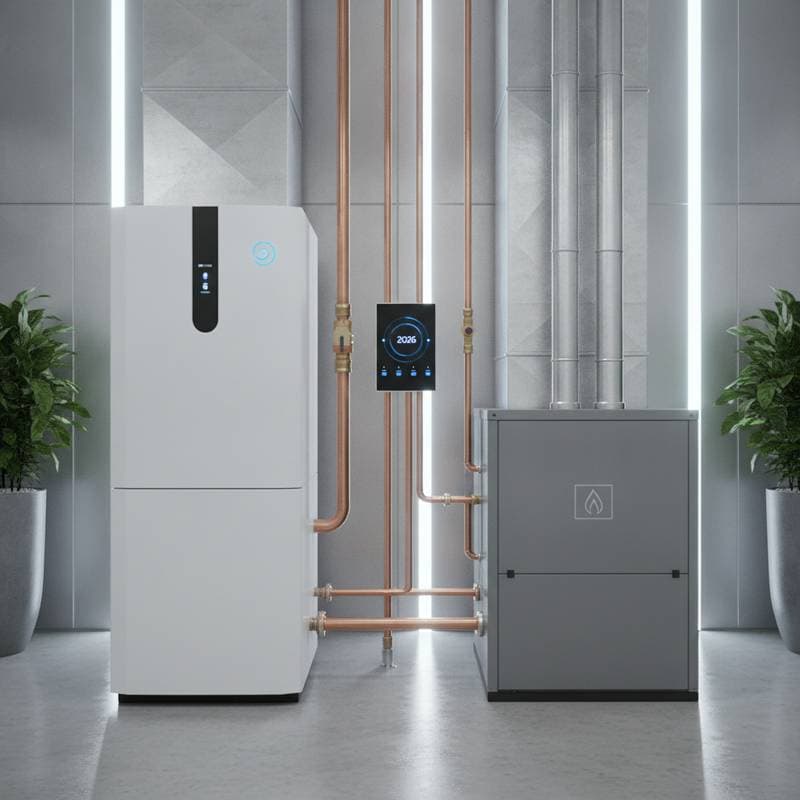
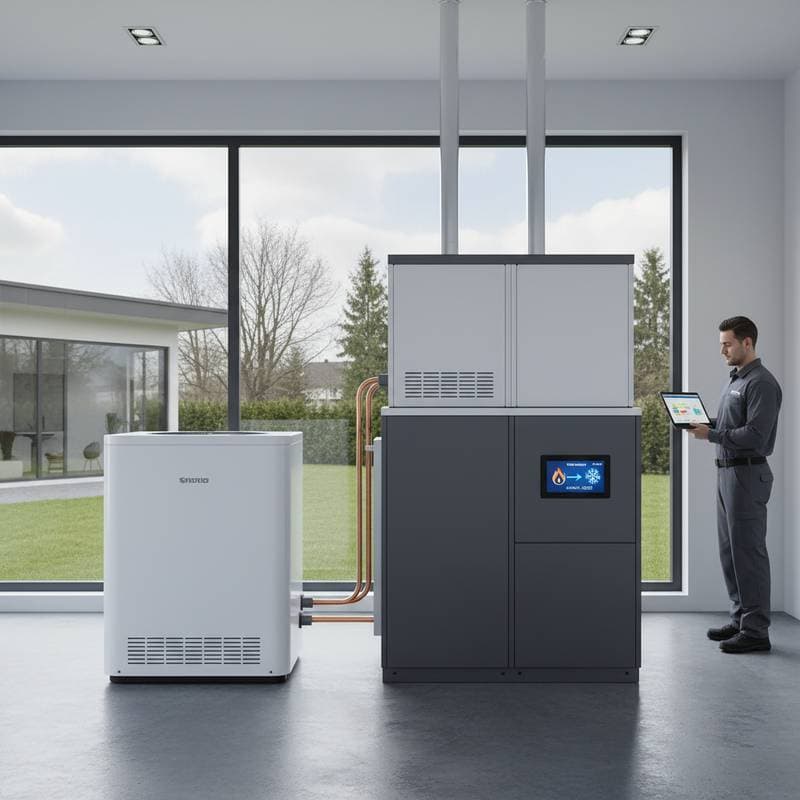
A dual-fuel system integrates a heat pump and a gas furnace. The heat pump manages heating and cooling in moderate conditions by transferring heat rather than producing it. When outdoor temperatures fall below the heat pump's efficient range, the furnace engages automatically, ensuring warmth without excess energy expenditure.
In my extensive field experience, these systems excel in regions with significant seasonal variations, such as hot summers and severe winters. Residents in these areas frequently encounter elevated utility costs from single-technology limitations. Dual-fuel configurations provide versatility, efficiency, and reliability in a unified system.
Why Homeowners Are Making the Switch
The move to dual-fuel HVAC reflects evolving priorities in comfort and energy use. Homeowners adopt these systems for several compelling reasons.
- Energy Efficiency: The heat pump operates during milder conditions, while the furnace activates only as required, minimizing waste and lowering monthly expenses.
- Cost Savings: Integrated controls select the optimal fuel source based on external factors. Reports from users indicate potential reductions of up to 20 percent in yearly heating expenses.
- Sustainability Goals: As energy awareness grows, dual-fuel options reduce environmental impact while preserving comfort levels.
HVAC technician Mark Ellis notes, “Dual-fuel systems give homeowners the best of both worlds. You get the low-cost efficiency of a heat pump and the reliability of gas heat when it matters most.”
How Dual-Fuel Systems Operate Behind the Scenes
Consider a dual-fuel system as a coordinated team that shifts responsibilities seamlessly. The heat pump leads for much of the year, extracting outdoor air warmth for indoor heating or expelling it for cooling. Below a designated threshold, typically in the mid-thirties Fahrenheit, the gas furnace assumes control.
A thermostat or smart controller oversees this handover, prioritizing the more efficient option. This adaptive mechanism ensures cost-effective comfort with minimal user intervention after initial setup.
Key Benefits That Set Dual-Fuel Systems Apart
1. Consistent Comfort Across All Seasons
Dual-fuel systems deliver reliable warmth in extreme cold, where all-electric alternatives may underperform. The furnace provides robust heating once the heat pump's limits are reached.
2. Lower Utility Bills
Heat pumps achieve up to three times the efficiency of electric resistance methods by transferring rather than generating heat. Restricting furnace operation to low temperatures balances gas and electricity use, stabilizing annual costs.
3. Longer Equipment Lifespan
Alternating between components distributes wear evenly, prolonging durability. With routine upkeep, these systems often endure 15 to 20 years or more.
4. Quieter and Cleaner Operation
Heat pumps function with minimal noise in temperate weather, and the furnace engages sparingly. This approach lowers operational sounds and emissions relative to conventional gas-only systems.
5. Smart Integration
Contemporary models incorporate thermostats that adapt to user habits, monitor consumption, and optimize fuel selection. Such features create a responsive environment tailored to daily routines.
How to Decide if Dual-Fuel Is Right for You
Dual-fuel systems require careful evaluation for suitability. Consider these elements prior to proceeding.
- Climate: Regions with cold winters and warm summers yield the greatest efficiency improvements.
- Existing Equipment: Pair a modern gas furnace with a matching heat pump to avoid full replacement.
- Utility Rates: Assess local electricity and gas prices; controls favor the cheaper option, but rate knowledge refines projections.
- Budget and ROI: Expect installation fees of $6,000 to $12,000, varying by capacity and manufacturer. Energy reductions typically recoup costs within five to eight years.
Most existing ductwork accommodates hybrids with minimal modifications, as confirmed by a professional inspection.
Expert Steps for Smooth Installation
Successful dual-fuel implementation demands thorough planning and expert involvement. Follow this sequence for optimal results.
- Energy Audit: Conduct a home assessment to calculate precise heating and cooling demands, ensuring accurate sizing.
- Choose the Right Equipment: Opt for heat pumps boasting high Seasonal Energy Efficiency Ratio (SEER) and Heating Seasonal Performance Factor (HSPF) ratings, paired with an efficient furnace.
- Verify Controls and Compatibility: Program the thermostat or controller to facilitate precise mode switches.
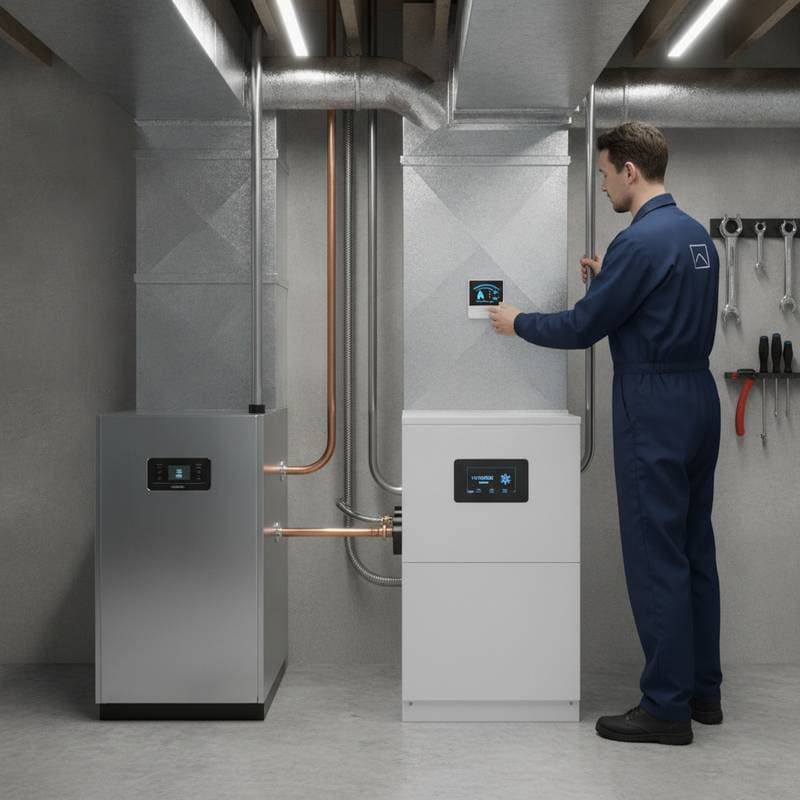
- Schedule Professional Installation: Engage certified technicians for handling refrigerants and gas lines, adhering to safety standards and regulations.
- Test and Calibrate: Post-installation, verify functionality, airflow, and transition smoothness through comprehensive testing.
Practical Considerations for Ongoing Performance
Sustained efficiency relies on diligent maintenance. Implement these practices drawn from extensive professional insights.
- Maintenance Schedule: Arrange biannual inspections, timed before seasonal changes.
- Filter Care: Swap filters every one to three months to sustain airflow and performance.
- Monitor Energy Use: Track bills for anomalies, which may signal adjustment needs.
- Prioritize Safety: Inspect gas lines and test carbon monoxide detectors annually.
These habits safeguard investments, uphold comfort, and enhance household safety.
Achieving Optimal Home Comfort
Dual-fuel HVAC advances represent intelligent adaptation in residential climate control. They balance efficiency with robust performance, aligning with diverse climates and financial considerations. Consult a qualified specialist familiar with hybrid technologies and regional codes for assured outcomes.
Contact a licensed professional via americanairhvac.net for a complimentary evaluation. Experts will analyze your configuration, provide customized advice, and engineer a solution aligned with your objectives.
Efficiency, reliability, and tranquility integrate seamlessly through dual-fuel innovation.