Why Humidity Control Matters More Than Temperature
Modern homes require precise moisture management in addition to temperature regulation. Dual humidity control HVAC systems address this need by handling both dehumidification and humidification throughout the year.
The Hidden Problem Inside Your Walls
Tighter home construction for energy efficiency often traps moisture indoors. This leads to mold on walls and in ducts, warped flooring, static electricity, dry skin, and reduced air quality that aggravates allergies. Your HVAC system may maintain the set temperature, yet without humidity balance the space never feels comfortable.
The Opportunity in Smart Moisture Management
Dual humidity control systems actively adjust moisture levels based on real time indoor and outdoor conditions. They maintain relative humidity between 40 and 60 percent for consistent comfort. Homeowners report lower utility bills, fewer service calls, and healthier indoor environments as a result.
How Dual Humidity Control Works
These systems combine several components that operate together.
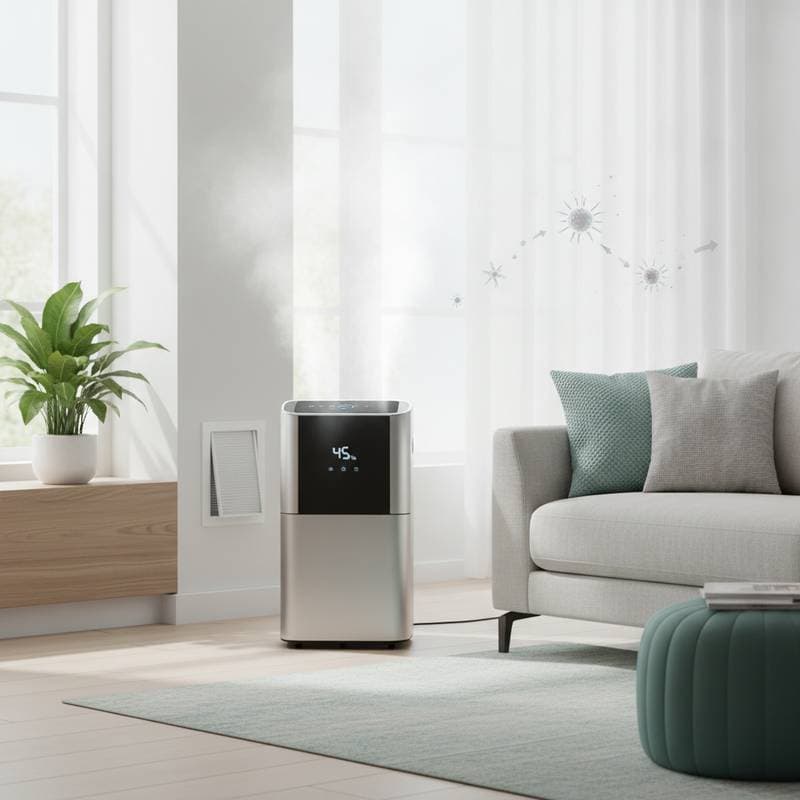
- A whole home dehumidifier removes excess moisture during humid periods without overcooling the space.
- A whole home humidifier adds moisture during dry winter months through steam or evaporative methods.
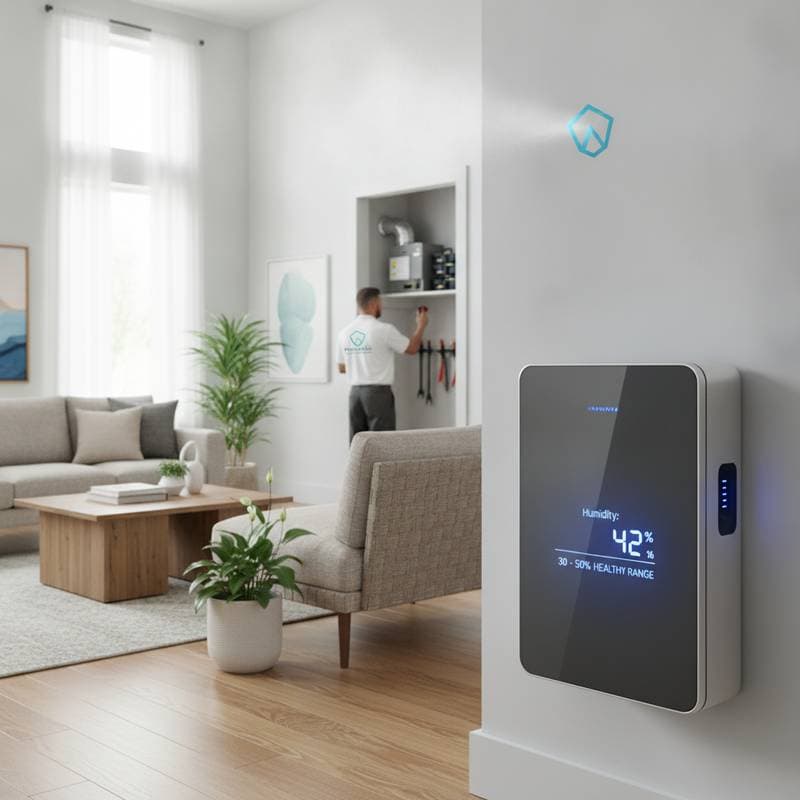
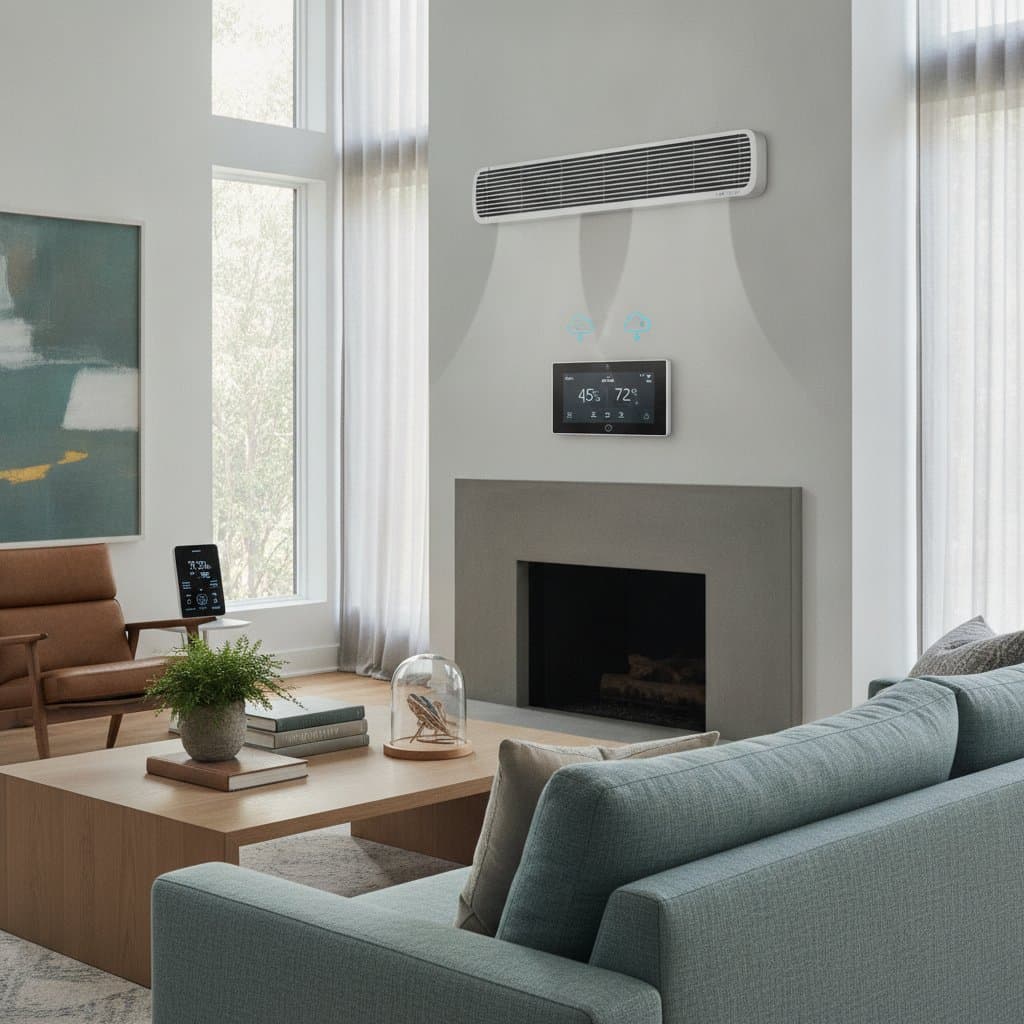
- Smart thermostats and sensors monitor both temperature and humidity, making automatic adjustments.
- Variable speed blowers deliver steady airflow that prevents hot or cold spots.
- Integrated filtration and energy recovery ventilators refresh indoor air while preserving efficiency.
Traditional systems rely on incidental dehumidification during cooling cycles only. This approach leaves humidity uncontrolled when the equipment is off. Dual systems treat every room evenly through the existing duct network.
Key Benefits
Balanced humidity improves comfort and air quality. It reduces airborne allergens and supports easier breathing. Proper moisture levels also allow thermostat settings to shift several degrees without sacrificing comfort, cutting energy use by up to 10 percent.
Wood floors, instruments, and electronics last longer when moisture stays stable. High humidity encourages mold while low humidity dries mucous membranes and raises infection risk. Smart controls let users track humidity from a phone and receive alerts when levels move outside target ranges.
Installation and Setup Steps
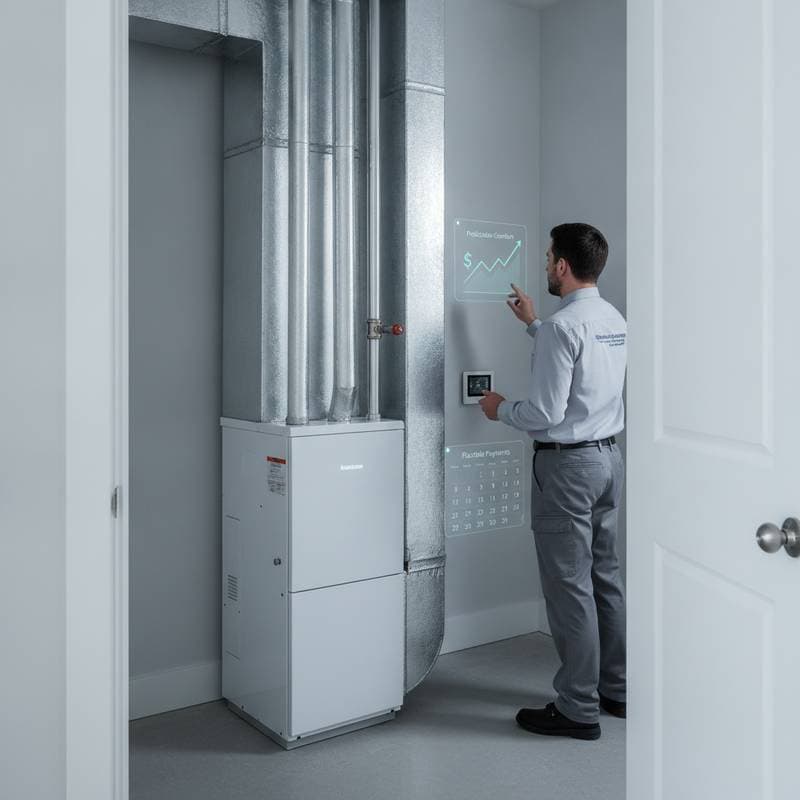
- Request a full HVAC audit that measures square footage, insulation, and duct performance.
- Confirm compatibility of existing equipment or plan for a full replacement if needed.
- Select climate appropriate equipment such as larger dehumidifiers in coastal areas.
- Obtain a load calculation to match system capacity to the home.
- Integrate controls with existing smart home platforms.
Budget and Maintenance Expectations
Adding dual humidity control to an existing system typically costs between 1500 and 3000 dollars. Complete replacements range from 8000 to 12000 dollars. Routine care includes filter changes every one to three months, annual coil cleaning, humidifier pad replacement each heating season, and professional calibration twice a year. A well maintained system operates 15 to 20 years.
Verify that installers obtain required permits and follow local codes. Check with utility providers for available rebates that can offset several hundred dollars of the project cost.
Ongoing Efficiency Practices
Monitor readings monthly and adjust targets seasonally. Use ceiling fans to improve air circulation. Seal duct leaks to prevent unconditioned air from entering the system. Clear drains promptly to avoid water buildup. These steps keep performance steady and comfort consistent.
Advances in Whole Home Humidity Management
Newer models incorporate predictive algorithms that anticipate weather changes and household activity. As building envelopes tighten further, precise moisture control becomes essential to prevent structural damage and maintain air quality.
Contact a qualified HVAC professional to evaluate your home and design a system matched to local conditions. The result is air that feels fresh in every season while energy costs decline.