Why Builders Are Ditching Ducts for Ductless HVAC
Builders in both residential and commercial sectors increasingly select ductless HVAC systems over traditional ducted options. This preference stems from enhanced efficiency, greater design versatility, and the push for superior indoor air quality. Known as mini-split systems, these setups remove the need for extensive ductwork, providing precise climate control and reduced operational expenses.
The Growing Adoption of Ductless HVAC in New Builds
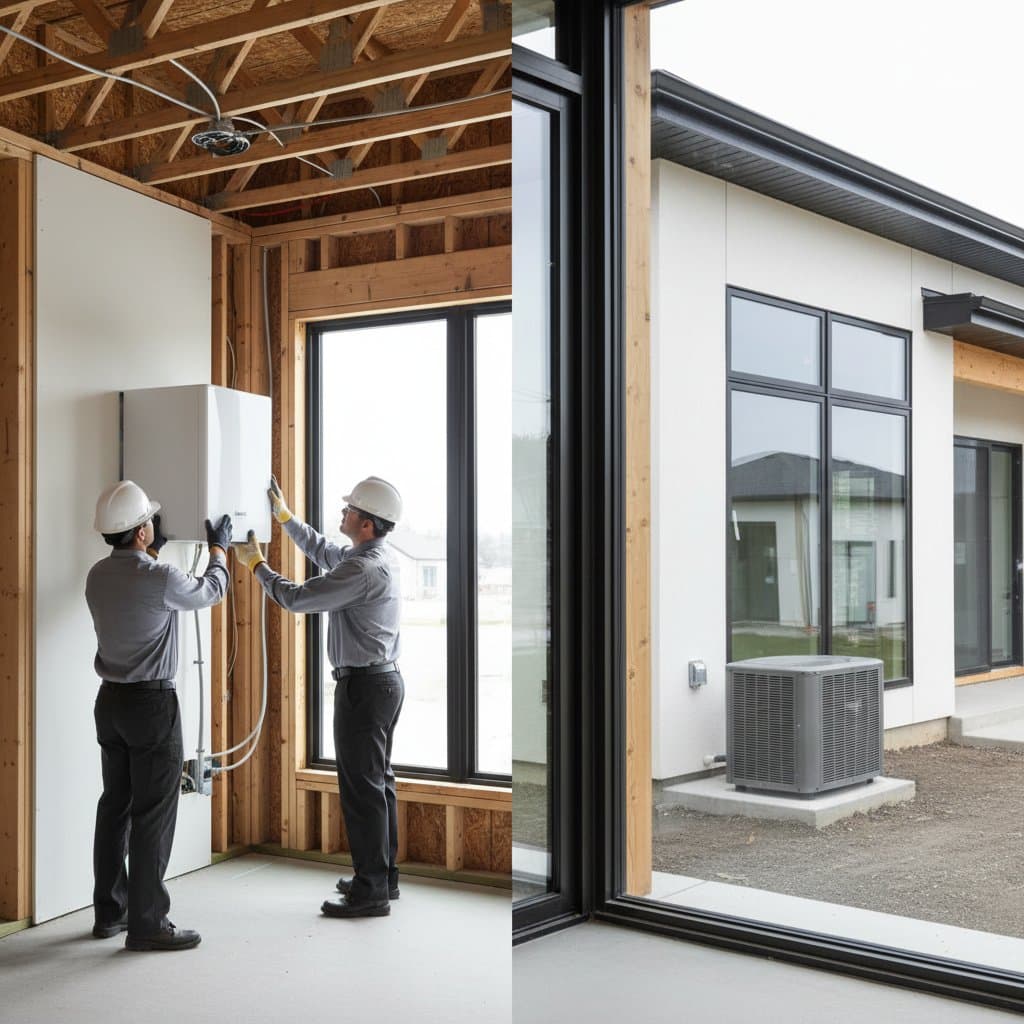
New construction projects, from single-family homes to small commercial facilities, emphasize systems that expedite installation and minimize ongoing upkeep. Ductless HVAC aligns seamlessly with these priorities. An outdoor compressor links to multiple indoor air handlers via slender refrigerant lines, enabling swift setup and seamless incorporation into contemporary designs.
The absence of ducts prevents energy dissipation from leaks or inadequate insulation, yielding savings of 20 to 30 percent relative to standard forced-air configurations. Beyond mere efficiency, these systems grant expansive design possibilities and reliable temperature regulation throughout spaces.
Ductless Versus Ducted Systems: A Side-by-Side Analysis
| System Type | Installation Complexity | Energy Efficiency | Design Flexibility |
|---|---|---|---|
| Ducted Central HVAC | High; demands comprehensive ductwork | Moderate; prone to duct-related losses | Limited; duct paths constrain layouts |
| Ductless Mini Split | Low; relies on minimal refrigerant lines | High; bypasses duct inefficiencies | High; supports independent zoning |
This comparison underscores the advantages of ductless systems for builders seeking streamlined processes and elevated performance.
Primary Motivations for Choosing Ductless Systems
1. Streamlined and Efficient Installation
Installing conventional ducts demands several days for planning and execution, particularly in bespoke residences or renovations. Ductless alternatives employ narrow conduits with just a handful of wall openings. Such approaches accelerate timelines and mitigate scheduling disruptions, proving invaluable in fast-paced building environments.
2. Superior Energy Efficiency
Ductless units distribute conditioned air straight to occupied areas, sidestepping losses in unconditioned zones like attics or basements. This direct delivery enhances overall system performance. Builders leverage these efficiencies to promote properties with top-tier energy profiles, attracting environmentally aware purchasers and complying with stringent codes.
3. Precise Zoning for Customized Comfort
Independent controls on each indoor unit allow tailored settings for diverse areas, such as cooler bedrooms or warmer offices. This granularity ensures even distribution without overworking the system. During property tours, buyers experience these comforts firsthand, heightening the appeal of the build.
4. Enhanced Architectural Versatility
Forgoing bulky ducts frees up space for innovative elements, including higher ceilings and fluid open plans. Architects incorporate features like structural beams or soaring vaults without compromise. This liberty fosters distinctive, client-desired aesthetics in modern constructions.
5. Elevated Indoor Air Quality
Conventional ducts harbor dust, pollen, and contaminants, compromising air purity over time. Ductless systems circumvent this by filtering and delivering air at the point of use. Builders position this as a premium wellness feature, resonating with health-conscious families and those prone to sensitivities.
Budgeting for Ductless HVAC Installations
| Component | Cost Range |
|---|---|
| Single-Zone Ductless System | $2,500 to $4,000 |
| Multi-Zone Ductless System | $5,000 to $9,000 |
| Ducted Central HVAC | $6,000 to $12,000 |
| Additional Ductwork | $2,000 to $5,000 |
Upfront expenses for ductless setups often match or slightly exceed central systems, yet labor and material reductions from skipping ducts yield net savings. These benefits amplify in multi-zone applications or constrained retrofit scenarios.
Elements Affecting Ductless System Expenses
- Capacity and Scale: Expansive properties necessitate additional handlers, elevating hardware needs.
- Zone Count: Extra zones increment both supplies and setup efforts.
- Efficiency Metrics: Units with elevated SEER ratings demand higher initial investment but trim ongoing utility outlays.
- Manufacturer Quality: Established brands command premiums for extended guarantees and durability.
- Site-Specific Challenges: Material composition, unit spacing, and access influence workforce demands.
- Regional Variations: Contractor fees fluctuate based on locale and skill levels.
- Power Infrastructure: Legacy structures might require wiring enhancements to accommodate demands.
Upkeep and Enduring Benefits
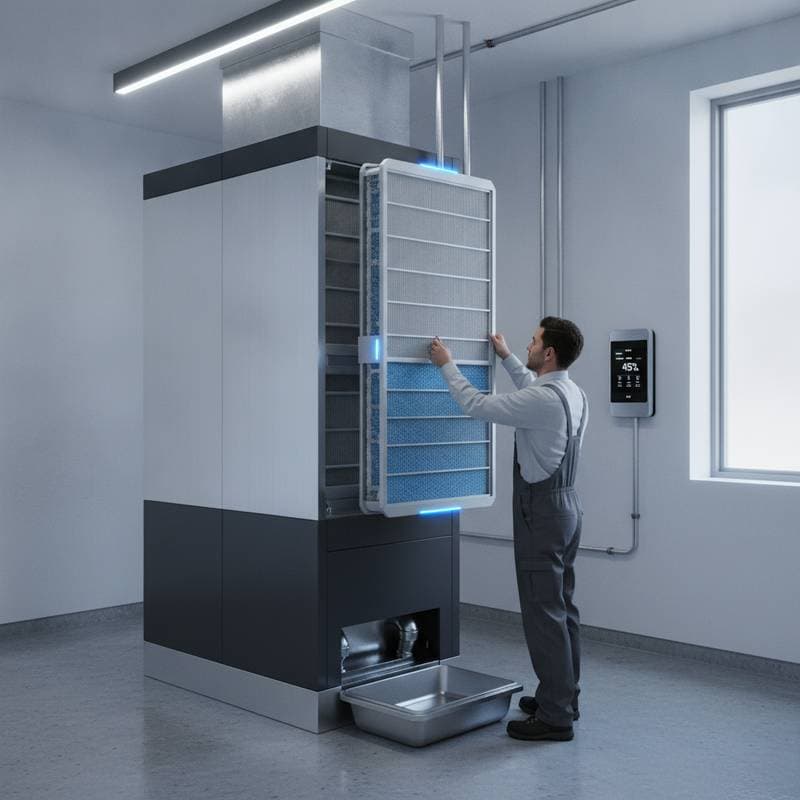
Ductless maintenance proves simple and owner-managed in many aspects. Replace or wash filters every month, ensure outdoor components remain unobstructed, and arrange annual technician reviews. Compared to ducted counterparts, these routines cut down on service interruptions and builder liabilities.
Long-term, the systems curb energy expenditures while sustaining uniform conditions across zones. Buyers value this reliability, factoring it into assessments of total ownership costs and satisfaction.
Upgrading or Overhauling Existing Systems
Renovation projects frequently reveal ductless options as superior to duct retrofits. Transitioning from outdated central units sidesteps invasive structural changes. When repair projections surpass 50 percent of replacement value, installing a ductless array emerges as the prudent path forward.
Strategies for Maximizing Savings on Ductless Projects
- Opt for balanced-efficiency models that harmonize affordability with robust output.
- Time setups for slower seasons to capitalize on reduced contractor availability.
- Pursue incentives like rebates for high-efficiency installations.
- Maintain filters diligently to optimize flow and extend equipment life.
- Solicit bids from several specialists to secure competitive pricing.
- Pair HVAC work with insulation improvements for compounded efficiency gains.
Steps to Implement Ductless HVAC in Your Build
Evaluate your project's scale and layout to determine zone requirements. Consult certified installers for site assessments and customized proposals. Prioritize systems with strong efficiency credentials to align with sustainability objectives. By integrating ductless technology early, builders deliver homes that excel in comfort, economy, and innovation.