Why Whole-House Humidity Control Matters for Modern Homes
Balanced humidity is the hidden key to a comfortable, healthy, and efficient home. Whole-house humidity control helps maintain consistent moisture levels that protect air quality, building materials, and energy costs. Modern systems integrate directly with HVAC equipment to deliver steady comfort across every room.
The Real Value of Balanced Humidity
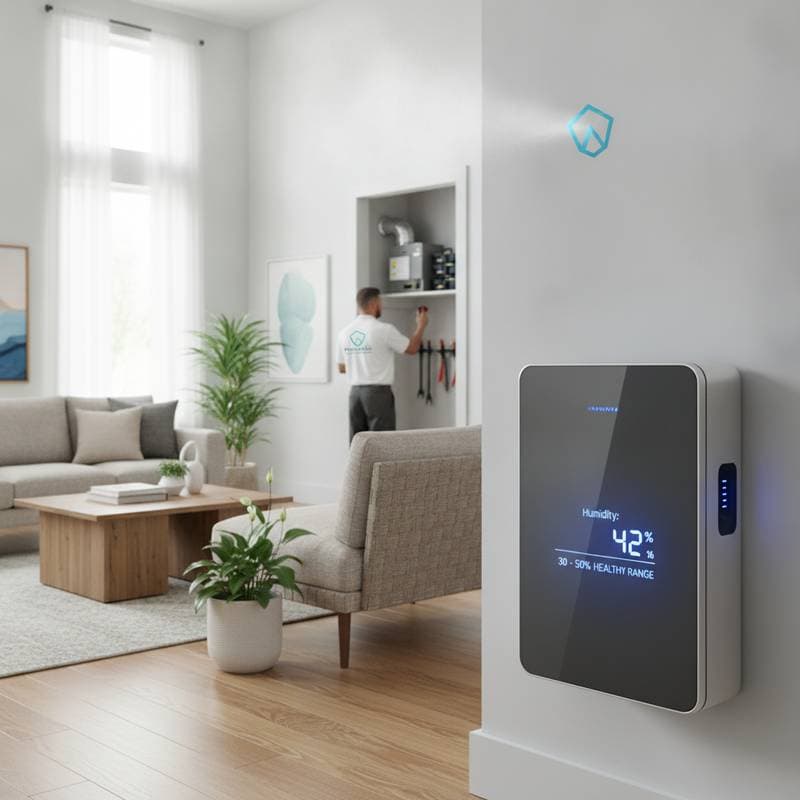
Humidity affects more than how the air feels. It influences health, comfort, and even the lifespan of a home structure. Excess moisture encourages mold growth, dust mites, and bacteria. Too little moisture leads to dry skin, static shocks, and cracked wooden surfaces. Whole-house humidifiers and dehumidifiers maintain an ideal indoor range, usually between 30 and 50 percent relative humidity, for consistent comfort year-round.
Protecting Home Structure and Systems
Uncontrolled humidity gradually damages a home. High moisture can warp hardwood floors, peel paint, and weaken drywall. Low humidity dries out furniture, musical instruments, and trim. Whole-house humidity control prevents these issues before they start by managing moisture evenly through ductwork. Unlike portable units, these systems treat every corner of a home without constant refilling or manual adjustment.
Health and Comfort Improvements
Balanced humidity supports respiratory health. Dry air can irritate sinuses and throats, while damp air can trigger allergies and asthma. A well-regulated system helps reduce airborne contaminants and keeps the air easier to breathe. Families notice fewer colds, less static electricity, and improved sleep quality when moisture levels stay consistent. Households with young children or elderly members especially benefit from stable indoor air conditions.
Energy Efficiency and Cost Savings
Humidity control also boosts HVAC performance. When air holds the right amount of moisture, it feels warmer in winter and cooler in summer. This means heating and cooling systems run less often to maintain the same comfort level. Over time, that translates to lower energy bills and reduced wear on HVAC equipment. Many homeowners see noticeable savings after adding a whole-house dehumidifier or humidifier.
Choosing the Right Humidity Control System
There are several ways to manage moisture throughout a home.
| System Type | Primary Function | Typical Installation |
|---|---|---|
| Whole-house humidifier | Adds moisture to dry air | Connected to furnace or air handler |
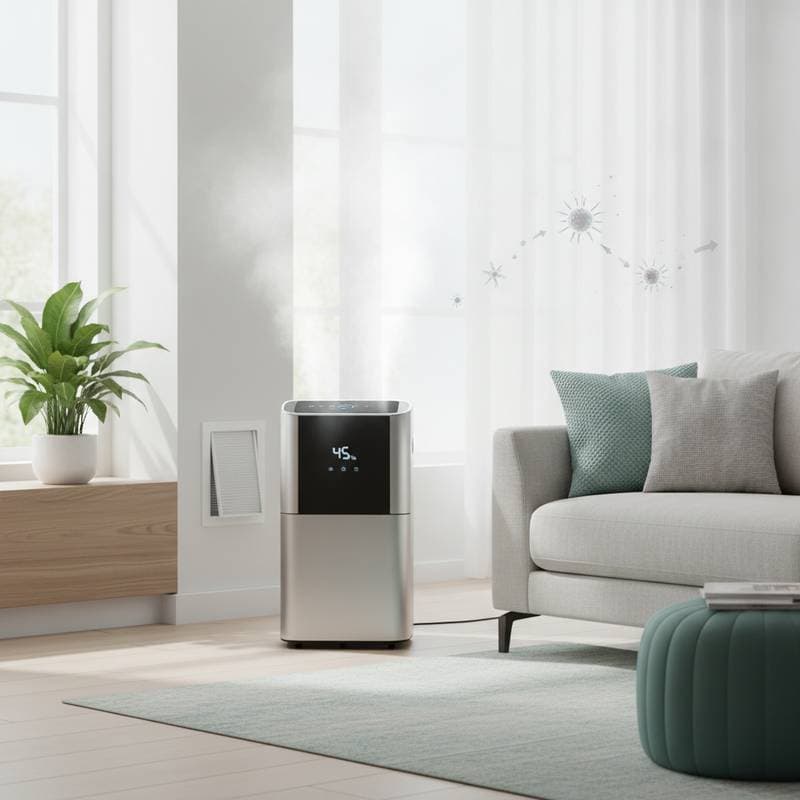
| Whole-house dehumidifier | Removes excess moisture | Integrated into return duct or standalone |
| Combination system | Adjusts both high and low humidity | Installed alongside HVAC system |
Each system can be customized to meet climate, home size, and comfort preferences. A professional technician can test indoor air and recommend the right balance of humidification and dehumidification.
Maintenance for Long-Term Performance
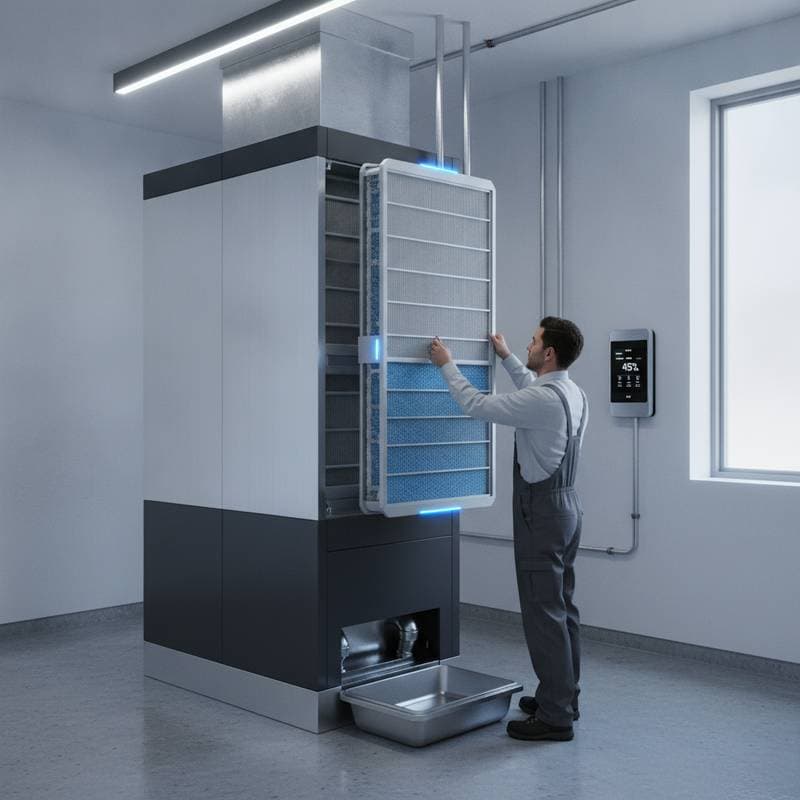
Like any HVAC component, humidity control systems need periodic care. Replace filters, clean water panels, and inspect drain lines at least once a year. Keeping the system clean ensures efficient operation and prevents bacteria buildup. Regular maintenance also extends equipment life and maintains consistent humidity control throughout every season.
Smart Home Integration and Controls
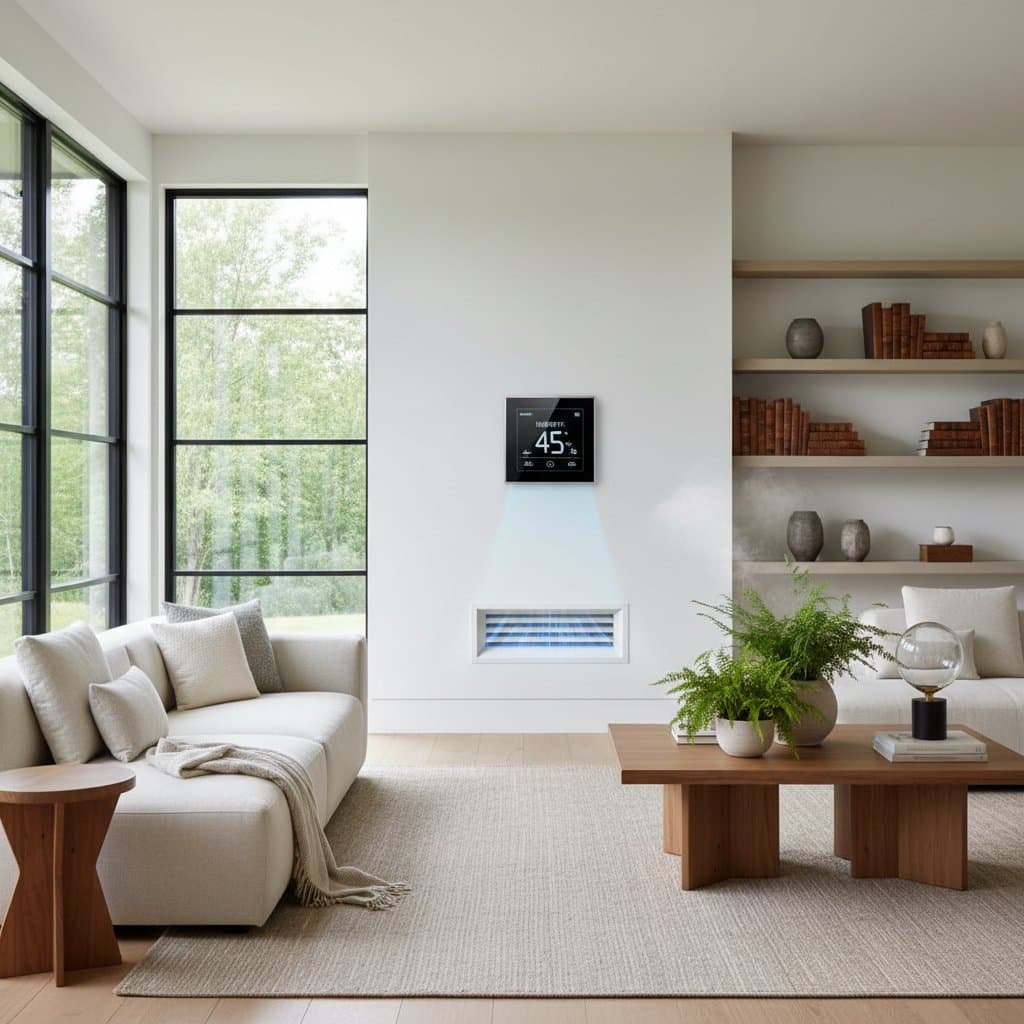
Modern humidity control systems connect with smart thermostats and home automation platforms. Homeowners can monitor indoor moisture levels, adjust settings remotely, and receive alerts if humidity drifts out of range. This technology eliminates guesswork and keeps a home comfortable no matter the weather outside.
Evaluating Home Humidity Needs
If a home feels stuffy, dry, or uncomfortable, humidity control could be the missing piece. Investing in a whole-house humidifier or dehumidifier protects health, preserves the home, and improves energy efficiency. Contact a licensed HVAC professional to evaluate the current system and explore the best moisture management solution.