Introduction to Optimal Indoor Humidity
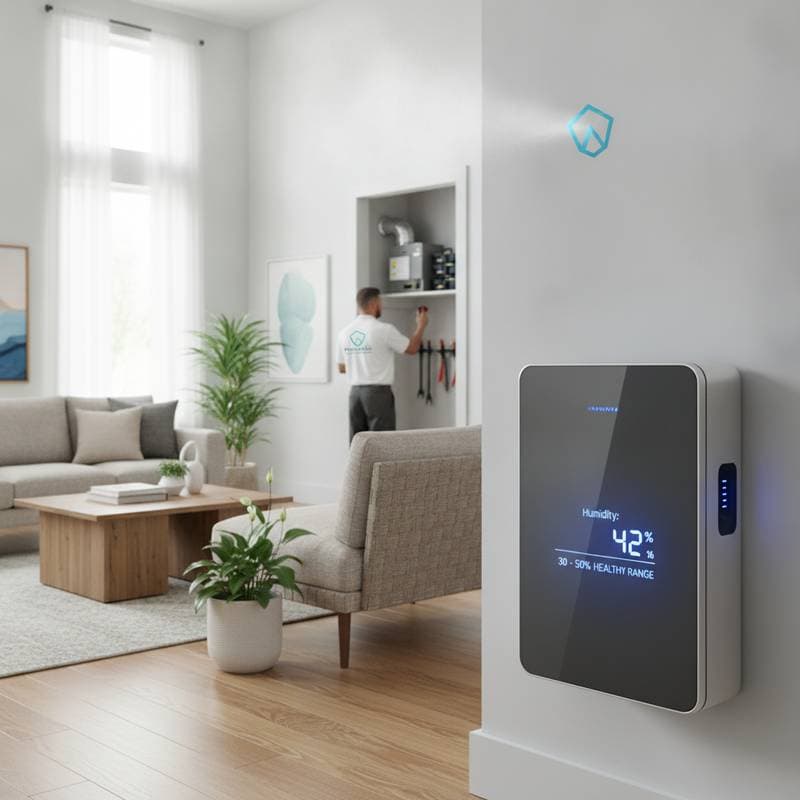
Maintaining indoor humidity levels between 40% and 55% offers significant advantages for both your home and HVAC system. This range ensures consistent comfort by eliminating the damp chill of winter and the sticky heat of summer. It also promotes healthier air by reducing allergens, mold spores, and airborne irritants.
Furthermore, balanced humidity enhances energy efficiency, allowing the HVAC system to operate more smoothly and potentially cutting energy use by 10 to 20 percent. Home protection follows naturally, as proper moisture levels prevent issues such as warping wood floors, peeling paint, and window condensation. These benefits underscore the importance of precise humidity management in modern living spaces.
The Advantages of Central Humidity Control Systems
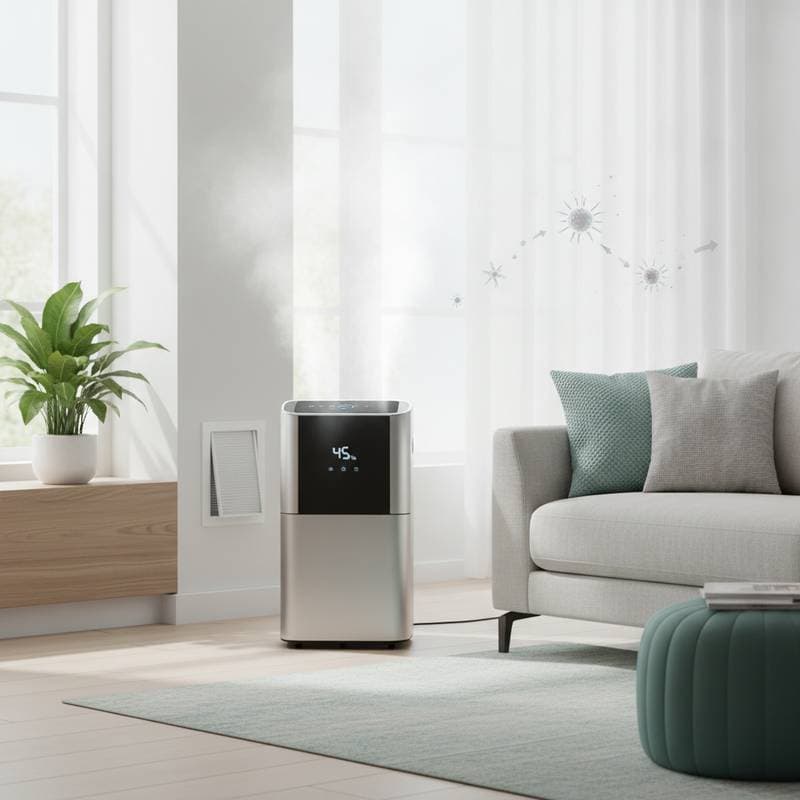
One might wonder if a standalone unit suffices for humidity regulation. Portable dehumidifiers provide relief in isolated areas, yet they often fail to deliver uniform control throughout the entire home. In contrast, a central system monitors and adjusts moisture levels in real time, ensuring even distribution across all living areas.
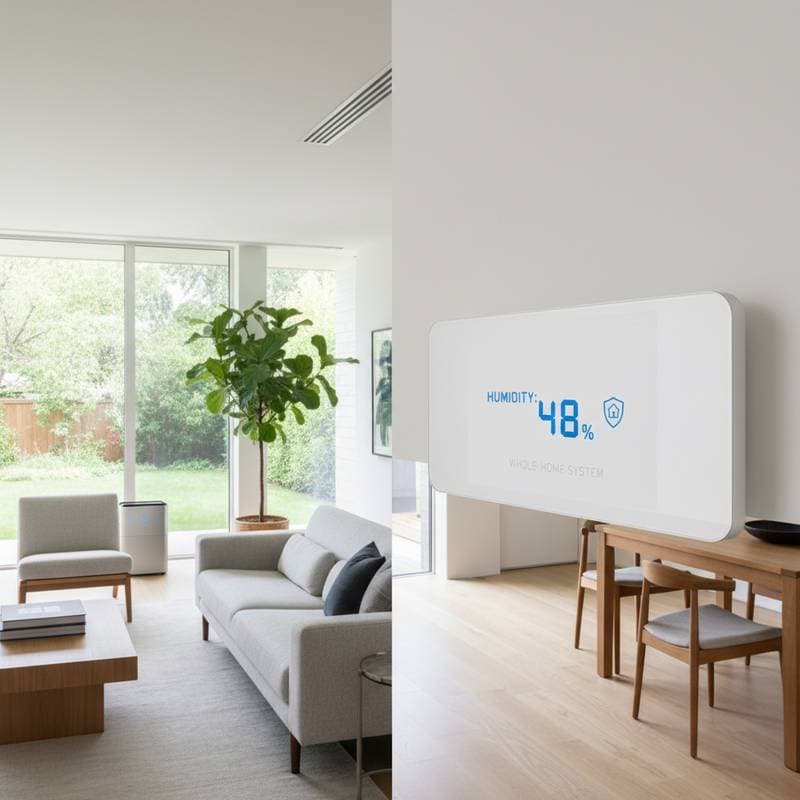
Central systems integrate seamlessly with existing HVAC infrastructure, providing reliable performance that standalone options cannot match. This approach guarantees that every room benefits from balanced conditions, fostering a more comfortable and healthier environment year-round.
Expert Guidance for Selecting a Humidity Control System
Choosing the appropriate humidity control equipment requires consideration of your home's size, local climate, and current HVAC configuration. Based on extensive field experience, initiating the process with a professional moisture audit proves invaluable. Such an assessment determines whether dehumidification, humidification, or a combination serves your needs best.
Key Factors to Evaluate
-
Climate Conditions: In regions with high humidity, a whole-home dehumidifier counters excess moisture during cooling periods. In dry or cold climates, a humidifier introduces necessary moisture to counteract the drying effects of heating systems.
-
Compatibility with Existing Systems: Verify that your HVAC setup supports add-on humidity controls. Variable-speed units excel in this regard, as they promote even air circulation. Technicians can incorporate control panels that connect to smart thermostats, enabling effortless oversight.
-
Capacity and Proper Sizing: Units that are too small cannot effectively manage moisture. For a home spanning 2,000 square feet, a dehumidifier with a capacity of approximately 70 pints per day works well; larger properties may require 90 pints or more to achieve optimal results.
-
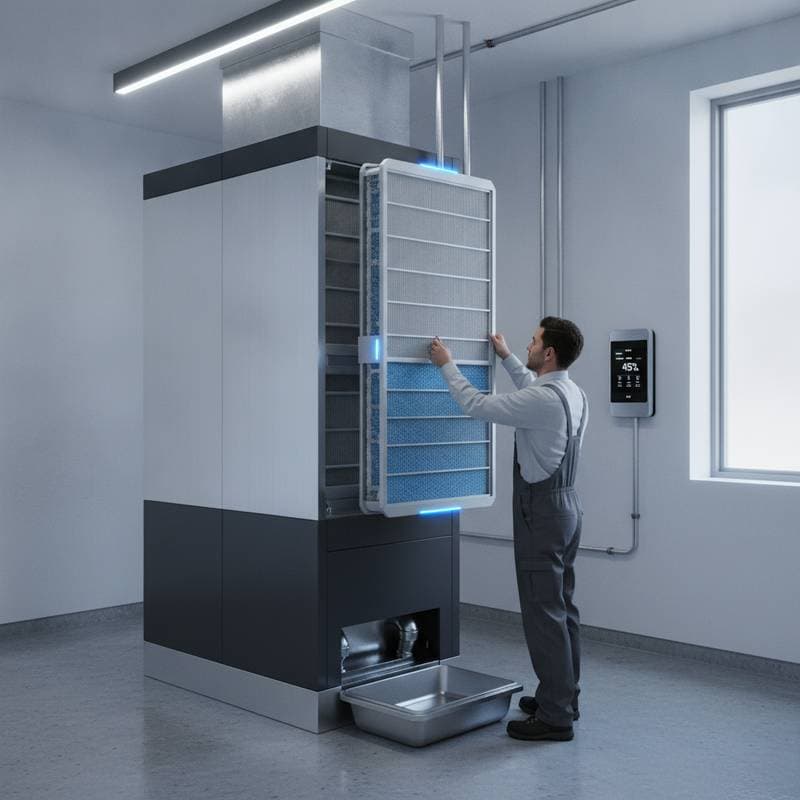
Ongoing Maintenance Requirements: Whole-home systems demand regular filter replacements and coil cleanings. Annual professional servicing maintains peak efficiency and prevents performance declines.
Strategies for Year-Round Humidity Optimization
A high-quality system forms the foundation, but everyday practices further support balanced indoor moisture.
-
Effective Ventilation: Operate exhaust fans in bathrooms and kitchens to expel surplus moisture generated during daily activities.
-
Leak Prevention: Inspect ductwork, windows, and crawl spaces for openings that permit humid outdoor air to infiltrate.
-
Smart Monitoring Tools: Contemporary thermostats feature humidity readouts and notifications, allowing proactive adjustments to environmental shifts.
-
Filter Upkeep: Regularly cleaning or replacing filters enhances airflow and bolsters moisture extraction capabilities.
-
Seasonal Checkups: Arrange HVAC tune-ups prior to intense heating or cooling seasons to calibrate sensors and coils accurately.
These steps, when combined with a robust system, create a resilient defense against humidity fluctuations.
Essential Factors for Humidity System Installation
Prior to installing a whole-home dehumidifier or humidifier, evaluate several elements that affect expenses, setup, and effectiveness.
-
Installation Expenses: Professional installation typically ranges from $1,500 to $3,000, encompassing duct modifications, electrical connections, and initial calibration.
-
Operational Costs: Energy consumption remains low, generally under $15 monthly, varying by regional climate demands.
-
Investment Returns: Many homeowners observe decreased utility bills and improved comfort shortly after implementation, often within the initial year.
-
Safety Protocols: Engage certified HVAC specialists for all installations. Improper handling of refrigerants or wiring poses substantial risks.
-
Regulatory Compliance: Local authorities may mandate permits for HVAC alterations. Licensed contractors guarantee adherence to building codes.
As HVAC technician Carla Jensen observes, "When humidity control integrates directly into your HVAC system, you eliminate guesswork. You achieve professional-level management of comfort."
Enduring Advantages of Balanced Indoor Humidity
Effective humidity management elevates the quality of your living environment in profound ways. The air circulates more lightly, extending the durability of furniture and flooring. HVAC systems experience reduced strain, leading to fewer malfunctions over time.
Residents benefit from diminished static electricity, alleviated allergy symptoms, and a noticeably fresher atmosphere indoors. Families enjoy enhanced sleep quality, simpler respiration, and decreased incidence of seasonal illnesses. For the property itself, stable moisture levels provide enduring structural integrity.
Stabilizing indoor humidity equates to daily enhancements in air quality and overall well-being.
Next Steps for Implementing Humidity Control
To assume command of your home's internal climate, commence with a comprehensive professional humidity assessment. A skilled HVAC specialist will quantify current moisture levels, evaluate ventilation efficiency, and propose customized system recommendations.
At americanairhvac.net, homeowners gain access to verified experts focused on whole-home humidity solutions. Request a complimentary quote, review available systems, and identify a dependable local provider for installation and ongoing support.
Integrating humidity control represents more than a mere enhancement; it constitutes a strategic investment in your home's endurance and your household's health. As an HVAC authority, I advocate incorporating this feature during your forthcoming system improvements.
Frequently Asked Questions
How can I determine if my home requires a dehumidifier or humidifier?
If condensation appears on windows, musty smells persist, or the air feels clammy, a dehumidifier addresses excess moisture. Conversely, dry skin, cracking wood furnishings, or heightened static suggest overly arid conditions, where a humidifier provides relief.
How frequently should a whole-home humidity control system receive maintenance?
Annual servicing suffices. Technicians clean coils, inspect sensors, and swap filters to sustain reliable function.
Is self-installation feasible for a whole-home dehumidifier?
Professional installation by a licensed HVAC expert is advisable. Integration with ductwork and power sources demands specialized knowledge.
What duration can homeowners expect from a whole-home humidity system?
With diligent care, these systems endure 8 to 12 years. Routine cleanings and expert evaluations prolong service life and uphold efficiency.
Does humidity control contribute to reduced energy expenses?
Indeed. Equilibrium in moisture levels enables the HVAC to attain desired temperatures with greater efficiency, potentially lowering annual costs by 10 to 20 percent.