Understanding Humidity's Role in Allergen Control
Indoor humidity levels significantly influence the survival and proliferation of common allergens such as dust mites, mold spores, and pollen. When relative humidity exceeds 50 percent, these particles thrive, leading to increased irritation for sensitive individuals. Maintaining levels between 40 and 50 percent disrupts their life cycles, reducing their presence in the air you breathe.
This optimal range also prevents excessive dryness, which can exacerbate respiratory issues. Experts recommend monitoring humidity year-round, as seasonal changes affect indoor conditions. By achieving this balance, homeowners create an environment less conducive to allergen buildup.
The Science Behind 40-50% Humidity
Dust mites, a primary allergen, require humidity above 60 percent to reproduce effectively. At 40 to 50 percent, their populations decline because they cannot retain necessary moisture. Similarly, mold growth halts below 60 percent humidity, minimizing spore release into the air.
Pollen and pet dander settle more readily in controlled humidity, reducing airborne transmission. Studies show that this range enhances the body's natural defenses against irritants. Proper humidity control thus serves as a foundational strategy for allergy management.
Benefits of Optimal Humidity for Health and Comfort
Achieving 40-50% humidity yields multiple advantages beyond allergen reduction. It improves sleep quality by preventing dry skin and nasal passages. Energy efficiency increases as HVAC systems operate more effectively without overworking to combat extreme moisture levels.
Residents experience fewer allergy symptoms, including sneezing, itching, and congestion. This environment supports overall well-being, particularly for children and the elderly. Consistent humidity also preserves wooden furniture and flooring, extending their lifespan.
Implementing Humidity Control in Your Home
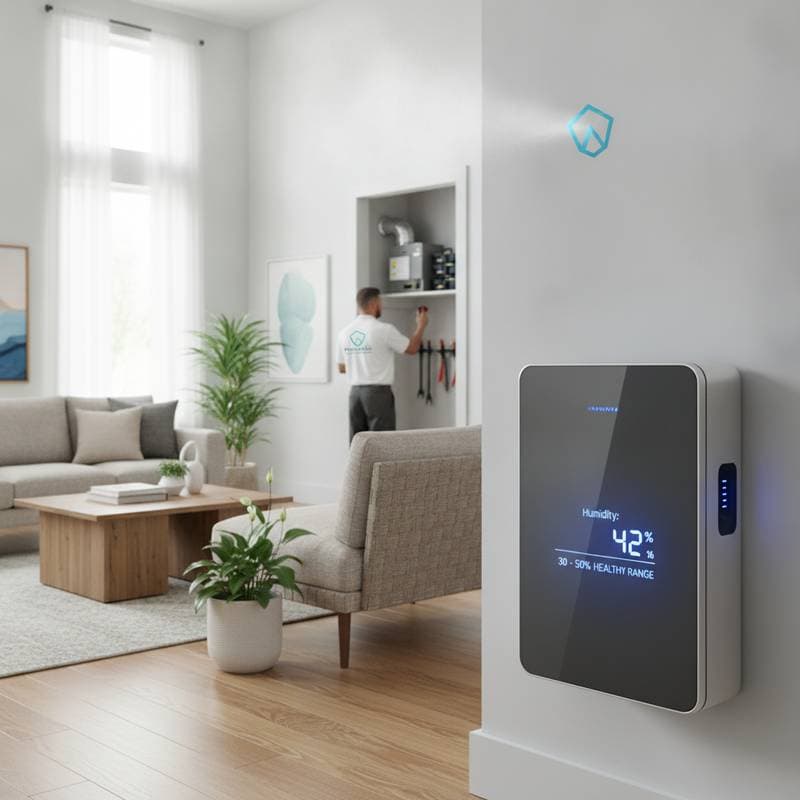
Start with a reliable hygrometer to measure current indoor humidity. Place it in central areas like living rooms and bedrooms for accurate readings. Adjust based on seasonal needs; summers may require more dehumidification, while winters focus on avoiding overly dry air.
Integrating Whole-Home Dehumidifiers
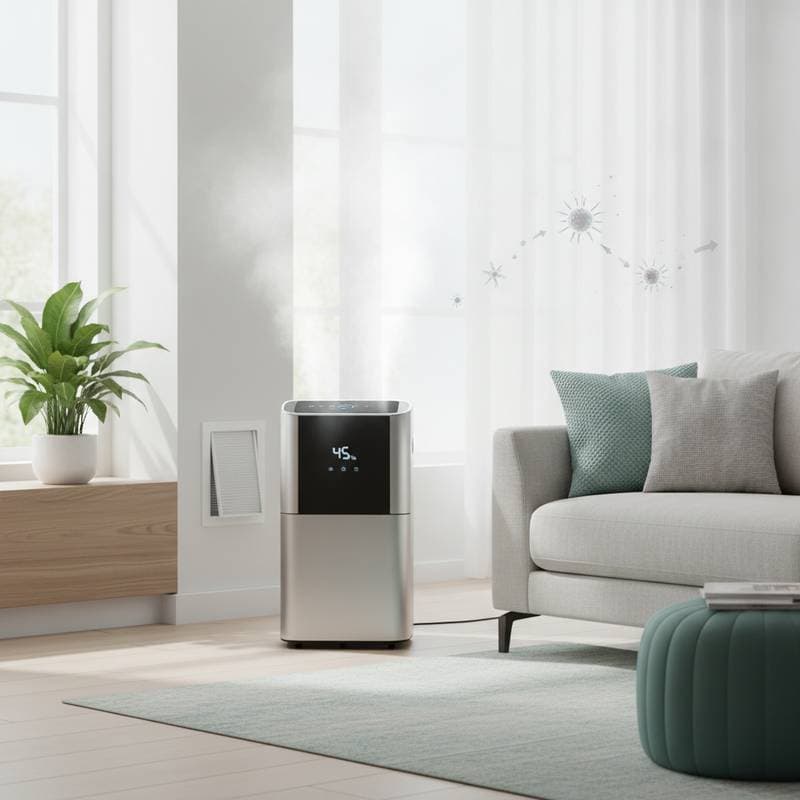
Whole-home dehumidifiers connect directly to your HVAC system, automatically maintaining target levels. These units remove excess moisture from the air passing through the ducts. Select models with adjustable settings to fine-tune between 40 and 50 percent.
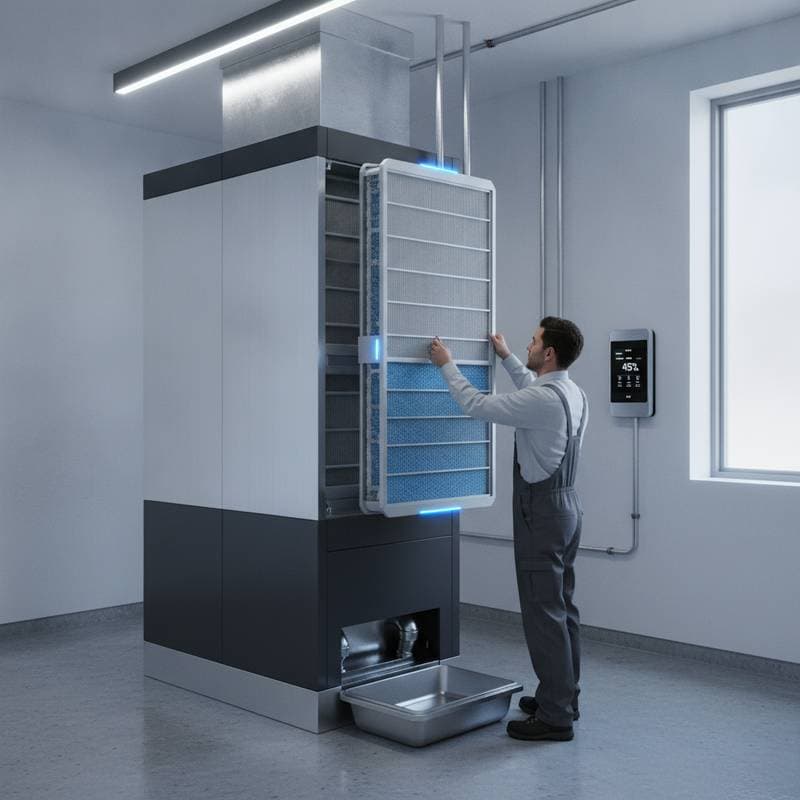
Installation typically involves professional assessment to ensure compatibility with existing equipment. Regular filter changes keep the system efficient. Homeowners report noticeable improvements in air freshness within weeks of activation.
Leveraging Smart Thermostats
Smart thermostats monitor and regulate both temperature and humidity in real time. Many models integrate with dehumidifiers for seamless control. Set alerts for deviations outside the ideal range, allowing prompt adjustments.
These devices learn household patterns, optimizing performance during peak usage times. Remote access via apps enables monitoring from anywhere. Pairing a smart thermostat with humidity sensors provides comprehensive climate management.
Essential HVAC Maintenance Practices
Routine HVAC maintenance forms the backbone of effective humidity control. Schedule professional inspections twice yearly to clean coils and check drainage systems. Clogged components can lead to moisture imbalances.
Replace air filters every one to three months, opting for high-efficiency models that capture fine particles. Ensure vents remain unobstructed for even air distribution. These steps prevent system strain and maintain optimal humidity.
- Inspect ductwork for leaks that could introduce humid outdoor air.
- Calibrate thermostats annually for precision.
- Use exhaust fans in kitchens and bathrooms to expel excess moisture.
Long-Term Strategies for Sustained Air Quality
Combine humidity control with other air quality measures, such as regular vacuuming with HEPA filters. Wash bedding weekly in hot water to eliminate dust mites. Keep indoor plants minimal, as they can contribute to moisture.
Educate family members on habits that affect humidity, like prompt dish drying and shower ventilation. Invest in air purifiers as a supplement, though they work best alongside humidity management. Track improvements in symptoms to validate the approach.
Creating a Healthier Home Environment
Maintaining 40-50% indoor humidity transforms your living space into a sanctuary from allergens. This proactive measure not only eases daily discomfort but also enhances long-term health. Consult HVAC professionals to tailor solutions to your home's unique needs and enjoy cleaner air throughout the year.