Preparing Your HVAC System to Avoid 2025 Summer Breakdowns
Homeowners often encounter a predictable challenge each summer. A sudden heat wave prompts the activation of air conditioning units, only for many systems to falter shortly after, delivering warm air or ceasing operation entirely. Professional experience reveals that these disruptions stem largely from insufficient preparation during the preceding months. Addressing maintenance needs in spring positions the cooling system for optimal performance when demand peaks.
This preparation involves more than basic checks. It requires a systematic approach to identify and resolve potential vulnerabilities before they escalate. By investing time now, homeowners secure reliable cooling, reduce energy consumption, and minimize unexpected repair expenses.
Understanding the Roots of Summer HVAC Failures
Air conditioning systems face intense demands during summer months. The compressor operates for extended periods to maintain indoor temperatures, while evaporator and condenser coils work to dissipate heat efficiently. High humidity levels in many areas add complexity, as the unit must dehumidify the air alongside cooling it. These conditions amplify any existing weaknesses, leading to inefficiencies or complete failures.
Data from field service reports indicates that approximately 80 percent of summer breakdowns connect to maintenance oversights accumulated over the off-season. Common issues include refrigerant leaks that reduce cooling capacity, accumulated dirt on coils that impairs heat transfer, and degraded electrical components such as capacitors or relays that fail under stress. Dust buildup in ducts and filters restricts airflow, causing the system to overwork and overheat.
Winter inactivity contributes significantly to these problems. Without regular use, moisture can condense inside the unit, fostering mold growth. Rodents or debris may infiltrate outdoor components, and seals around doors and windows can dry out, allowing conditioned air to escape. Recognizing these seasonal factors underscores the importance of spring interventions to restore and fortify the system.
Establishing a Reliable Cooling Foundation
Approach HVAC preparation with the diligence applied to vehicle maintenance before an extended journey. Inspect critical elements such as fluid levels, structural integrity, and operational smoothness to ensure safety and efficiency. Similarly, a comprehensive pre-season evaluation of the air conditioning system identifies issues early and optimizes performance.
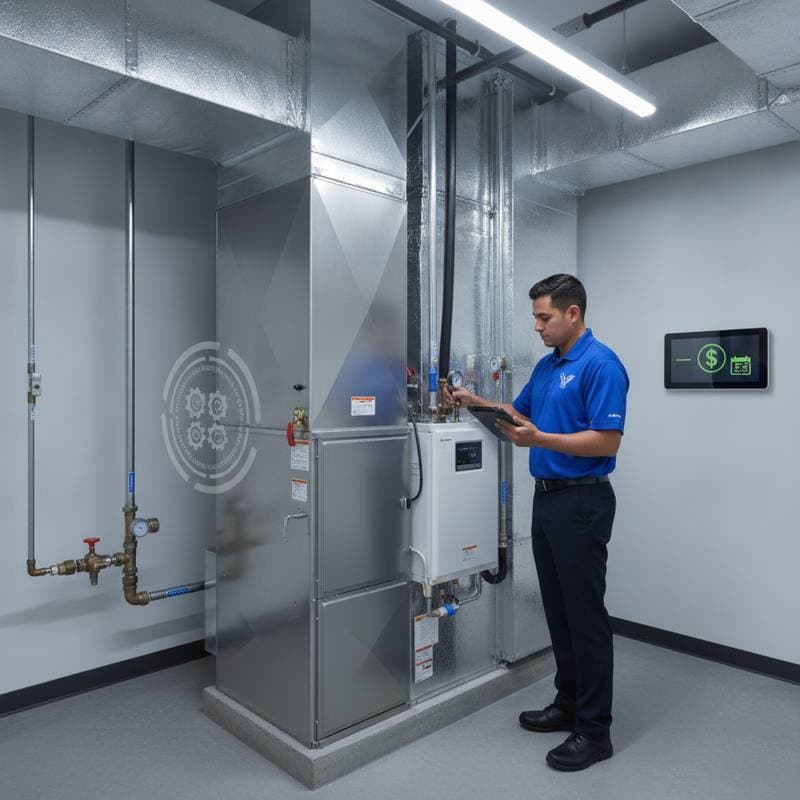
Professional tune-ups provide the cornerstone of this process. Technicians calibrate thermostats for precise temperature control, test electrical connections for safety, and verify refrigerant levels to prevent underperformance. These services typically reveal hidden problems, such as corroded wiring or imbalanced airflow, that homeowners might overlook. The investment yields substantial returns, including up to 15 percent savings on cooling costs through improved efficiency.
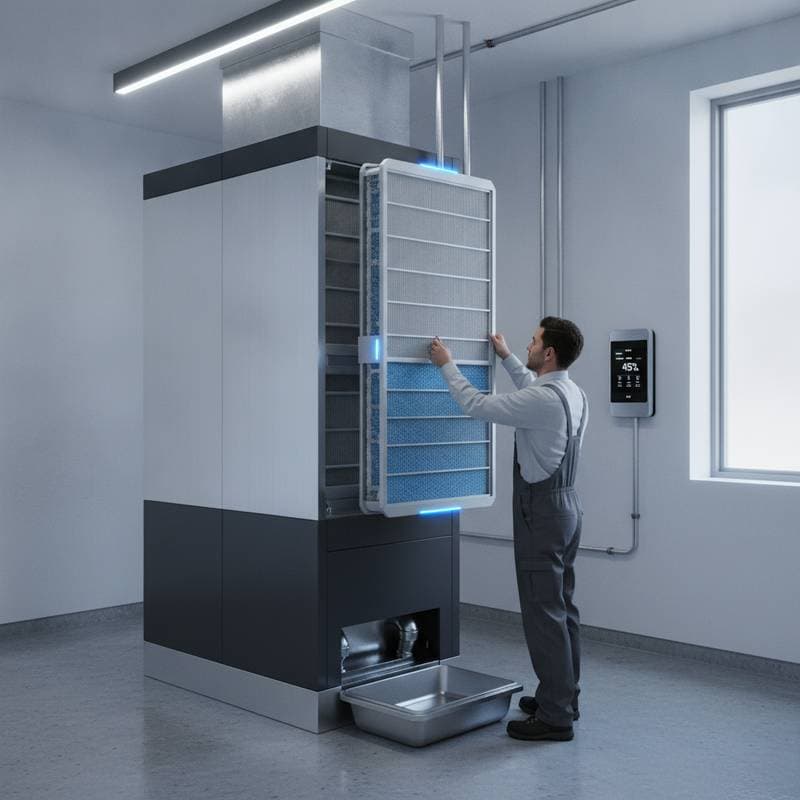
Homeowners play a vital role alongside professional care. Begin by locating the indoor air handler or furnace where the filter resides. Replace standard filters every one to three months, opting for high-efficiency models rated MERV 8 to 13 to capture more particles without restricting flow. Inspect the outdoor condenser unit for obstructions like leaves or overgrown vegetation, clearing a two-foot radius to facilitate unrestricted airflow.
Essential Maintenance Practices for Sustained Performance
Ongoing vigilance extends the benefits of initial preparation throughout the season. Implement these practices to maintain system health and preempt disruptions.
- Maintain clean indoor vents and registers: Remove grilles quarterly and vacuum accumulated dust, lint, or pet dander. This ensures even distribution of cooled air and reduces strain on the blower motor.
- Control indoor humidity: Install a hygrometer to monitor levels, aiming for 30 to 50 percent. Supplement with a whole-home dehumidifier if necessary, especially in humid climates, to ease the AC's workload.
- Service the condensate drain line: Flush the line monthly with a mixture of one part vinegar to ten parts water to dissolve mineral deposits and inhibit bacterial growth. A clogged drain can trigger safety shutoffs and water damage.
- Inspect belts and motors: During routine checks, look for signs of wear like cracks on fan belts or unusual vibrations in motors. Tighten connections and lubricate moving parts as recommended in the unit's manual.
- Track energy usage patterns: Review monthly utility bills for spikes in consumption, which may indicate inefficiencies. Adjust thermostat settings to 78 degrees Fahrenheit when home and higher when away to balance comfort and savings.
These habits demand minimal time but deliver outsized results. They foster a proactive mindset, transforming potential emergencies into manageable routines.
Advanced Steps for Long-Term System Health
For systems over ten years old, consider diagnostic tools to assess deeper performance metrics. Use a manifold gauge set, available at hardware stores, to measure refrigerant pressure if comfortable with basic HVAC principles; otherwise, defer to professionals. Evaluate ductwork for leaks by feeling for air escaping around joints and sealing with mastic or foil tape.
Upgrading components can further enhance reliability. Replace single-stage units with variable-speed models that adjust output to demand, reducing wear and noise. Smart thermostats integrate with home automation, learning preferences to optimize runtime and alert users to irregularities via mobile apps.
Securing Uninterrupted Comfort This Summer
A well-maintained air conditioner forms the core of summer livability, delivering consistent cool air without faltering. Proactive spring actions, from professional inspections to daily monitoring, build resilience against heat's demands. Homeowners who prioritize these measures enjoy lower bills, fewer service calls, and extended equipment life.
Connect with certified technicians through americanairhvac.net to schedule evaluations or discuss enhancements suited to specific home layouts and climates. Early planning translates to serene, cool interiors when temperatures rise.
Frequently Asked Questions
Q: How often should HVAC maintenance occur?
A: Schedule professional service twice annually, once in spring for cooling preparation and once in fall for heating readiness. These appointments, priced between $100 and $200, address 80 percent of potential failures and maintain warranty compliance.
Q: What signs indicate an imminent AC failure?
A: Watch for weak airflow, unusual odors like mustiness, or cycles shorter than 15 minutes. Warm supply air or frequent thermostat adjustments signal issues requiring immediate attention.
Q: Can DIY efforts fully replace professional tune-ups?
A: Basic tasks like filter changes suffice for routine care, but experts handle complex diagnostics such as refrigerant recharging or coil cleaning, ensuring safety and compliance with regulations.