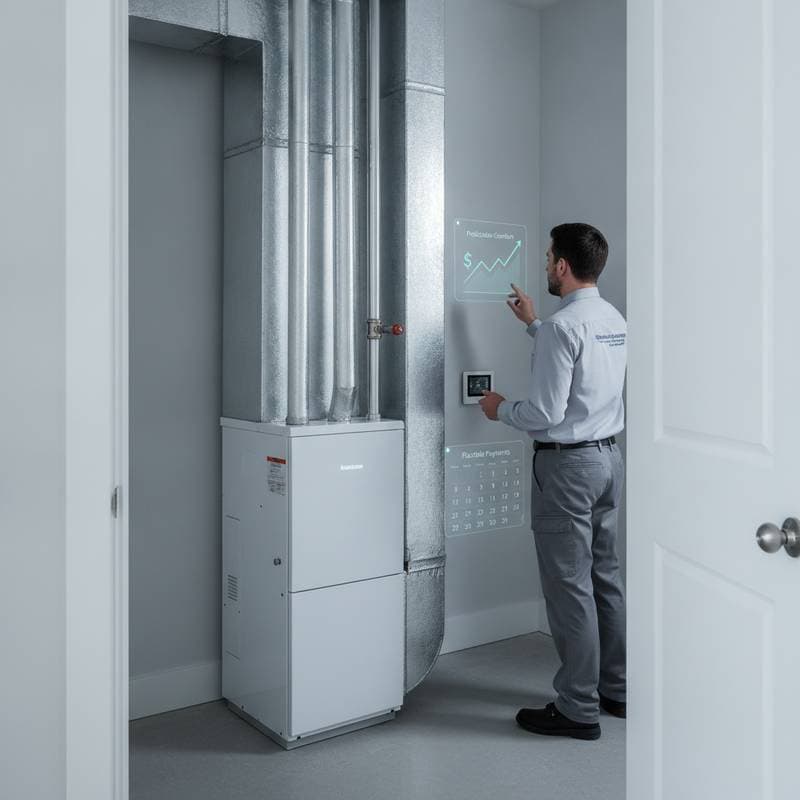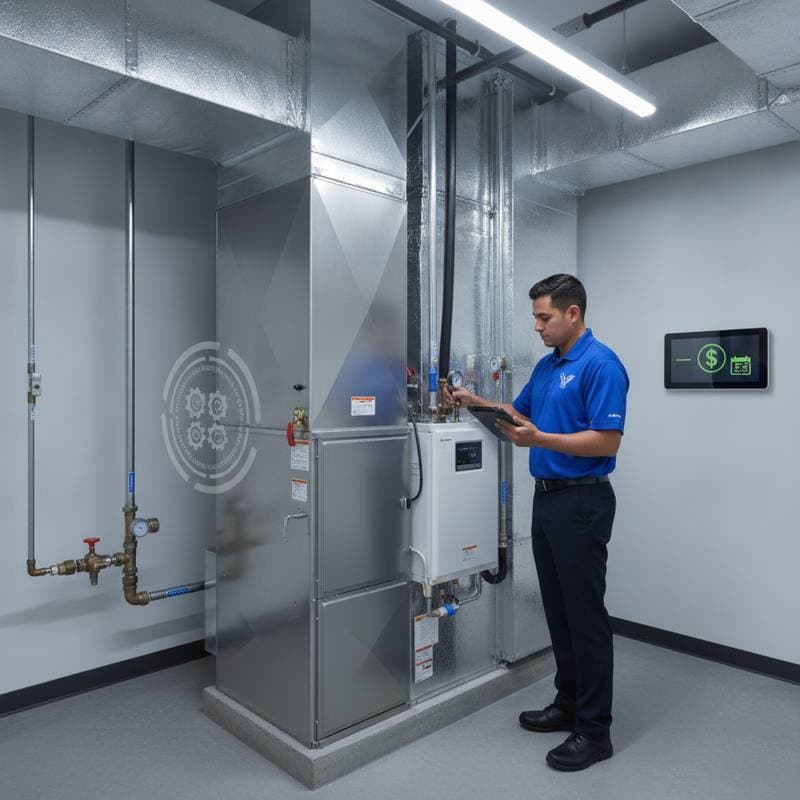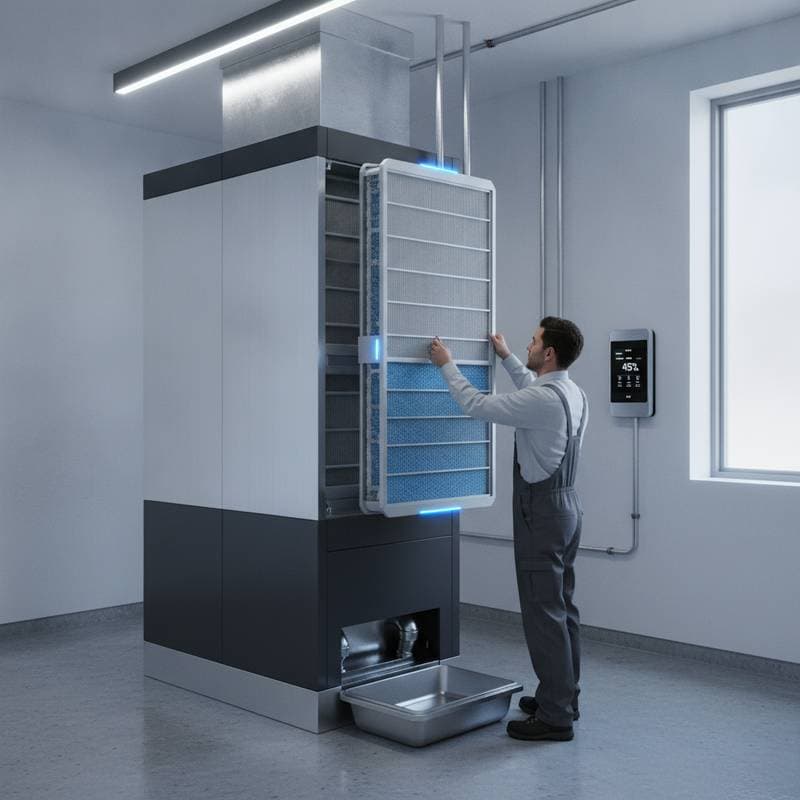
HVAC Plans: Monthly vs. Yearly – Which Saves You More?
As an HVAC professional, I have observed numerous homeowners facing the same dilemma each season. Should you opt for a yearly HVAC maintenance plan, or maintain flexibility through a monthly subscription? This choice impacts your comfort, budget, and peace of mind. Imagine your air conditioner operating smoothly during intense summer heat, or your furnace starting reliably at the first sign of cold weather. Such dependability arises from consistent professional maintenance.
Based on my extensive experience, regular upkeep forms the foundation of a reliable system. The key distinction emerges in the payment structure. By examining the advantages, expenses, and enduring effects of monthly versus yearly HVAC plans, you can select the approach that aligns with your home and daily routine.
The Value of Structured Maintenance
A maintenance plan shifts HVAC care from sporadic reactions to a scheduled, preventive process. It guarantees professional inspections at regular intervals, often with priority scheduling and member discounts. The central decision involves the payment method: monthly installments or a single yearly payment.
Both structures provide distinct benefits. Monthly plans distribute expenses across the year for straightforward budgeting. Yearly plans typically feature reduced rates and streamlined administration. Your selection hinges on cash flow, household routines, and expense management preferences.
Advantages of Yearly HVAC Plans
Yearly HVAC maintenance plans attract homeowners who favor settling services in a single payment. These plans generally range from $150 to $300 in total cost, varying by system type and coverage scope.
Key Benefits
-
Financial Discounts
Providers frequently apply a 10 to 15 percent reduction for annual payments compared to monthly equivalents. -
Streamlined Administration
Submit one payment and avoid ongoing charges on your billing statements until renewal. -
Enhanced Services and Incentives
These plans commonly encompass extras such as eliminated diagnostic fees, expedited service calls, or prolonged warranties. -
Promoted Adherence to Schedule
The annual commitment motivates completion of both required seasonal inspections.
Possible Limitations
- Initial Financial Burden
The upfront expense of several hundred dollars may strain budgets that operate on tighter margins. - Reduced Adaptability
Relocating or changing providers during the term might result in restricted refunds. - Renewal Oversight Required
Overlooking the renewal date could lead to gaps in scheduled maintenance.
Monthly HVAC Plans: Flexibility and Steady Affordability
Monthly HVAC plans suit those who value even distribution of costs. Payments typically fall between $12 and $25 per month, accumulating to the annual equivalent while offering ongoing access to services.
Key Benefits
-
Budget-Friendly Distribution
Costs integrate seamlessly into monthly expenses, avoiding large outlays and supporting consistent financial planning. -
Adaptable Terms
Cancel or adjust the plan with minimal notice, ideal for changing circumstances like moves or equipment upgrades. -
Continuous Coverage
Service remains active year-round without renewal interruptions, ensuring prompt attention to emerging issues. -
Lower Entry Barrier
Start with a small initial commitment, making professional maintenance accessible to more households.
Possible Limitations
- Higher Total Cost
The absence of bulk discounts may increase overall expenses by 10 to 15 percent. - Ongoing Billing Management
Monthly charges require monitoring to prevent overlooked fees or service lapses. - Potential for Inconsistency
Without a full-year lock-in, some users might skip tune-ups if payments falter.
Factors to Guide Your Decision
When guiding homeowners, I emphasize three primary considerations: financial situation, system requirements, and personal circumstances.
1. Evaluate Financial Capacity
Opt for monthly payments if you benefit from incremental, foreseeable outflows that align with regular income. This method eases cash flow pressures. In contrast, if an initial lump sum fits your finances, a yearly plan provides savings and eliminates repeated transactions.
2. Analyze System and Environmental Needs
Properties in areas with severe temperature swings gain the most from unwavering maintenance. Yearly plans secure both spring and fall tune-ups, essential for demanding units. Monthly options prove suitable for milder climates or leased homes where adaptability takes precedence.
3. Review Future Intentions
For long-term residency, a yearly plan maximizes value through sustained discounts. If relocation or system replacement looms soon, monthly arrangements offer simplicity without binding commitments.
4. Examine Coverage Specifics
Review contract terms meticulously before committing. Certain plans incorporate filter changes, expedited repairs, or component discounts. Others limit scope to fundamental inspections. Choose based on elements that advance your goals for reliable indoor climate control.
Essential Aspects: Expenses, Security, and Standards
Professionally, both plan types function as cost-effective safeguards against breakdowns. An individual service call averages $100 to $200. With two annual visits covered, the plan investment recoups its value swiftly.
Safety represents a vital concern as well. Routine evaluations identify risks including carbon monoxide exposure, electrical faults, and refrigerant imbalances that threaten well-being. Certified experts verify adherence to regional regulations and preserve equipment warranties. Neglecting certified service risks nullifying these protections.
I advise scrutinizing the service protocol in any plan. Verify inclusion of critical procedures such as coil decontamination, airflow assessment, electrical verification, and efficiency testing. These components distinguish effective plans from superior ones.
Steps to Implement Your Choice
To establish effective HVAC maintenance, begin by assessing options from reputable local specialists. Platforms like American Air HVAC link you with qualified experts providing clear costs and adaptable plans. Select monthly or yearly based on your priorities, achieving dependable performance and optimal energy use in the process.