How Much Does an HVAC Subscription Plan Cost? (2025)
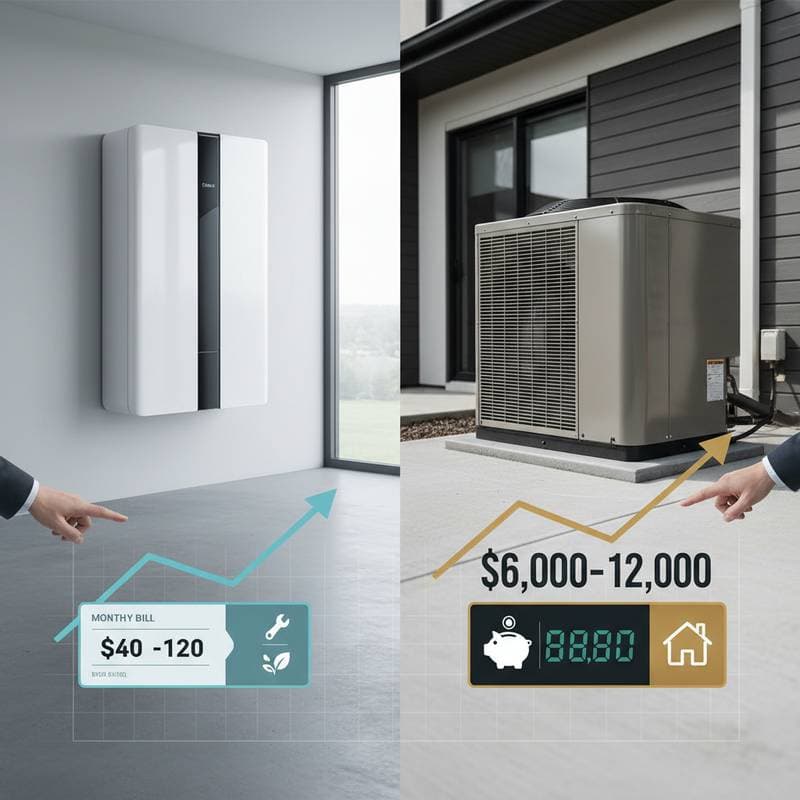
Subscription plans for HVAC systems range from $40 to $120 per month. Full ownership of an HVAC system typically requires an investment of $6,000 to $12,000.
Monthly HVAC subscription plans generally fall between $40 and $120, influenced by the system type, level of coverage, and frequency of service. In comparison, purchasing and installing a complete HVAC system demands an initial outlay of $6,000 to $12,000. Grasping these cost differences enables homeowners to select the approach that best aligns with their financial situation and comfort requirements.
| Service Type | Average Cost |
|---|---|
| Basic HVAC subscription plan | $40 to $70 per month |
| Comprehensive subscription with repairs | $80 to $120 per month |
| Full HVAC system purchase and installation | $6,000 to $12,000 |
| Replacement of major components | $2,000 to $5,000 |
| Annual maintenance (ownership model) | $150 to $400 per visit |
| Metric | Amount |
|---|---|
| National average cost | $8,500 |
| Minimum cost | $4,500 |
| Maximum cost | $13,500 |
| Average cost range | $6,000 to $12,000 |
Cost data derives from industry research and reported project expenses.
Comparing Monthly HVAC Plans and Ownership
Homeowners face a choice between owning an HVAC system long-term or opting for a monthly subscription. Subscription plans usually encompass installation, ongoing maintenance, and repairs under a single predictable fee. Ownership involves a substantial initial payment yet may lower expenses over time once the system is fully paid for. The optimal selection hinges on financial flexibility, duration of property residency, and attitudes toward maintenance responsibilities.
Cost Breakdown by Model
Subscription Plan Pricing
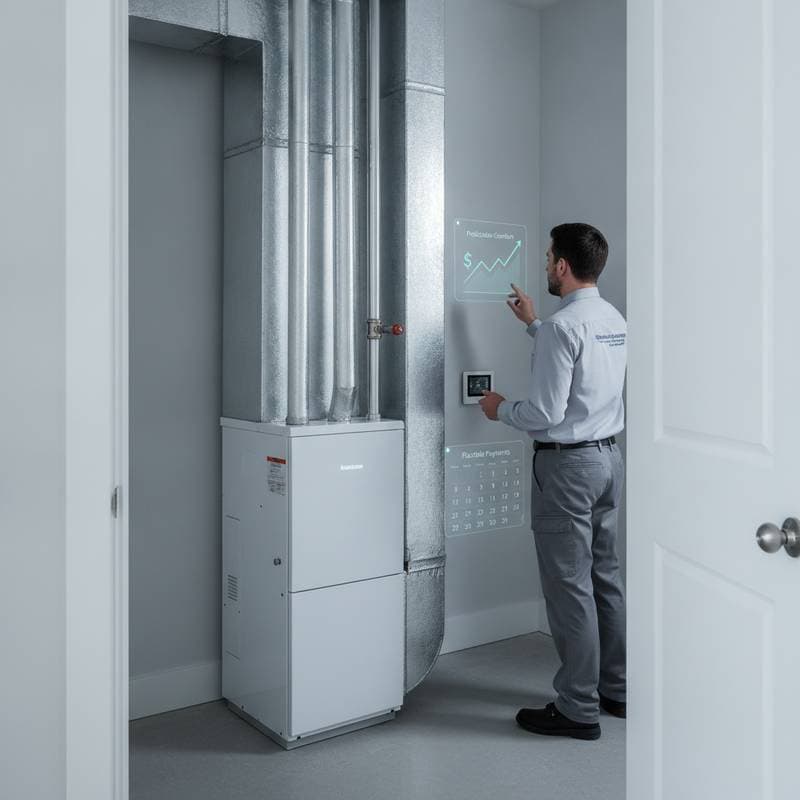
HVAC subscription services distribute expenses across months or years. Pricing varies according to the extent of coverage and the home's dimensions.
| Plan Type | Typical Monthly Cost | Coverage |
|---|---|---|
| Basic comfort plan | $40 to $60 | Seasonal tune-ups, filter changes |
| Mid-tier protection plan | $70 to $90 | Maintenance, limited repairs |
| Full coverage plan | $100 to $120 | Installation, maintenance, repairs, replacements |
These plans frequently provide priority appointment slots, emergency response, and parts inclusion, shielding homeowners from surprise repair bills.
Ownership Model Costs
Acquiring an HVAC system directly entails multiple expense components.
| Expense Category | Average Cost |
|---|---|
| Equipment (furnace, AC, or heat pump) | $3,000 to $8,000 |
| Installation labor | $2,000 to $4,000 |
| Permits and inspections | $100 to $500 |
| Annual maintenance | $150 to $400 |
| Major repairs (compressor, blower motor) | $500 to $2,000 |
Although the upfront burden is significant, a properly maintained system endures 10 to 15 years or longer, positioning it as a viable long-term asset.
Factors Affecting HVAC Plan and Ownership Costs
Several elements influence the total expense for either approach.
System type. Central air conditioning and heat pump setups command higher prices than ductless alternatives. Such variations impact both subscription fees and outright purchase amounts.
Home size. Residences with greater square footage necessitate more powerful units, elevating equipment costs or requiring advanced subscription levels.
Efficiency rating. Units boasting superior SEER or AFUE scores incur greater initial or monthly charges, though they yield savings on energy consumption.
Service coverage. Subscriptions that incorporate repairs and part replacements carry premium monthly rates but mitigate the risk of hefty unforeseen expenditures under ownership.
Labor and installation complexity. Modifications to ductwork, electrical systems, or venting escalate labor fees considerably.
Brand and warranty. High-end brands offering robust warranties demand more investment but deliver enhanced dependability and performance.
Location. Variations in regional labor costs and climatic conditions alter pricing for both models.
Maintenance frequency. Routine servicing preserves efficiency, yet it accumulates expenses in ownership scenarios unless bundled into a subscription.
Related Costs to Consider
Beyond core pricing, evaluate these ancillary outlays when weighing HVAC options.
- Permits and inspections for fresh installations
- Removal and disposal of outdated equipment
- Enhancements such as zoning controls, smart thermostats, or dehumidification features
- After-hours emergency interventions not covered by plans
- Utility bills stemming from suboptimal system efficiency
Maintenance and Care Comparison
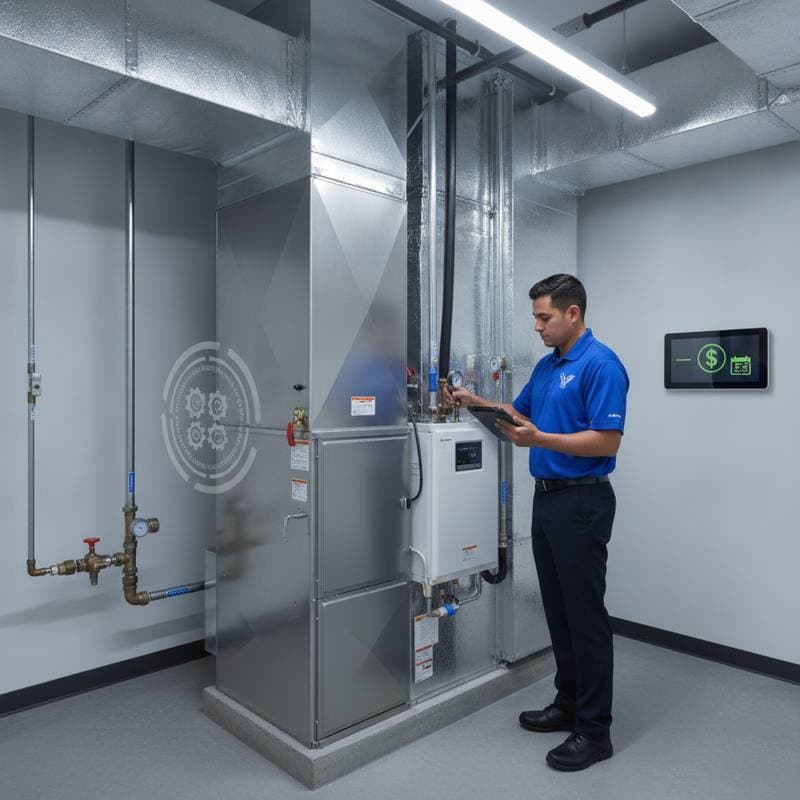
Subscription arrangements streamline upkeep, as routine visits come at no extra charge. Professionals conduct thorough inspections, cleaning, and adjustments to sustain optimal operation and avert failures.
Under ownership, individuals must arrange and fund maintenance independently. Homeowners benefit from consistent filter, coil, and vent cleaning. Professional annual evaluations uphold efficiency and satisfy warranty stipulations.
Simple Maintenance Tips for Owners
- Swap air filters every one to three months to ensure unobstructed airflow.
- Clear debris from outdoor units to prevent overheating and strain.
- Book professional tune-ups annually to detect issues early.
- Seal gaps in ductwork and vents to minimize energy loss.
- Adjust thermostat settings strategically to optimize comfort and savings.
Repair or Replace Decisions
Owners of HVAC systems must weigh repair against replacement based on the unit's age and the repair's price tag. Replacement proves advisable when repair costs surpass 50 percent of a new system's value. Subscribers sidestep such dilemmas, as comprehensive plans typically cover replacements without additional upfront payments.
Strategies to Save Money on HVAC Options
Homeowners can reduce expenditures through deliberate choices.
- Solicit estimates from several local contractors to identify competitive rates.
- Inquire about rebates from utility providers or government programs for efficient installations.
- Combine HVAC services with related home improvements for potential discounts.
- Select units with strong energy efficiency to diminish future electricity or gas bills.
- Time maintenance appointments for off-peak seasons to access reduced pricing.
- Examine contract details meticulously to uncover and avoid concealed charges.
- Monitor monthly energy usage patterns to identify and address inefficiencies promptly.
Common Questions About HVAC Subscription and Ownership Costs
How much does an HVAC subscription plan cost per month?
Payments range from $40 to $120 for most households, determined by coverage depth and equipment specifications. These fees generally cover tune-ups, expedited service, and repair handling.
Is an HVAC subscription worth it?
Such plans suit individuals seeking steady budgeting and reduced involvement in upkeep. Short-term residents or those averse to large repairs find particular value.
How long before HVAC ownership pays off?
The ownership route yields net savings after approximately five years, as the principal investment amortizes against minimal recurring costs.
Do subscription plans include new equipment?
Premium plans often furnish installation or replacement units at no initial expense. Providers retain ownership of the equipment unless a buyout option is exercised.
Can I cancel a subscription plan anytime?
Contracts frequently mandate a minimum commitment period, with penalties for early termination. Scrutinize terms prior to enrollment.
Are energy rebates available for both models?
Affirmative. Eligibility for incentives arises for qualifying efficient equipment, irrespective of subscription or ownership status.
Steps to Choose Your Ideal HVAC Solution
Assess your household's needs by calculating long-term residency and budget constraints. Contact reputable providers for personalized quotes on subscriptions or purchases. Implement energy-saving practices from day one to maximize returns on your investment.