2026 HVAC Tech for Effective Whole-Home Humidity Control
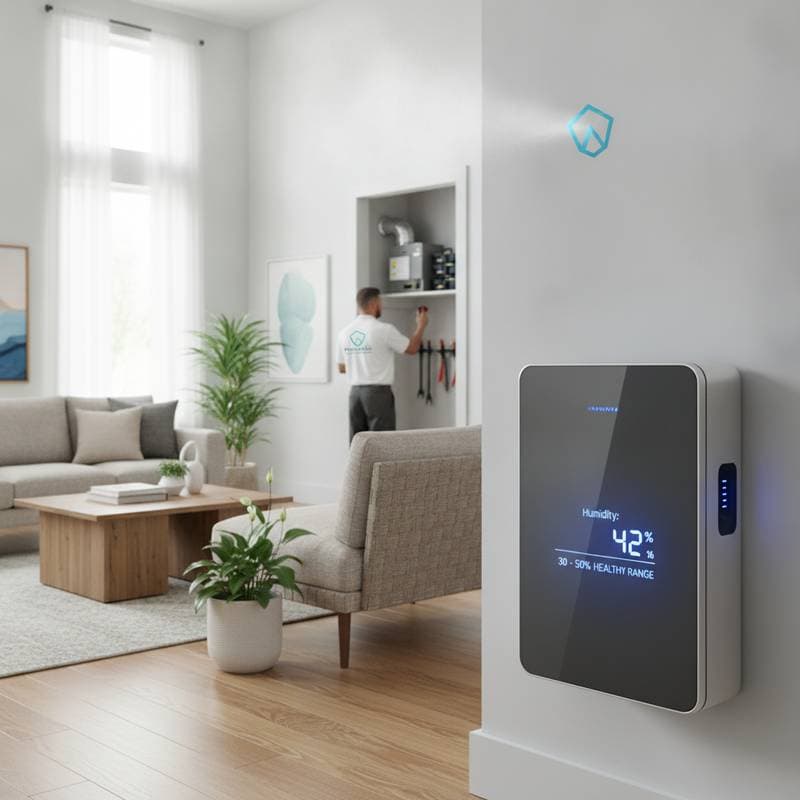
As an HVAC professional, I have seen countless homeowners struggle with the hidden discomfort of humidity. You might notice sticky air on a summer evening or that dry, static-filled feeling in winter. In many regions, moisture movement through the home determines comfort more than temperature alone. New HVAC technologies now revolutionize humidity management and create balanced environments where air feels crisp and precisely tuned.
Why Humidity Control Matters More Than You Think
Excess moisture fosters mold growth, warps wood flooring, and makes a home feel warmer than actual temperatures indicate. Air that is too dry irritates sinuses, generates static electricity, and cracks furniture or drywall. The ideal indoor humidity range stays between 40 and 60 percent. This zone keeps the body comfortable and home materials stable.
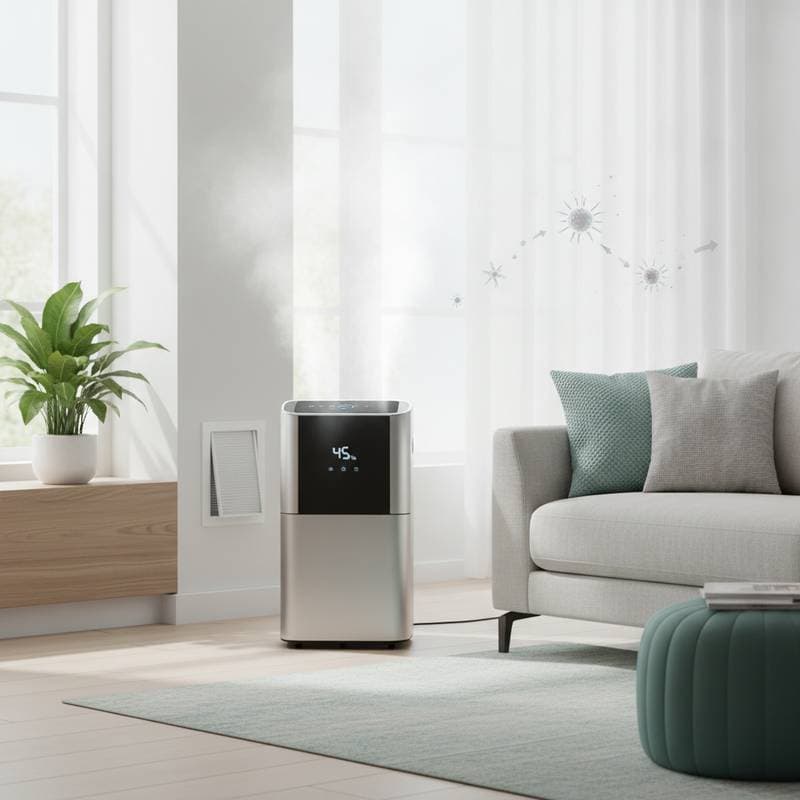
Traditional HVAC setups often fall short in humidity management. Many rely on standalone dehumidifiers or small humidifiers that treat one area at a time. These devices help temporarily but rarely solve whole-home moisture problems. Newer whole-home humidity control systems, integrated directly into HVAC networks, make a measurable difference.
The Problem with Outdated Systems
Older air conditioners and furnaces were designed primarily to control temperature, not moisture. When these systems run, they remove some humidity as a byproduct but cannot regulate it precisely. This often leads to uneven humidity levels across rooms. Energy bills rise as the system works harder to maintain equilibrium.
A Building Performance Institute study found that homes with poor humidity control waste up to 25 percent more energy each year. The culprit is often a mismatch between equipment capacity, duct design, and local climate demands.
How 2026 HVAC Technology Redefines Moisture Management
The next generation of HVAC tech bridges the gap between temperature and humidity control through smarter sensors and integrated components. The most effective systems achieve balance in these ways:
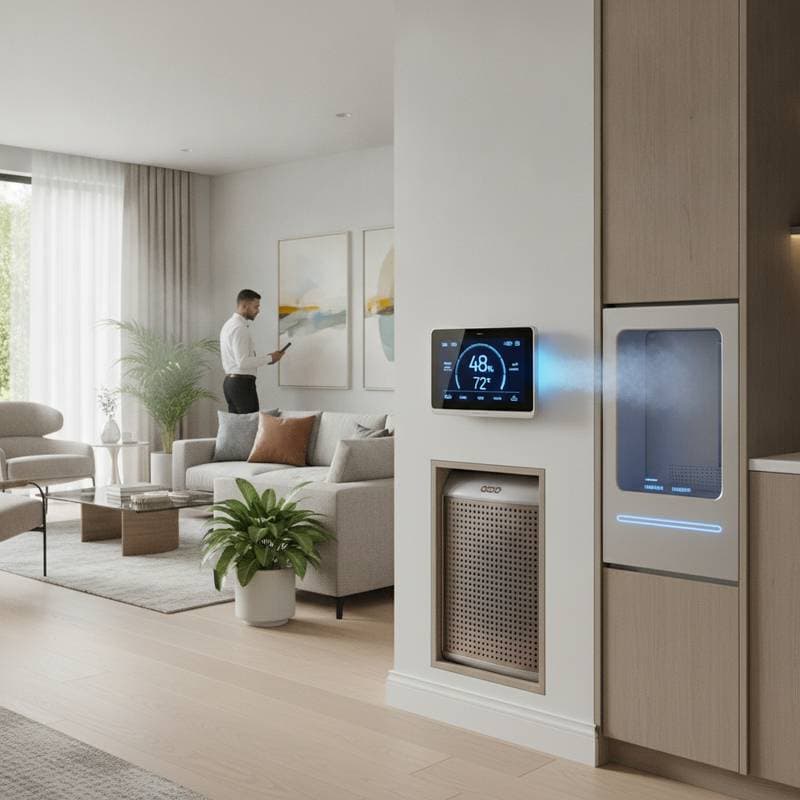
- Smart thermostats with humidity sensors read both temperature and humidity, allowing automatic system responses that fine-tune comfort throughout the day.
- Variable-speed air handlers adjust airflow gradually rather than in quick on-and-off cycles, improving moisture removal efficiency and reducing component wear.
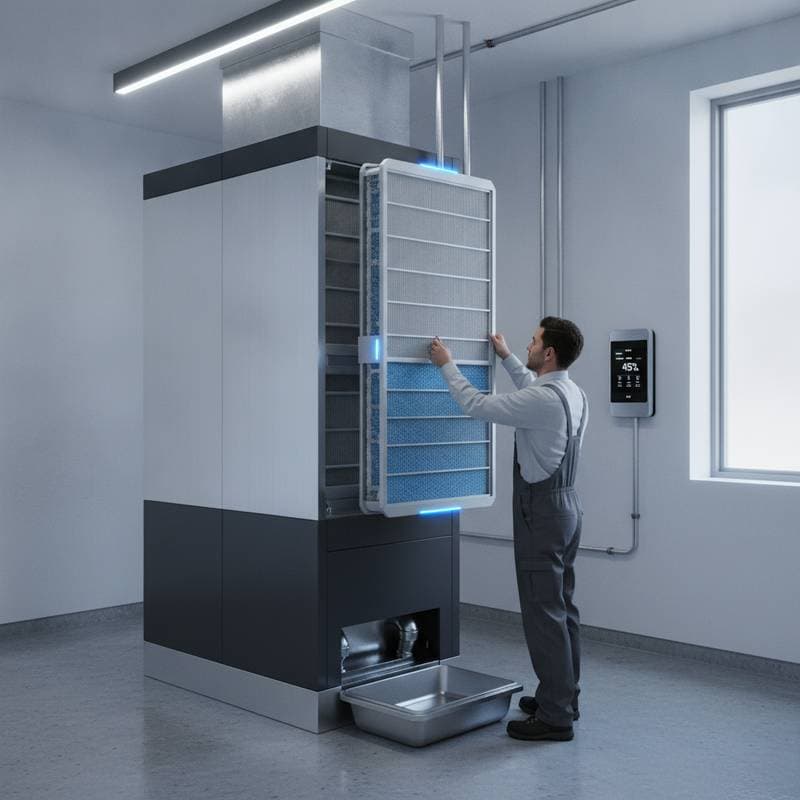
- Whole-home dehumidifiers connect directly to ductwork, drawing excess moisture from every room and venting it safely outside.
- Integrated humidifiers for dry seasons keep air from becoming brittle in cold winters while maintaining balance through the same smart interface.
- Energy recovery ventilators exchange stale indoor air with fresh outdoor air while transferring moisture and temperature to conserve energy.
Expert Tips to Extend System Efficiency
I recommend a proactive approach to system health. Humidity control relies on consistent airflow and clean components. Follow these steps:
- Replace filters monthly during peak seasons to prevent airflow restriction.
- Inspect ductwork annually for leaks that allow moisture intrusion.
- Schedule biannual maintenance to calibrate sensors and test humidity controls.
- Use a hygrometer to monitor humidity levels independently and verify system accuracy.
- Seal basement and crawl spaces to reduce moisture entering from the ground.
Homeowners who follow these steps often reduce humidity-related complaints by 70 percent within a single season.
Practical Considerations for Homeowners
Whole-home humidity systems represent an investment with tangible returns. Costs vary with home size and system complexity. Expect to pay between 1500 and 3500 dollars for a professionally installed whole-home dehumidifier. Integrated humidifiers generally range from 600 to 1200 dollars. Smart thermostats with humidity sensing capabilities average around 250 to 400 dollars. Lower utility bills and reduced HVAC maintenance costs help recover part of the expense.
Consistent humidity prevents structural damage and improves indoor air quality. Mold spores and dust mites thrive in damp environments while very dry air irritates respiratory passages. Balanced humidity supports health, comfort, and preservation of home materials.
Work with a licensed technician familiar with advanced humidity systems. Local codes may require specific drainage or electrical configurations when installing dehumidifiers tied into ductwork. A professional ensures compliance and optimizes performance for regional climate conditions.
What Homeowners Are Saying
Many homeowners who upgraded to integrated humidity systems describe the change as transformative. One client from a coastal community noted, "Once we added a whole-home dehumidifier, the air just felt lighter. The musty smell disappeared, and we noticed our AC no longer ran constantly." Another homeowner in a dry mountain region shared, "Our humidifier keeps the wood floors from cracking, and we sleep better without waking up parched."
These accounts mirror observations from the field. When humidity control becomes part of core HVAC function, comfort stabilizes in ways that small devices cannot match.
Next Steps for Reliable Moisture Control
Start with a comprehensive HVAC inspection when ready to take control of home humidity. Ask the technician to evaluate both temperature control and moisture management. They can test humidity levels, inspect ductwork, and determine the right balance of ventilation, dehumidification, and humidification.
At americanairhvac.net, homeowners connect with vetted local HVAC professionals who specialize in whole-home solutions. Request a no-obligation quote and receive expert guidance on choosing the right system for the home and climate. Reliable moisture control transforms living space into a sanctuary of steady comfort regardless of regional conditions.