Humidity-Controlled HVAC: The 2026 Solution for Allergy Relief
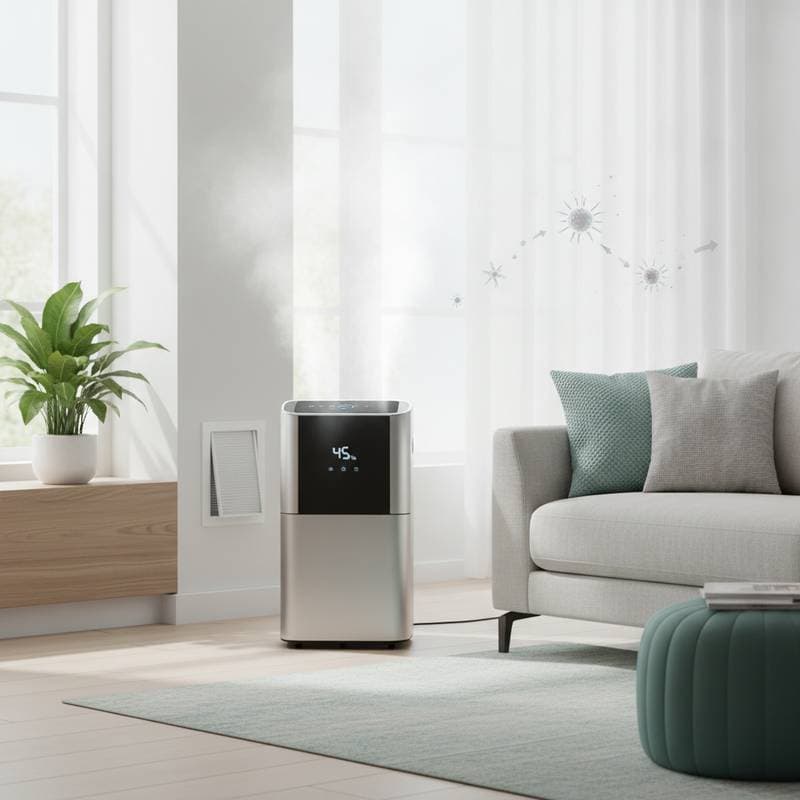
Homeowners often endure allergy symptoms such as itchy eyes, congested sinuses, and persistent sneezing, even within their own residences. Professionals in the HVAC field frequently observe that standard solutions like improved filters or standalone air purifiers fall short. The underlying issue frequently involves humidity levels, which, when imbalanced, foster allergen growth, overburden systems, and diminish overall comfort. Advanced humidity-controlled HVAC systems address this challenge by providing precise environmental management for healthier indoor air.
The Role of Humidity in Triggering Allergies
In areas prone to humid summers or extended periods of dampness, excess moisture promotes the proliferation of mold spores, dust mites, and bacteria, all of which provoke allergic responses. Conversely, excessively dry conditions irritate mucous membranes, heightening sensitivity to airborne irritants like pollen and pet dander. Field experience indicates that sustaining indoor relative humidity between 40 and 50 percent minimizes these risks while safeguarding structural elements such as wooden furnishings and floors. This optimal range also supports efficient HVAC operation, yet many residences depend on imprecise methods rather than targeted controls.
Advancements in Integrated Humidity Management
Contemporary humidity-controlled HVAC systems unify heating, cooling, and moisture regulation into a cohesive, intelligent framework. These units eliminate the need for auxiliary devices like standalone dehumidifiers or humidifiers, delivering uniform benefits throughout the dwelling via dynamic airflow and sensor-driven modifications. HVAC specialist Daniel Ruiz notes, “When you integrate humidity control directly into your central system, you stabilize the entire environment. Air feels cleaner, fresher, and more breathable.” Such integration reduces the frequency of allergic episodes and elevates comfort uniformly across living spaces.
Mechanics of Humidity-Controlled HVAC Systems
These systems employ sensors to track indoor humidity in real time. Upon detecting levels exceeding the desired threshold, an integrated dehumidification process engages to extract surplus moisture. If humidity falls below the target, a humidification mechanism activates to restore balance. This ongoing regulation maintains air that resists allergens and promotes well-being.
Essential System Elements
- Central dehumidification unit: Extracts moisture via ductwork to inhibit mold and mildew development.
- Integrated humidifier: Introduces controlled moisture during dry heating phases.
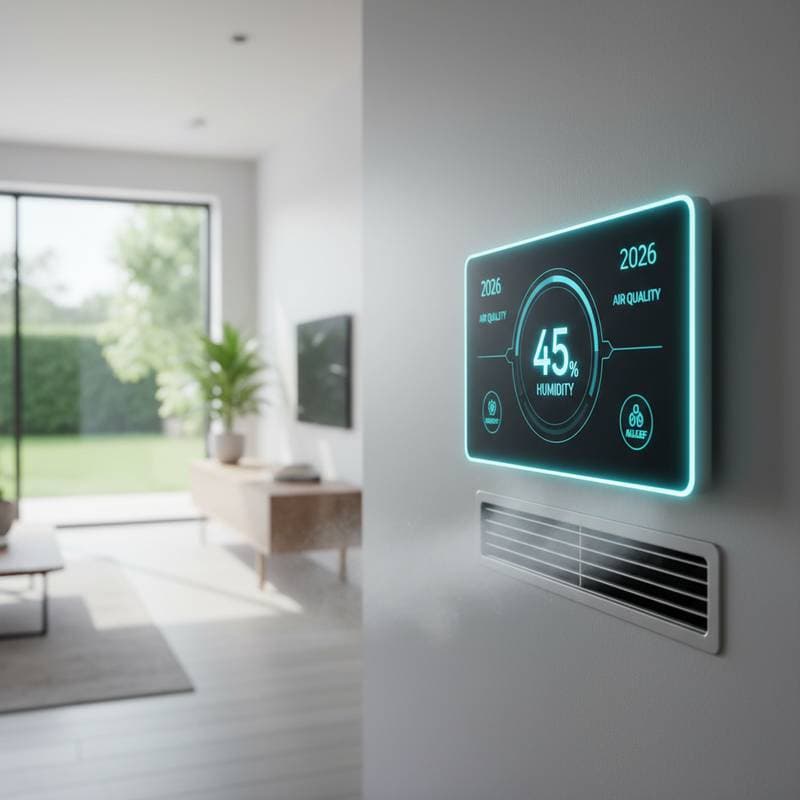
- Advanced thermostat: Monitors both temperature and humidity, enabling automated optimizations for sustained comfort.
- High-efficiency particulate air (HEPA) filters: Trap fine particulates and allergens, preventing their distribution.
Implementing HVAC Optimizations for Allergy Management
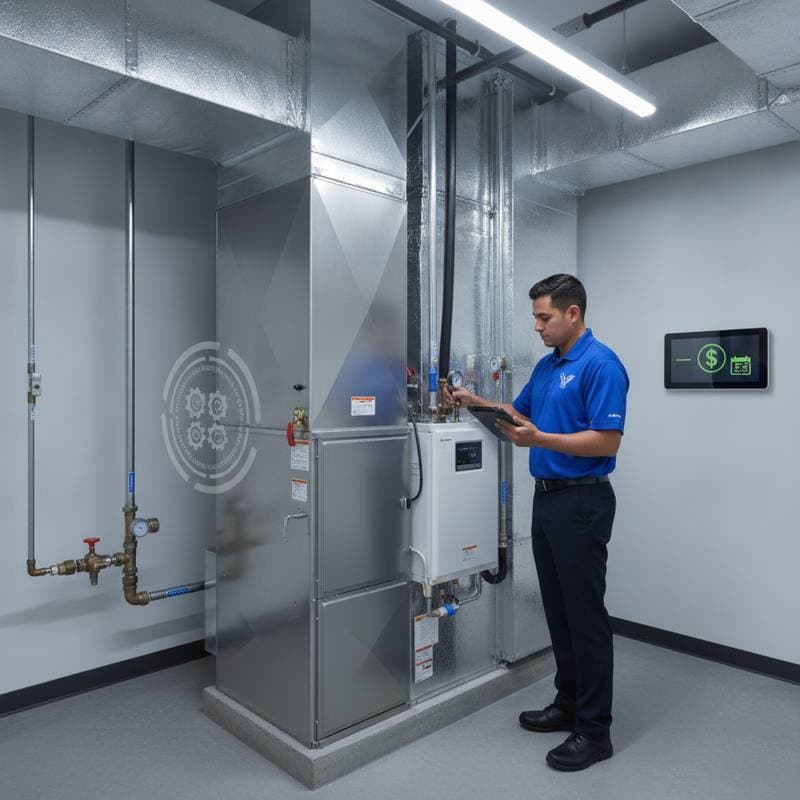
- Arrange for a humidity evaluation by a certified technician. This assessment identifies current moisture patterns and suggests appropriate enhancements.
- Examine insulation and duct integrity. Address any gaps or deficiencies that permit external humidity infiltration, thereby preserving system efficiency.
- Incorporate a whole-home humidity regulator. Select components compatible with existing infrastructure to augment control without full replacement.
- Install an intelligent thermostat. These devices offer humidity oversight and remote capabilities for prompt adjustments.
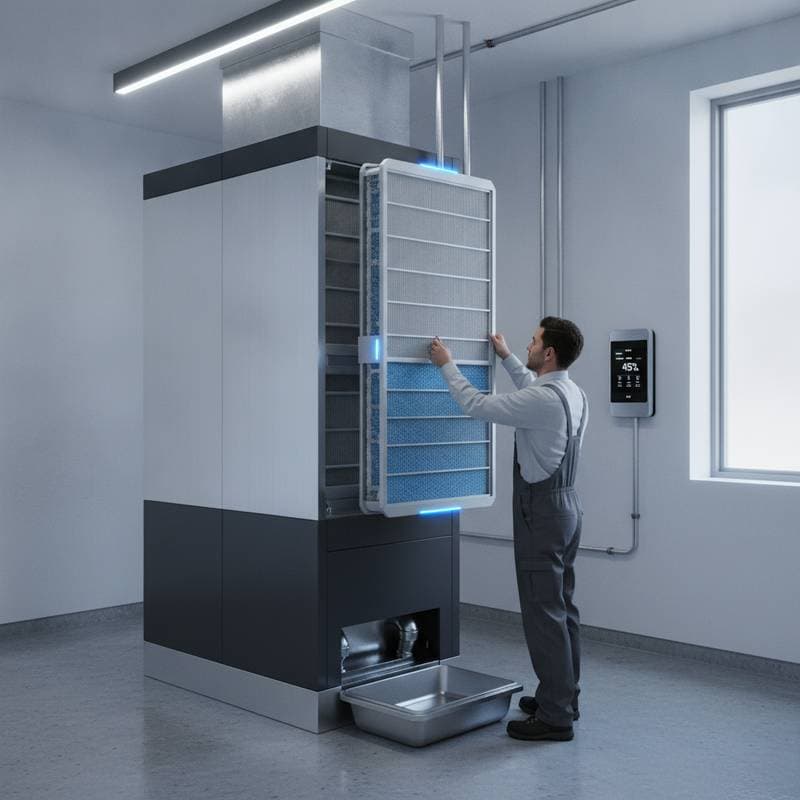
- Establish a maintenance routine. Regularly service coils, replace filters, and check drainage systems to avoid performance degradation.
Evaluating Expenses, Performance, and Benefits
The addition of humidity controls to an HVAC setup generally costs between $1,200 and $2,500, varying by residence dimensions and selected components. This investment yields measurable advantages, including potential energy savings of up to 15 percent through optimized moisture that enhances perceived temperature regulation in both warm and cool seasons. Furthermore, balanced conditions extend equipment longevity by alleviating operational stress.
Prioritize safety in all modifications. Professional expertise is essential for installations and upkeep, as errors may lead to water leaks, electrical risks, or contamination within ducts. Engage qualified technicians who adhere to regulatory standards and utilize certified products.
Strategies for Sustaining Optimal Humidity Levels
- Employ a hygrometer for independent monitoring. This tool confirms the precision of automated system readings.
- Secure windows and entry points. Such measures block unintended moisture ingress from external sources.
- Operate exhaust ventilation during moisture-generating activities. Fans in kitchens and bathrooms effectively expel humid air.
- Replace air filters on a monthly basis during peak seasons. Consistent upkeep ensures unobstructed airflow.
- Maintain clear pathways for air distribution. Avoid obstructing vents with household items to facilitate even circulation.
Achieving Lasting Indoor Air Improvements
Effective humidity management converts residences into sanctuaries free from allergic triggers. Residents experience purer air, effortless respiration, and reduced sinus discomfort through environmental refinement. Initiate the process with a technician's review of existing moisture handling. Subsequent options, from supplementary features to comprehensive integrations, can match individual financial and lifestyle needs.
True comfort extends beyond mere temperature settings to encompass equilibrated surroundings that nurture health. For guidance on elevating indoor air quality, consult a qualified HVAC professional via americanairhvac.net to schedule a complimentary assessment. Professional assistance ensures a living space that genuinely fosters wellness and tranquility.