Understanding Humidity's Role in Indoor Wellness
Indoor environments often fluctuate with seasonal changes, leading to discomfort from excess moisture in humid summers or dryness in heated winters. Humidity control addresses these issues by stabilizing moisture levels, which influences respiratory health, material durability, and energy use. Modern systems, such as whole-home dehumidifiers integrated with HVAC setups, ensure consistent conditions that promote overall well-being.
Homeowners can start by using a hygrometer to monitor current levels, a simple device available at hardware stores. This tool reveals imbalances that might otherwise go unnoticed, allowing for targeted adjustments.
Humidity Levels and Their Impact on Health
Relative humidity measures the amount of moisture in the air compared to what it can hold at a given temperature. Levels above 60% create environments where mold spores, dust mites, and bacteria proliferate, exacerbating allergies, asthma, and respiratory infections. Conversely, humidity below 30% dries out mucous membranes in the nose and throat, increasing susceptibility to viruses and causing issues like dry skin, chapped lips, and irritated eyes.
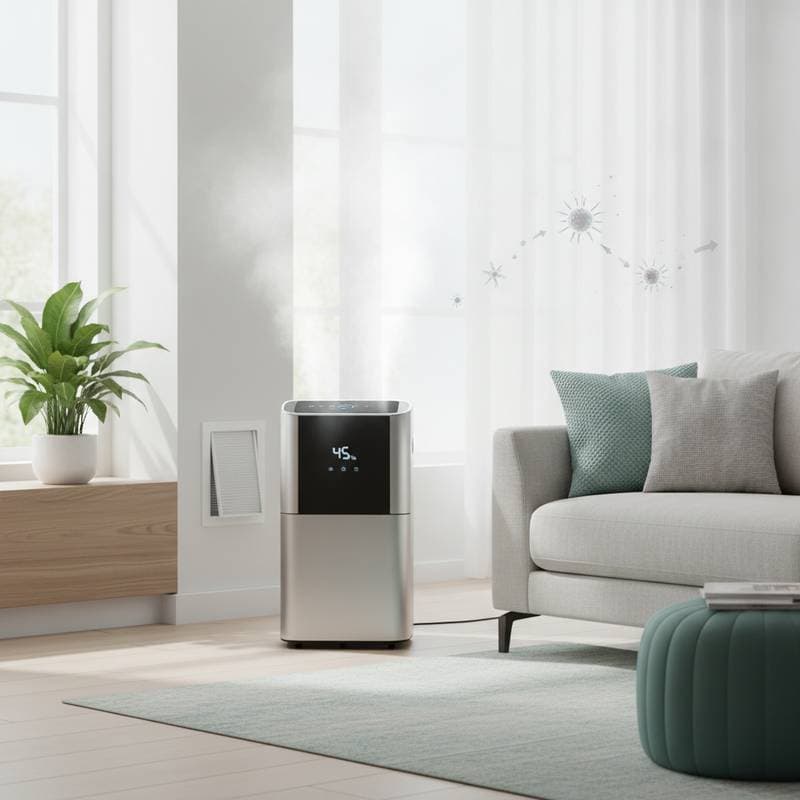
The ideal range of 40-50% supports optimal lung function by maintaining adequate moisture for cilia, the tiny hairs that filter airborne particles. It also reduces static electricity, which can trigger discomfort and minor shocks. Whole-home dehumidifiers integrate with central air systems to extract excess moisture automatically, filtering air through the ducts to minimize odors from damp areas like basements or laundry rooms.
To apply this knowledge, test humidity in different rooms during peak seasons. If readings deviate from the target, consult an HVAC professional for a system that maintains balance without constant manual intervention.
Safeguarding Home Structures from Moisture Extremes
Excess humidity penetrates building materials, leading to wood rot in floors and frames, peeling paint on walls, and condensation on windows that fosters mildew growth. Over time, these effects compromise insulation and invite pests like termites drawn to damp wood. Low humidity, meanwhile, causes shrinkage in wooden elements, resulting in cracks in furniture, doors that stick or gap, and drywall seams that separate.
Maintaining 40-50% humidity stabilizes these materials by preventing expansion and contraction cycles. For instance, hardwood floors remain flat and seamless, while cabinetry and trim retain their original fit. Early signs of trouble include visible warping, musty odors, or persistent damp spots; addressing them promptly with a dedicated system avoids costly repairs, which can exceed thousands of dollars for structural fixes.
Homeowners benefit from annual inspections to check for hidden moisture in attics, crawl spaces, and basements. Pairing this with humidity control ensures long-term preservation of the home's value and aesthetics.
Enhancing Energy Efficiency Through Balanced Humidity
Humidity influences perceived temperature, making humid air feel warmer and dry air cooler than actual thermometer readings. In high-humidity conditions, individuals lower thermostats to achieve comfort, forcing air conditioners to cycle more frequently and consume additional energy. Dry conditions prompt higher settings for heating systems, similarly increasing runtime and utility bills.
At 40-50% humidity, the body evaporates sweat more effectively in summer and retains warmth better in winter, allowing thermostats to sit at efficient mid-range temperatures like 72 degrees Fahrenheit. This adjustment can lower energy use by 10-20%, depending on home size and climate, while reducing wear on compressors and fans in HVAC units. The result extends equipment life by years and stabilizes indoor temperatures without drafts or hot spots.
To maximize savings, pair humidity control with programmable thermostats that adjust based on occupancy. Track monthly bills before and after installation to quantify improvements and refine settings as needed.
Advantages of Whole-Home Dehumidifiers Over Portable Models
Portable dehumidifiers suit small spaces but require relocation and frequent reservoir emptying, often leading to inconsistent coverage in multi-room homes. They also consume more energy per square foot and generate noise that disrupts daily activities. Whole-home units, by contrast, mount within the HVAC system, distributing treated air evenly through vents without standalone operation.
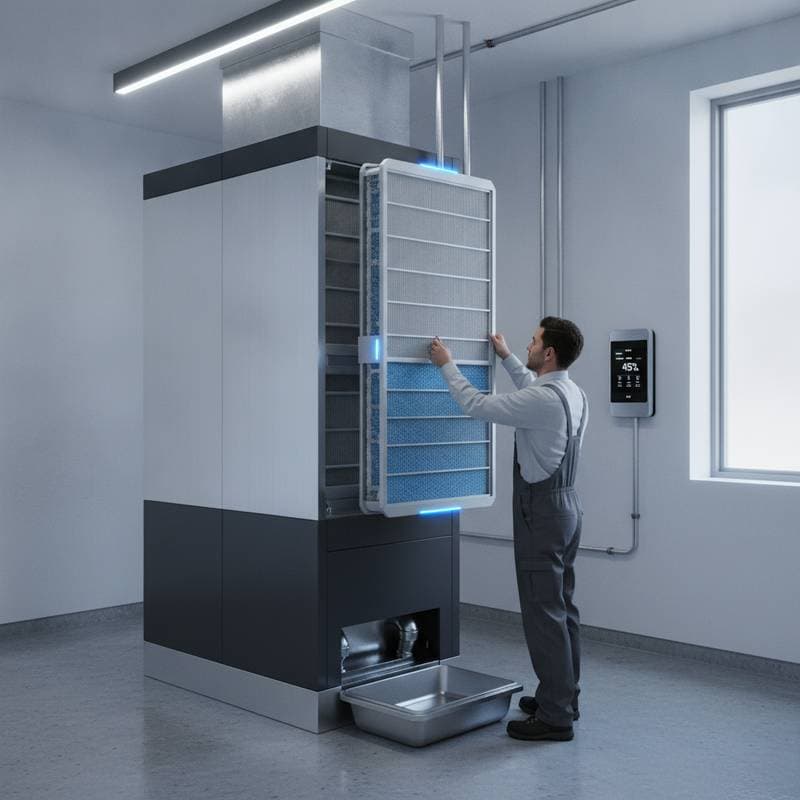
These integrated systems use sensors to monitor and adjust moisture in real time, responding to weather changes or indoor activities like cooking and showering. Maintenance involves simple filter changes every six months, far less demanding than daily checks for portables. For homes over 2,000 square feet or those with unfinished basements, this setup prevents isolated problem areas from affecting the entire property.
Consider factors like home layout and local climate when selecting a model; technicians can size the unit precisely during installation to ensure optimal performance.
Core Benefits of Implementing Humidity Control
- Superior Air Quality: Fewer allergens and pathogens circulate, promoting easier breathing and reduced allergy symptoms.
- Structural Preservation: Materials like wood and drywall stay intact, avoiding cracks, warps, and costly restorations.
- Energy Optimization: Moderate settings cut consumption, yielding noticeable reductions in heating and cooling costs.
- Extended Equipment Durability: Less strain on HVAC components leads to fewer breakdowns and lower repair expenses.
- Effective Odor Management: Dampness-related smells diminish as mold and mildew find no suitable breeding grounds.
Steps to Achieve and Maintain Ideal Humidity
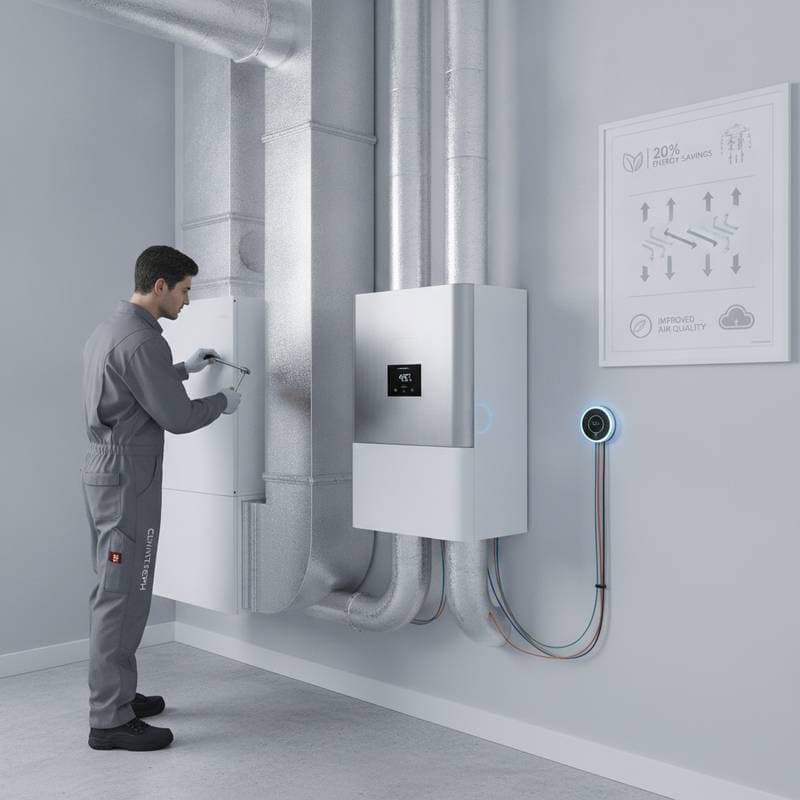
Begin with a professional assessment to evaluate current conditions and identify integration points for your HVAC system. Select a whole-home dehumidifier compatible with your setup, ensuring it includes features like digital controls and air filtration. Installation typically occurs during routine HVAC servicing, minimizing disruption and including calibration for precise operation.
Ongoing maintenance keeps the system efficient: clean coils annually and replace filters as recommended. Monitor levels seasonally with a hygrometer to confirm the 40-50% range, adjusting setpoints if occupancy or renovations alter air dynamics. This proactive approach transforms humidity management into a seamless part of home care.
Investing in Lasting Comfort and Wellness
Balanced humidity fosters an environment where health thrives and homes endure, turning everyday spaces into sanctuaries of stability. Homeowners who implement these systems report fewer illnesses, stable energy costs, and preserved interiors year after year. Schedule a consultation with an HVAC expert to tailor a solution that aligns with your property's unique needs, securing comfort for seasons to come.