How HVAC Humidity Control Prevents Mold Growth
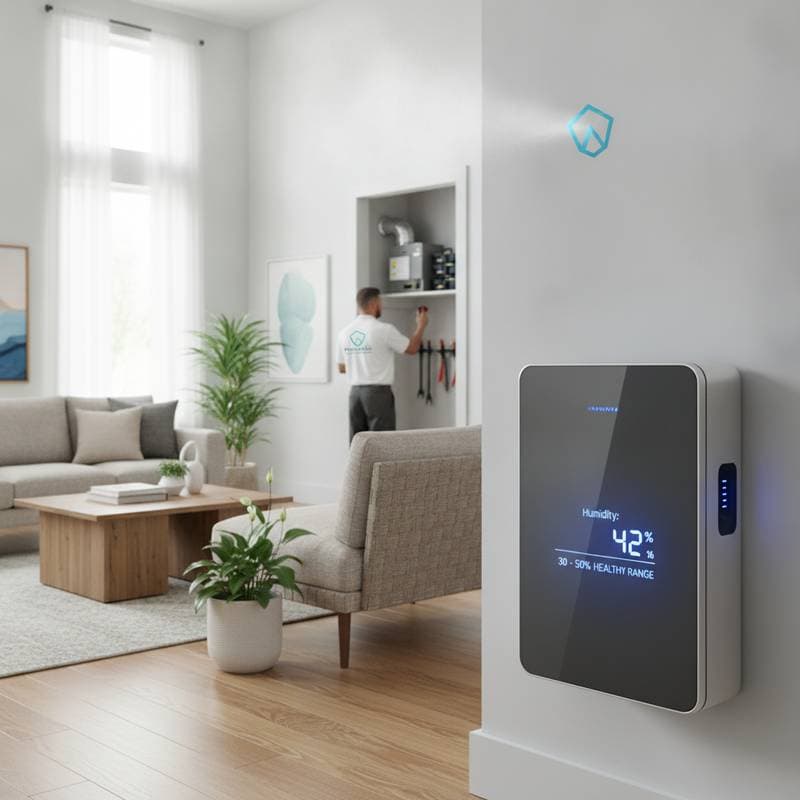
Excess indoor moisture creates ideal conditions for mold to develop on walls, ceilings, and within ventilation systems. A humidity control HVAC system maintains indoor moisture between 30 and 50 percent. This range stops mold colonies from forming while supporting consistent comfort and system efficiency throughout the year.
How Excess Moisture Encourages Mold Development
Mold spores require relative humidity above 60 percent along with warm temperatures to activate and spread. Condensation forms on drywall, wooden framing, and metal duct surfaces when moisture levels rise. Everyday activities such as cooking, showering, and even breathing add water vapor that accumulates without adequate removal. Homes located in humid climates or those experiencing extended rainy periods encounter these conditions most frequently.
Integrated Humidity Regulation Within HVAC Equipment
Modern systems incorporate sensors that detect moisture content and activate dehumidification cycles automatically. Conditioned air passes through cooling coils where water vapor condenses and drains away before distribution. This process eliminates the damp environment mold spores need while allowing the equipment to maintain steady temperatures with less effort. Reduced runtime lowers wear on compressors and fans and decreases monthly energy consumption.
Essential Components for Effective Moisture Management
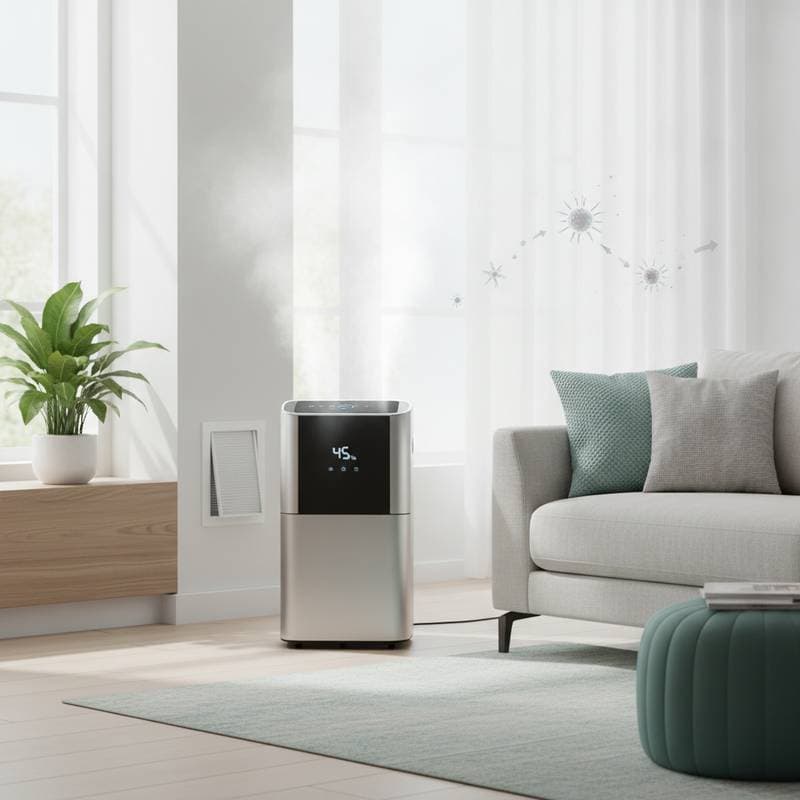
- Dehumidifiers extract water vapor directly from return air before it enters living spaces.
- Air handlers circulate treated air evenly to eliminate pockets of stagnant humidity.
- Smart thermostats track both temperature and moisture in real time and adjust operation accordingly.
- HEPA filters capture airborne spores and prevent them from traveling through supply ducts.
Routine inspection of each component ensures continued performance and early detection of issues.
Indicators That Point to Insufficient Humidity Control
Persistent musty smells, condensation on windows, and visible discoloration on ceilings or baseboards signal elevated moisture. Residents may also notice increased allergy symptoms or peeling paint and wallpaper. A qualified technician can measure current humidity levels with calibrated instruments and identify whether a dedicated dehumidifier or upgraded filtration will resolve the problem.
Additional Advantages of Balanced Indoor Moisture
Proper humidity levels protect wood flooring, furniture, and electronic devices from warping or corrosion. Lower moisture content reduces the survival rate of dust mites and bacteria, supporting better respiratory health. The cooling equipment operates for shorter periods, which extends service life and produces measurable savings on utility costs.
Maintenance Practices That Sustain Performance
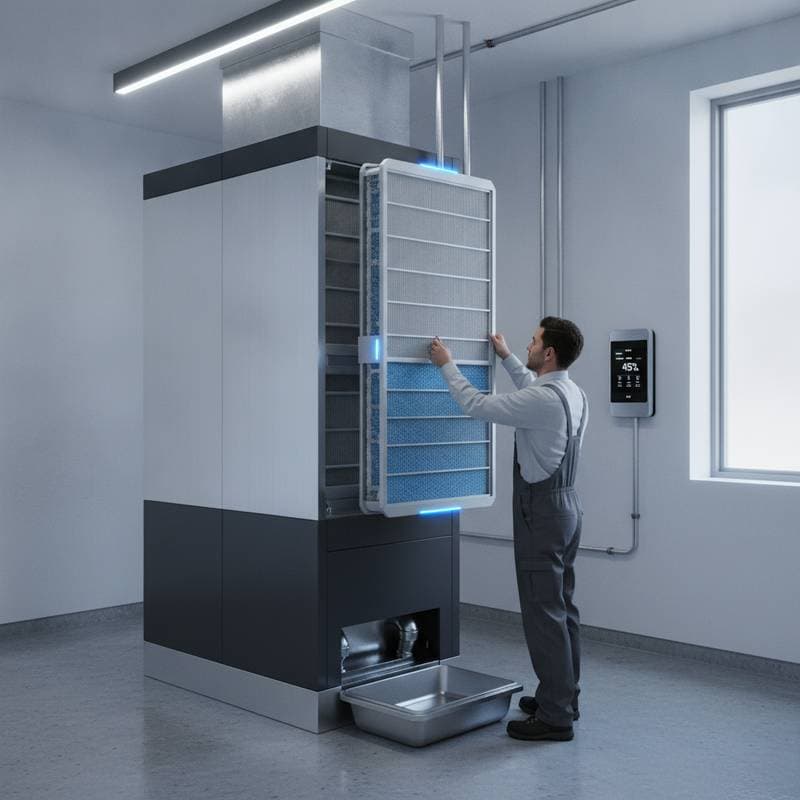
- Replace air filters every 30 to 90 days according to manufacturer guidelines.
- Clear condensate drain lines monthly to prevent water backup.
- Arrange professional coil cleaning and sensor calibration at the start of each cooling season.
- Operate kitchen and bathroom exhaust fans during and after moisture-producing activities.
- Verify that supply and return vents remain unobstructed by furniture or draperies.
These steps maintain steady airflow and keep moisture removal consistent.
Professional Upgrades for Persistent Humidity Challenges
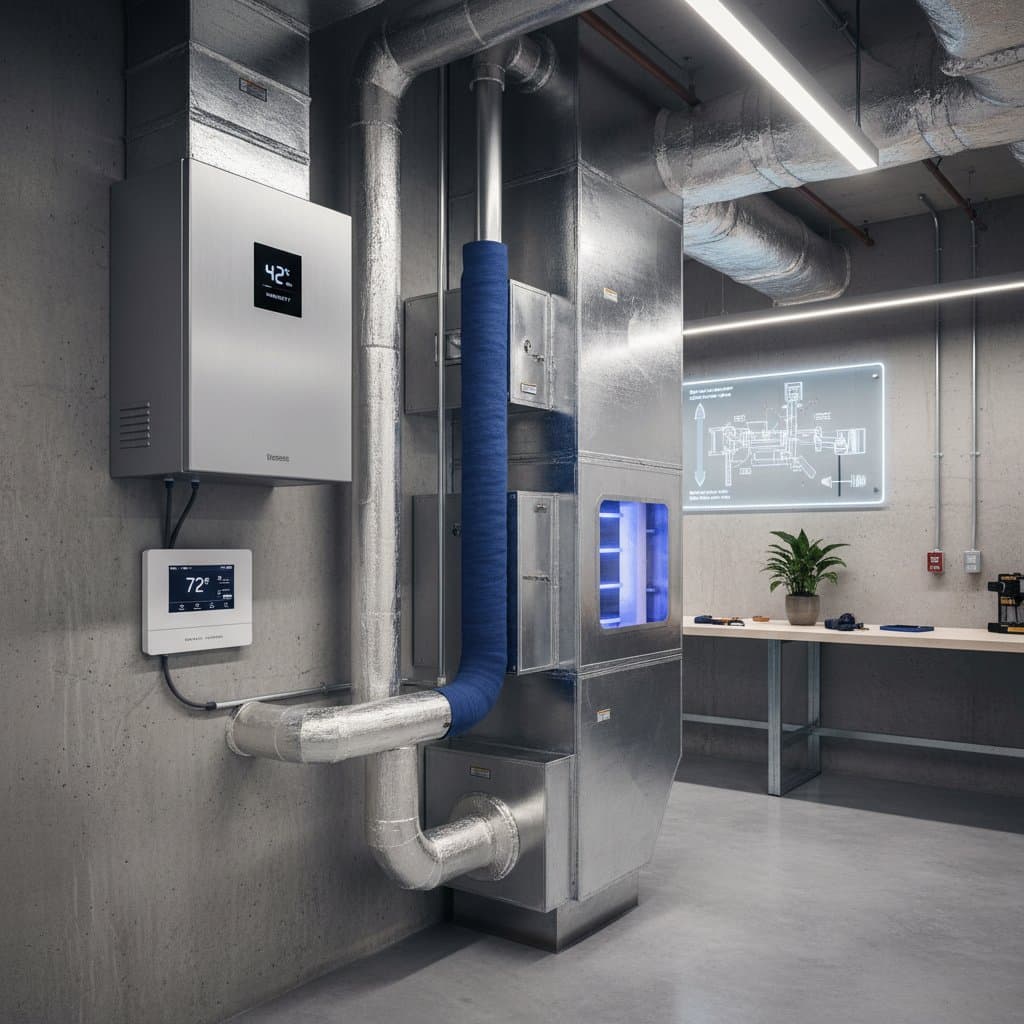
Whole-home dehumidifiers can be integrated into existing ductwork to provide continuous, automated control. Advanced air purification units add another layer of spore capture. Technicians calibrate smart controls to maintain the target range even when outdoor conditions fluctuate sharply. Such enhancements deliver reliable protection without requiring daily intervention from homeowners.
Establishing Long-Term Mold Resistance
Consistent humidity management addresses the root cause of mold growth rather than treating symptoms after they appear. Homeowners who schedule regular system evaluations and adopt the outlined maintenance habits create an environment that remains dry and comfortable across all seasons. Certified HVAC professionals can assess specific property needs and implement tailored solutions that deliver lasting results.