Humidity Control: Transforming HVAC Comfort in 2026
Homeowners frequently seek the ideal indoor environment, where summer air feels refreshing and winter air remains inviting. Issues often arise not from temperature alone, but from humidity levels that render spaces uncomfortable. In regions with humid summers and arid winters, effective humidity management proves vital for health and efficiency.
The Role of Humidity in Indoor Environments
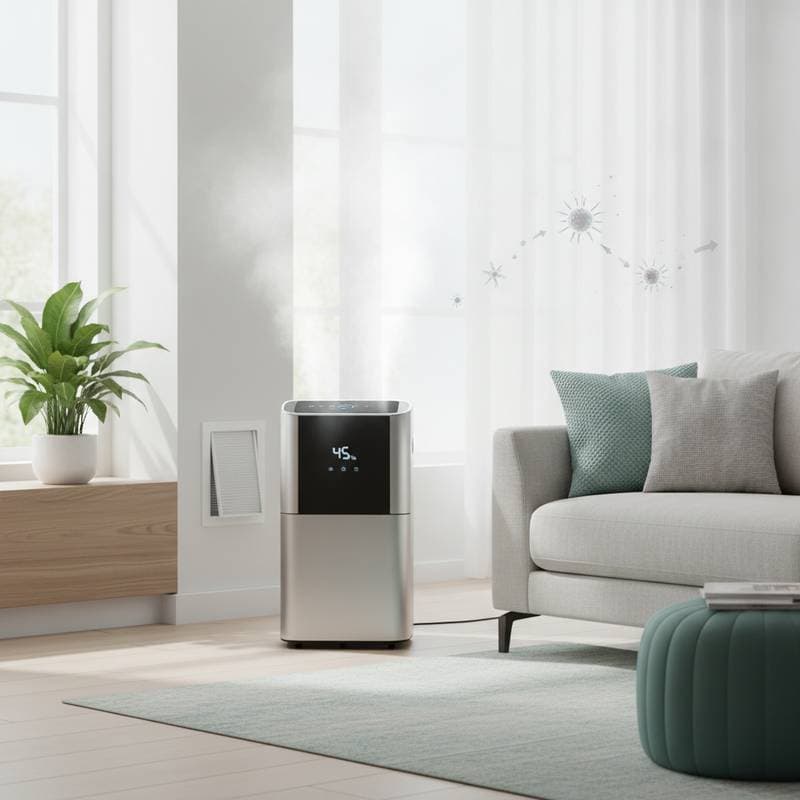
Humidity influences perceived temperature, air quality, and structural integrity. Levels exceeding 60 percent create a warmer sensation and foster mold growth or dust mite proliferation. Below 30 percent, dry air leads to skin irritation, respiratory discomfort, and material damage like cracking wood. The optimal range of 40 to 50 percent supports natural comfort while allowing HVAC systems to operate efficiently.
Traditional HVAC units focus on heating and cooling, yet many lack robust moisture control. Technological advancements now address this, positioning humidity regulation as central to modern comfort standards.
Consequences of Imbalanced Humidity
Entering a home on a humid day often brings a sense of heaviness, highlighting limitations in conventional air conditioning. These systems remove moisture incidentally during cooling, but precision remains elusive without dedicated equipment. Whole-home dehumidifiers and humidifiers offer targeted solutions for accurate moisture adjustment.
Imbalanced humidity results in several issues:
- Elevated energy consumption from compensatory overcooling or overheating
- Structural damage, such as warping floors or furniture
- Heightened allergens and irritants affecting respiration
- Reduced HVAC longevity due to operational stress
Field research indicates that unbalanced homes incur up to 20 percent higher cooling expenses, underscoring the value of corrective measures.
Integrating Smart Humidity Solutions
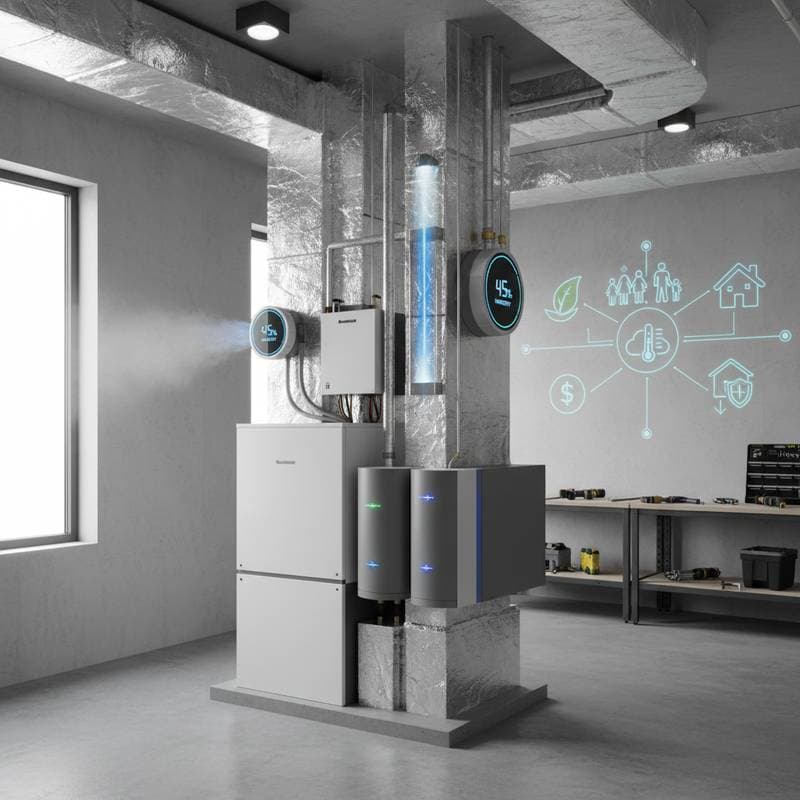
Homeowners should prioritize humidity control within their overall comfort strategy. Contemporary systems incorporate sensors into thermostats and ductwork for automatic adjustments across seasons. Variable-speed compressors and dedicated dehumidification enhance performance by extending run times at lower intensities, minimizing temperature fluctuations.
These innovations enable HVAC units to adapt seamlessly to environmental demands.
Steps to Enhance Humidity Management
-
Evaluate Existing Equipment
Verify if current HVAC includes humidity features. Newer thermostats often display levels; older models require professional assessment during routine service. -
Add Whole-Home Devices
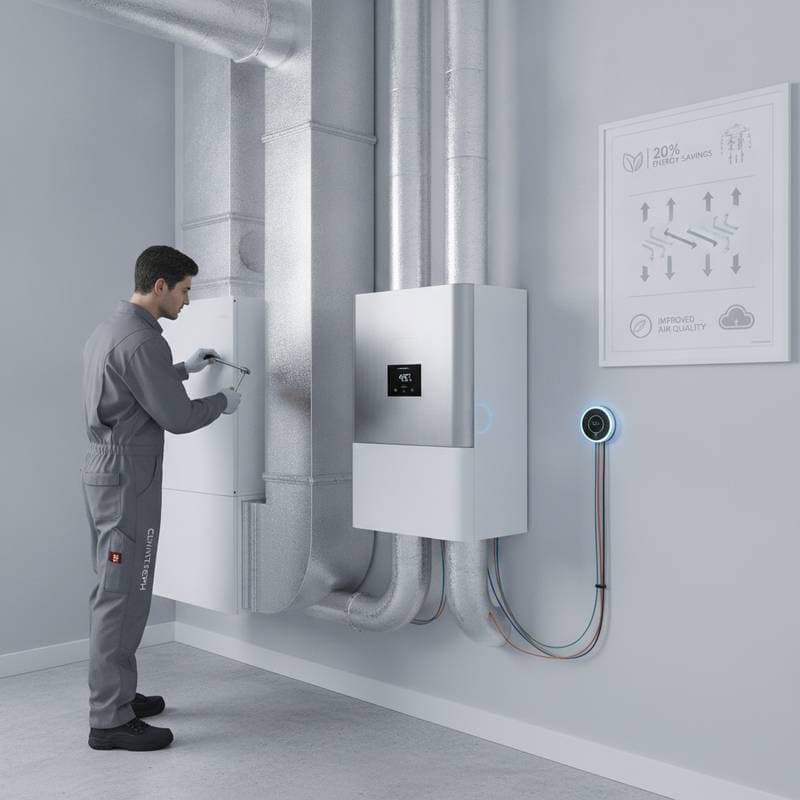
Connect humidifiers or dehumidifiers to ductwork for comprehensive air treatment. Humidifiers introduce moisture in dry periods, while dehumidifiers extract excess during humid seasons. -
Implement Intelligent Thermostats
Devices with humidity sensors automate responses and integrate weather forecasts for proactive adjustments. -
Improve Building Envelope
Seal ducts, insulate attics, and apply weatherstripping to prevent moisture infiltration and maintain uniformity. -
Conduct Regular Servicing
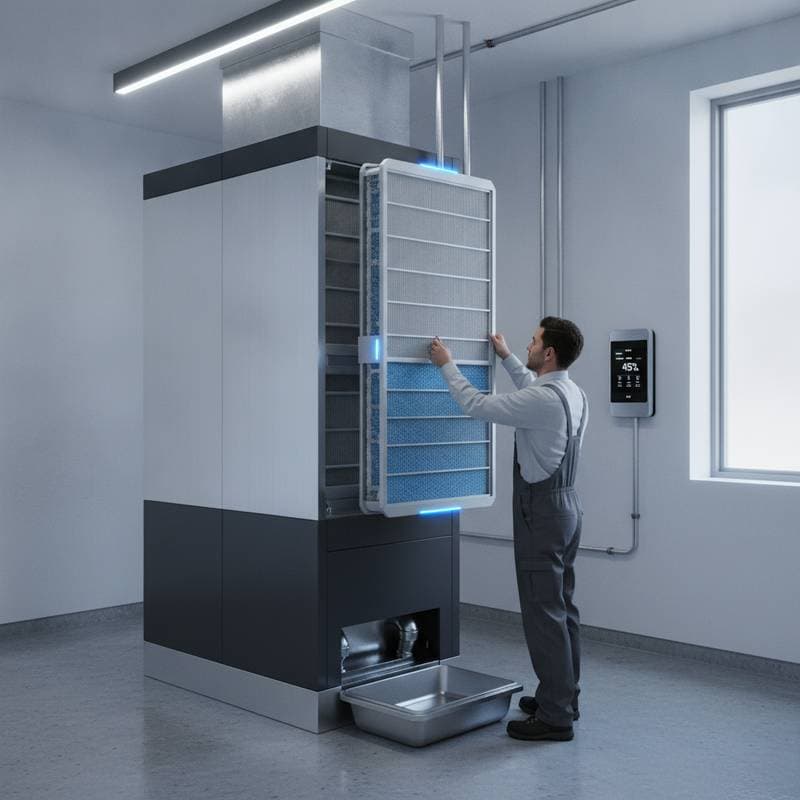
Professional checks ensure sensor accuracy, coil cleanliness, and absence of condensation issues that promote mold.
Mechanics of Whole-Home Humidity Systems
Whole-home humidifiers link to furnaces or air handlers, vaporizing water into circulating air. Options include bypass, fan-powered, and steam varieties; steam models suit larger spaces with superior efficiency and low upkeep.
Dehumidifiers draw in moist air, condense water through cooling, then reheat and return dry air to ducts. Capable of extracting multiple pints hourly, they counter high outdoor humidity effectively.
Mark Reynolds, a senior HVAC designer, noted, “Humidity control is not just about comfort. It protects your home, your health, and your energy budget.” This perspective aligns with observations from serviced properties, where balance yields durability and savings.
Factors in System Upgrades
Consider these elements when planning enhancements:
- Investment Range: Humidifiers cost $400 to $1,000; dehumidifiers $1,200 to $2,500, scaled to home size.
- Timeline: Installations typically finish in one day, with smart integrations extending slightly.
- Efficiency Gains: Optimal humidity reduces system workload by 10 to 15 percent.
- Upkeep Needs: Replace humidifier pads yearly; service dehumidifier coils periodically.
- Professional Standards: Certified experts handle electrical and drainage to avoid risks like leaks or corrosion.
Portable units offer limited relief for small areas but fail to address whole-home needs. Integrated approaches provide enduring benefits.
Year-Round Humidity Tactics
Summer Approaches
- Target 45 percent humidity via thermostat settings.
- Employ ceiling fans to aid evaporation and circulation.
- Maintain exhaust fans in high-moisture areas like bathrooms and kitchens.
Winter Measures
- Activate humidifiers to sustain at least 35 percent.
- Seal windows against dry external air.
- Monitor for excess condensation signaling over-humidification.
Ensuring Effective Oversight
Calibration determines a system's reliability. Thermostats with integrated sensors provide real-time data and pattern analysis for optimizations. Consistent professional evaluations parallel routine vehicle maintenance, preserving performance.
Fostering Healthier Indoor Spaces
Optimal humidity elevates air quality by minimizing dust and pollen. It stabilizes wooden elements, from floors to instruments. For those with allergies or asthma, controlled levels alleviate symptoms markedly.
Dr. Lisa Grant, an indoor air quality specialist, stated, “The healthiest homes I’ve studied share one thing: stable humidity levels. They reduce allergens, prevent mold, and create a calm, breathable atmosphere.” Field experiences confirm these outcomes in upgraded residences.
Steps Toward Lasting Comfort
Persistent stickiness or dryness signals the need for HVAC enhancements. Arrange an expert evaluation to identify suitable humidification or dehumidification options. Local professionals address regional climates, delivering tailored installations and cost analyses.
Contact specialists via americanairhvac.net for assessments that enhance efficiency and well-being. Balanced air lowers expenses, extends material life, and promotes physical ease.
Frequently Asked Questions
Q: How do I determine if humidity control is necessary?
A: Signs include window condensation, musty smells, wood deformation, or winter static. A technician's measurement provides precise diagnosis.
Q: Is combining humidifiers and dehumidifiers advisable?
A: In climates with seasonal extremes, integration maintains 40 to 50 percent year-round.