Why 30-50% Humidity Changes Everything at Home
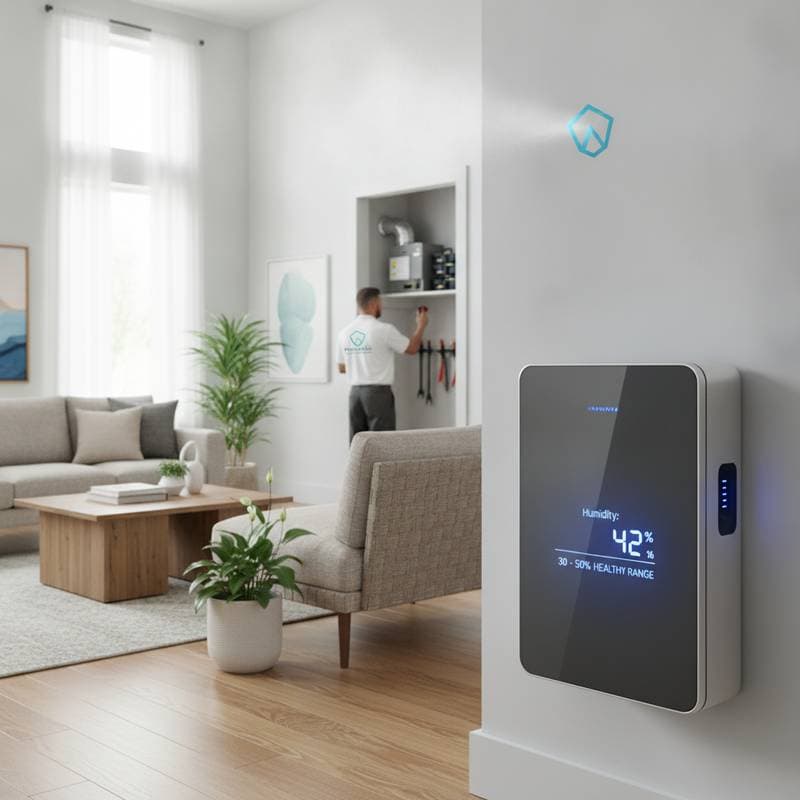
Maintaining the right humidity level in your home transforms daily living. Indoor humidity between 30 and 50 percent strikes a balance that enhances comfort, supports health, and safeguards your living space. This range prevents the extremes that lead to discomfort or damage, making it a cornerstone of modern home management.
Understanding Ideal Indoor Humidity
Humidity refers to the amount of water vapor in the air. The ideal range of 30 to 50 percent ensures the air feels neither too dry nor too damp. Below 30 percent, air becomes arid, causing issues like dry skin and respiratory irritation. Above 50 percent, excess moisture fosters mold growth and structural wear.
This optimal zone aligns with recommendations from health organizations and building experts. It maintains equilibrium in your environment, allowing the air to regulate temperature effectively. Homes in varied climates benefit most from this controlled balance.
The Impact on Comfort and Daily Life
Balanced humidity directly influences how comfortable you feel indoors. At 30 to 50 percent, the air holds moisture just right, preventing that sticky sensation during warm months or the parched feeling in winter. Your body regulates its temperature more efficiently, reducing the need for constant adjustments to thermostats.
Consider how this affects sleep and productivity. Dry air can disrupt rest by irritating airways, while high humidity promotes restlessness through clamminess. In this sweet spot, rooms feel inviting, encouraging relaxation and focus throughout the day.
Furniture and fabrics also respond positively. Wood pieces resist warping, and textiles maintain their softness without becoming musty. Overall, this humidity level elevates the sensory experience of your home.
Health Benefits of Balanced Air
Proper humidity supports respiratory health by keeping nasal passages moist, which acts as a natural barrier against viruses and allergens. In dry conditions, these defenses weaken, increasing susceptibility to colds and allergies. Conversely, excessive moisture can exacerbate asthma or create breeding grounds for dust mites.
Skin and eyes benefit too. The 30 to 50 percent range prevents cracking and itching from dryness, while avoiding the oiliness that high humidity induces. For families with children or elderly members, this stability reduces common irritations and promotes overall well-being.
Studies show that controlled indoor environments correlate with fewer sick days. By integrating humidity management, you create a sanctuary that nurtures health year-round.
Protecting Your Home's Structure
Excessive humidity leads to condensation on windows and walls, inviting mold and mildew. Over time, this erodes paint, weakens drywall, and compromises insulation. Low humidity, meanwhile, causes wood to shrink and crack, affecting floors, doors, and cabinetry.
At 30 to 50 percent, materials remain stable. Basements and attics, prone to fluctuations, stay protected, extending the lifespan of your investment. Energy bills decrease as well, since balanced air improves heating and cooling efficiency.
Regular monitoring prevents costly repairs. This proactive approach preserves your home's value and ensures a safe, durable living space.
Advanced HVAC Systems for 2026
By 2026, HVAC technology integrates smart humidity control seamlessly. These systems use sensors to monitor and adjust moisture levels automatically, maintaining the 30 to 50 percent range without manual intervention. Variable-speed compressors and dehumidification modes respond to real-time conditions.
Whole-home solutions connect to apps, allowing remote adjustments via smartphone. Energy-efficient designs reduce consumption by up to 30 percent compared to older models. Integration with ventilation systems ensures fresh air circulation without humidity spikes.
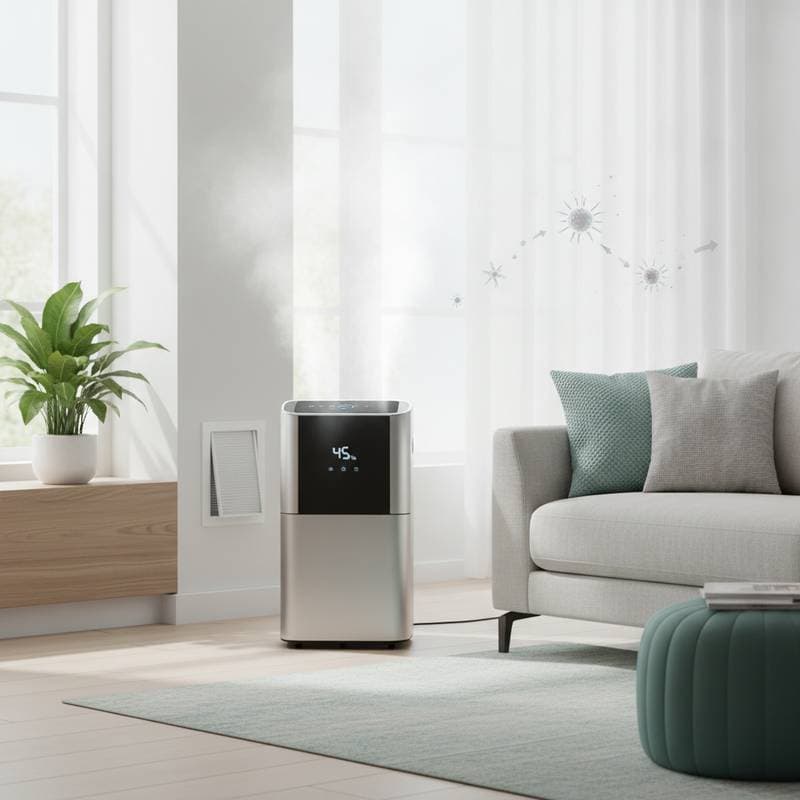
Look for units with advanced filtration that capture excess moisture while purifying the air. These innovations make humidity management effortless and precise.
Steps for Effective Installation and Maintenance
-
Assess your home's current humidity with a hygrometer, available at most hardware stores. Place it in key areas like the living room and bedroom to identify patterns.
-
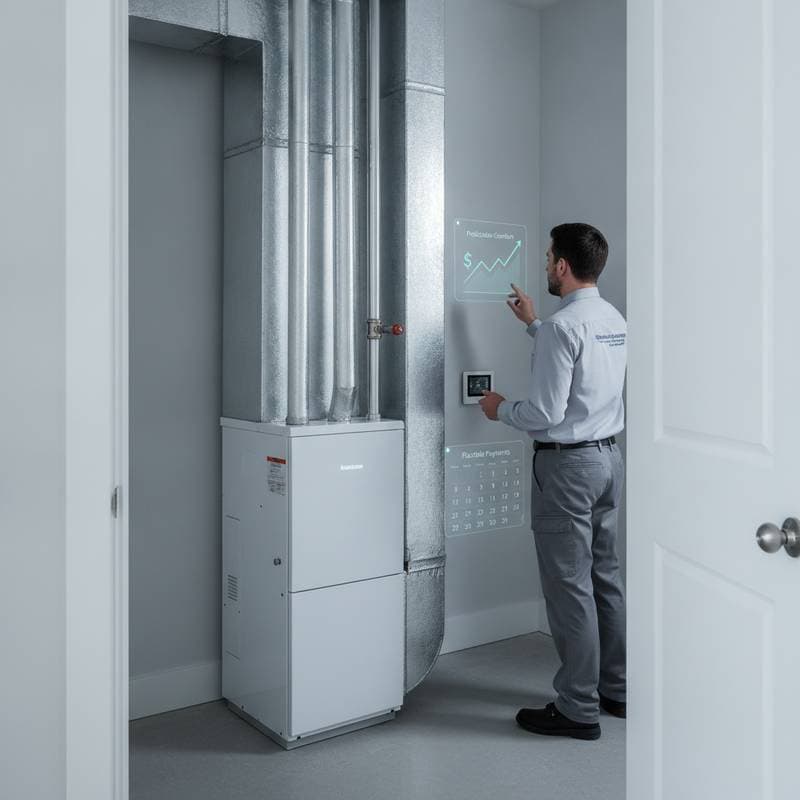
Consult a certified HVAC professional to evaluate your system's compatibility. They will recommend upgrades tailored to your home's size and layout.
-
During installation, ensure proper duct sealing to prevent moisture leaks. Position vents away from high-moisture zones like bathrooms.
-
Schedule annual maintenance to clean filters and calibrate sensors. This keeps the system performing optimally.
-
Incorporate lifestyle habits, such as using exhaust fans and avoiding overwatering plants, to support the HVAC's efforts.
Following these steps integrates humidity control into your routine seamlessly.
Achieving Sustainable Comfort Through Humidity Management
Embracing 30 to 50 percent humidity yields lasting benefits for comfort, health, and home integrity. Advanced HVAC solutions in 2026 make this achievable with minimal effort. Invest in this balance to elevate your living environment and enjoy a healthier, more efficient home.