Humidity Control: The Understated Boost to Your Home's Value
Homeowners frequently pursue visible improvements to enhance living spaces, yet few recognize the profound impact of humidity control on overall property worth. Imagine entering a residence where the atmosphere remains consistently comfortable, free from oppressive dampness or irritating dryness. This subtle balance stems from effective moisture regulation, which not only elevates daily enjoyment but also incrementally increases resale potential through preserved structural integrity and energy savings.
Understanding the Impact of Indoor Humidity
Temperature often dominates discussions of home comfort, but humidity exerts a comparable influence on well-being and durability. Levels exceeding 60 percent foster an environment conducive to mold proliferation and cause wooden elements like cabinets and floors to swell or distort. Conversely, humidity below 30 percent leads to discomforts such as electrostatic discharges, brittle wood surfaces, and irritated respiratory passages. Field experience demonstrates that sustaining 40 to 50 percent humidity optimizes air quality, structural longevity, and occupant health.
Efficient energy use further underscores the importance of humidity management. Excessive moisture compels air conditioning units to cycle more frequently, potentially inflating electricity consumption by 10 to 15 percent during peak seasons. By stabilizing humidity, homeowners enable their systems to achieve desired conditions with less effort, resulting in measurable reductions in operational costs over time.
Benefits of Integrated Whole-Home Dehumidification
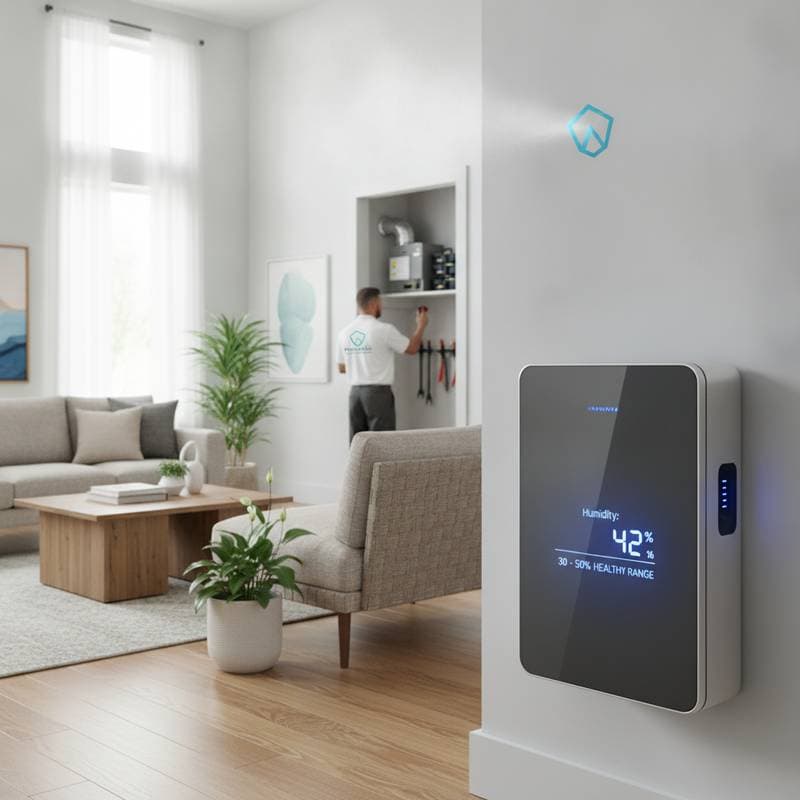
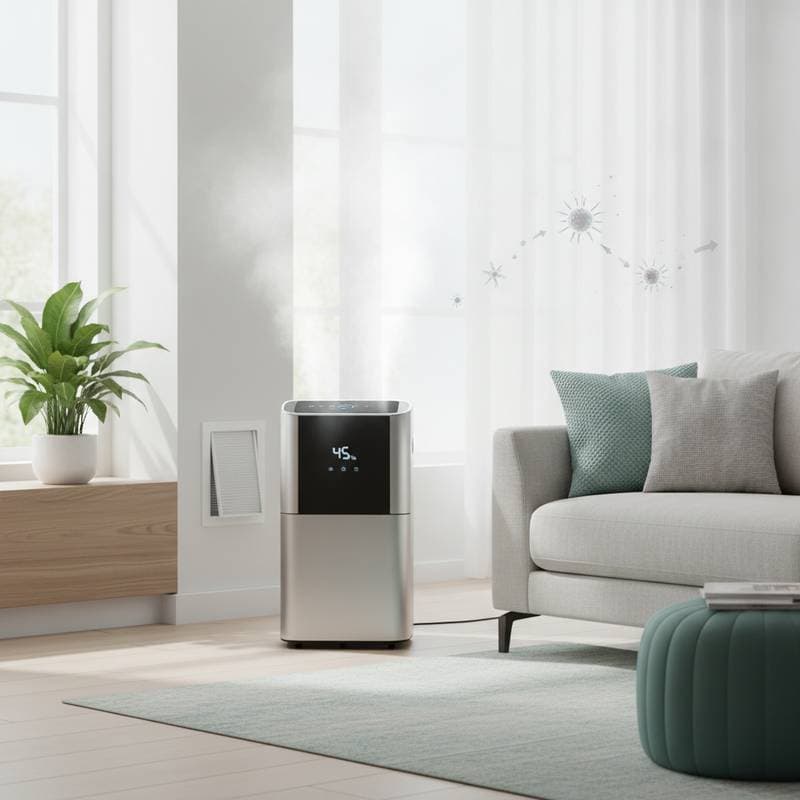
Discriminating buyers now prioritize homes with advanced air quality features, viewing them as indicators of proactive ownership. Incorporating a whole-home dehumidifier or humidifier into the central HVAC framework demonstrates foresight and commitment to maintenance. Professionals advise against standalone portable devices for comprehensive coverage; instead, opt for duct-integrated systems that distribute conditioned air uniformly throughout the living areas.
This approach extends beyond immediate comfort to safeguard long-term investments. Unchecked moisture accelerates deterioration in materials such as drywall, carpeting, and roofing components, often necessitating expensive repairs. Consistent humidity oversight mitigates these risks, thereby enhancing the home's appeal to appraisers and real estate professionals who assess preventive measures during evaluations.
Steps to Implement Effective Humidity Management
Achieving optimal moisture balance requires a combination of technology and routine practices. Begin by evaluating current conditions with a reliable hygrometer to identify fluctuations across different zones of the home.
-
Integrate a Whole-Home Dehumidifier or Humidifier
These devices link seamlessly to the HVAC infrastructure, activating as needed to maintain target levels without manual intervention. Select models with adjustable settings to accommodate seasonal variations, ensuring year-round efficacy. -
Incorporate Smart Thermostats Equipped with Humidity Monitoring
Advanced units track both temperature and moisture in real time, providing app-based alerts and automated adjustments. This integration promotes precise control while optimizing overall system performance for enhanced efficiency. -
Address Air Infiltration Through Sealing and Insulation Upgrades
Inspect and caulk crevices around entry points, including window frames, door thresholds, and attic accesses, to minimize external humid air entry. Enhanced insulation in walls and attics further stabilizes internal conditions by reducing thermal bridging that exacerbates moisture issues. -
Commit to Scheduled HVAC Maintenance Protocols
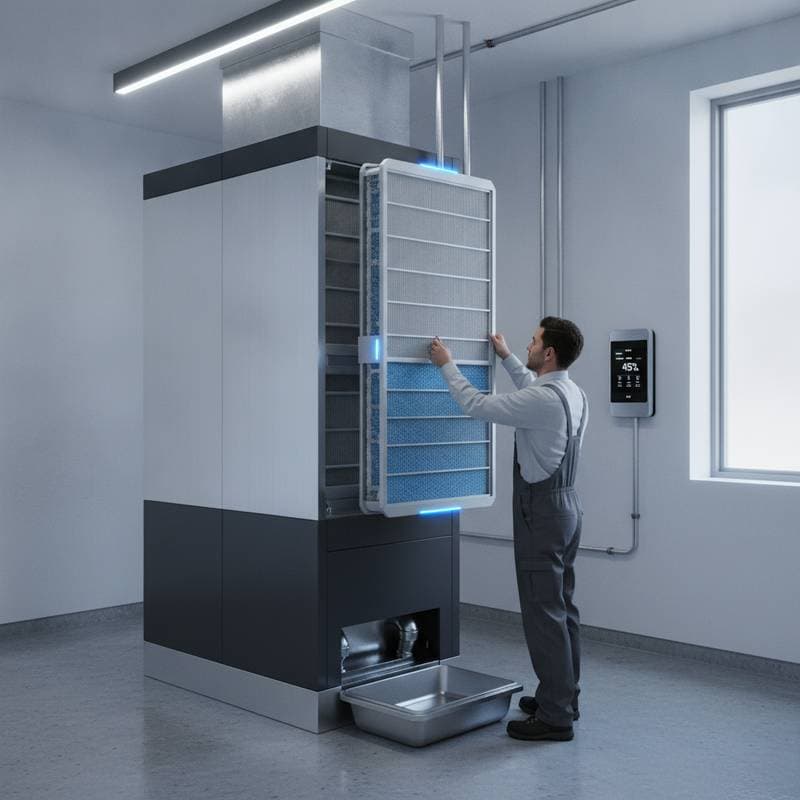
Annual professional servicing involves inspecting evaporator coils for buildup, verifying refrigerant charges, and recalibrating sensors for precision. Homeowners can supplement this with quarterly filter replacements to sustain airflow and filtration effectiveness.
Evaluating the Investment in Humidity Solutions
Professional installation of a whole-home dehumidification system typically costs between $1,200 and $2,500, influenced by factors such as unit capacity and compatibility with existing duct configurations. Return on investment materializes through diminished energy demands and avoidance of costly remediation, such as mold removal averaging $2,000 to $6,000 per incident. Engage certified technicians who adhere to building regulations, incorporating features like automatic drain lines and safety shutoffs to avert internal flooding risks.
Realizing the Full Potential of Your Home
Effective humidity control fosters an environment that supports health, efficiency, and financial appreciation. Homeowners preparing for market entry or seeking sustained livability will find these measures yield tangible advantages. Consult local HVAC specialists to tailor solutions that align with your property's unique characteristics and climate demands.
Frequently Asked Questions
Q: What constitutes the optimal indoor humidity range for health and comfort?
A: Target 40 to 50 percent relative humidity. This interval discourages microbial growth, preserves building materials, and facilitates efficient HVAC operation.
Q: How frequently does a whole-home dehumidifier require servicing?
A: Plan for annual professional maintenance aligned with HVAC inspections. Routine tasks include filter cleaning and drainage line clearance to uphold reliability.
Q: Is self-installation feasible for a whole-home humidity control unit?
A: Professional involvement is essential for accurate sizing, secure integration, and compliance with safety standards. Attempting DIY efforts risks inefficiency and potential system damage.
Q: Does humidity regulation contribute to energy cost reductions?
A: Affirmative. It alleviates workload on cooling components, frequently yielding savings of up to 15 percent on seasonal bills.