Why Monthly HVAC Maintenance Plans Outperform Emergency Repairs
Homeowners often encounter a familiar challenge with their heating, ventilation, and air conditioning systems. The equipment functions smoothly for extended periods, only to fail abruptly during extreme weather. In such moments, securing a technician becomes urgent, leading to substantial repair expenses and the hope that the issue will not recur soon. This reactive approach generates ongoing stress and financial strain for maintaining essential home comfort.
Monthly HVAC maintenance plans offer a superior alternative by shifting focus from crisis response to proactive care. These plans extend beyond mere payment distribution; they emphasize breakdown prevention, efficiency enhancement, and continuous professional monitoring to ensure year-round reliability.
Hidden Expenses of Reactive Repairs
Relying on occasional service calls addresses symptoms rather than root causes. Professionals frequently observe that minor problems, such as accumulated dirt on coils or insufficient refrigerant, escalate into severe failures without regular attention. An emergency repair typically ranges from $300 to $900, excluding additional costs for components or off-peak services.
Isolated tune-ups may appear economical initially, yet they often overlook in-depth evaluations needed to detect emerging faults. Absent ongoing oversight, system performance declines, utility expenses increase, and equipment durability diminishes. In areas prone to high humidity or extended freezes, these factors can add hundreds of dollars to seasonal bills.
The greatest drawback remains the element of surprise. Breakdown timing and associated costs prove unpredictable, amplifying financial anxiety beyond the immediate repair demands.
Benefits of Monthly HVAC Maintenance Plans
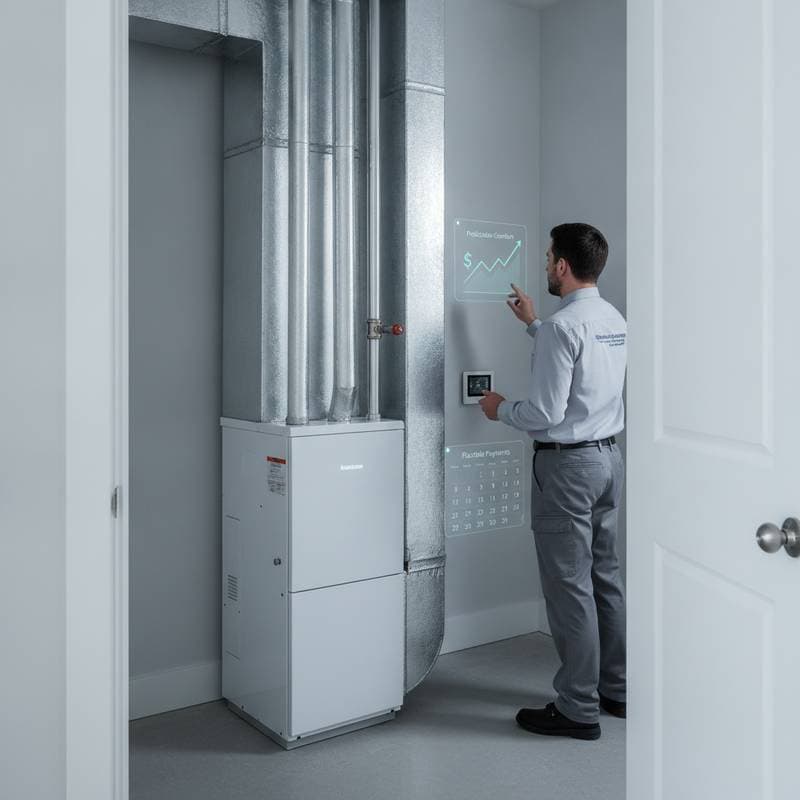
Monthly plans transform this unpredictability into structured reliability. Homeowners move from awaiting failures to implementing preventive measures that sustain optimal operation throughout the seasons. This arrangement resembles dedicated oversight for the home's climate control infrastructure.
Key advantages include:
- Predictable monthly fees that integrate seamlessly into household budgets.
- Priority access to service during high-demand periods.
- Thorough examinations that identify potential issues early.
- Reduced rates for repairs and replacements to control overall expenses.
- Maintained service logs that support warranty validity and enhance property value.
Experts advocate these plans for individuals seeking dependable comfort solutions. Success depends on regular professional intervention, which preserves cleanliness, safety, and operational efficiency.
Components of a Comprehensive Monthly HVAC Plan
Effective maintenance programs surpass basic tasks like filter swaps. They deliver detailed assessments and adjustments to safeguard performance and avert expensive disruptions.
Seasonal Evaluations
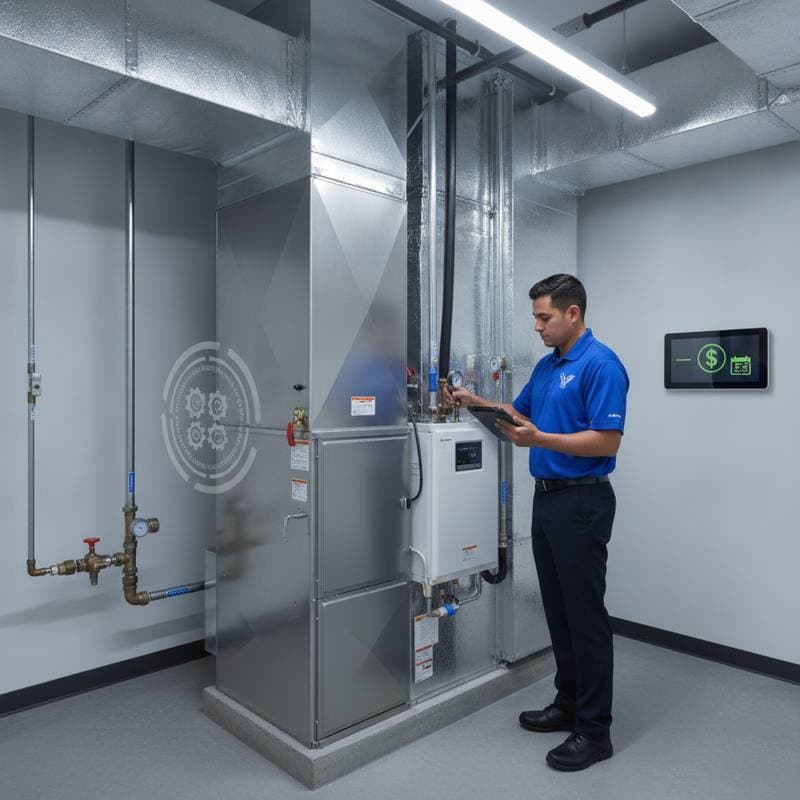
Technicians examine coils, blower elements, refrigerant quantities, gas pressures, and electrical links. Cleaning occurs on essential components, lubrication applies to mobile parts, and thermostat settings receive precise calibration.
Filter Management and Airflow Assessment
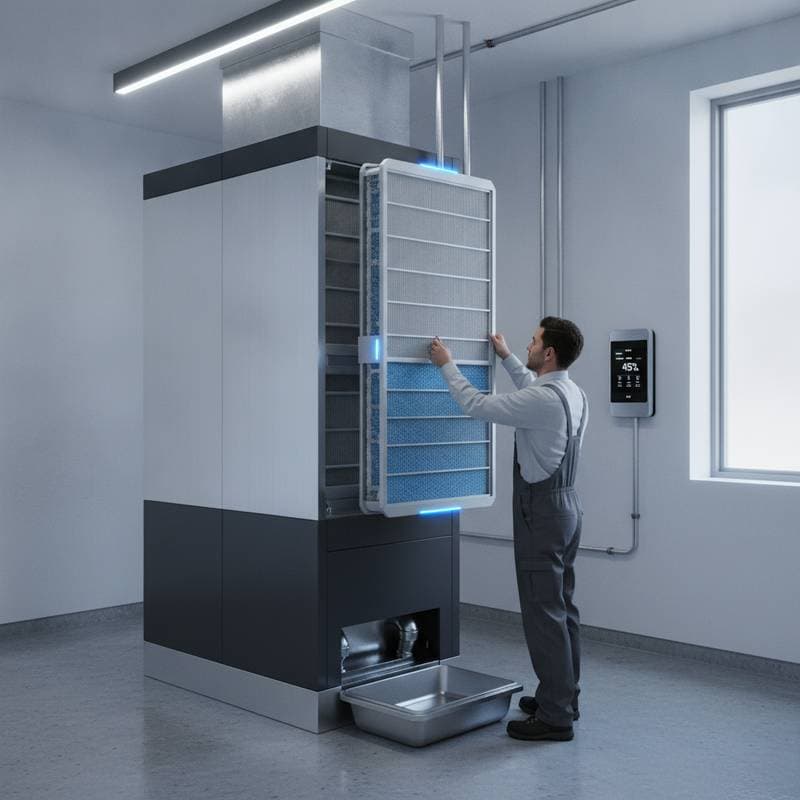
Fresh filters and optimized circulation minimize system stress while elevating indoor air standards. Numerous plans provide complimentary or discounted filter services.
Expedited Service and Cost Reductions
Participants typically receive 10 to 20 percent savings on materials and labor, along with immediate scheduling for urgent needs. This setup shortens downtime and accelerates restoration.
Efficiency Tracking
Specialists monitor performance trends, pinpointing degradation or circulation problems that inflate energy use. Routine optimizations can lower consumption by 10 to 15 percent each year.
Safety Verifications
Checks encompass carbon monoxide detection, heat exchanger reviews, and confirmation of electrical compliance. Such evaluations prove vital for aging installations, particularly in households with vulnerable members.
Advantages of Routine Care Over Emergency Responses
Consider the HVAC system akin to a vehicle motor. Neglecting routine servicing leads to premature wear, much like skipping lubricant renewals shortens engine life. Regular attention balances components, lessens wear, and upholds peak functionality.
These plans foster ongoing collaboration with service providers. Technicians gain insight into system characteristics, enabling quicker and more precise troubleshooting. This knowledge base often halts minor concerns from progressing to significant malfunctions.
Research from a prominent energy organization indicates that properly serviced HVAC units endure up to five additional years compared to those lacking care. This longevity justifies the plan investment multiple times.
Key Factors for Homeowners Considering a Plan
Understanding expenses, coverage, and outcomes aids informed decisions.
Pricing Overview
Plans generally cost $15 to $40 monthly, varying by equipment scale and location. Enhanced options for dual heating and cooling systems incur modest increases but offer extras like duct evaluations or control adjustments.
Service Frequency
Anticipate two primary visits annually, aligned with cooling and heating preparations. Certain providers incorporate seasonal filter reviews or digital surveillance.
Regulatory Adherence
Expert servicing aligns equipment with municipal standards and warranty stipulations. Self-performed interventions on refrigerants or wiring risk invalidating protections and introducing dangers.
Financial Returns
Regular upkeep yields 10 to 20 percent reductions in yearly energy expenditures. Over multiple years, these gains accumulate significantly.
A seasoned technician from the American Air HVAC team noted, “Preventive care is the smartest investment a homeowner can make. It keeps your system efficient, your air clean, and your stress low.”
Confidence and Convenience from Professional Oversight
Numerical benefits aside, year-round expert management instills assurance. Homeowners sidestep breakdown worries, sustain family well-being, and safeguard climate investments.
The streamlined process appeals greatly. Automatic handling eliminates manual tracking of appointments or documentation. Residents simply benefit from consistent climate control.
Selecting an Appropriate Maintenance Program
Plans differ in scope and features. To identify the ideal option:
- Examine inclusion criteria to confirm coverage for both heating and cooling.
- Verify service response commitments for prompt attention.
- Inquire about savings on components, labor, and urgent interventions.
- Validate technician credentials and adherence to regulations.
- Assess adaptability for modifications as systems age.
Consulting qualified specialists facilitates personalized recommendations tailored to specific residences.
Implementing Reliable Home Comfort
Monthly HVAC plans represent a commitment to sustained performance and tranquility. Even cost distribution, preemptive repairs, and steady efficiency foster a secure living space across seasons.
Professionals affirm that adherents to these programs experience minimal disruption from failures. Equipment operates with greater purity, utilities remain stable, and comfort investments yield enduring returns.
Explore maintenance solutions to remove uncertainties and secure dependable serenity. Modest ongoing fees today prevent substantial future outlays while ensuring unwavering home climate stability.
Frequently Asked Questions
How frequently do technicians visit with a monthly HVAC plan?
Most programs schedule two comprehensive tune-ups yearly, timed for summer and winter onset. Additional quarterly checks or filter provisions maintain continuous optimization.
What savings can homeowners expect from regular maintenance?
Consistent care often reduces energy bills by 10 to 20 percent annually through improved efficiency and early issue detection.
Do these plans cover both heating and cooling systems?
Yes, comprehensive plans typically encompass full HVAC operations, including furnaces, air conditioners, and related components.