Monthly HVAC Plans: The Rise of Subscription Maintenance
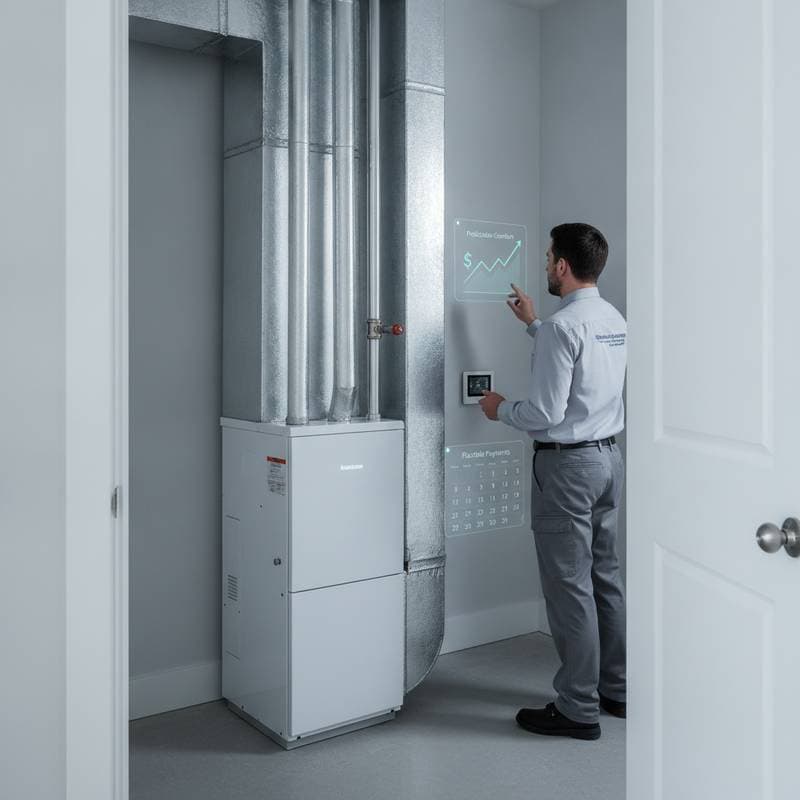
Homeowners increasingly rely on monthly HVAC plans to maintain heating and cooling systems with reliability and foresight. These plans provide consistent upkeep at a fraction of the cost of emergency repairs, typically ranging from $15 to $45 per month. By opting for such subscriptions, individuals avoid the financial strain of sudden breakdowns and ensure optimal performance throughout the seasons.
Plans vary based on factors like system complexity, home size, and regional climate demands. For instance, a basic residential unit in a moderate climate might qualify for the lower end of the pricing spectrum, while larger or older systems in extreme weather areas command higher fees. Local HVAC professionals often customize these offerings to match specific needs, making it essential to evaluate options carefully.
Obtain estimates from certified technicians in your vicinity to identify plans that align with your budget and requirements.
Key Cost Insights from National Data
Understanding average expenses helps in planning effective maintenance strategies. The following table summarizes essential metrics drawn from industry reports and service data.
| Metric | Amount |
|---|---|
| National average cost | $30 per month |
| Minimum cost | $15 per month |
| Maximum cost | $100 per month |
| Average cost range | $20 to $40 per month |
These figures reflect variations influenced by service scope and geographic location. Costs derive from aggregated data on reported projects and consumer experiences, providing a benchmark for realistic expectations.
Reasons Homeowners Adopt HVAC Subscriptions
The popularity of HVAC subscriptions stems from evolving priorities in home management. Individuals seek solutions that integrate seamlessly into daily finances while safeguarding against operational failures. A monthly plan delivers ongoing vigilance, transforming reactive repairs into proactive care.
Predictable budgeting stands out as a primary advantage. Rather than facing bills that escalate during system failures, subscribers distribute expenses across the calendar year. This approach fosters financial stability and eliminates the anxiety associated with irregular outlays.
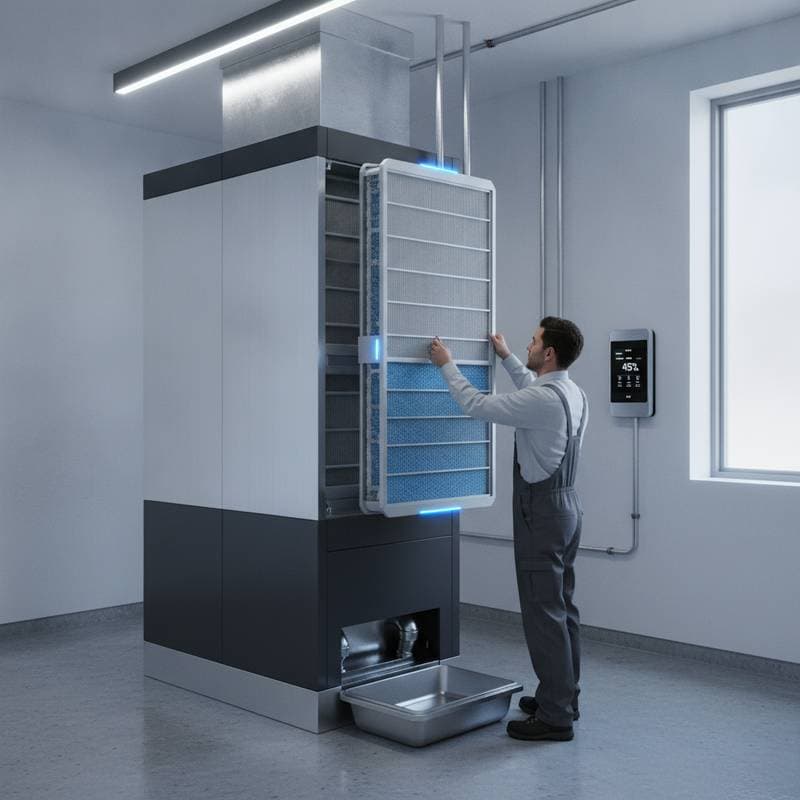
Preventive measures embedded in these plans enhance overall efficiency. Technicians inspect and clean components to minimize energy loss, which can lower utility bills by up to 15 percent according to efficiency studies. Systems under regular care experience reduced strain on parts like compressors and coils, thereby extending operational lifespan by several years.
Priority access to services proves invaluable during high-demand periods. In winter chills or summer heats, standard wait times stretch, but plan members receive expedited responses. This feature ensures minimal disruption to comfort and daily routines.
Monthly Plans Versus Traditional Tune-Ups
Traditional one-time tune-ups offer a snapshot of maintenance but fall short in comprehensive coverage. Such services, priced between $100 and $300, address immediate issues during a single visit. However, they neglect the cumulative benefits of year-round monitoring.
In contrast, monthly plans amortize costs over time while encompassing multiple interventions. A mid-range plan at $25 monthly equates to $300 annually, yet it includes two full tune-ups, unscheduled checks, and repair discounts. This structure yields superior value for those committed to long-term system health.
Consider the coverage disparities in this comparison:
| Service Option | Typical Cost | Coverage Details |
|---|---|---|
| One-time tune-up | $100 to $300 | Single inspection and adjustment |
| Monthly plan | $15 to $45 per month | Continuous monitoring, seasonal visits, priority support |
| Annual plan | $200 to $500 yearly | Biannual tune-ups, parts discounts, emergency access |
For budget-conscious households, the monthly model aligns expenses with income cycles, preventing the lump-sum burden of annual alternatives.
Selecting an Optimal HVAC Subscription Plan
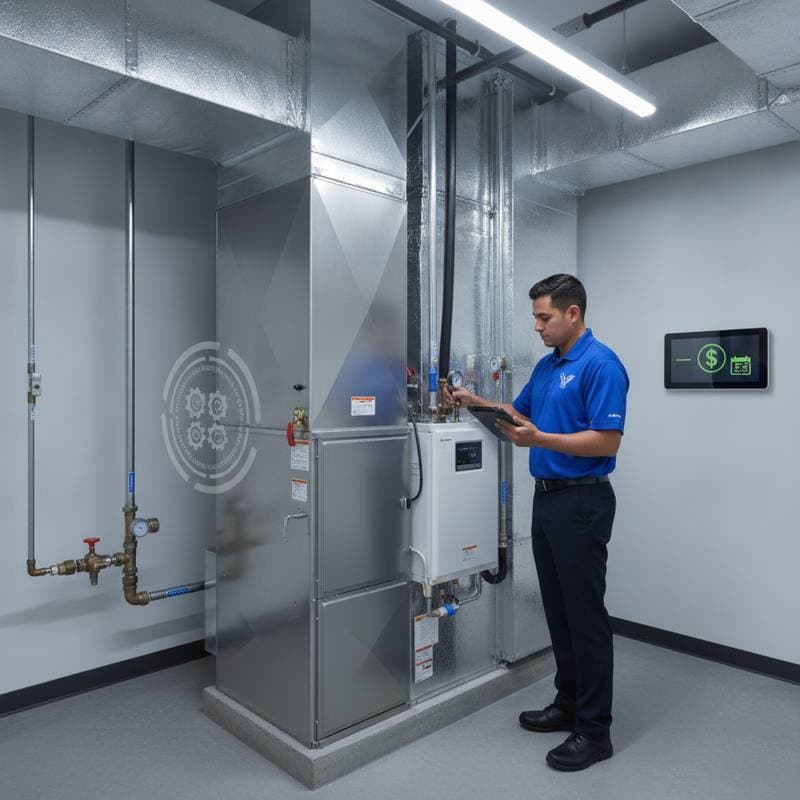
Choosing the right plan requires a methodical evaluation of features and provider credentials. Begin by identifying core services: Does the agreement cover filter replacements, refrigerant checks, and duct inspections? Clarify any exclusions, such as major component replacements, to avoid surprises.
Prioritize providers with proper licensing and insurance. Verify their adherence to industry standards through customer feedback on platforms like review sites. Technicians should employ diagnostic tools calibrated to manufacturer guidelines, ensuring thorough and compliant servicing.
Gather quotes from at least three reputable contractors to uncover variations in offerings. One might emphasize quarterly visits, another focus on energy audits, and a third include smart thermostat integration. Side-by-side analysis reveals the optimal combination of affordability and comprehensive protection.
Assess your home's unique profile during selection. For example, homes with geothermal systems may benefit from specialized plans, while standard air handlers suit basic subscriptions. Factor in local humidity or dust levels, which can accelerate wear and necessitate enhanced cleaning protocols.
Frequently Asked Questions on HVAC Subscriptions
What is the typical cost of a monthly HVAC plan?
Plans generally range from $15 to $45 per month, influenced by the extent of services and the type of HVAC equipment installed.
Do HVAC maintenance plans provide sufficient value?
Affirmative. Consistent servicing curtails repair expenses, boosts operational efficiency, and prolongs equipment durability, frequently offsetting the subscription fee through savings.
Is it possible to cancel a subscription at any time?
Most agreements permit termination with advance written notice. Certain providers stipulate fulfillment of the initial 12-month term to maintain benefits.
Implementing Effective HVAC Maintenance Strategies
Transitioning to a subscription plan marks a proactive step toward sustained home comfort. Schedule an initial consultation to baseline your system's condition, then integrate the plan into your routine. Monitor performance metrics, such as airflow and temperature consistency, to gauge improvements.
Over time, these investments yield tangible returns: lower energy consumption, fewer disruptions, and enhanced indoor air quality. Homeowners who embrace such strategies position themselves for resilient, efficient living environments that withstand seasonal rigors.