Why 2026 Demands Whole-Home Humidity Control Systems
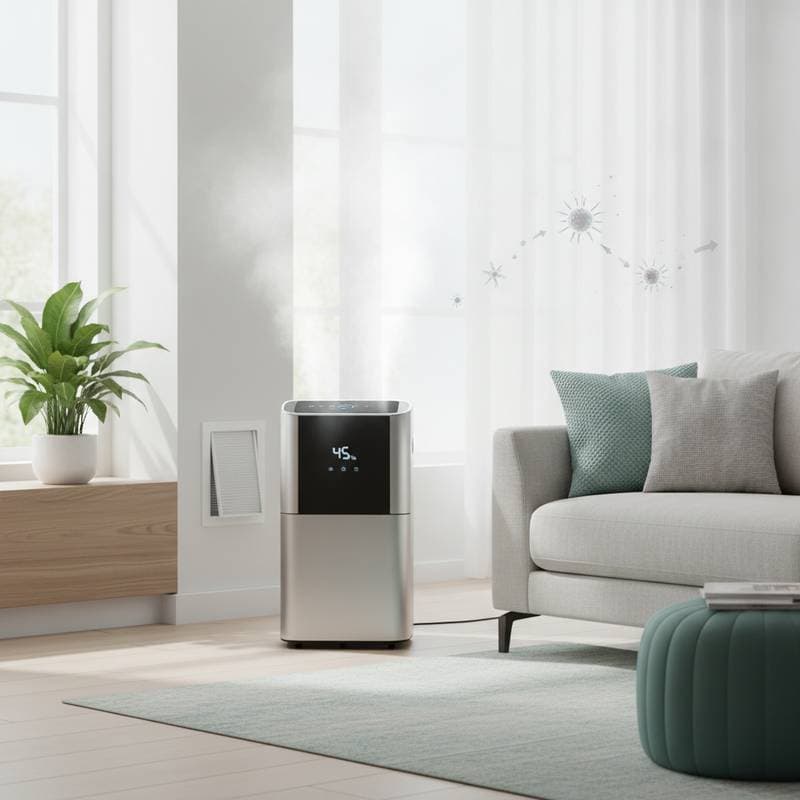
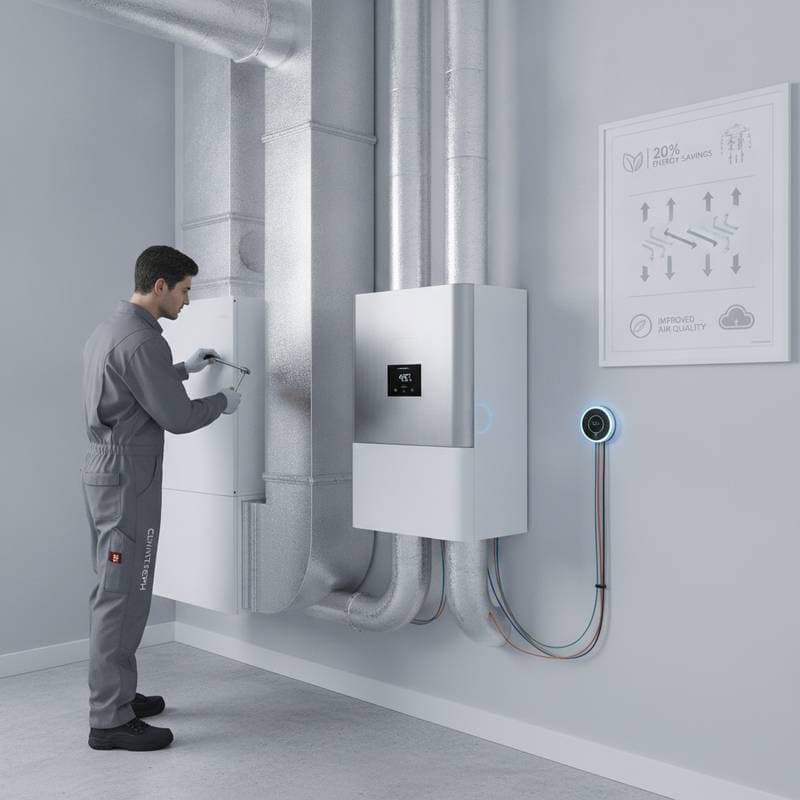
Whole-home humidity control systems integrate seamlessly with HVAC setups to maintain optimal indoor conditions. These systems address rising concerns over air quality, energy efficiency, and home durability in an era of variable climates. Homeowners in 2026 will find these installations essential for sustained comfort and health benefits.
Understanding Installation Costs
Installation of a whole-home dehumidifier ranges from $1,500 to $3,500, covering equipment, labor, and necessary modifications. Factors such as home size, system capacity, and integration with existing HVAC infrastructure influence the final price. Portable dehumidifiers, priced at $300 to $1,000, offer a lower entry point but lack the comprehensive coverage of whole-home solutions.
| System Type | Average Cost Range |
|---|---|
| Whole-home dehumidifier | $1,500 to $3,500 |
| Whole-home humidifier | $1,200 to $2,800 |
| Portable dehumidifier | $300 to $1,000 |
| Dehumidifier maintenance | $150 to $400 |
| Smart humidity control upgrade | $250 to $600 |
| Metric | Amount |
|---|---|
| National average cost | $2,400 |
| Minimum cost | $1,200 |
| Maximum cost | $3,800 |
| Average cost range | $1,500 to $3,500 |
Cost data derives from industry research and reported project expenses.
The Growing Importance of Humidity Management
Indoor humidity levels directly impact occupant health, comfort, and property preservation. Excess moisture fosters mold proliferation, persistent odors, and structural damage like warped flooring. Conversely, overly dry air leads to static buildup, furniture cracks, and irritated respiratory systems. Whole-home systems regulate humidity between 40% and 60% via HVAC integration, ensuring consistent conditions year-round.
Breaking Down Whole-Home Dehumidifier Expenses
Homeowners typically invest $1,500 to $3,500 for professional installation of a whole-home dehumidifier. This encompasses the unit, technician labor, and minor duct adjustments. Properties with expansive layouts or intricate ductwork may see expenses approach $4,000.
Comparing Portable and Whole-Home Options
Portable dehumidifiers, at $300 to $1,000 per unit, effectively treat isolated areas but require multiples for broader coverage in multi-room homes. Whole-home systems provide uniform control across the entire property, minimizing ongoing maintenance and energy demands.
| Cost Component | Average Price Range |
|---|---|
| Labor | $600 to $1,200 |
| Equipment | $900 to $2,000 |
| Electrical and ductwork modifications | $200 to $500 |
| Smart controls integration | $150 to $300 |
Labor constitutes approximately 40% of the total, with HVAC professionals billing $75 to $150 hourly based on location and project demands.
Factors Shaping Humidity Control Investments
Multiple variables affect overall costs, enabling informed budgeting.
- System capacity: Higher-capacity units for larger areas command premium prices yet deliver efficient performance.
- Energy efficiency: Models with superior ratings reduce operational expenses despite elevated initial outlays.
- Brand reputation: Established manufacturers provide extended warranties, reduced noise, and advanced smart features.
- Integration challenges: Properties lacking ductwork or featuring outdated HVAC may incur additional modification fees.
- Regional climate: Humid zones necessitate robust dehumidification, whereas arid areas benefit from humidifiers.
- Existing HVAC condition: Aging systems often require enhancements for compatibility.
- Service intervals: Yearly tune-ups incur fees but prolong equipment longevity.
Associated Home Comfort Expenditures
Humidity solutions often pair with complementary upgrades to enhance air quality and efficiency.
| Related Service | Typical Cost Range |
|---|---|
| HVAC inspection | $150 to $300 |
| Duct cleaning | $300 to $700 |
| Mold remediation | $1,000 to $3,000 |
| Smart thermostat | $150 to $400 |
| Air purifier integration | $500 to $1,500 |
Coordinating these services maximizes benefits and streamlines project timelines.
Ensuring Long-Term System Performance
Consistent upkeep sustains efficiency and reliability.
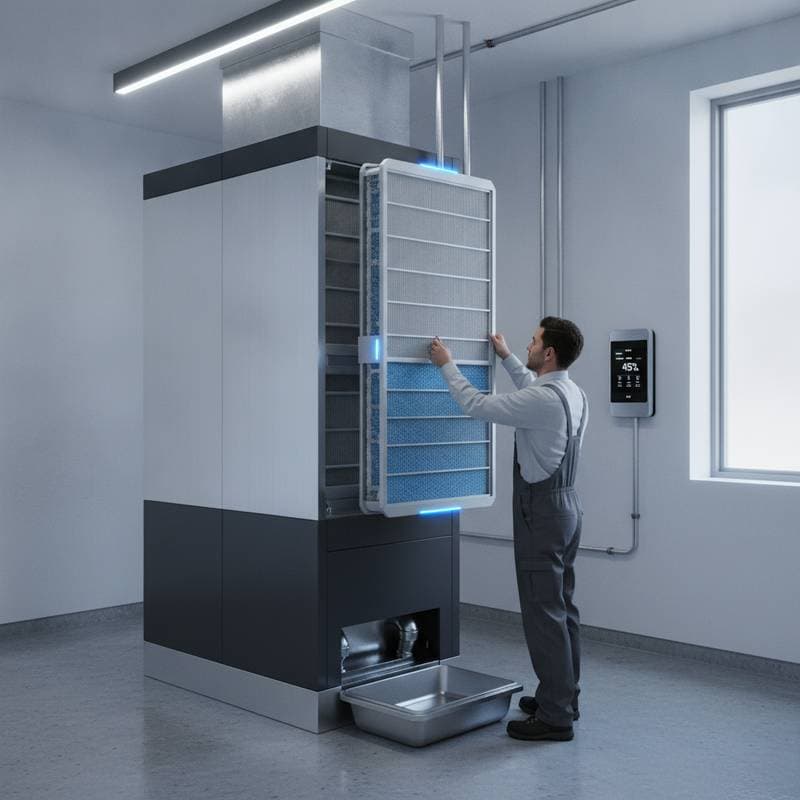
- Clean or replace filters every few months to preserve airflow.
- Arrange yearly professional inspections for coils, sensors, and drainage.
- Maintain clear ducts and vents to support optimal circulation.
- Track levels with a hygrometer or integrated thermostat.
- Drain reservoirs manually if automatic features are absent.
These practices avert malfunctions and uphold balanced indoor environments.
Evaluating Repairs Versus Replacements
Signs of trouble include nonstop operation or failure to achieve target levels. Repairs on legacy units range from $200 to $600, yet systems over a decade old or low-efficiency warrant full replacement. Modern whole-home upgrades enhance comfort while curbing energy consumption.
Strategies for Cost Efficiency
Thoughtful choices yield substantial savings.
- Time installations for off-season periods to secure lower labor rates.
- Pursue utility or manufacturer rebates for qualifying systems.
- Select appropriately sized units to prevent excess energy use.
- Combine with HVAC overhauls or duct improvements for bundled discounts.
- Obtain quotes from several contractors to evaluate options and guarantees.
- Perform routine filter maintenance to optimize operations.
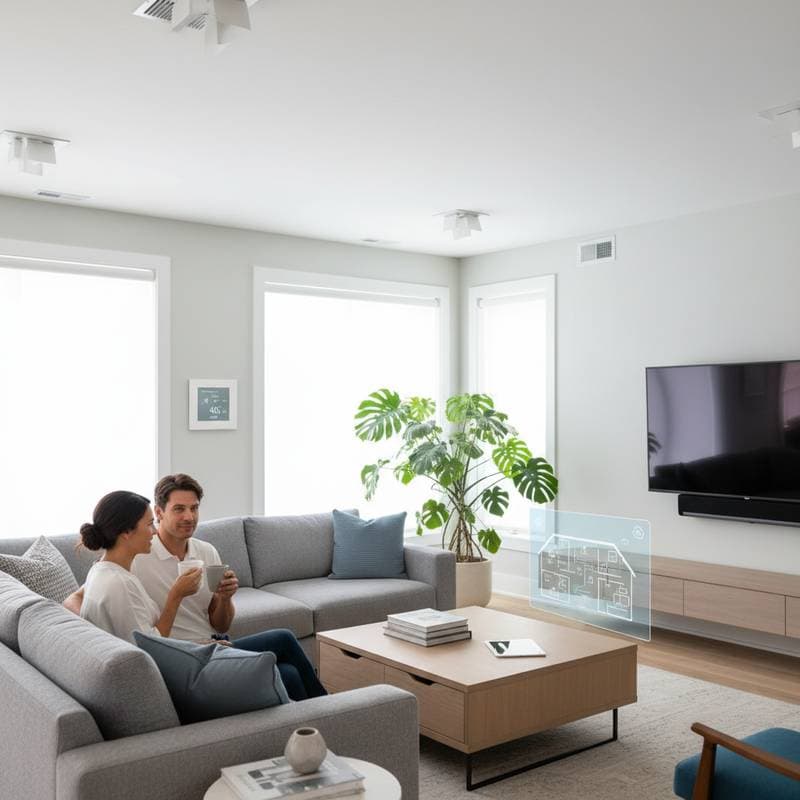
- Incorporate smart thermostats for precise, automated regulation.
Such measures balance upfront investments with enduring advantages.
Common Questions on Whole-Home Humidity Control
What is the cost of installing a whole-home dehumidifier?
Expect $1,500 to $3,500, varying by capacity, manufacturer, and property dimensions.
Should I choose a humidifier or dehumidifier?
Opt for dehumidification if dampness, musty scents, or window condensation prevail. Select humidification for dry skin, static, or material cracks.
What is the lifespan of these systems?
Proper care yields 8 to 15 years of service. Frequent filter servicing and inspections extend durability.
Is DIY installation feasible?
Professionals handle installation to guarantee airflow, wiring safety, and warranty validity.
How frequently does servicing occur?
Annual professional visits, plus monthly filter checks, ensure reliability and mitigate moisture problems.
Does balanced humidity alleviate allergies?
Indeed, it curbs mold, dust mites, and bacteria that exacerbate allergic responses.
Achieving Optimal Indoor Environments
Implementing whole-home humidity control fortifies home resilience against climate shifts. These systems deliver measurable gains in health, efficiency, and longevity. Consult certified HVAC experts to tailor solutions for your specific needs.