Variable Speed HVAC Motors Boost Efficiency and Savings
As an HVAC professional I have seen many homeowners frustrated with uneven temperatures, noisy equipment, and high utility bills. In many of those homes the culprit was an outdated single speed blower motor that ran at full blast or not at all. The difference resembles driving a car that can only travel at top speed versus one that adjusts smoothly to traffic. Variable speed motors adapt in real time and deliver consistent comfort along with measurable savings.
Why Traditional HVAC Motors Create Ongoing Problems
In most homes the HVAC blower either runs at full capacity or remains off. This constant cycling wastes electricity, produces temperature swings, and places extra wear on components. In humid climates single speed systems often fail to remove enough moisture and leave indoor air sticky. In colder regions the furnace may heat too quickly and create hot spots along with drafts. A variable speed motor solves these issues by adjusting airflow to match exact demand.
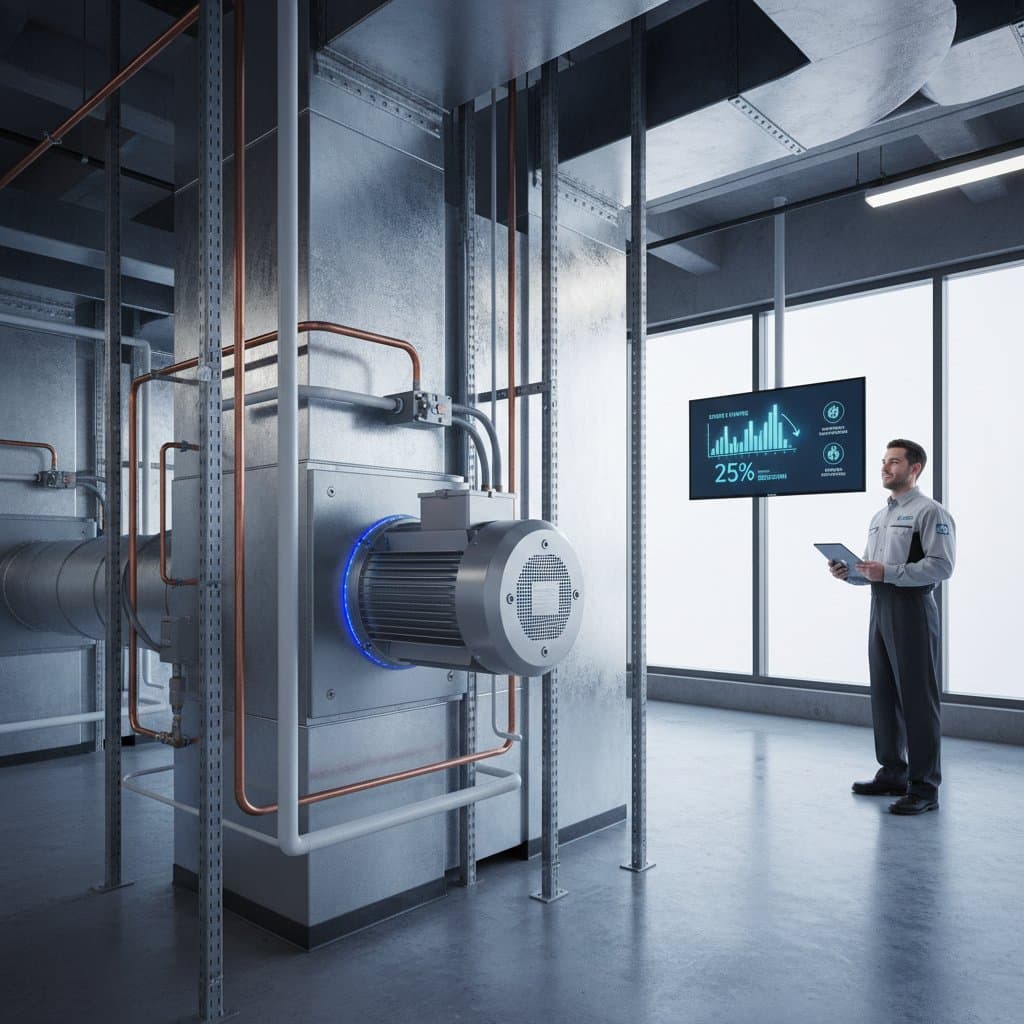
Homeowners commonly reduce energy costs by up to 25 percent after upgrading. The savings result from smoother operation, better airflow control, and reduced stress during startup.
How Variable Speed Motors Operate
Variable speed motors rely on electronic controls that fine tune airflow. Instead of delivering air at one fixed speed they ramp output up or down gradually. This approach lets the HVAC system hold the target temperature more precisely while running longer at lower speeds that consume less energy. Steady performance also moves air through filters more frequently and improves indoor air quality.
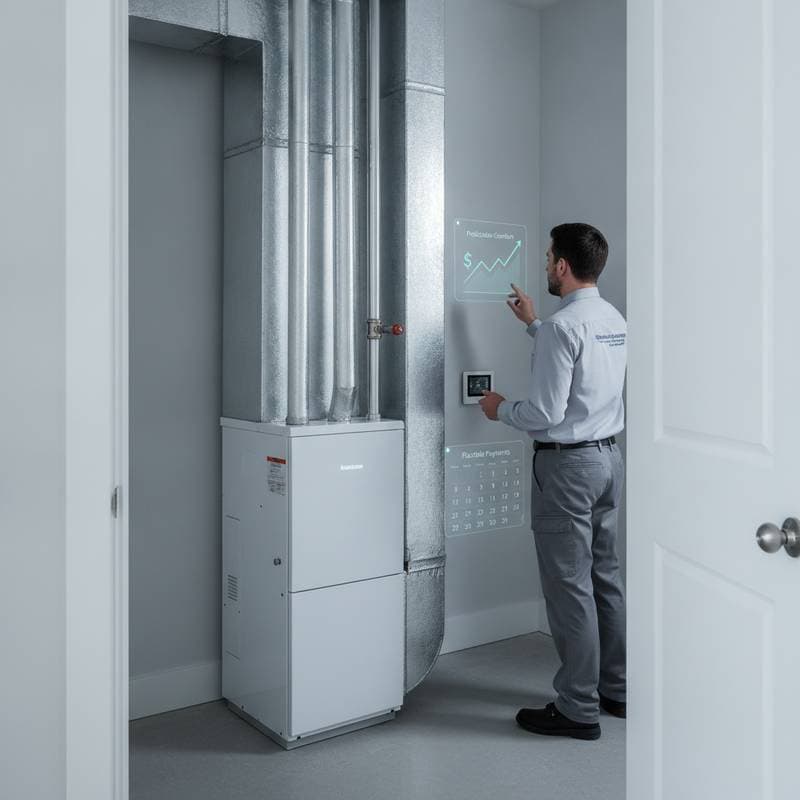
The furnace or air handler functions as the core of the comfort system. A variable speed motor provides a steady pulse that circulates air gently and reliably.
Practical Benefits Homeowners Experience
- Lower energy bills result because the motor spends most of its time at reduced speeds and therefore draws far less electricity.
- Even temperatures appear across rooms because airflow matches demand instead of cycling on and off.
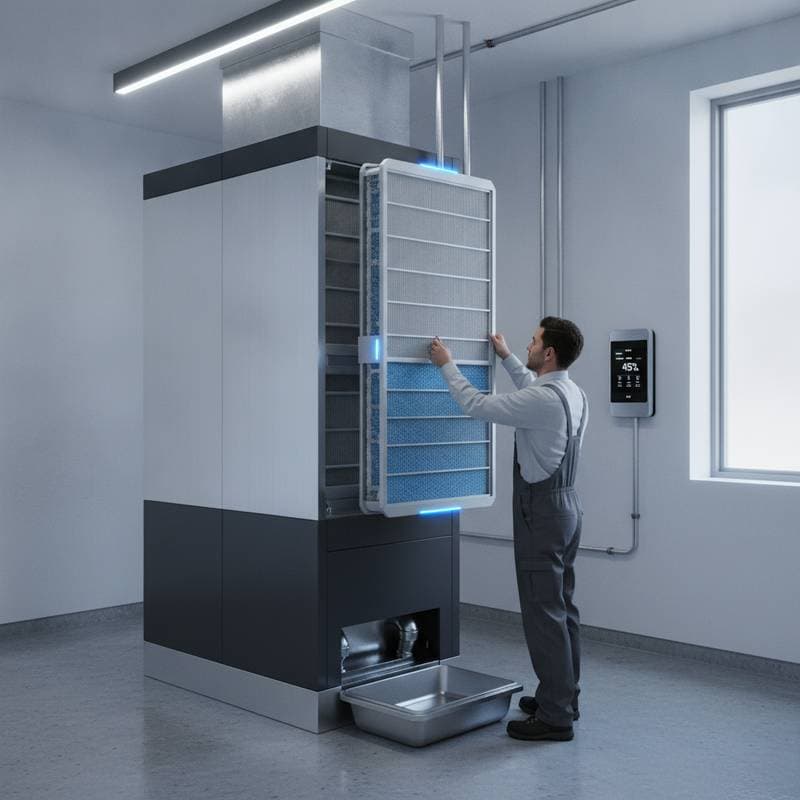
- Air quality improves when longer cycles allow filters to capture more dust, pollen, and dander.
- Noise decreases because gradual ramping eliminates the abrupt start and stop sounds of older motors.
- Equipment lasts longer when reduced strain protects bearings, belts, and electrical parts.
Steps for Selecting and Installing a Variable Speed System
- Verify compatibility by having a licensed technician inspect the furnace or air handler before purchase.
- Confirm proper sizing through a professional load calculation that accounts for insulation, windows, and local climate.
- Pair the motor with a smart thermostat that can modulate output for maximum efficiency.
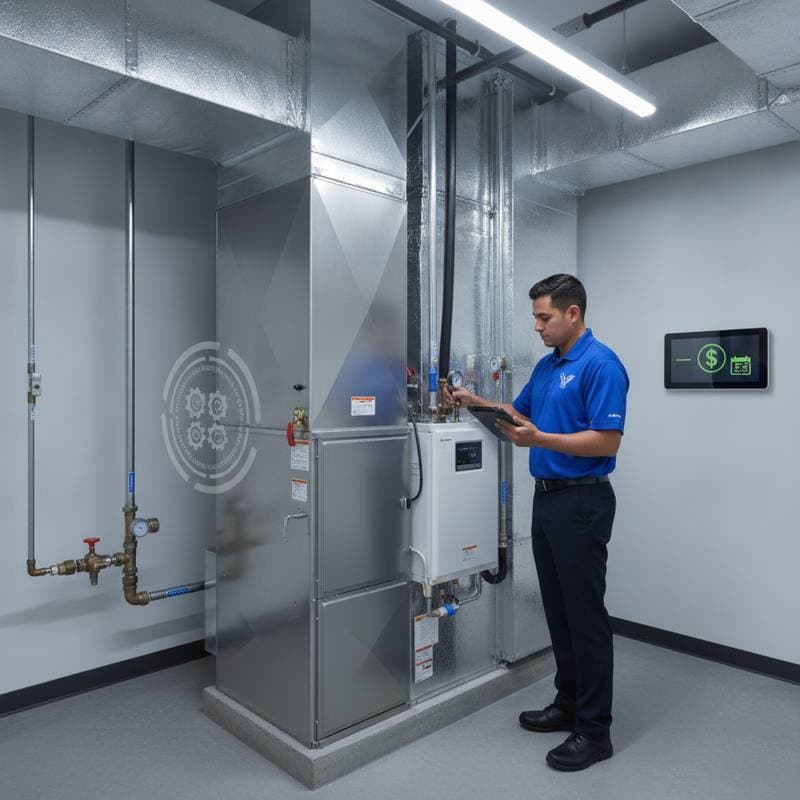
- Arrange professional installation so wiring, airflow balance, and programming receive correct calibration.
- Schedule annual service visits to keep electronics and bearings in optimal condition.
Selecting the Right Upgrade Path
Upgrading to a variable speed motor typically costs between 800 and 1500 dollars for parts and labor. The investment often recovers itself within a few years through lower energy use and fewer repairs. Consult a qualified local technician to evaluate options that match the home design, regional climate, and comfort goals. With proper installation and routine care the system provides steady temperatures, cleaner air, and quieter performance throughout the year.