Variable Speed HVAC Makes Single Speed Units Obsolete
As an HVAC professional I have watched countless homeowners struggle with temperature swings, noisy systems, and energy bills that seem to climb higher every season. Many of these frustrations trace back to a single cause. An outdated single speed HVAC system tries to keep up with modern comfort expectations.
Picture this scenario. Your air conditioner starts at full power, blasts cold air for a few minutes, then shuts off abruptly. The cycle repeats again and again. It works, but it never feels quite right. Variable speed technology changes that experience.
The Problem with Single Speed Systems
Single speed HVAC units operate at full capacity every time they run. This all or nothing approach might sound powerful, but it wastes energy and creates uneven comfort. In hot, humid climates these systems struggle to remove moisture effectively because they cycle off too quickly.
In cooler regions furnaces with single speed blowers often blast heat unevenly. Some rooms become too warm while others stay chilly. From years in the field I can confirm that single speed units tend to consume up to 20 percent more energy than necessary during mild weather. The constant starting and stopping also strain components and shorten equipment lifespan.
The Rise of Variable Speed Technology
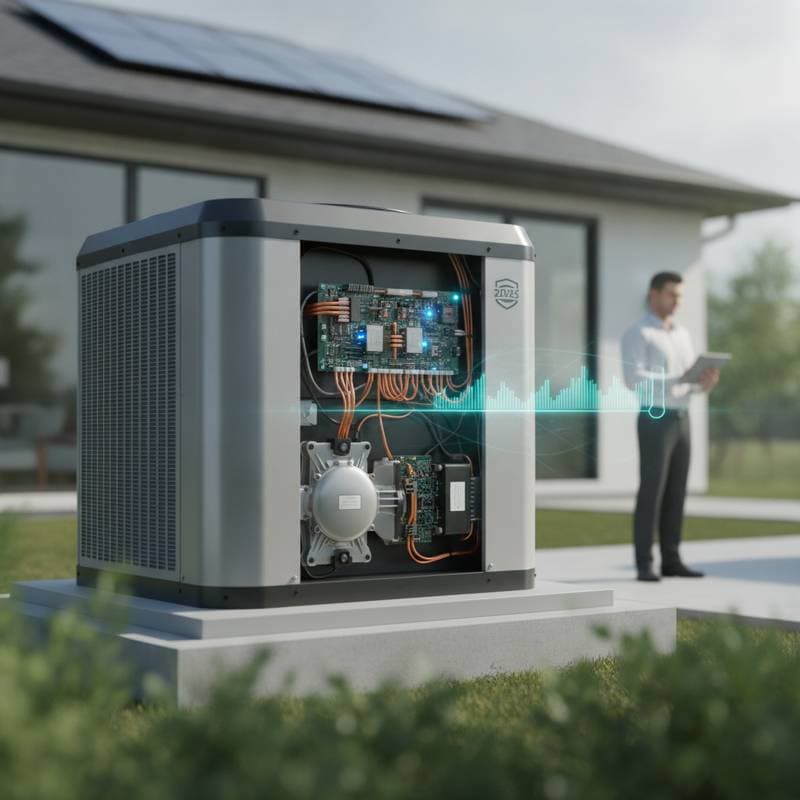
Variable speed HVAC systems use advanced compressors or blower motors that adjust output gradually. Instead of switching completely on or off they modulate airflow and cooling capacity in small increments to match your home exact needs. This technology uses inverter driven compressors that can run anywhere from 30 to 100 percent capacity.
I recommend this design for its precision and reliability. It eliminates temperature spikes, reduces energy use, and extends equipment life. The steady operation of a variable speed unit differs greatly from the start stop noise of older systems.
How Variable Speed Systems Deliver Superior Comfort
Variable speed HVAC units fine tune performance in real time and create a smoother indoor climate. They outperform single speed models in several ways.
- Consistent temperatures result when the system runs longer at lower speeds.
- Better humidity control occurs because longer run times improve dehumidification.
- Quieter operation follows when the motor rarely runs at full throttle.
- Greater energy efficiency comes from using only the energy required.
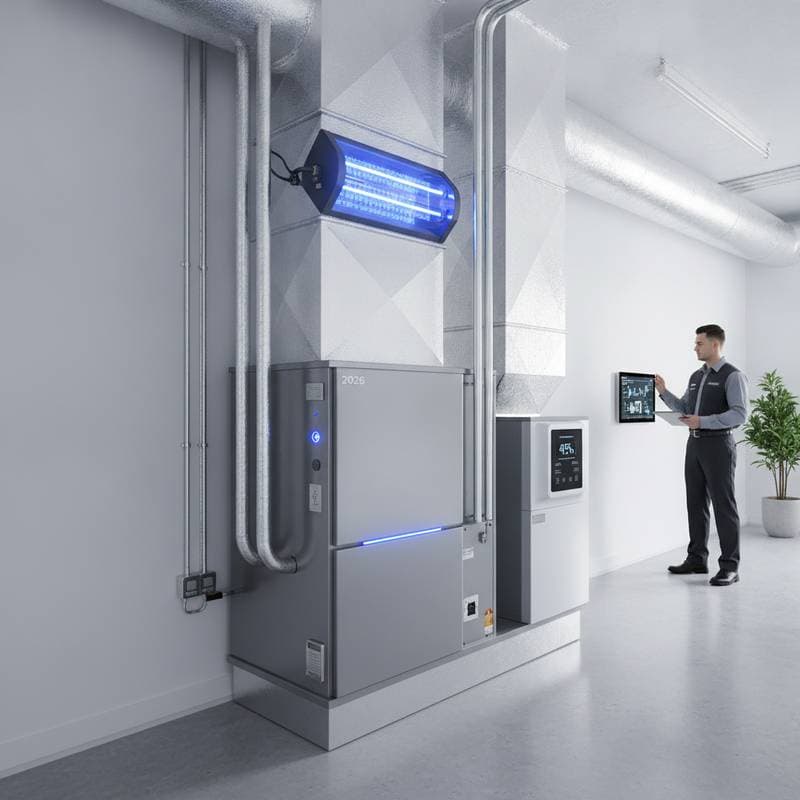
- Improved air quality follows from continuous gentle airflow that increases filtration cycles.
Expert Tips for Choosing the Right Variable Speed System
Selecting the right system involves more than picking a brand. Consider your home size, insulation, and local climate. Evaluate SEER ratings first because variable speed systems often achieve ratings above 18. Check compatibility because some older duct systems may need upgrades to handle modulating airflow.
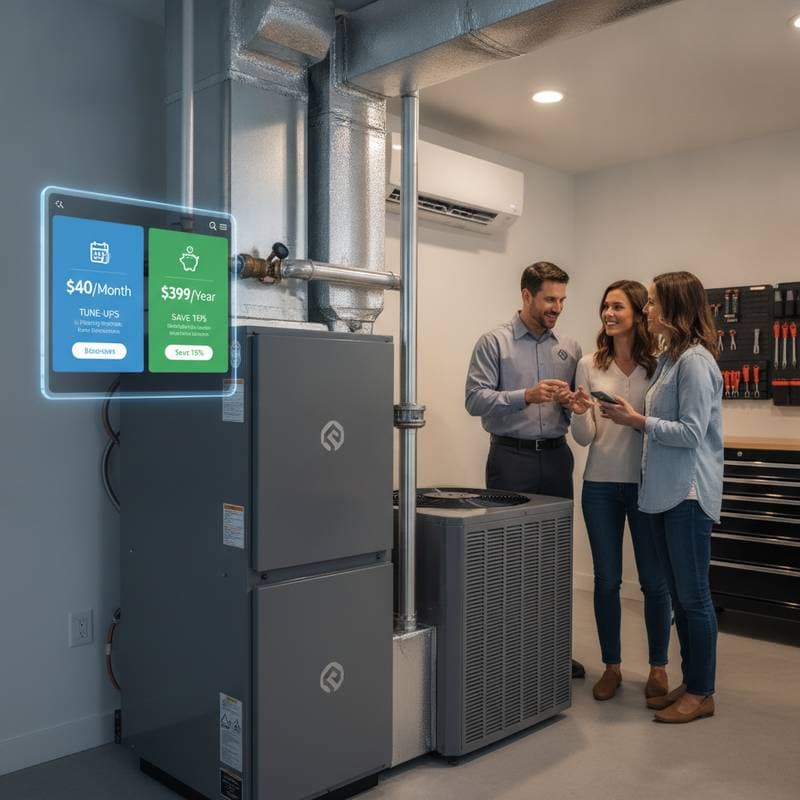
Plan for professional installation because a certified technician ensures proper calibration for airflow, refrigerant charge, and control settings. Ask about rebates because many utility companies offer incentives for upgrading to variable speed technology.
Practical Considerations and Cost Insights
Variable speed HVAC systems carry a higher upfront price that typically ranges from 6000 to 12000 dollars installed. They deliver measurable returns because energy savings often offset the difference within a few years. The reduced wear on components also cuts repair costs.
Maintenance remains straightforward though annual professional inspections are essential. Variable speed systems operate with built in diagnostics that alert you to issues early. This feedback helps prevent breakdowns and ensures compliance with local energy codes.
Benefits of Upgrading Your HVAC System
Upgrading to a variable speed HVAC system brings steadier temperatures, cleaner air, and greater control over energy use. The key to success lies in pairing quality equipment with expert installation. A tailored consultation helps you make an informed choice that pays off in comfort and savings for years to come.