2026 HVAC Technology: Balancing Humidity to Prevent Mold Growth
Homeowners often face a subtle threat to indoor health: humidity imbalance. Excess moisture creates a muggy atmosphere, while insufficient levels result in dry, irritating air. The greatest risk emerges in conditions that foster mold proliferation, particularly in humid regional climates. Professionals frequently encounter condensation-soaked insulation in crawl spaces and concealed mold behind basement drywall.
Signs such as foggy windows, musty odors, or discoloration around vents indicate potential issues. Advanced HVAC systems for 2026 address these challenges by regulating temperature, moisture, and air quality. These integrated solutions halt mold development at its source and promote a healthier living environment.
Mechanisms of Moisture Management in Contemporary HVAC Systems
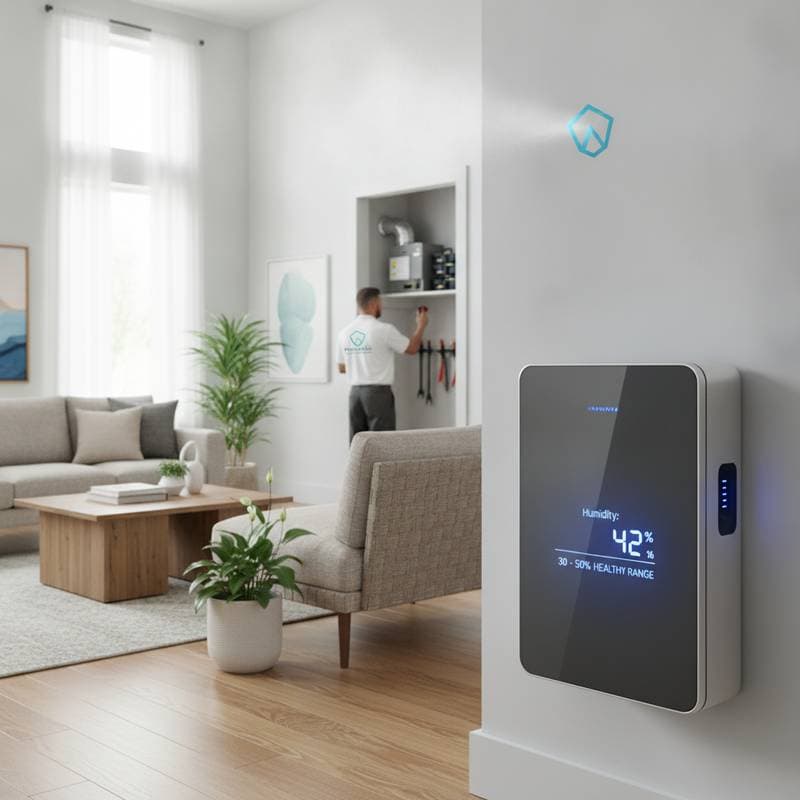
Current HVAC designs extend beyond basic heating and cooling to incorporate precise humidity regulation. Sensors, variable-speed components, and intelligent controls monitor and adjust conditions to sustain 40 to 50 percent relative humidity. This range inhibits mold while ensuring comfortable, fresh air circulation.
Essential Elements for Effective Humidity Regulation
-
Variable-Speed Compressors
These units modulate output smoothly, avoiding abrupt on-off cycles. Extended operation enhances dehumidification, delivering consistent cooling without residual clamminess. -
Integrated Whole-Home Dehumidifiers
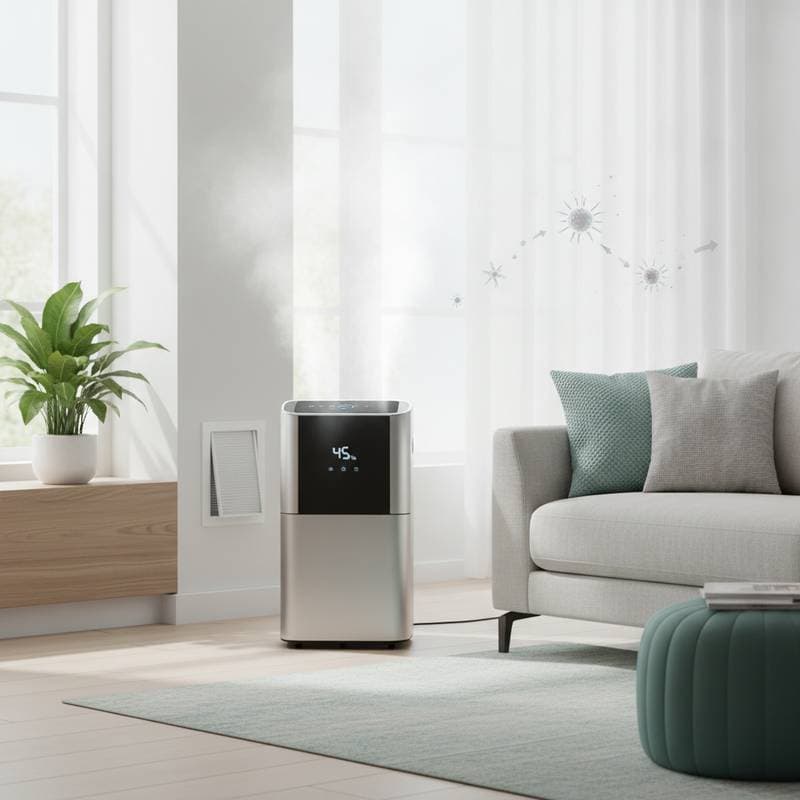
Positioned in ductwork, these devices extract surplus moisture prior to air distribution. Capable of removing multiple pints of water each day, they activate automatically during humidity spikes. -
Intelligent Thermostats and Monitoring Sensors
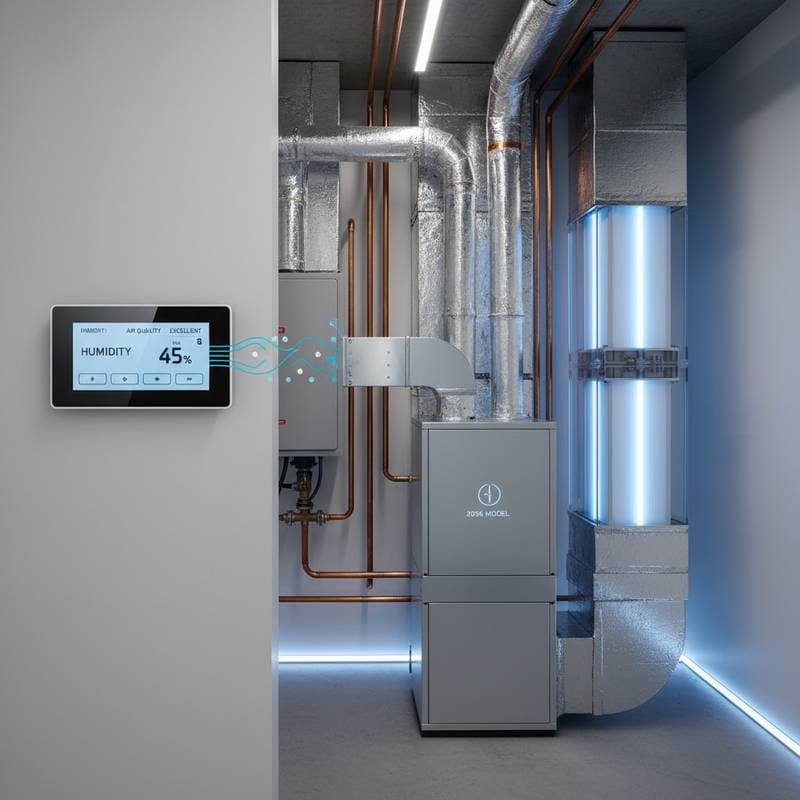
These devices track temperature and humidity levels, optimizing system responses. Integration with mobile applications provides users with instant access to performance metrics and remote adjustments. -
Energy Recovery Ventilators (ERVs)
ERVs facilitate air exchange between indoor and outdoor environments while conserving energy. They regulate incoming humidity, proving especially useful in sealed, energy-efficient structures. -
Ultraviolet Lights and Enhanced Filtration Systems
UV components deactivate mold spores and pathogens in the airstream. Paired with reliable humidity management, they contribute to superior air purity and occupant safety.
Financial Aspects, Returns, and Implementation Factors
Upgrading for humidity control involves initial costs, yet benefits accrue rapidly. Installed whole-home dehumidifiers generally cost between $1,000 and $2,500. Intelligent thermostats range from $150 to $400, and ERV installations vary from $2,000 to $5,000 based on residence dimensions.
Savings manifest in reduced utility expenses, minimized maintenance needs, and enhanced health outcomes. Optimized systems lower cooling demands by up to 20 percent, as drier air permits higher thermostat settings without discomfort. Prevention also averts expensive mold removal, which can surpass $5,000 in extensive cases.
Health implications extend to allergy prevention and respiratory protection. Proactive measures preserve building materials and family well-being. Engage a certified HVAC specialist for upgrades, ensuring assessments account for local weather patterns and system compatibility.
Detecting Early Indicators of Humidity Imbalances
Vigilance complements technological advancements. Recognize these precursors to intervene promptly and avert mold establishment.
- Persistent Musty Scents: Earthy aromas frequently denote concealed fungal activity.
- Window Condensation: Ongoing moisture buildup on panes reveals elevated indoor humidity.
- Clammy or Inconsistent Cooling: Sticky sensations despite air conditioning operation suggest inadequate dehumidification.
- Visible Discolorations: Inspect vents, ceilings, and walls for dark patches or stains.
- Allergy-Like Symptoms: Worsening coughs, nasal congestion, or irritations may signal compromised air quality.
Upon observing these cues, schedule a technician evaluation. Experts assess refrigerant charges, airflow distribution, and drainage pathways to diagnose and resolve underlying concerns.
Developing a Sustainable Humidity Management Strategy
View the HVAC system as central to residential comfort. Coordinated maintenance and monitoring form the foundation of enduring protection.
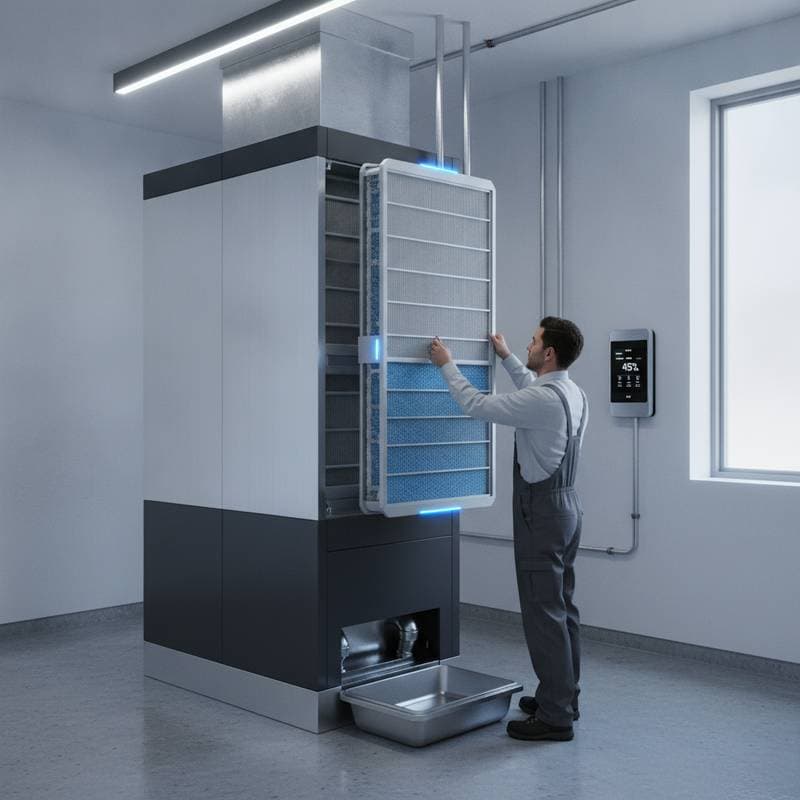
- Yearly Professional Inspections: Verify refrigerant integrity, clean coils, and ensure proper drainage.
- Routine Filter Changes: Replace units every one to three months to sustain optimal airflow.
- Ventilation Pathway Clearance: Prevent obstructions from furnishings or coverings.
- Automated Sensor Linkage: Integrate humidity monitors with thermostats for seamless regulation.
- Periodic Air Quality Evaluations: Conduct tests to confirm stable humidity and pollutant levels.
HVAC consultant Miguel Torres emphasizes, "The key to success lies in consistency. A well-maintained system does not just react to humidity problems; it prevents them altogether."
Implementing Effective Solutions
Achieving a mold-resistant home requires informed action and professional guidance. 2026 HVAC innovations equip users with precise tools, but tailored installation maximizes efficacy.
Address dampness, odors, or comfort inconsistencies through consultation. Connect with qualified specialists for assessments and proposals suited to regional conditions. These initiatives foster clean airflow, eliminate mold risks, and deliver reliable year-round comfort.
Frequently Asked Questions
What humidity level prevents mold?
Maintain 40 to 50 percent relative humidity to inhibit growth while preserving comfort.
How often should HVAC systems receive maintenance?
Annual professional servicing, combined with monthly filter checks, ensures peak performance.
Can smart thermostats alone control humidity?
They monitor and adjust but work best alongside dehumidifiers or ERVs for comprehensive management.
What are the health risks of excess indoor moisture?
Mold exposure can provoke allergies, asthma, and chronic respiratory conditions.
Is upgrading HVAC worth the cost for mold prevention?
Yes, through energy savings and avoidance of remediation expenses exceeding $5,000.