Advanced Humidity-Controlled HVAC Systems: A Breakthrough for Allergy Management
As an HVAC professional, the author has observed numerous homeowners facing challenges beyond mere temperature adjustments. Breathing difficulties, persistent odors, and frequent sneezing often stem from imbalanced moisture in the air. Allergies intensify in environments that feel damp or stagnant, a phenomenon rooted in how humidity affects indoor allergens. Traditional heating and cooling systems seldom address this aspect effectively.
Imagine entering a home anticipating fresh air, only to encounter a thick, clammy atmosphere that irritates the eyes and throat. Such conditions prove not only uncomfortable but also detrimental to health. Next-generation humidity-controlled HVAC systems address this by regulating both temperature and moisture levels, thereby reducing allergens and fostering a healthier indoor space.
Based on extensive field experience, humidity control emerges as a vital component in achieving comprehensive home comfort and air quality. Modern systems incorporate precision sensors and adaptive dehumidification capabilities that respond dynamically to changing conditions.
The Advantages of Humidity-Controlled HVAC Systems
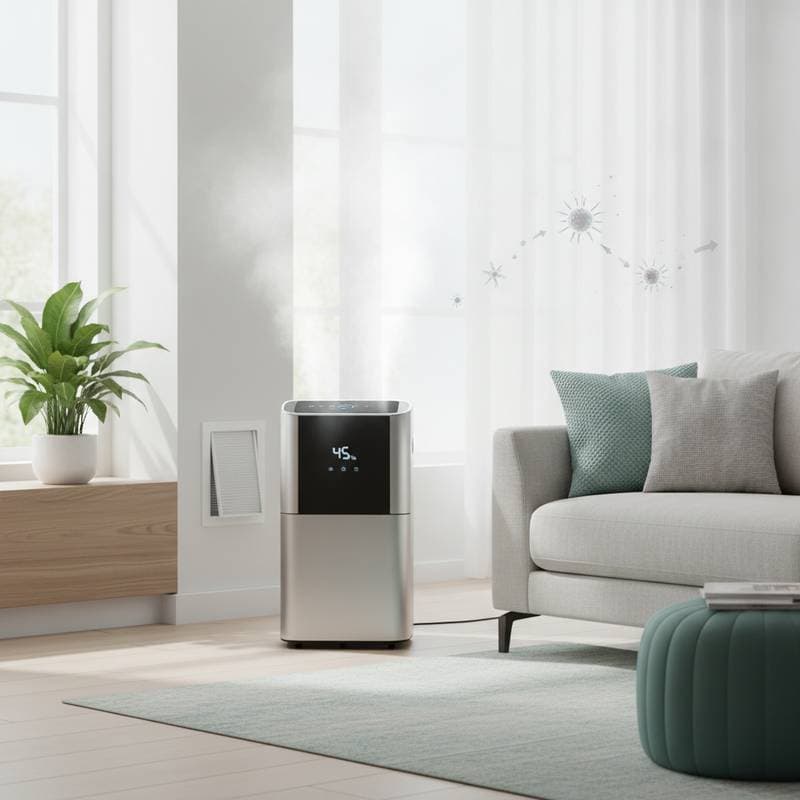
Conventional HVAC units prioritize temperature control, whereas humidity-controlled models integrate moisture management to deliver superior air balance. These systems seamlessly combine dehumidification, humidification, and air purification within a unified framework.
Homeowners dealing with persistent allergies, musty smells, or uneven room comfort should evaluate these systems. They promote easier breathing while safeguarding the home against moisture-related structural damage.
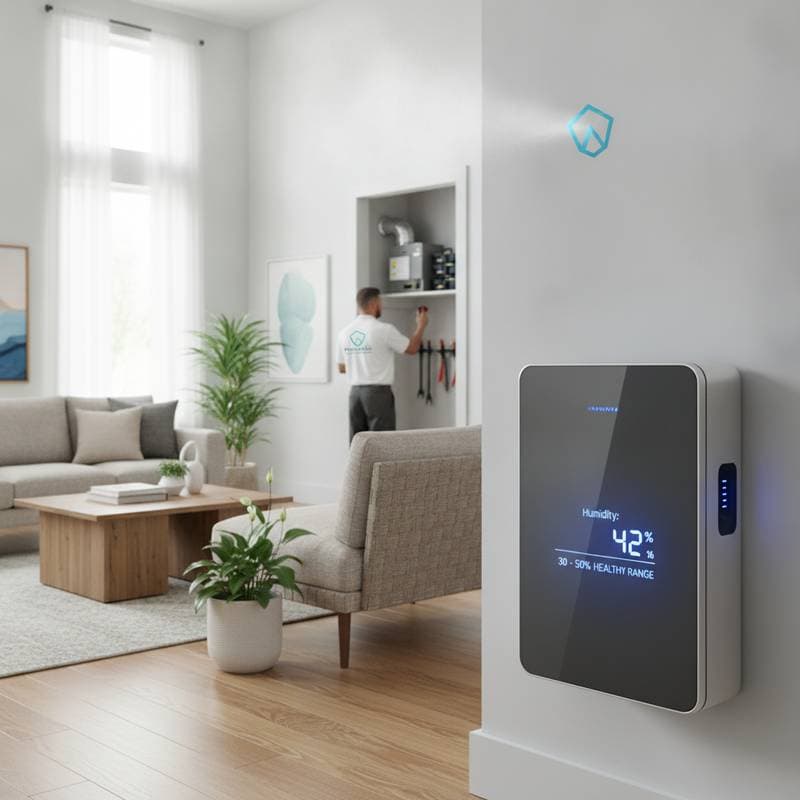
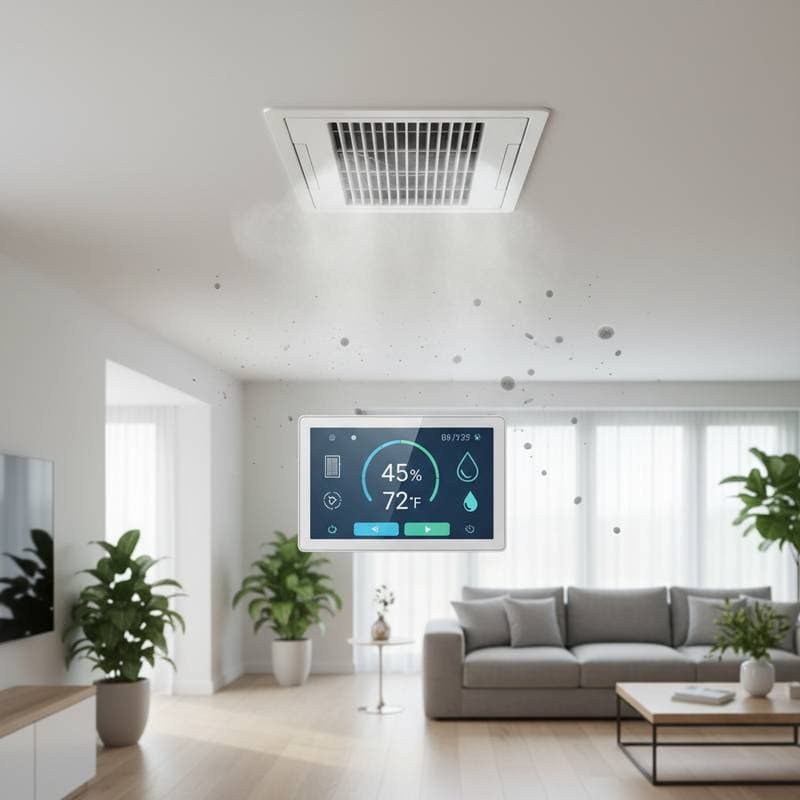
Contemporary humidity-controlled units employ intelligent sensors to track moisture levels continuously and modify operations accordingly. This eliminates reliance on manual adjustments, standalone dehumidifiers, or cluttered appliances.
Guide to Implementing Humidity Control in Your Home
Step 1: Evaluate Your Home's Humidity Levels
Acquire a hygrometer to gauge moisture in key areas such as bathrooms, basements, and bedrooms. Record readings over several days to detect patterns. Levels consistently exceeding 60 percent or falling below 30 percent signal the need for intervention.
Step 2: Arrange a Professional System Assessment
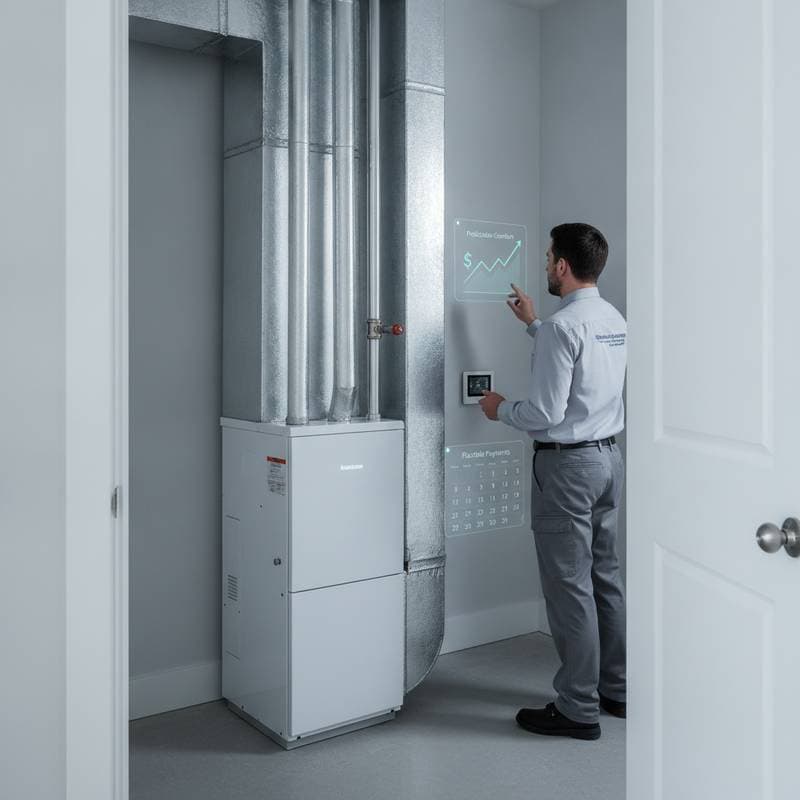
Engage a certified technician to examine airflow, duct integrity, and current humidity performance. The evaluation determines suitability for a dedicated dehumidifier or a comprehensive integrated solution. Professionals also identify underlying issues like leaks or poor insulation contributing to imbalances.
Step 3: Select an Appropriate System Configuration
Consider these humidity-controlled HVAC variants:
-
Integrated Units: Merge heating, cooling, and moisture regulation for seamless operation. These suit new constructions or extensive renovations.
-
Supplemental Dehumidifiers: Link to existing setups for targeted moisture reduction. This option proves cost-effective for upgrades without full replacement.
-
Zoned Configurations: Enable customized humidity and temperature zones across the property. Such systems excel in multi-level or expansive residences.
Step 4: Establish a Maintenance Routine
Advanced systems require biannual professional servicing to sustain peak performance. Technicians clean filters, inspect drains, and verify component functionality. Homeowners can perform basic tasks like filter replacement monthly to support longevity.
Step 5: Track and Refine Settings
Leverage a smart thermostat to monitor humidity fluctuations via app-based dashboards. Address deviations beyond 35 to 55 percent by adjusting parameters or seeking expert recalibration. Seasonal changes, such as summer humidity surges, may necessitate periodic reviews.
Key Factors to Consider for Installation
Investment and Financial Returns
A full humidity-controlled HVAC installation generally costs between $6,000 and $12,000, influenced by property size and selected features. Retrofitting with existing ductwork simplifies the process and reduces expenses. Add-on dehumidifiers range from $1,500 to $3,000, offering substantial benefits at a lower initial outlay.
Although the initial expense appears significant, ongoing savings justify the investment. Optimized humidity reduces energy demands by up to 20 percent, as the system operates more efficiently. Additional economies arise from decreased healthcare visits and minimized remediation for allergen-induced damage.
Upkeep and Durability
Proper maintenance extends the lifespan of humidity-controlled systems to 15 to 20 years. Annual service visits cost $150 to $300 each, ensuring consistent operation and preventing costly breakdowns.
Installation Safety and Regulations
Hire certified contractors versed in local codes to handle installations. Certain areas mandate permits for dehumidification integrations. Faulty setups risk drainage failures or inefficient cycling, which undermine safety and efficacy.
Sustainability Advantages
Efficient humidity regulation lowers overall energy use, diminishing the home's environmental impact. Many units feature low-global-warming-potential refrigerants compliant with regulatory standards. This alignment supports broader ecological goals without sacrificing performance.
Selecting a Reliable HVAC Specialist
Specialization in humidity control varies among technicians; prioritize those with credentials in air quality optimization and dehumidification expertise.
Pose these inquiries prior to commitment:
-
What is your experience installing humidity-controlled systems?
-
Do you provide follow-up monitoring and fine-tuning services?
-
Can you share testimonials from clients with allergy concerns?
Established providers conduct post-installation audits to confirm stable humidity across seasons. For expert assistance, consult professionals through americanairhvac.net to obtain a complimentary assessment and tailored recommendations.
Common Queries on Humidity-Controlled Systems
Question: In what ways do humidity-controlled HVAC systems surpass traditional models?
Answer: Traditional systems regulate temperature exclusively, while humidity-controlled versions incorporate sensors and dehumidifiers for automatic moisture adjustment. This maintains optimal levels, enhancing comfort and alleviating allergy symptoms.
Question: What is the recommended frequency for sensor calibration?
Answer: Calibration occurs annually during routine maintenance. Technicians verify precision and adjust as needed to align with desired humidity ranges.
Question: Is it feasible to add humidity control to an existing HVAC setup?
Answer: Affirmative; add-on dehumidifiers or intelligent thermostats often integrate effectively. A site-specific assessment by a professional outlines the optimal modification strategy.
Realizing Lasting Benefits from Balanced Indoor Air
Implementing humidity control elevates daily living by curbing allergens and ensuring consistent comfort. Homeowners experience fewer health disruptions, lower utility bills, and a preserved property value. Professional guidance accelerates this transition, yielding immediate and enduring improvements in air quality and well-being.