Understanding the Link Between Humidity and Mold
Indoor humidity levels above 60 percent create ideal conditions for mold spores to thrive. These microscopic fungi can infiltrate walls, ceilings, and furniture, leading to structural damage and health issues such as allergies or respiratory problems. Recognizing this connection allows homeowners to take proactive steps toward a healthier environment.
Mold flourishes in damp, poorly ventilated areas like basements, bathrooms, and attics. Excess moisture from cooking, showering, or even breathing contributes to the problem. By addressing humidity at its source, individuals prevent not only visible mold but also invisible spore proliferation that affects air quality.
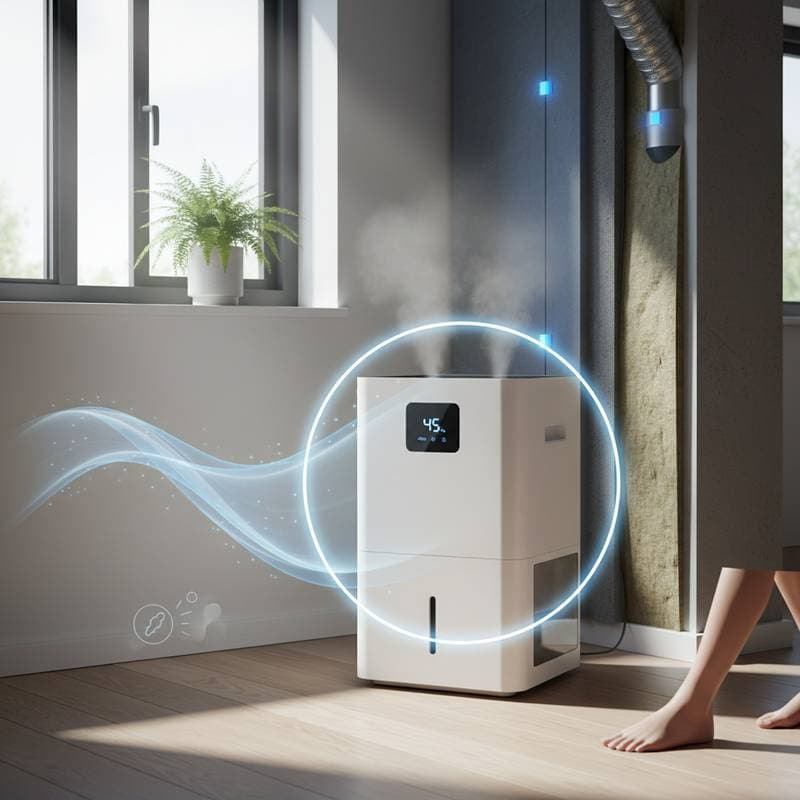
Maintaining humidity between 30 and 50 percent strikes the right balance for comfort and safety. This range discourages mold while preventing overly dry air that can cause skin irritation or wooden elements to crack. Regular monitoring with a hygrometer provides essential data for informed adjustments.
Essential Tools for Humidity Management
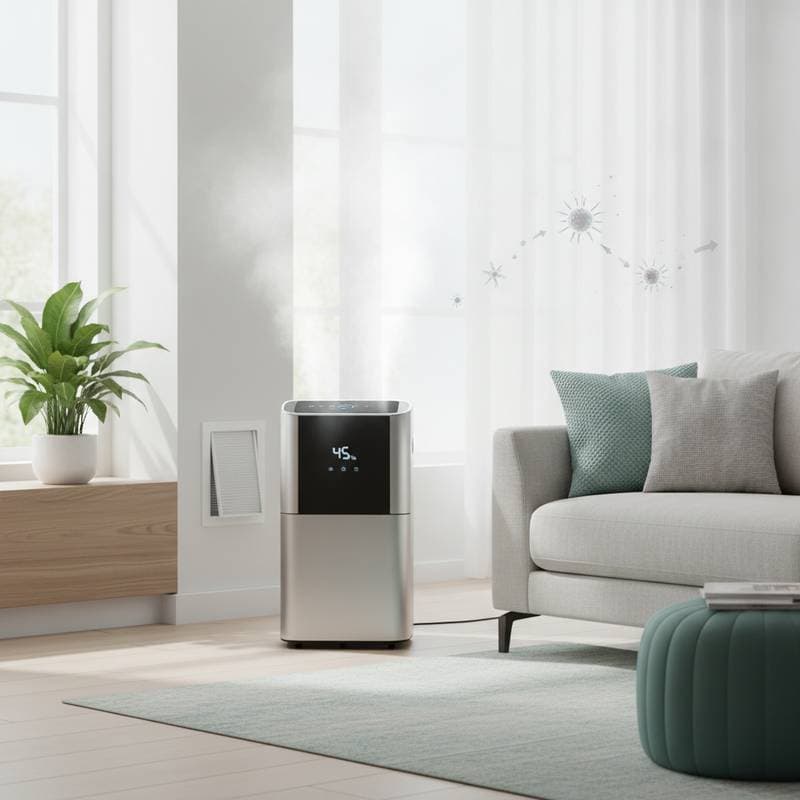
Dehumidifiers serve as the cornerstone of moisture control in humid climates. These devices pull excess water from the air, reducing relative humidity to safe levels. Portable units work well for spot treatment in problem areas, while whole-home systems integrate with existing HVAC setups for comprehensive coverage.
Select a dehumidifier based on room size and moisture load. For instance, a unit covering 500 square feet should remove at least 30 pints of water daily in moderately damp conditions. Energy-efficient models with auto-defrost features ensure reliable performance even in cooler spaces like basements.
Ventilation plays a critical role alongside dehumidification. Exhaust fans in kitchens and bathrooms expel humid air outdoors, preventing buildup. Install fans rated at 50 cubic feet per minute or higher to effectively clear steam and cooking vapors. Combine this with air intake vents to promote circulation without introducing external pollutants.
Insulation and Sealing Strategies
Proper insulation minimizes condensation on cold surfaces, a common mold trigger. Use materials with high R-values, such as fiberglass batts or spray foam, to create thermal barriers in walls and attics. This approach keeps indoor temperatures stable and reduces the need for constant heating or cooling.
Seal gaps around windows, doors, and pipes to block humid outdoor air. Apply weatherstripping and caulk to these entry points, focusing on areas prone to drafts. In crawl spaces, install vapor barriers like thick plastic sheeting to prevent ground moisture from rising into living areas.
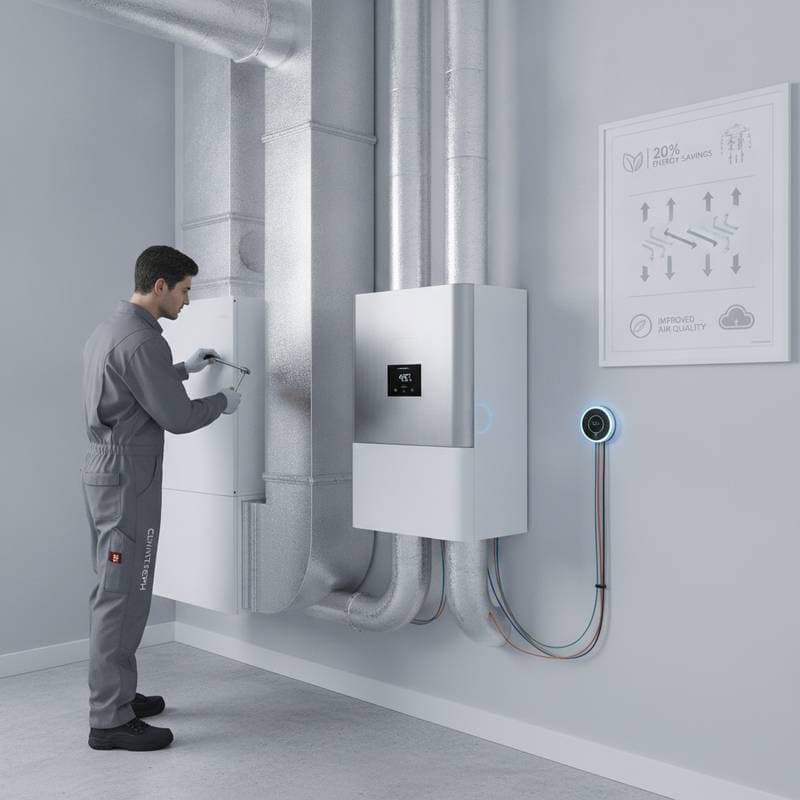
Smart HVAC integration elevates these efforts. Programmable thermostats adjust fan speeds and temperatures based on humidity readings. Zone systems allow targeted control in high-moisture rooms, ensuring even distribution without overworking the entire unit.
Installation Considerations
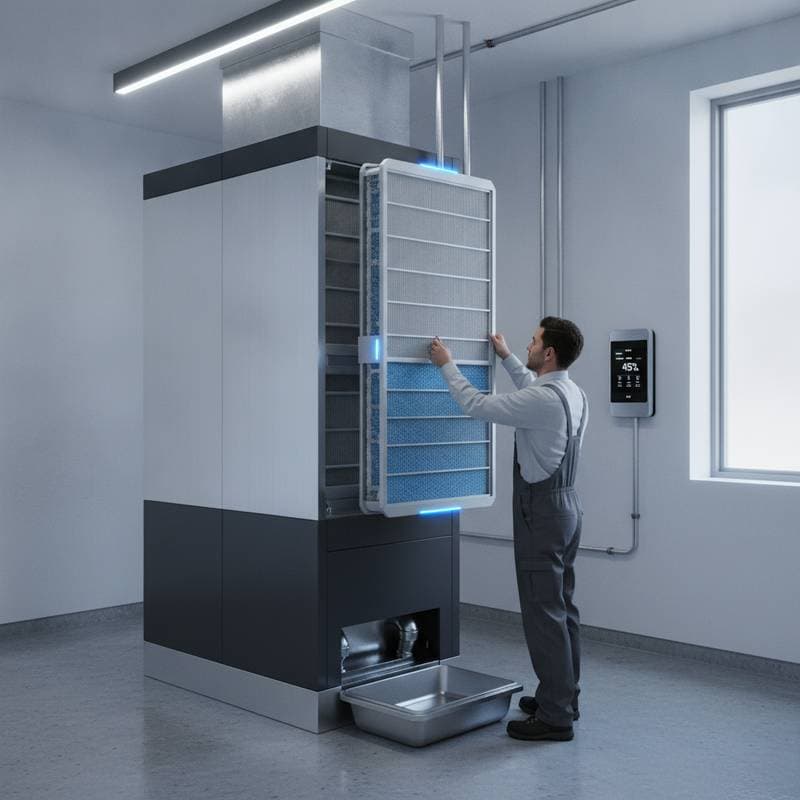
Professional installation ensures optimal performance and longevity. Technicians assess airflow patterns, duct conditions, and electrical capacity before placing equipment. For dehumidifiers connected to HVAC, they integrate drainage lines to handle condensate without manual emptying.
Clean your dehumidifier filter every few months and schedule HVAC inspections twice a year. Preventive care proves far less expensive than addressing mold remediation later. During inspections, experts check for leaks or inefficiencies that could exacerbate humidity issues.
4. Local Codes and Permits:
In certain areas, installing new HVAC components requires mechanical permits and inspections. Licensed contractors manage these requirements, verifying that systems comply with local building codes. This step avoids fines and guarantees safe, effective operation.
5. Seasonal Adjustments:
In humid summer periods, operate dehumidifiers at higher settings to combat peak moisture. During drier winter months, introduce a humidifier to avoid excessively low levels that dry out airways and woodwork. Year-round balance preserves both occupant comfort and home durability.
Implementing Your Humidity Control Plan
Integrating humidity management into routine home care transforms daily living. Air circulation improves, surfaces remain free of dampness, and odors dissipate completely. Homeowners gain peace of mind from a fortified defense against moisture-related threats.
Begin with a home audit to identify high-risk zones. Measure baseline humidity and note patterns after activities like laundry or bathing. Adjust strategies accordingly, tracking changes over weeks to refine the approach.
For personalized solutions, consult certified HVAC specialists via americanairhvac.net. These professionals analyze your specific environment and tailor recommendations involving ventilation enhancements, dehumidification options, and ongoing maintenance protocols. Their expertise delivers enduring outcomes.
Sustained effort yields a residence that stays vibrant and secure. Crisp air enhances sleep quality and productivity, while protected structures endure longer. Embrace these practices to foster a sanctuary resilient to environmental challenges.
Frequently Asked Questions
Q: How often should you check your home’s humidity levels?
A: Monitor levels weekly during high-humidity seasons such as summer or following significant rain events. Aim to keep readings between 40 and 50 percent to deter mold formation and support overall well-being.
Q: Can plants contribute to indoor humidity problems?
A: Certain houseplants release moisture through transpiration, potentially elevating humidity in enclosed spaces. Limit tropical varieties in small rooms and ensure good airflow around them to mitigate this effect.
Q: What signs indicate that humidity control measures are working?
A: Look for drier surfaces, absence of condensation on windows, and reduced musty smells. Consistent hygrometer readings in the target range confirm effective management.