Smart Humidity Control in HVAC Prevents Year-Round Allergies
As an HVAC professional, I have seen countless homeowners battle persistent allergy symptoms even after deep cleaning, air filter changes, and expensive purifiers. The same struggle appears repeatedly: itchy eyes in spring, coughing fits in late summer, or sinus pressure that lingers deep into winter. The culprit often is not just pollen or dust, but hidden humidity imbalances that thrive inside the home.
Moisture levels shift subtly and create invisible triggers. These shifts keep allergens such as mold spores, dust mites, and bacteria active. Controlling humidity supports comfort and serves as a key step in allergy prevention.
Smart humidity management improves air quality and the overall indoor environment. The right HVAC technology produces a steady climate that protects health and the home throughout the year.
The Smart HVAC Solution
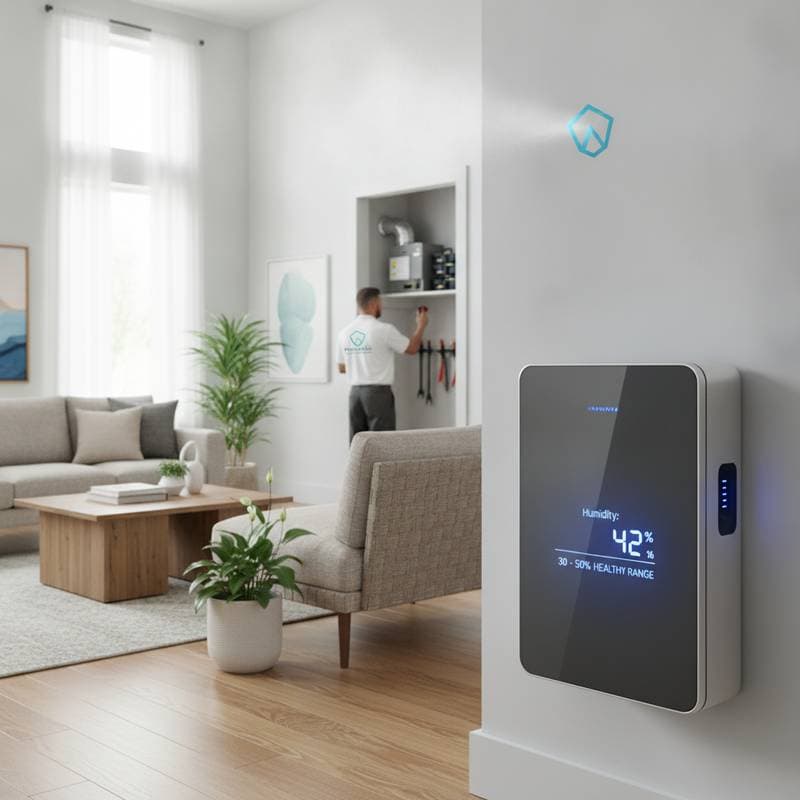
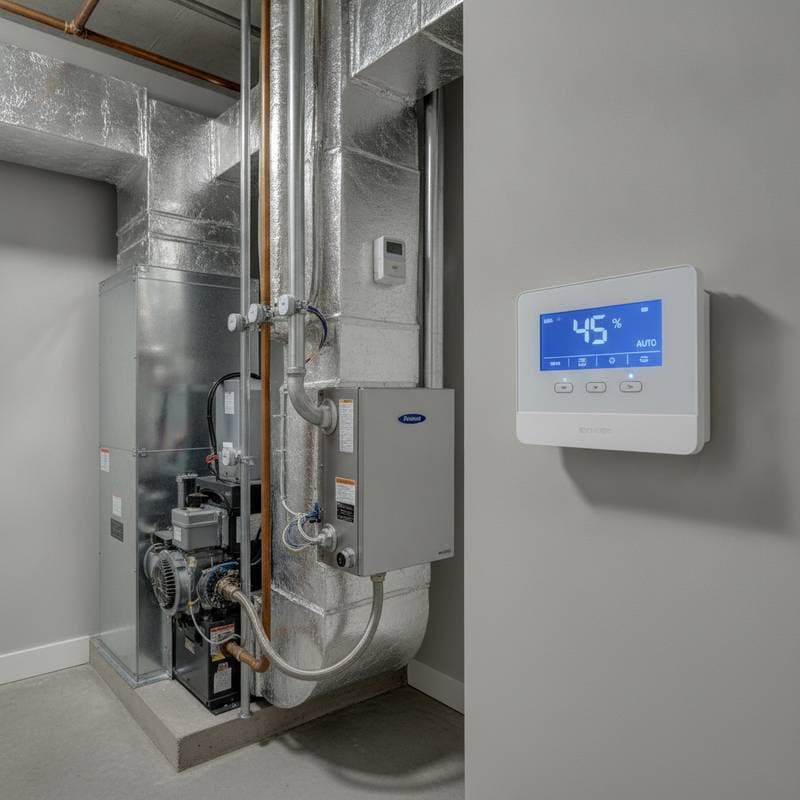
Smart humidity control combines sensors, thermostats, and modulating equipment that maintain balanced air moisture automatically. The technology measures humidity levels continuously and adjusts HVAC operation to hold ideal indoor conditions.
Homeowners receive consistent performance without manual checks. The system learns household patterns, compensates for weather changes, and stabilizes every room. Fewer allergy triggers and more predictable comfort follow.
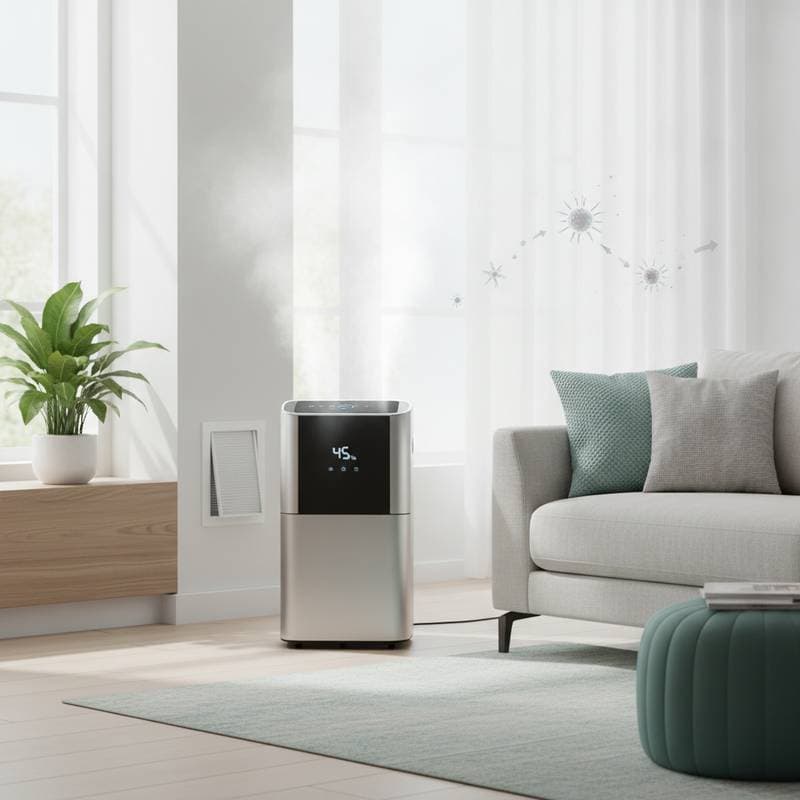
Pair dehumidification with advanced filtration and ventilation. These elements create a three-part defense against airborne allergens that manual adjustments cannot match.
Warning Signs That Your Home Humidity Is Off
Humidity problems often remain unnoticed until symptoms develop. Watch for these indicators of imbalance:
- Condensation on windows or walls signals excessive moisture.
- Musty or earthy odors frequently link to hidden mold growth.
- Warped wood or peeling paint shows moisture damage in building materials.
- Static shocks or dry skin point to low humidity levels.
- Allergy flare-ups indoors include persistent sneezing or congestion despite clean filters.
Two or more of these issues suggest the HVAC system requires recalibration or upgraded humidity control.
Steps to Extend System Efficiency
- Keep vents unobstructed. Furniture that blocks supply or return vents disrupts airflow and humidity balance.
- Seal leaks in ductwork. Small gaps can draw humid air into the system and alter readings.
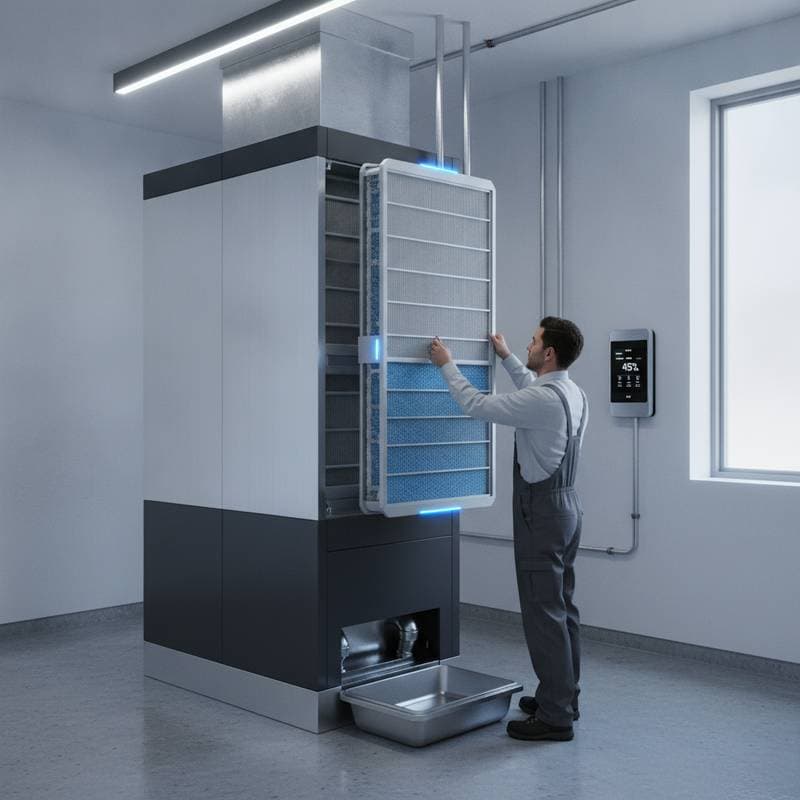
- Replace filters regularly. Clogged filters restrict airflow, force the system to overwork, and impair moisture management.
- Use ceiling fans strategically. Gentle circulation improves humidity distribution without excess cooling.
- Monitor indoor humidity. Affordable hygrometers supply real-time readings that reveal trends early.
These steps support the smart features and help sustain proper moisture levels year-round.
Adapting to Regional Climates
Humid Coastal Areas
Coastal homes often experience elevated indoor moisture even when air conditioning operates frequently. Whole-home dehumidifiers and energy recovery ventilators prevent mold growth in walls and ducts.
Dry Inland or Mountain Regions
Arid climates can drop indoor humidity below 30 percent during heating seasons. A humidifier attachment inside the HVAC system maintains comfort and reduces respiratory irritation.
Mixed or Transitional Zones
Regions with fluctuating humidity require flexible systems that switch between humidifying and dehumidifying. Smart sensors and modulating fans adjust to these changes automatically.
FAQ
Q: How often should humidity sensors or controllers be calibrated?
A: Most sensors maintain accuracy for two to three seasons before calibration is needed. Schedule recalibration during regular HVAC tune-ups to keep readings reliable.
Q: Will a smart thermostat alone control humidity effectively?
A: A smart thermostat can assist, yet pairing it with a dedicated dehumidifier or humidifier delivers stronger results. The thermostat manages cycles while moisture-specific equipment refines humidity levels.
Q: How long does it take to notice allergy improvements after installing humidity control?
A: Many homeowners report relief within one week as air stabilizes and allergen populations decline. Mold and dust mite levels drop quickly once humidity remains balanced.
Q: Can I install a dehumidifier myself to save money?
A: Portable units suit small spaces, but whole-home systems require professional installation. Incorrect setup can produce leaks, drainage problems, or poor integration with HVAC controls.
Q: What humidity level should I maintain to minimize allergens?
A: Target 40 to 50 percent relative humidity. This range supports comfort and prevents both mold growth and excessive dryness that irritates sinuses.
Achieving Consistent Allergen Reduction
Smart humidity control supplies more than comfort. It provides assurance that the home functions as a refuge from allergens. Proper technology and guidance support easier breathing throughout the year.